Author

Steven Kidder

Browsing

Which fingers go numb tells you more than almost any test does. That single detail separates three conditions that get confused constantly, and it is the first thing Draper Spinal Care asks about when someone arrives convinced they have carpal tunnel syndrome. A surprising number of people show up already wearing a wrist brace that has not helped, because the nerve is being pinched somewhere other than the wrist.

Sorting this out matters, since each problem is treated differently and a brace aimed at the wrong location wastes six weeks.

What does the pattern of numbness tell you?

Each condition follows the territory of a specific nerve or nerve root, and the borders are reasonably predictable.

  • Carpal tunnel syndrome affects the thumb, index, middle, and the thumb side of the ring finger. The little finger is spared, and the palm is often spared too, because the nerve branch supplying it splits off before entering the tunnel
  • Cervical radiculopathy follows the root involved. C6 sends symptoms into the thumb and index finger, C7 into the middle finger, and C8 into the ring and little fingers
  • Neurogenic thoracic outlet syndrome most often affects the little finger, the ring finger, and the inner forearm, since the lower part of the brachial plexus sits most exposed

Little finger numbness is the cleanest rule of thumb. The median nerve does not supply it, so if that finger is involved, carpal tunnel is not the whole story.

How do you know if it is actually carpal tunnel syndrome?

Carpal tunnel syndrome is compression of the median nerve where it passes under the transverse carpal ligament at the wrist, and its signature is night symptoms that wake you and ease when you shake the hand out. Roughly 3 to 6 percent of adults are affected.

The nighttime pattern happens because most people sleep with the wrist flexed, which raises pressure inside the tunnel. Clinical tests include Phalen’s maneuver, Tinel’s sign, and the carpal compression test, none definitive alone. Nerve conduction studies confirm the diagnosis and grade severity.

The American Academy of Orthopaedic Surgeons clinical practice guideline supports night splinting in a neutral wrist position as a first-line option, typically trialed for at least six weeks before escalating. Thenar muscle wasting, meaning visible loss of the fleshy pad at the base of the thumb, signals advanced compression and warrants surgical consultation rather than continued conservative care.

When is the neck the real source?

Suspect the cervical spine when symptoms change with head position, when neck or shoulder blade pain accompanies the hand symptoms, or when resting your hand on top of your head brings relief. That last finding is called the shoulder abduction relief sign and it is fairly specific to nerve root compression.

Cervical radiculopathy occurs when a nerve root is irritated as it exits the spine, usually from disc material or arthritic narrowing. A population study by Radhakrishnan and colleagues in Rochester, Minnesota found an annual incidence of about 85 per 100,000, with C7 the most commonly involved root followed by C6. Spurling’s test, which extends and rotates the neck toward the symptomatic side with gentle downward pressure, has high specificity but misses many cases, so a negative result does not clear the neck.

A person can also have compression at two sites at once, sometimes called a double crush. Someone with an irritated C6 root and a tight carpal tunnel may get only partial relief from addressing either alone.

What makes thoracic outlet syndrome different?

Thoracic outlet syndrome involves compression of the brachial plexus or the vessels beneath it as they pass between the scalene muscles, over the first rib, and under the collarbone. The giveaway is that symptoms appear with the arms elevated, during tasks like drying hair, reaching into an overhead cabinet, or holding a steering wheel.

The neurogenic form accounts for roughly 90 to 95 percent of cases. A cervical rib, an extra rib above the first, is present in well under 1 percent of the population and is one contributing factor among several, with scalene tightness and posture more common. The elevated arm stress test, holding the arms up and opening and closing the hands for three minutes, tends to reproduce symptoms.

Sudden swelling, heaviness, or bluish discoloration of the arm points to the venous form and needs prompt medical evaluation rather than conservative care.

What does an evaluation at Draper Spinal Care involve?

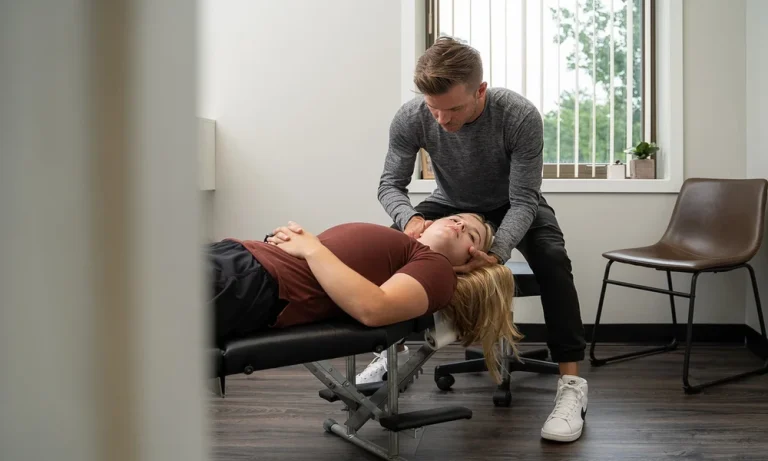
The exam works from the pattern backward: mapping the exact distribution of symptoms, checking cervical range of motion and joint function, testing reflexes and grip strength, then running provocation tests at the neck, the thoracic outlet, and the wrist to see which reproduces the complaint.

Upper cervical care can help when altered mechanics in the neck are contributing to nerve irritation or to the muscle guarding that narrows the thoracic outlet. It is not the answer to everything on this list. True median nerve entrapment at the wrist, particularly with weakness or muscle wasting, belongs with a hand specialist, and an honest evaluation says so rather than starting a treatment plan that was never going to work.

Certain findings need urgent attention regardless: numbness in both hands together with clumsiness, changes in walking or balance, or any bowel or bladder change can indicate spinal cord involvement.

Numbness that has persisted more than a few weeks deserves a proper differential rather than a guess and a drugstore brace. If your symptoms include the little finger, shift with neck position, or appear whenever your arms go overhead, the wrist is probably not the culprit, and an exam at Draper Spinal Care can identify which level is actually involved before you commit to treating the wrong one.


Telemedicine has changed the healthcare services patients receive. Patients can easily consult a health professional without visiting a clinic or hospital. The introduction of telemedicine offered several benefits, especially to elderly persons living in remote areas. However, despite multiple features, telemedicine suffers from trust issues.

Building trust in telemedicine requires more than convenient consultations; patients also need confidence that their payments and personal information are handled safely. Telemedicine Providers Build Trust Insights can help highlight how secure transactions, transparent payment processes, and reliable financial technology contribute to a better patient experience. When providers prioritize these factors, they can reduce concerns about fraud, privacy, and payment errors while creating a stronger sense of reliability throughout the telemedicine journey.

The major trust concern for patients is personal and financial information. Therefore, the telemedicine provider must keep addressing patients’ concerns to win their trust. A digital payment system is an essential factor that affects patients’ trust.

UNDERSTANDING TRUST IN TELEMEDICINE

Trust is an essential factor of any healthcare service. In the traditional method, patients used to visit the hospital physically to receive healthcare services. This method helped the patients maintain trust. Patients often share personal health information with the doctors. They want the doctors to maintain confidentiality about their health information.

WHY SECURITY OF PAYMENT TRANSACTIONS MATTERS?

Security is the factor that influences the digital payment system. Patients want a guarantee while making the payment. They expect the digital payment system to protect their financial information from unauthorized access or fraud.

The technologies used in the payment systems are tokenization, secure payment gateways, and encryption to facilitate smooth transactions. When patients trust the security system of a telemedicine platform, they are likely to feel confident and comfortable in taking healthcare services.

WHY PATIENTS’ PRIVACY MATTERS TO TELEMEDICINE PLATFORMS?

Patients share personal details, prescriptions, and medical histories through the telemedicine platform. Therefore, the telemedicine provider must protect the patients’ privacy.

The payment system used in the telemedicine platform must follow regulations and ensure that patients’ financial information is protected.

CONVENIENCE AND EASE OF USE

The digital payment system used in the telemedicine platform specifically offers comfort and convenience. The user interface of the payment system must be simple. A telemedicine provider needs to consider the fact that not all patients can easily make financial transactions. The structure of the payment system must be simple, which enables every patient to complete the payment process.

A well-structured payment system improves the overall patients’ trust and experience.

MULTIPLE OPTIONS OF PAYMENT

Availability of multiple options for completing the payment is a key factor. A telemedicine provider must offer multiple payment options. Multiple payment options increase accessibility and flexibility.

The availability of known payment options increases patients’ trust. Since the payment option is familiar, they complete the transaction easily. It offers a comfortable and smooth payment experience.

CONCLUSION

The introduction of a digital payment system in a telemedicine platform plays a crucial role in defining patients’ trust. A telemedicine platform with a secure payment system enjoys patients’ trust. The payment system of the healthcare platform must be protected and reliable.

You might be wondering if you are doing enough for your child’s teeth, especially when life already feels full and busy. Maybe you notice a little spot on a front tooth and feel a knot in your stomach. Or you keep meaning to start a regular brushing routine, but bedtime is chaotic and everyone is tired. At Acton family dentistry, we understand those worries and want to help make things easier. It can feel like one more thing on a very long list.end

At the same time, you probably have a quiet worry in the back of your mind. You know that habits formed in childhood tend to stick, and you do not want your child to struggle with cavities, pain, or fear of the dentist later. You want to get this right, you just need it to feel doable.

The good news is that early oral care does not have to be perfect to make a big difference. Small, consistent routines in the early years can prevent many common problems, save money over time, and help your child grow up seeing dental visits as normal rather than scary. The whole point is not to add pressure, but to give you a clear, calm path forward.

What happens if early oral care slips through the cracks?

To understand why early oral care routines for kids matter so much, it helps to look at what happens when they are missing or inconsistent. One of the biggest concerns is something called early childhood caries, which simply means tooth decay in very young children. It often starts quietly and may be easy to miss until it is more advanced.

Imagine a toddler who falls asleep most nights with a bottle of milk or juice. Brushing happens some nights, but not all. At first, things look fine. Then small white or brown spots appear near the gums. The child may not complain, so it feels easy to wait. By the time there is obvious pain, the decay can be deep, and treatment may require fillings, crowns, or even small extractions under sedation. That is a hard experience for a little one and for a parent watching from the chair.

Research from pediatric experts shows that these early cavities can lead to infections, difficulty eating, sleep problems, and missed school days. They also often require more complex and expensive treatment than simple prevention would have cost. You can read more about how early childhood caries is classified and prevented in this guidance from the American Academy of Pediatric Dentistry, available through their resource on early childhood caries and preventive strategies.

So where does that leave you if you feel like you are already behind or things have been inconsistent at home?

Why starting early pays off emotionally and financially

The first thing to remember is that it is never “too late” to improve your child’s routine. Teeth respond well to even small changes. When you start early, or start now, you give yourself and your child three important gifts. Less pain, less fear, and less cost.

Emotionally, children who grow up with a gentle brushing routine and regular checkups usually see the dentist as a normal part of life. They are less likely to associate dental visits with emergencies or pain. That means fewer battles about appointments, fewer tears in the chair, and more trust all around. A calm parent and a calm child feed off each other.

Financially, prevention is almost always less expensive than treatment. A toothbrush, fluoride toothpaste, and regular checkups cost far less than fillings, crowns, or hospital-based care for severe decay. Some public health programs and state resources even provide fluoride varnish and education at low or no cost, because they know how much it saves families and communities later. For example, Oregon’s Early Childhood Caries Prevention Program offers helpful information and support for families trying to protect young teeth, which you can see through the state’s page on early childhood oral health prevention.

There is also a quieter benefit. When you create simple routines around brushing and dental visits, you send your child a powerful message. Their health matters. Their comfort matters. They are worth the time.

How do early habits compare to “wait and see” approaches?

You might still wonder whether starting so early really changes much. Many parents grew up brushing “when they remembered” and only seeing a dentist when something hurt. To make the tradeoffs easier to see, here is a simple comparison.

Approach Short-term Experience Long-term Impact on Teeth Likely Costs Over Time
Consistent early routine
(brushing twice daily, regular checkups)
Some effort at bedtime and mornings.
Occasional resistance from child, but becomes habit.
Fewer cavities.
Milder problems caught early.
Child grows up comfortable with dental visits.
Lower overall cost.
Mostly preventive visits and small treatments if needed.
“Wait and see” routine
(inconsistent brushing, rare checkups)
Less effort day to day at first.
Less structure around meals and bedtime.
Higher risk of early childhood caries.
Greater chance of pain, infection, and emergency visits.
Higher overall cost.
More fillings, crowns, extractions, and possible sedation.
Emergency-only care
(no routine, visit only when in pain)
No daily effort, but sudden crises with pain and urgent appointments. Severe decay more likely.
Possible impact on speech, nutrition, and self-esteem.
Highest cost per visit.
Complex treatments and more time off work or school.

This is why a simple family habit like brushing together at night can be so powerful. It feels small in the moment, but it changes the entire story of your child’s mouth over years.

What can you do right now to set your child up for a healthier smile?

If you feel overwhelmed, you are not alone. Many parents were never taught how to build routines around oral health, so they are learning as they go. The goal is not perfection. It is steady progress. Here are three clear steps you can start today.

1. Start a simple, non-negotiable brushing ritual

Choose two anchor times each day, usually after breakfast and before bed. Commit to brushing your child’s teeth for two minutes each time. For very young children, you will do the brushing yourself. As they get older, you can let them “take a turn” first, then you finish to make sure all surfaces are clean.

Keep it gentle and predictable. Use a small, soft brush and a tiny smear of fluoride toothpaste for toddlers, about the size of a grain of rice. For children 3 to 6, a pea-sized amount is enough. You can sing a short song, tell a story, or use a two-minute timer to make it feel less like a chore and more like part of the bedtime rhythm.

2. Shape eating and drinking habits that protect teeth

Teeth do not only experience sugar through candy. Frequent sipping on juice, sports drinks, or even milk can keep sugar on the teeth for long stretches of time. That is what feeds cavity-causing bacteria.

Try to keep sweet drinks and snacks to set times instead of all day. Offer water between meals and at bedtime. If your child still has a bottle, work with your pediatrician or dentist on a plan to transition away from bedtime bottles that contain anything other than water. These small shifts support an early dental habits routine that works quietly in the background for you.

3. Connect with a family or pediatric dentist you trust

Regular checkups give you a partner in this process. A family and cosmetic dentist or pediatric dentist can watch how your child’s teeth are developing, apply fluoride when helpful, and spot early signs of trouble long before there is pain.

If your child has not had a first visit yet, starting around the time the first tooth appears or by age one is ideal, but starting now is still helpful at any age. Let the office know if your child is nervous. Many teams are very experienced with anxious kids and can move slowly, show them the tools, and make the visit feel safe.

Why your effort today will matter for years to come

Establishing early oral health routines is not about creating another standard you can feel guilty about. It is about choosing a few small, steady habits that protect your child from pain, save your family time and money, and build confidence that they can carry into adulthood.

Even if things have been inconsistent up to now, you can start fresh tonight. One brushing. One small change in drinks. One call to schedule a checkup. Over time, those choices add up to a much easier story for your child’s smile and for your own peace of mind.

You are not expected to know everything or do it perfectly. You simply need a clear direction and a willingness to keep going, even on the tired days. Your child does not need perfect teeth to feel loved. They just need you showing up, one routine at a time.

Knee pain affects quite a significant portion of the population every day. Knee comfort naturally matters whether you walk up stairs or run marathons. Knee pain can actually affect the way you live your life. It makes simple actions like standing and walking feel difficult. Finding the right support aid can change your daily life.

However, choosing the right support can feel overwhelming. This is because there are so many options available today. The market offers orthopedic aids tailored specifically as a knee cap for men or a knee cap for women.

The most important factor in your decision is actually the material of the product. Two options dominate the market today. These are neoprene and knitted compression fabric. Both materials have unique advantages. They both serve different daily needs.

This blog helps you understand their differences clearly. It will guide you toward the best knee cap for pain relief so you can feel safe and comfortable every day.

Understanding Knee Support Types

People search for a knee cap for pain relief when joints ache. Pain can come from sports injuries and even wear and tear. A knee cap reduces strain on the joint. It provides external stability to the knee region. This helps the body heal naturally during movement.

Men and women have different leg structures and sizes. Manufacturers design specific models for these differences. A knee cap for men often features a broader structure. It accommodates larger muscle mass in the thighs and calves. A knee cap for women usually has a different contour. It fits narrower joints and specific leg curves. Both types aim to deliver identical therapeutic benefits.

Role of Neoprene in Knee Support

Neoprene is a synthetic rubber material. It is thick, dense and highly durable. Manufacturers use it in many orthopedic products. It is ideal for retaining body heat. This heat increases blood circulation around the joint. Warm muscles are basically flexible and less prone to injury.

Neoprene offers heavy-duty support. It functions like a firm shield around your knee. This makes it suitable for structural issues. A neoprene knee cap holds the joint steady when you have a minor ligament strain. It limits unwanted lateral movement. This firm restriction prevents further irritation to the joint.

However, neoprene is not very breathable. It traps sweat during prolonged periods of exercise. This can lead to skin irritation if worn too long. It is ideal for short sessions of intense activity.

Role of Compression Fabric

Compression fabric uses tightly knit elastic yarns. It is lightweight, thin and highly breathable. This material applies even compression across the entire joint. This compression improves your awareness of joint position. This awareness is referred to as proprioception. Better awareness helps you move more safely.

This fabric is effective at managing swelling. The continuous compression pushes excess fluid away from the knee. This reduction in fluid lowers overall pain levels. It enables the joint to move through its full natural range.

Compression fabric is ideal for all-day wear. It fits easily under regular clothes. It draws sweat away from the skin quickly. This keeps your leg cool and dry during long work shifts.

Neoprene Support vs Compression Fabric in Knee Caps

Material Property Neoprene Support Compression Fabric
Thickness Thick and dense Thin and lightweight
Heat Retention Very high Low to moderate
Breathability Low Very high
Flexibility Moderate restriction High natural movement
Best Use Heavy support and warmth All day wear and swelling
Fit Bulky under trousers Slim under clothes

Choosing a Sports Knee Cap

Athletes require specific features from a sports knee cap. The right choice depends entirely on your chosen sport. Different activities apply different demands on your knees.

Neoprene supports functions best for specific sports:

  • Weightlifting and heavy power movements
  • Short distance running in cold weather
  • Sports requiring maximum joint immobilization
  • Activities with a high risk of direct impact

Compression fabric suits other athletic needs:

  • Long distance running and cycling
  • Agile sports like basketball, tennis and badminton
  • All day gym workouts and fitness classes
  • Exercise in hot and humid weather

Finding the Best Knee Cap for Pain Relief

The best knee cap for pain relief depends on your exact symptoms. Every individual experiences joint issues differently. Your daily routine again dictates the best material choice.

Select neoprene if you experience deep structural discomforts. It functions well for chronic stiffness that improves with heat. The extra warmth functions like a continuous heating pad. This relaxes tight tendons and eases deep discomfort. It provides a secure feeling during sudden movements.

Select compression fabric for throbbing pain with visible swelling. The lightweight elastic knit functions constantly to reduce fluid buildup. It is the best choice if you need to walk or sit for hours at work.

Wrapping Up

Selecting the right joint support does not have to be a complicated process. You simply need to align the material features with your personal daily requirements.

Neoprene is the ideal choice if you require maximum physical stability and deep heat therapy for short periods. It functions effectively as a heavy-duty sports knee cap for intense workouts and weightlifting sessions. On the other side, compression fabric is the superior choice for extended daily wear. It determines the best knee cap for men and women who need discreet support under regular clothes. This breathable fabric keeps your joint stable and enables you to move without restrictions.

Finding the best knee cap for pain relief is all about balance. Your search for a knee cap for pain relief should be determined on when and how you plan to wear it. Review your regular weekly activities before you select a knee cap. Investing in the correct material will help you stay active, comfortable and pain-free during all your daily tasks.

A confident smile has become more than a cosmetic preference. For many modern patients, it is part of how they express themselves, present themselves professionally, and feel in everyday life. As health, appearance, and self-confidence become more connected, people are no longer viewing dental care as a short-term solution. They are investing in long-term smile confidence through treatments that support appearance, comfort, function, and personal wellbeing.

The Modern Patient Thinks Beyond Quick Results

Today’s patients are more informed than ever. They research clinics, compare treatment options, read about patient experiences, and look for dental teams that offer clarity before commitment. Rather than choosing treatment only for fast visual improvement, many patients now want results that feel natural, considered, and sustainable.

This shift has changed the way premium dental care is perceived. A beautiful smile is not simply about whiter teeth or a more symmetrical appearance. It is about creating a result that suits the patient’s face, lifestyle, oral health, and long-term expectations. Modern patients want to feel confident not only after treatment but also years later.

Why Smile Confidence Has Long-Term Value

Smile confidence can influence how people feel in many areas of life. A person who feels comfortable with their smile may feel more relaxed in photographs, more confident in meetings, and more open in social settings. While dentistry is clinical in nature, the emotional impact of a healthy and attractive smile can be significant.

This is one reason patients are increasingly willing to invest in professional dental care. They understand that a smile can affect both appearance and self-image. When treatment is planned carefully, it can support a polished, refreshed look without taking away natural character.

The Balance Between Health and Aesthetics

Long-term smile confidence begins with oral health. Cosmetic dentistry may improve appearance, but strong foundations are essential for lasting satisfaction. Teeth, gums, bite alignment, and overall dental condition all play a role in how successful a smile journey can be.

Premium dental clinics understand this balance. They do not treat beauty and health as separate goals. Instead, they focus on how cosmetic and general dentistry can work together. Treatments such as whitening, veneers, crowns, implants, or smile makeovers may be considered depending on the patient’s needs, but the most valuable approach begins with assessment, planning, and professional guidance.

A Premium Smile Journey Is Personal

One of the key differences in modern dental care is personalisation. Patients do not want a one-size-fits-all smile. They want a smile that feels like a better version of their own. This requires attention to detail, including tooth shade, shape, proportion, gum line, facial balance, and natural expression.

Vista Smile Studio reflects this premium approach by focusing on cosmetic and general dental care for patients across the United Kingdom and Turkey. Its positioning speaks to individuals who want more than a standard appointment. They want a guided experience, clear communication, and a treatment journey that feels thoughtful from beginning to end.

Why UK Patients Are Exploring Dental Care in Turkey

Turkey has become a popular destination for patients exploring cosmetic and restorative dental treatments. For UK patients, the appeal often includes access to experienced dental professionals, modern treatment options, and a more complete approach to patient care. However, when it comes to dental treatment abroad, trust matters deeply.

Patients are not only choosing a destination; they are choosing a dental partner. They want to know that their concerns will be heard, their options will be explained, and their treatment plan will be created with care. This is why premium dental brands must offer more than treatment availability. They must offer confidence, communication, and a reassuring patient experience.

Trust Is Built Before the Appointment

The first stage of a dental journey often begins online. Patients visit websites, explore services, review treatment information, and form an impression of the clinic before making contact. A professional digital presence helps patients feel more informed and comfortable as they begin considering their options.

Those searching for Vista Smile Turkey – dentist can explore the clinic’s approach to cosmetic and general dentistry and take the first step toward understanding available treatments. For a premium dental brand, the website acts as an important bridge between curiosity and consultation.

Investing in Confidence, Not Just Treatment

Modern patients are not simply paying for a procedure. They are investing in how they want to feel. They want to smile without hesitation, speak with ease, and enjoy the confidence that comes from knowing their dental care has been handled professionally.

This is especially true for patients considering smile makeovers, implants, crowns, veneers, or whitening. These treatments are often connected to personal goals, not just clinical needs. A patient may want to feel more youthful, more polished, or more comfortable in daily interactions. Premium dentistry recognises this emotional layer and treats it with respect.

Choosing the Right Clinic for Long-Term Results

A lasting smile journey depends on choosing the right dental team. Patients should look for a clinic that explains treatment clearly, prioritises oral health, and understands the importance of natural-looking results. The best dental experience should feel organised, respectful, and centred around the individual.

Vista Smile Studio’s premium identity aligns with the expectations of today’s patient: refined care, modern treatment options, and a focus on confidence that lasts beyond the appointment. For patients in the United Kingdom and Turkey, the brand offers a pathway toward dental care that feels both professional and personal.

A Smile That Supports Everyday Life

Long-term smile confidence is ultimately about more than appearance. It is about feeling comfortable in daily life, knowing that dental care has been planned with precision, and enjoying a smile that reflects health, elegance, and self-assurance. As modern patients continue to invest in themselves, premium dental care is becoming an important part of that journey.

Vista Smile Studio stands within this modern movement by offering cosmetic and general dental care designed for patients who value confidence, comfort, and a premium experience.

Call to Action

Visit the Vista Smile Studio website to explore cosmetic and general dental treatments, learn more about smile-enhancing options, and book or request a consultation to begin a confident dental journey.

Frequently Asked Questions

Why are patients investing in long-term smile confidence?

Patients are investing in long-term smile confidence because a healthy, attractive smile can support appearance, comfort, self-image, and confidence in everyday life.

What treatments can support smile confidence?

Treatments may include teeth whitening, veneers, crowns, implants, smile makeovers, and general dental care, depending on the patient’s oral health and personal goals.

Why is oral health important before cosmetic dentistry?

Oral health is important because strong teeth and healthy gums provide the foundation for successful cosmetic results and long-term dental satisfaction.

Do UK patients travel to Turkey for dental care?

Yes, many UK patients explore Turkey for cosmetic and restorative dental care because of experienced clinics, modern treatment options, and internationally focused patient support.

How can patients begin their dental journey with Vista Smile Studio?

Patients can visit the Vista Smile Studio website, explore treatment options, and request a consultation to discuss their goals and suitable dental solutions.

Anyone researching tanning products for more than a few minutes quickly notices a pattern. Many suppliers offer similar products, but not all suppliers provide the same level of information, product variety, or transparency.

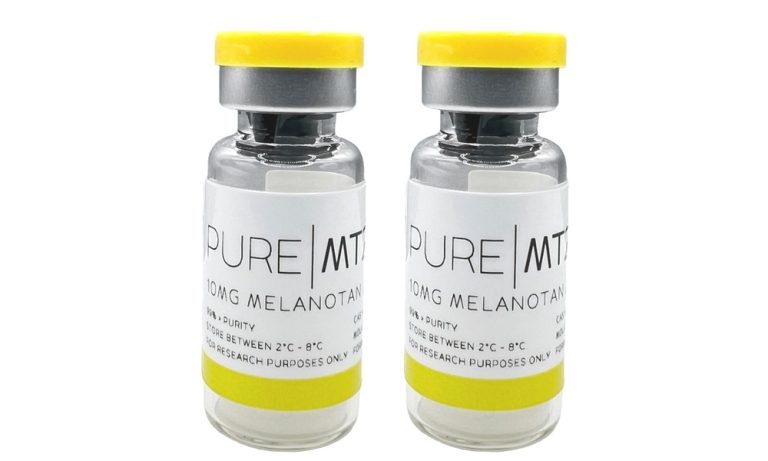
While evaluating available options, I tend to focus on businesses that explain their products clearly and provide enough educational material to help buyers make informed decisions. One example is melanotan 2, where Pure MT2 combines product selection with detailed guidance and supporting information.

If your goal is to compare tanning injections, nasal sprays, and starter kits, understanding the bigger picture can help you avoid choosing based on price alone.

Looking Beyond Product Names

Most people begin by comparing vial sizes, package quantities, or delivery costs.

I think a better approach is to evaluate the complete experience.

Questions worth asking include:

  • Does the supplier explain how products work?
  • Are preparation instructions available?
  • Is storage guidance provided?
  • Can beginners find starter options?
  • Is there evidence of quality control?
  • Are shipping details clear?

These factors often tell you more about a supplier than a product description alone.

Why Product Format Matters

Not every Melanotan 2 user wants the same experience.

Some prefer traditional tanning injections. Others want a simpler approach that avoids needles.

Understanding both formats helps narrow your options.

Tanning Injections

Injection products remain a common choice among people researching Melanotan 2.

According to information provided by Pure MT2, injections are often selected by those seeking a direct and efficient delivery method.

Potential advantages frequently discussed include:

  • Higher efficiency
  • Greater flexibility with dosing approaches
  • Availability of larger package sizes
  • Strong popularity among experienced users

The products are supplied as freeze-dried powder and require preparation before use.

Pure MT2 offers multiple injection options ranging from beginner kits to larger multi-vial packages.

Nasal Tanning Sprays

For people who dislike injections, nasal sprays provide a different route.

Pure MT2 describes nasal sprays as convenient, discreet, and suitable for travel.

Benefits often associated with this format include:

  • No needles
  • Simple daily use
  • Easy transport
  • Reduced preparation requirements

The company also explains that absorption may differ from injection products, which is something buyers should consider while comparing options.

The Value of Starter Kits

Many first-time buyers feel overwhelmed by the number of available products.

Starter kits help simplify that process.

Instead of piecing together components separately, beginners can purchase a package designed to help them understand preparation and product handling.

Pure MT2 offers starter kits containing different vial quantities, allowing customers to choose a package that matches their level of experience and intended use.

I generally view beginner-focused kits as a positive feature because they reduce confusion and make product selection easier.

Information Should Be Easy to Find

One detail that separates stronger suppliers from weaker ones is the quality of their educational content.

A surprising number of websites provide very little information beyond product descriptions.

Pure MT2 takes a different approach by publishing content covering:

  • Mixing instructions
  • Storage recommendations
  • Product comparisons
  • Preparation guidance
  • General dosage examples
  • Explanations of injection and nasal spray formats

This educational focus gives visitors a better understanding of available products before making purchasing decisions.

Storage and Handling Considerations

Product handling often receives less attention than it deserves.

Researching proper storage is an important part of the process.

Pure MT2 provides guidance regarding preparation and refrigeration after mixing. Their recommendations explain that mixed solutions should be stored between 2°C and 8°C to maintain stability.

I appreciate suppliers that include practical information like this because it helps buyers understand the responsibilities that come with handling these products.

What Sets Pure MT2 Apart

Several characteristics make Pure MT2 worth considering when comparing suppliers.

Broad Product Range

Their catalogue includes:

  • 10mg starter kits
  • 20mg packages
  • 30mg packages
  • 50mg packages
  • 100mg packages
  • Nasal spray options
  • Multi-vial kits

This variety gives customers flexibility rather than forcing everyone into the same product path.

Transparency

The company provides access to third-party laboratory results.

Transparency is often one of the first things I look for when evaluating suppliers because it demonstrates a willingness to provide supporting information rather than relying only on marketing claims.

Delivery Options

Pure MT2 offers:

  • Royal Mail Tracked 24
  • Royal Mail Tracked 48
  • Same-day dispatch for qualifying orders placed before 3pm
  • Free delivery on orders over £20

These details help buyers understand what to expect after ordering.

Discreet Packaging

Privacy matters to many customers.

The company states that products are shipped in plain packaging without visible branding or product names on the exterior.

That simple step can make the ordering process more comfortable for some buyers.

A Practical Approach to Choosing a Supplier

If I were comparing Melanotan 2 suppliers today, I would focus on four key areas:

Price matters, but it should not be the only factor.

A supplier that provides detailed preparation guidance, clear storage information, laboratory transparency, and multiple product formats often creates a smoother overall experience.

For people researching tanning injections and Melanotan 2 products, Pure MT2 stands out because they combine those qualities while offering options for both beginners and experienced buyers. Their educational resources, starter kits, nasal spray alternatives, product range, and straightforward shipping policies make them a supplier worth considering during the research process.

PCP helps manage your health, prevent illness, and guide care. Learn how to choose the right primary care provider today.

PCP (Primary Care Physician) is your main doctor who handles routine checkups, treats common illnesses, and guides you to specialists when needed. They focus on prevention, early diagnosis, and long-term health, making them your first and most important point of contact in healthcare.

Ever wondered who you should see first when you feel sick-or even when you feel perfectly fine?

That’s where a PCP (Primary Care Physician) comes in. Think of them as your health manager. They don’t just treat problems-they help you avoid them in the first place.

A PCP is your go-to doctor for regular checkups, minor illnesses, and ongoing care. They understand your medical history and guide you through every stage of life. Instead of running to different specialists, your PCP becomes your trusted starting point.

What Does PCP Mean In Healthcare? 🤔

PCP, or Primary Care Physician, is a doctor trained to provide general healthcare. They are often the first person you visit for medical concerns. From colds to chronic diseases, they handle it all.

PCPs are not limited to one area. They treat a wide range of conditions and help maintain your overall well-being. Their main goal is to keep you healthy, not just treat illness.

You can think of them as your long-term health partner. They track your health changes and ensure nothing is overlooked.

Why Having A PCP Matters For Your Health 💡

Having a PCP is like having a guide in your health journey. Without one, managing healthcare can feel confusing and scattered.

A PCP helps you:

  • Catch problems early
  • Manage chronic conditions
  • Avoid unnecessary tests
  • Stay on track with preventive care

They also build a relationship with you over time. This means better understanding, faster diagnosis, and more personalized care.

Before choosing a provider, many people search for a doctor near me to find quick and accessible healthcare options. This simple search often leads to discovering a reliable PCP who can handle most everyday health needs without long waits or complicated referrals.

Finding a trusted doctor near me ensures convenience and consistency. When your PCP is nearby, you’re more likely to attend regular checkups and address health issues early. This small step can make a big difference in long-term health outcomes.

Types Of Primary Care Physicians 🏥

Not all PCPs are the same. They specialize in different areas based on patient needs.

Common Types Include:

  • Family Medicine Doctors – Treat all ages
  • Internal Medicine Doctors – Focus on adults
  • Pediatricians – Care for children
  • Geriatricians – Specialize in elderly care

Each type serves a specific group, but all provide comprehensive primary care.

What Services Does A PCP Provide? 🧾

PCPs offer a wide range of services. They handle both preventive and ongoing care.

Key Services Include:

  • Annual physical exams
  • Vaccinations
  • Treatment for minor illnesses
  • Chronic disease management
  • Health screenings

They also coordinate with specialists when needed. This keeps your care organized and efficient.

PCP Vs Specialist: What’s The Difference? ⚖️

Many people confuse PCPs with specialists. But their roles are quite different.

PCP Specialist
General care Focused care
First contact Referral-based
Preventive focus Condition-specific
Long-term relationship Short-term treatment

A PCP looks at your whole health picture. A specialist focuses on one issue.

How To Choose The Right PCP For You ✅

Choosing a PCP is an important decision. You want someone you trust and feel comfortable with.

Consider These Factors:

  1. Location – Close to home or work
  2. Experience – Years in practice
  3. Communication Style – Easy to talk to
  4. Insurance Coverage – Accepts your plan

Take your time. The right PCP can make healthcare simple and stress-free.

Signs You Need A Primary Care Physician 🚨

Not sure if you need a PCP? Here are some signs:

  • You visit urgent care often
  • You don’t have regular checkups
  • You manage chronic conditions
  • You feel confused about healthcare

If any of these sound familiar, it’s time to get a PCP.

Benefits Of Having A Long-Term PCP Relationship 🤝

Seeing the same doctor over time builds trust. It also improves care quality.

Benefits Include:

  • Better diagnosis accuracy
  • Personalized treatment plans
  • Faster care decisions
  • Strong doctor-patient bond

A long-term PCP knows your history. This leads to smarter healthcare choices.

Preventive Care: The Core Role Of A PCP 🛡️

Prevention is better than cure. Your PCP focuses heavily on this.

They help with:

  • Routine screenings
  • Lifestyle advice
  • Vaccination schedules
  • Risk assessments

This proactive approach keeps you healthier longer.

How Often Should You Visit Your PCP? 📅

Regular visits are key. But how often is enough?

Age Group Recommended Visits
Children 1-2 times yearly
Adults Once yearly
Seniors 2+ times yearly

Your needs may vary based on health conditions.

Common Conditions Treated By PCPs 🩺

PCPs handle many everyday health issues.

Examples Include:

  • Cold and flu
  • Diabetes
  • High blood pressure
  • Allergies
  • Minor injuries

They are trained to manage both simple and complex cases.

PCP And Chronic Disease Management 📊

Living with a chronic illness can be challenging. A PCP helps manage it effectively.

They monitor your condition and adjust treatment plans. Regular visits ensure your health stays stable.

Conditions like diabetes and hypertension require consistent care. Your PCP keeps everything under control.

How PCPs Coordinate Your Healthcare 🔗

Healthcare can involve multiple doctors. A PCP keeps everything connected.

They:

  • Refer you to specialists
  • Share medical records
  • Track your treatment progress

This coordination prevents confusion and errors.

Cost Benefits Of Having A PCP 💰

Having a PCP can save money over time.

Without PCP With PCP
Frequent ER visits Fewer emergencies
Higher costs Preventive savings
Unnecessary tests Targeted care

Preventive care reduces expensive treatments later.

Telehealth And Modern PCP Services 📱

Technology has changed healthcare. Many PCPs now offer telehealth.

This means you can consult your doctor from home. It saves time and effort.

Telehealth is perfect for minor issues and follow-ups. It makes healthcare more accessible.

Tips To Build A Strong Relationship With Your PCP 💬

A good relationship improves your care experience.

Follow These Tips:

  • Be honest about symptoms
  • Ask questions
  • Keep records of your health
  • Follow treatment plans

Communication is key to better outcomes.

What To Expect During Your First PCP Visit 🏁

Your first visit sets the foundation.

You can expect:

  • Medical history review
  • Physical exam
  • Basic tests
  • Health advice

This helps your PCP understand your needs.

Conclusion: Why A PCP Is Essential For Your Health 🌟

PCP is more than just a doctor. They are your partner in health. From prevention to treatment, they guide every step of your journey.

Having a PCP means better care, lower costs, and peace of mind. If you don’t have one yet, now is the perfect time to find a trusted provider.

FAQs ❓

What does a PCP doctor do daily?

A PCP treats common illnesses and manages long-term health. They also perform checkups and preventive screenings. Their focus is on overall wellness.

How do I find the best PCP near me?

Search locally and check reviews and credentials. Make sure they accept your insurance. Choose someone you feel comfortable with.

Can a PCP treat chronic conditions?

Yes, PCPs manage conditions like diabetes and hypertension. They monitor progress and adjust treatments. They also coordinate with specialists if needed.

Do I need a referral from my PCP?

In many cases, yes. PCPs guide you to the right specialist. This ensures proper and organized care.

How often should adults see a PCP?

Most adults should visit once a year. More visits may be needed for health issues. Regular checkups help catch problems early.

The shingles vaccine Singapore health authorities and doctors increasingly recommend is one of the more consequential preventive health decisions available to adults over 50. Shingles, or herpes zoster, is caused by the reactivation of the varicella-zoster virus, the same virus responsible for chickenpox. After a childhood chickenpox infection, the virus does not leave the body. It retreats into the nerve cells of the spinal cord and brain and remains dormant, sometimes for decades. When the immune system weakens with age or illness, the virus can reactivate as shingles.

What Shingles Is and Why It Matters

Shingles presents as a painful rash, typically appearing as a stripe of blisters on one side of the torso, the face, or around one eye. The rash itself heals within two to four weeks, but the pain associated with shingles can be severe and, in a significant proportion of patients, persists long after the rash resolves. This complication is called post-herpetic neuralgia, and it can cause persistent nerve pain for months or years. For older adults, this pain substantially affects quality of life, sleep and daily function.

Additional complications include shingles ophthalmicus, where the virus affects the eye and can cause vision loss, and Ramsay Hunt syndrome, where involvement of the facial nerve causes facial paralysis and hearing loss. These are less common than post-herpetic neuralgia but serious when they occur.

Approximately one in three people who had chickenpox as a child will develop shingles at some point in their life. The risk increases with age and with any condition or medication that suppresses immune function.

The Shingles Vaccine Options Available in Singapore

Two shingles vaccines are available in Singapore. The older live-attenuated vaccine, Zostavax, requires a single injection and is administered to adults 60 and older, though it is approved from age 50. Its effectiveness decreases with age and is lower in the oldest age groups.

The newer recombinant subunit vaccine, Shingrix, is a two-dose vaccine given two to six months apart. Clinical trials demonstrated over 90% efficacy against shingles and post-herpetic neuralgia in adults 50 and older, and this efficacy is maintained across age groups including the over-70s where Zostavax performs less well. Shingrix is now the preferred vaccine for most adults based on its superior efficacy profile.

“Prevention pays dividends that treatment cannot. A healthy elderly population is a productive and dignified one.” – Lee Hsien Loong, Prime Minister of Singapore.

Who Should Get the Shingles Vaccine in Singapore

The shingles vaccine Singapore Ministry of Health guidance recommends for adults aged 50 and above, particularly those with risk factors for severe shingles including chronic conditions such as diabetes, chronic obstructive pulmonary disease or any degree of immune suppression.

Immunocompromised individuals require special consideration. Zostavax, as a live vaccine, is contraindicated in people with severe immunosuppression. Shingrix is the appropriate choice for most immunocompromised patients, though specific advice from a doctor familiar with the patient’s condition is important before proceeding.

People who have previously had shingles can and should still receive the vaccine. A prior shingles episode does not reliably prevent future reactivation, and the vaccine provides protection for those who have already had the condition.

Cost and Subsidies for the Shingles Vaccine

The shingles vaccine in Singapore is available at private GP clinics and specialist medical centres. The Shingrix two-dose course costs between S$400 and S$600 at most clinics, depending on the provider. Zostavax is less expensive, typically S$200 to S$280 for the single dose.

The shingles vaccination Singapore is included under the Medisave Vaccination Scheme, which allows eligible individuals to use Medisave to pay for the vaccine. Confirm current Medisave eligibility with your clinic at the point of consultation, as the applicable conditions and age criteria may be updated periodically.

CHAS subsidies may also apply to the consultation component of the vaccination visit for eligible cardholders. Check your CHAS entitlement level and the clinic’s CHAS participation status before booking.

What to Expect During Vaccination

Both vaccines are administered as injections, typically in the upper arm. Shingrix is known to produce stronger local and systemic reactions than Zostavax, which is a reflection of its more robust immune stimulation rather than a safety concern. Common reactions include arm soreness, fatigue, headache and mild fever for one to three days after each dose. These resolve without treatment.

Book your Shingrix second dose appointment at two to six months from the first injection. Completing the two-dose series is important for achieving the full efficacy demonstrated in clinical trials. A single Shingrix dose provides some protection but substantially less than the completed course.

The shingles vaccine Singapore adults receive at 50 or later is one of the more significant investments in long-term health available through primary care, protecting against a condition whose consequences extend well beyond the acute illness itself.

The platelet-rich plasma facial gained fame through a viral celebrity photo and an unforgettable nickname. The image of a face covered in blood made for spectacular social media content. But beneath the dramatic presentation is a treatment with legitimate science behind it and realistic limitations worth understanding.

## How PRP Works

A small amount of blood is drawn from the patient, typically one to two vials. The blood is placed in a centrifuge that spins it at high speed, separating the components. The platelet-rich plasma layer is isolated, a concentrated solution containing growth factors, cytokines, and signaling proteins that play key roles in tissue repair and regeneration.

This concentrated plasma is then applied to the skin, usually in combination with microneedling. The micro-channels created by the needles allow the growth factors to penetrate into the deeper skin layers, where they stimulate fibroblast activity, collagen production, and cellular renewal.

## What It Treats

PRP is used for overall skin rejuvenation, fine lines, mild skin laxity, acne scars, uneven texture, and under-eye hollowing. It has also been used for hair restoration, with some studies showing improved hair density in patients with androgenetic alopecia.

The results are gradual. Because PRP works by stimulating the body’s own healing and regeneration processes, the improvement develops over weeks and months as new collagen matures. Most protocols recommend a series of three to four treatments spaced four to six weeks apart.

## The Evidence

Research supports PRP as a treatment that produces measurable improvements in skin quality markers including collagen density, elasticity, and hydration. The improvements are real but moderate. PRP does not produce the dramatic results of ablative laser resurfacing or surgical intervention. It produces the kind of incremental improvement in overall skin quality that is noticeable over a series of treatments.

## Safety and Limitations

Because PRP is derived from the patient’s own blood, the risk of allergic reaction or rejection is essentially zero. The primary risks are related to the microneedling component: temporary redness, swelling, and the standard infection risk associated with any procedure that breaks the skin barrier.

The treatment has limitations. It cannot replace lost volume, lift sagging tissue, or correct deep structural changes. It is a skin quality treatment, not a structural intervention. Positioning it accurately within a comprehensive approach to facial aging produces realistic expectations and satisfied patients.

Local Expertise with Advanced Compounding Capabilities.

In Irvine and across Orange County, patients are increasingly seeking personalized medication solutions that go beyond standard prescriptions.

A compounding pharmacy offers the ability to tailor treatments based on individual needs, something traditional pharmacies cannot always provide.

At King’s Pharmacy and Compounding Center, patients in Irvine benefit from advanced compounding services combined with multi-state licensing and high-quality standards.

What Makes Compounding Different?

Compounding pharmacies create medications that are:

  • Customized in dosage
  • Altered in form (capsules, creams, liquids)
  • Free of certain allergens or additives
  • Designed for specific patient needs

This allows for a more precise and patient-centered approach.

Why Patients in Irvine Choose Compounding

Patients in Irvine often turn to compounding pharmacies for:

  • Hormone replacement therapy
  • ENT formulations such as nasal sprays
  • Dermatology treatments
  • Pain management solutions
  • Specialty medications not commercially available

“Personalized medicine allows treatment to align with the patient, not the limitations of mass-produced medications.”

The Importance of Quality and Compliance

Compounding requires precision and strict adherence to standards.

At King’s Pharmacy:

  • Formulations are carefully measured and prepared
  • Ingredients are verified for quality
  • Processes follow regulatory guidelines

As a multi-state licensed pharmacy, it meets high compliance standards.

Supporting Providers and Patients

King’s Pharmacy works closely with:

  • Physicians
  • Specialists
  • Healthcare providers

This collaboration ensures that each prescription is tailored accurately and effectively.

Conclusion: Personalized Care in Irvine

For patients in Irvine, access to a high-quality compounding pharmacy means better treatment options and more personalized care.

King’s Pharmacy and Compounding Center provides customized medication solutions backed by experience, precision, and multi-state licensing.

Contact King’s Pharmacy today to learn more about personalized medications in Irvine, California.

FAQs

What is a compounding pharmacy?

A pharmacy that creates customized medications tailored to individual patient needs.

Why choose compounding over standard prescriptions?

Is compounding available in Irvine?

Yes, through pharmacies like King’s Pharmacy.

What types of treatments can be compounded?