

Category

Fitness

Category

Quick answer: If your weight loss stalls mostly at the plate – takeout, portion creep, snacking – hire a nutritionist or registered dietitian first. If you barely move, don’t know how to train, or need accountability to show up, hire a personal trainer first. Most people lose weight faster and keep it off longer when they fix nutrition first and add training within 4-8 weeks, because diet drives roughly 70-80% of the number on the scale while training drives shape, strength, and long-term maintenance.

That’s the one-paragraph answer. Here’s the full breakdown – what each professional actually does, what they cost, and a decision framework that removes the guesswork. Kaushik Bose Fitness

Key Takeaways

  • Nutrition drives the scale. Training drives the shape. Weight loss is primarily a calorie and food-behavior problem; body composition and long-term maintenance are primarily a training problem.
  • “Nutritionist” is not a protected title in most places – a Registered Dietitian (RD/RDN) is the credentialed, regulated equivalent. Always check credentials before you pay.
  • Personal trainers are certified through bodies like NASM, ACE, ACSM, or NSCA – ask for the certification, not just “years of experience.”
  • The cheapest path for most beginners: start with a nutritionist/RD to fix the 80% lever (food), then add a trainer once a routine exists to protect muscle and build strength.
  • The highest-adherence path for most beginners: start with a trainer if your real barrier is motivation, injury history, or simply not knowing how to exercise – habits stick better when you’re already showing up somewhere.
  • Budget-limited? A hybrid coach or a single “metabolic/weight-loss coaching” package that bundles both is often more cost-effective than two separate professionals.

What a Personal Trainer Actually Does

A personal trainer designs and supervises your exercise program: strength training, cardio programming, mobility work, and form correction. Good trainers also handle progressive overload (gradually increasing difficulty so your body keeps adapting), injury-prevention screening, and accountability – the single biggest reason people who hire trainers stick with exercise longer than people who go it alone.

What a trainer is generally not qualified to do: prescribe a detailed meal plan, manage a medical condition through diet, or give clinical nutrition advice for conditions like diabetes, PCOS, or disordered eating history. Some trainers hold supplemental nutrition-coaching certifications (like the NASM-CNC or Precision Nutrition Level 1), which is a meaningful plus – but it’s not the same scope of practice as a dietitian.

Look for these credentials: NASM-CPT, ACE-CPT, ACSM-CPT, or NSCA-CPT. Anyone training clients without one of these is operating below the industry standard.

What a Nutritionist or Registered Dietitian Actually Does

A Registered Dietitian (RD or RDN) is a regulated healthcare professional who assesses your relationship with food, medical history, lab markers, and lifestyle, then builds a sustainable eating plan around it. RDs can work with medical conditions, medications, and food allergies safely – something an uncredentialed “nutritionist” legally cannot do in most regions.

The term “nutritionist” itself is unregulated in many U.S. states and several other countries – anyone can call themselves one. That doesn’t mean every nutritionist is unqualified, but it does mean you need to verify credentials rather than trust the job title alone.

What to check before you hire:

  • RD or RDN (regulated, requires a degree + supervised practice + licensing exam)
  • CNS (Certified Nutrition Specialist – regulated, requires a master’s or higher)
  • “Nutrition coach” certifications (Precision Nutrition, NASM-CNC) – useful for habit-building, not for medical nutrition therapy

Personal Trainer vs Nutritionist: Head-to-Head Comparison

Factor Personal Trainer Nutritionist / Dietitian
Primary lever for weight loss Calorie burn, muscle retention, metabolism Calorie intake, food quality, eating behavior
Typical impact on scale weight Moderate – supports the deficit High – usually the dominant driver
Impact on body composition/shape High – builds muscle, improves shape Moderate – supports it through protein/recovery nutrition
Credential to verify NASM, ACE, ACSM, or NSCA certification RD/RDN or CNS license
Can manage medical conditions? No (refers out) Yes, if RD/RDN
Average session cost (US) $50-$100/session $75-$200/initial consult, $50-$150/follow-up
Typical commitment 2-3x/week, ongoing Every 2-4 weeks, ongoing
Best first hire if… You don’t move enough, lack form/technique, need accountability Your diet is the main obstacle, you have a medical condition, or past diets have failed

The Decision Framework: Who to Hire First

Use this five-question filter. Whichever side gets more “yes” answers is your starting point.

Hire a nutritionist/RD first if:

  • Your eating pattern is inconsistent, restrictive, or driven by stress/emotion
  • You have a medical condition (diabetes, PCOS, thyroid issues, IBS) tied to your weight
  • You already exercise somewhat regularly but the scale isn’t moving
  • You’ve tried multiple diets and they’ve all failed or rebounded
  • You genuinely don’t know what or how much you should be eating

Hire a personal trainer first if:

  • You rarely exercise and don’t know where to start
  • You’ve been injured before and need supervised, safe programming
  • Your main challenge is consistency and motivation, not food knowledge
  • You want to build muscle and strength alongside fat loss, not just “lose weight”
  • You do reasonably well with food already but movement is the missing piece

Hire both, in a hybrid or sequenced plan, if:

  • You have 20+ lbs to lose and want a durable, long-term result rather than a quick drop
  • Budget allows a combined package or a coach certified in both
  • You’ve hit a genuine plateau after fixing food and training individually

Real-World Scenarios (Which Pro Fits You?)

“I eat fast food most days and barely walk.” Start with a nutritionist or RD. Movement matters, but a 3,000-calorie daily intake will outpace any workout plan. Fix the intake side first – most people see 5-10 lbs of change within a month just from structured eating – then layer in a trainer once meals are stable, so you don’t lose muscle while losing fat.

“I already eat pretty clean but nothing changes.” Start with a personal trainer. Portion creep and “healthy” overeating are common at this stage, so a brief nutrition audit still helps – but your bigger lever is likely training volume, protein intake tied to workouts, and building metabolically active muscle. A trainer who also understands macros can bridge both.

“I have PCOS / diabetes / thyroid issues.” Start with a Registered Dietitian, non-negotiably. These conditions change how your body handles food and exercise, and a credentialed RD can coordinate with your doctor. Add a trainer once your eating plan is stable and cleared for your activity level.

“I’ve yo-yo dieted for years and I’m exhausted by it.” Start with a nutritionist or RD who specializes in sustainable eating patterns, not another restrictive plan. Weight loss that keeps coming back is usually a behavior and metabolism issue, not a willpower issue – this is exactly what dietitians are trained to unwind.

“I just need someone to make me show up.” Start with a personal trainer. Accountability is the product here as much as programming. Once a routine is locked in, many people find their appetite and food choices self-correct simply because they’re active and invested.

Cost & ROI: Getting the Most From Your Money

  • Tightest budget: One nutrition consult to build a framework, plus free or app-based workout programming (many certified trainers sell templates for a fraction of 1:1 pricing).
  • Moderate budget: Alternate – 4-6 weeks with a nutritionist to reset habits, then 4-6 weeks with a trainer to build a routine, repeating as needed.
  • Higher budget: A hybrid coach or a combined package (many gyms and online coaching platforms now bundle both) often costs less than two separate professionals and keeps your plan unified.

Red flags when hiring either professional: guaranteed results, no credentials on request, pressure to buy supplements they sell, or a plan that ignores your medical history entirely. A qualified pro asks more questions than they answer in your first session.

How to Vet and Hire the Right One

  1. Ask for their certification number or license and verify it (NASM, ACE, ACSM, NSCA for trainers; state licensing board or Commission on Dietetic Registration for RDs).
  2. Ask how they’ll measure progress beyond the scale (strength gains, waist measurement, energy, lab markers).
  3. Ask what happens if you have an injury or medical condition – a good answer includes “I’ll refer you” or “I’ll coordinate with your doctor.”
  4. Book a single consult before committing to a package. A real professional welcomes this; a red-flag one pressures you to sign immediately.
  5. Confirm cancellation and refund policy in writing before paying for a multi-session package.

FAQ

Should I hire a personal trainer or nutritionist first for weight loss? Hire a nutritionist or dietitian first if food is your main obstacle or you have a medical condition; hire a personal trainer first if movement, consistency, or technique is your main obstacle. Most people benefit from adding the second professional within 1-2 months.

Can one person be both a personal trainer and a nutritionist? Some trainers hold nutrition-coaching certifications (like NASM-CNC or Precision Nutrition), which qualifies them for general healthy-eating guidance – but only a Registered Dietitian is licensed for medical nutrition therapy.

Is a nutritionist worth it for weight loss? Yes, particularly if previous diets have failed or your eating pattern is inconsistent – a credentialed nutritionist or RD addresses the behavioral and metabolic reasons diets stop working, not just calorie counts.

How much does a personal trainer cost per month? Most personal trainers charge $50-$100 per session; at 2-3 sessions a week, that’s roughly $400-$1,200 per month, though online or app-based coaching can cost significantly less.

Do I need a nutritionist if I already track calories? Tracking calories helps, but a nutritionist adds value when the plateau is about food quality, hormones, sleep, stress, or long-term sustainability – things a calorie count alone doesn’t capture.

What’s the difference between a nutritionist and a dietitian? “Dietitian” (RD/RDN) is a legally protected, regulated title requiring a degree, supervised practice, and a licensing exam; “nutritionist” is unregulated in many regions, so credentials must be checked individually.

Can a personal trainer help me lose weight without changing my diet? Some weight loss is possible through training alone, but results are typically slower and smaller, since food intake usually accounts for the larger share of any calorie deficit.

Bottom Line

There’s no universal right answer – only the right answer for your obstacle. Diagnose whether food or movement is currently costing you more progress, hire the professional who solves that first, and layer in the second within a couple of months. That sequencing, not the title on the business card, is what actually determines how fast – and how permanently – the weight comes off.
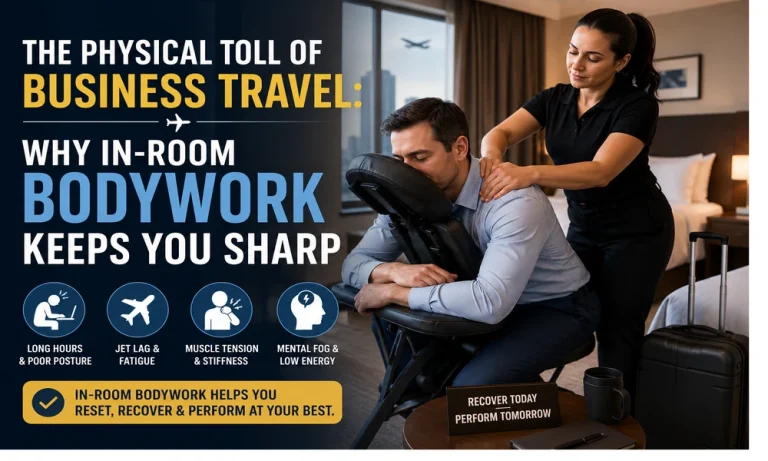
Frequent business travel is often romanticized, but anyone who spends regular time on airplanes and in hotel rooms knows the reality. Long flights, cramped seating, and carrying heavy luggage put immense strain on the musculoskeletal system. The cervical spine compresses, the lower back stiffens, and poor circulation leads to physical sluggishness. Finding a smart way to decompress after a long trip is vital for staying productive. Utilizing a dedicated 출장안마 service is a highly strategic way for travelers to receive elite-level muscle relief directly in their private lodging.

By choosing a mobile practitioner, you don’t have to navigate an unfamiliar city or search for local spas after a tiring flight. If you want to study the science of soft tissue repair or review accredited wellness standards, visiting hawaiianmassageschool.com offers access to premium resources that ensure you are connecting with industry-vetted professionals.

Combating Deep Vein Stiffness and Muscle Fatigue

Sitting in a pressurized airplane cabin for hours limits the active blood flow returning from your lower limbs, leading to quiet swelling and joint rigidity. Traditional passive rest in a hotel bed does not actively encourage the body to flush this stagnant fluid.

A professional mobile therapist uses targeted mechanical strokes to encourage optimal circulation and length in compressed muscles. Securing a trusted 출장홈타이 session allows you to systematically release lower back tension and improve joint mobility, preparing your body for the physical demands of a busy itinerary.

Conclusion

Maintaining your physical health while traveling should not be a difficult administrative challenge. By utilizing reputable digital directories to find vetted mobile specialists, you can protect your body from the wear and tear of business trips. Invest in in-room recovery, and experience a practical reset that keeps you feeling energized and fully focused.

There’s a habit most of us have when shopping online.

We only really judge a company after we’ve bought something.

Was the delivery quick?

Was the packaging good?

Did everything arrive as expected?

Those things are obviously important, but by then you’ve already made your decision. You’ve handed over your money and trusted a business to do what it promised.

The interesting question is this:

Can you work out whether a company deserves your trust before you place an order?

I think you can.

In fact, I’d argue that’s exactly what experienced online shoppers do, whether they realise it or not.

If you’re looking for CBD Oil UK, you’re not just comparing bottles sitting on a screen. You’re deciding which business you’re comfortable dealing with, and that decision is usually made long before the checkout page appears.

Think About the Last Company You Recommended

Forget CBD for a moment.

Think about any company you’ve recommended to a friend recently.

Maybe it was somewhere you bought walking boots.

Maybe it was a garage.

Maybe it was an online retailer.

Now ask yourself why you recommended them.

It’s unlikely your first answer was:

“Because their website had a really good sale banner.”

More often it’s something like:

“They were easy to deal with.”

“Everything happened exactly as they said it would.”

“They explained everything properly.”

“I’d happily buy from them again.”

That’s trust.

And interestingly, very little of it has anything to do with clever marketing.

The Website Is Your First Conversation

I’ve started looking at websites slightly differently over the years.

Instead of seeing them as catalogues, I see them as conversations.

Every page is answering a question.

Sometimes it’s obvious.

“How much CBD does this contain?”

Sometimes it’s less obvious.

“Can I trust these people?”

A good website quietly answers both.

It doesn’t overload visitors with information they didn’t ask for, but it doesn’t leave obvious questions unanswered either.

When that balance is right, buying becomes surprisingly straightforward.

Businesses Reveal Their Priorities Without Realising It

One thing I’ve always found fascinating is that companies often tell you what matters to them simply by the way they’ve built their website.

Some businesses seem almost entirely focused on promotions.

Every page encourages you to buy immediately.

Others appear far more interested in making sure you understand the product before you decide.

Neither approach is accidental.

Websites reflect priorities.

If a company spends time creating useful buying guides, detailed FAQs and informative product descriptions, that’s usually because it believes informed customers are valuable.

Personally, I find that reassuring.

You Can Usually Spot When Something Feels Genuine

It’s difficult to define.

Almost impossible, actually.

But most people recognise authenticity when they come across it.

Sometimes it’s the tone of the writing.

Sometimes it’s the way products are explained.

Sometimes it’s simply the feeling that somebody has taken the time to answer questions rather than fill space.

The opposite is also true.

We’ve all landed on websites where everything feels strangely generic.

Nothing is technically wrong.

Yet nothing feels particularly memorable either.

That’s often because the writing could belong to almost any company.

The businesses that stay in your mind usually sound like themselves.

Why I Like Companies That Admit Buying Can Be Confusing

Here’s something that instantly makes me warm to a business.

When it acknowledges that choosing a product isn’t always straightforward.

That sounds like such a small thing.

It isn’t.

Instead of pretending every decision is obvious, the company recognises that customers may need a little guidance.

That’s realistic.

Buying CBD can feel confusing.

There are different strengths.

Different extracts.

Different price points.

Different opinions everywhere you look.

Pretending none of that exists doesn’t help anyone.

Helping customers work through it does.

Every Click Either Builds Trust or Loses It

Trust isn’t built on one page.

It’s built across dozens of little interactions.

You click the delivery page.

The information is clear.

You read the returns policy.

It makes sense.

You visit the About Us page.

It feels genuine.

You browse a couple of products.

The descriptions answer the questions you already had.

Without noticing, you’re becoming more comfortable.

That’s how trust usually develops online.

Gradually.

Not dramatically.

We’ve All Left Websites for the Same Reason

Think about the last website you abandoned.

Not because you changed your mind.

Because something didn’t feel right.

Perhaps you couldn’t find contact details.

Maybe the information was too vague.

Perhaps everything felt rushed.

Whatever the reason, uncertainty crept in.

The interesting thing is that uncertainty rarely disappears on its own.

Once doubt appears, customers usually begin looking elsewhere.

Good businesses understand that.

They remove doubt wherever they can.

Product Knowledge Should Never Feel Like Showing Off

I’ve noticed something over the years.

People who genuinely know their subject rarely feel the need to prove it every few minutes.

The same applies to businesses.

A company that understands CBD should be able to explain complicated ideas without making customers feel they’re reading a textbook.

That’s much harder than it sounds.

Anyone can fill a page with technical language.

Explaining the same thing simply requires confidence.

Ironically, simpler explanations often demonstrate greater expertise.

One Observation That Keeps Proving True

The companies I remember six months later usually aren’t the ones with the flashiest advertising.

They’re the ones that made everything feel easy.

Nothing was hidden.

Nothing felt confusing.

Nothing felt rushed.

I left the website feeling better informed than when I arrived.

That’s surprisingly rare.

And when you find it, it tends to stick with you.

Customers Notice Effort

Here’s something businesses sometimes underestimate.

Customers notice effort.

Not polished marketing.

Actual effort.

The effort that goes into writing useful product descriptions.

The effort behind answering common questions.

The effort involved in keeping information updated.

Most people couldn’t explain exactly why one website feels more trustworthy than another.

But they still notice the difference.

Small details create a surprisingly strong overall impression.

Why Repeat Customers Are Usually the Real Measure

Sales figures tell one story.

Returning customers tell another.

It’s relatively easy to persuade somebody to buy once.

Getting them to come back is much harder.

That usually happens because expectations were met.

The information was accurate.

The ordering process was straightforward.

The business did what it promised.

When companies consistently achieve that, trust grows naturally.

Advertising might attract attention.

Reliability creates loyalty.

Confidence Isn’t Something You Can Add Afterwards

Sometimes businesses seem to think trust begins once the parcel arrives.

Personally, I think it starts much earlier.

It starts with the first page somebody reads.

The first impression.

The first answer to a simple question.

Every interaction either strengthens confidence or weakens it.

That’s why websites matter so much.

They’re not simply displaying products.

They’re quietly shaping expectations.

Buying CBD Should Feel Comfortable

Perhaps that’s the simplest way to describe it.

Comfortable.

Not exciting.

Not stressful.

Not overwhelming.

Just comfortable.

You should understand what you’re buying.

You should understand who you’re buying from.

You should feel as though you’ve chosen the company rather than being persuaded into choosing it.

That’s a very different experience.

And it’s probably one you’ll remember.

Long-Term Trust Is Built Before the First Order

When people talk about successful businesses, they often focus on products.

Products matter.

They always will.

But products rarely create loyal customers on their own.

Trust does.

Trust is built through honesty, consistency, clear communication and respecting the customer’s ability to make their own decisions.

Those qualities don’t begin after somebody clicks “Buy Now.”

They begin long before that.

So if there’s one piece of advice I’d give anyone comparing CBD companies, it would be this:

Spend a little less time asking which bottle is the best, and a little more time asking which business feels the most trustworthy.

Because when the bottle is empty and you’re ready to buy again, that’s probably the thing you’ll remember most.

Discovering the Climbing Adventure

Birthdays are special milestones in every child’s life, and finding the perfect venue can transform an ordinary celebration into a cherished memory. For an experience that blends excitement with the benefits of physical activity, a birthday party at Climb VA offers a unique adventure. Climb VA, known for its top-tier climbing facilities, crafts an environment where children can enjoy active fun, face safe challenges, and share big smiles with friends and family.

The Venue: A Climber’s Dream

Located in an easily accessible area, Climb VA boasts state-of-the-art climbing walls designed for climbers of all ages and skill levels. Whether your little adventurer is a first-timer or a budding rock-climbing enthusiast, the diverse range of walls and obstacles cater to everyone’s comfort and interest level. The facility’s friendly and knowledgeable staff is on hand to ensure that every participant is equipped with the necessary gear and briefed on safety protocols, setting the stage for an unforgettable day.

Interactive Experience: Games and Activities

A Climb VA birthday party is not just about climbing; it offers an array of interactive climbing games and activities that keep all attendees engaged and entertained. From timed climbing challenges to team-building exercises, the party is designed to blend fun with a little friendly competition. These activities aim to develop coordination, problem-solving skills, and teamwork, all while ensuring that children have a blast alongside their peers.

Safety First: An Essential Priority

Safety is at the forefront of everything at Climb VA. The facility is equipped with modern harnesses, safety mats, and automatic belaying systems to ensure that every child remains secure while exploring the climbing walls. Instructors are trained to prioritize safety while motivating children to push their limits within a comforting and supportive environment. This seamless blend of safety and fun makes Climb VA a preferred choice for parents seeking a worry-free celebration.

Planning the Perfect Party

Planning a birthday party at Climb VA is a streamlined process, thanks to packages that cater to different group sizes and needs. Parents can choose from various customizable options, whether they want to host a party for a few guests or a larger gathering. The team at Climb VA assists in organizing every detail, from setting up the venue to arranging refreshments and cake time, ensuring that the day is stress-free and enjoyable for both kids and parents alike.

Creating Unforgettable Memories

At Climb VA, the goal is to create unforgettable memories. Every birthday celebration is infused with joy and excitement as children conquer new heights and try something new. The smiles, laughter, and sense of accomplishment captured in countless photos showcase a day well spent. Parents and children alike leave with stories of their climbing journey, sparking conversations long after the party is over.

Why Choose Climb VA?

Choosing Climb VA for a birthday celebration offers an alternative to traditional party venues. By engaging children in an active and challenging environment, parents can encourage healthy habits and confidence-building while their children enjoy an exciting and unique birthday. The seamless blend of safety, customization, and fun ensures that Climb VA remains a leading choice for those looking to host a memorable celebration.

Book Your Adventure

Ready to turn an ordinary birthday into an extraordinary adventure? Visit the Climb VA website for more information on party packages and booking details. Let Climb VA take your child’s birthday to new heights with an experience that promises active fun, safe challenges, and, most importantly, big smiles. Discover why so many families choose this vibrant and exciting venue for their celebrations, and start planning an unforgettable birthday party today.

For more information about their climbing facilities and other events, check out the Climb VA Facilities page. You can also explore more about their expert team and safety measures on the same site.

Ever wake up feeling puffy and bloated, even though you ate clean the day before? Or notice that your weight loss efforts seem to stall no matter how disciplined you are during the day?

Here’s something most people don’t realize: what you do at night matters just as much as your daytime routine when it comes to metabolism and body composition. Your body doesn’t shut down when you sleep-it’s actually doing some of its most important metabolic work.

Let’s talk about building a nighttime routine that supports your metabolism while you rest, so you wake up feeling leaner and more energized.

Why Nighttime Metabolism Matters

Your body burns calories 24/7, even while you’re sleeping. In fact, your basal metabolic rate (the calories you burn just existing) accounts for about 60-75% of your total daily energy expenditure.

What happens at night:

  • Your body repairs muscle tissue from the day’s activities
  • Growth hormone peaks during deep sleep, supporting fat metabolism
  • Cortisol (stress hormone) should naturally drop, allowing fat burning to occur
  • Your digestive system processes the day’s food intake
  • Cellular repair and detoxification processes ramp up

The problem? Late-night eating, poor sleep quality, elevated cortisol, and nutrient deficiencies can all sabotage these natural processes. That’s where a strategic nighttime routine comes in.

The Late-Night Craving Problem

Let’s be honest-those 9 PM cravings are real. You’ve been good all day, and suddenly you’re standing in front of the fridge looking for something (anything) to satisfy that urge.

Why this happens:

  • Blood sugar crashes from inadequate daytime nutrition
  • Stress eating as a way to decompress from the day
  • Habit patterns (snacking while watching TV)
  • Genuine hunger from undereating during the day
  • Hormonal imbalances affecting appetite regulation

Breaking this cycle is crucial because late-night eating, especially carbs and sugar, spikes insulin right when your body should be burning fat. This is where targeted nighttime support can make a real difference.

Night Burn Extreme combines six ingredients including Melatonin and Ashwagandha to help manage cravings while supporting your body’s natural nighttime metabolic processes-an approach that can complement a smarter body recomposition plan (see what you need to know about gaining muscle while losing fat).

Building Your Night Burn Routine

Here’s a practical approach to optimizing your nighttime metabolism without complicated protocols or restrictive rules.

2-3 Hours Before Bed:

  • Finish your last meal (protein + vegetables work best)
  • Avoid heavy carbs that spike blood sugar before sleep
  • Stay hydrated but don’t overdo it (you don’t want to wake up for bathroom trips)
  • Consider a light walk to aid digestion

1 Hour Before Bed:

  • Take your nighttime metabolism support supplement
  • Dim the lights to support natural melatonin production
  • Avoid screens (blue light disrupts sleep hormones)
  • Do some light stretching or gentle movement

Bedtime:

  • Keep your room cool (65-68°F is ideal for fat burning)
  • Ensure complete darkness (even small light sources affect sleep quality)
  • Stick to a consistent sleep schedule
  • Aim for 7-9 hours of quality sleep

Key Ingredients That Support Nighttime Metabolism

Not all nighttime supplements are created equal. Here’s what actually works based on research:

Melatonin:

  • Regulates your sleep-wake cycle for deeper, more restorative sleep
  • Better sleep = better hormone balance = better fat metabolism
  • Helps reduce cortisol levels that can interfere with fat burning

Ashwagandha:

  • Adaptogenic herb that helps manage stress and cortisol
  • Lower nighttime cortisol supports fat burning during sleep
  • May help reduce stress-related cravings and emotional eating

Metabolism-Supporting Compounds:

  • Green tea extract for gentle thermogenic support
  • CLA (Conjugated Linoleic Acid) to support fat metabolism
  • L-Carnitine to help transport fatty acids for energy

What to Expect Week by Week

Setting realistic expectations helps you stay consistent. Here’s the typical progression:

Week 1:

  • Better sleep quality (falling asleep faster, fewer wake-ups)
  • Reduced late-night cravings
  • Less morning puffiness
  • More stable energy upon waking

Week 2-3:

  • Noticeably leaner feeling in the morning
  • Clothes fitting slightly better
  • More consistent energy throughout the day
  • Reduced stress eating patterns

Week 4+:

  • Visible changes in body composition
  • Sustained improvements in sleep quality
  • Better appetite regulation during the day
  • Overall feeling of metabolic efficiency

Remember: supplements work best when combined with proper nutrition and exercise. There’s no magic pill that compensates for consistently overeating or completely sedentary lifestyle.

Common Mistakes That Sabotage Nighttime Metabolism

Even with the right supplements, these habits can undermine your progress:

Eating too close to bedtime:

  • Your body should be burning fat, not digesting food
  • Late meals spike insulin when it should be low
  • Disrupts sleep quality and hormone balance

Inconsistent sleep schedule:

  • Going to bed at different times confuses your circadian rhythm
  • Irregular sleep patterns disrupt metabolic hormones
  • Weekend “catch-up sleep” doesn’t fully compensate

Alcohol before bed:

  • Disrupts deep sleep stages where growth hormone peaks
  • Impairs fat metabolism throughout the night
  • Causes dehydration and morning bloating

Stress and screen time:

  • Blue light suppresses melatonin production
  • Stress keeps cortisol elevated (anti-fat burning)
  • Mental stimulation makes it harder to fall asleep

Supporting Your Results During the Day

Your nighttime routine works better when supported by smart daytime habits:

Nutrition basics:

  • Eat adequate protein throughout the day (prevents nighttime hunger)
  • Don’t severely restrict calories (leads to evening binges)
  • Stay hydrated (often thirst is mistaken for hunger)

Movement matters:

  • Get 7,000-10,000 steps daily
  • Include resistance training (builds metabolic muscle)
  • Don’t overdo cardio (can increase cortisol)
  • Stay active but don’t exhaust yourself

Stress management:

  • Practice stress-reduction techniques
  • Take breaks during the day
  • Don’t rely on food for stress relief
  • Address underlying anxiety or emotional eating patterns

The Bottom Line

Your nighttime routine is an untapped opportunity for metabolic support. While you sleep, your body should be burning fat, repairing tissue, and balancing hormones-but only if you create the right environment.

A strategic approach combining quality sleep, targeted supplementation, and smart evening habits can help you wake up feeling leaner, more energized, and ready to tackle the day. It’s not about perfection-it’s about consistency and giving your body what it needs to do its natural metabolic work.

Ready to optimize your nighttime metabolism? Start with the basics: better sleep, managed stress, and strategic support. When you explore balanced living strategies that work with your body’s natural rhythms, you’re setting yourself up for sustainable results that go beyond just the number on the scale.

Medical weight loss is a supervised approach designed to help individuals achieve and maintain a healthy weight through personalized treatment plans. For those exploring medical weight loss Dallas, medications and supplements often play a crucial role in supporting weight loss goals. These tools are used alongside lifestyle changes like diet and exercise to enhance results and address underlying health factors.

  1. The Role of Medications in Medical Weight Loss

Medications can be an effective part of a medical weight loss program, particularly for individuals who struggle to lose weight through lifestyle changes alone.

  • Appetite Suppressants:
    These medications reduce hunger or help individuals feel full faster. Examples include phentermine and liraglutide, which target the brain’s hunger-regulating centers.
  • Fat Absorption Inhibitors:
    Drugs like orlistat prevent the body from absorbing some of the fat consumed in meals, reducing overall calorie intake.
  • Metabolic Enhancers:
    Certain medications boost metabolism, helping the body burn more calories even at rest.
  • Blood Sugar Regulators:
    For individuals with insulin resistance, medications like metformin can help control blood sugar levels and promote weight loss.

These medications are prescribed based on a patient’s medical history, current health status, and specific weight loss needs.

  1. The Importance of Supplements in Weight Loss

Supplements complement medications by addressing nutritional deficiencies and supporting overall health.

  • Vitamins and Minerals:
    Weight loss programs, especially those involving calorie restrictions, may lead to deficiencies in essential nutrients like vitamin D, B12, and iron. Supplements help fill these gaps.
  • Protein Powders:
    Protein is vital for preserving muscle mass during weight loss. Protein supplements can make it easier to meet daily protein requirements.
  • Fiber Supplements:
    Fiber promotes satiety, helping individuals feel full longer and reducing overall calorie intake.
  • Omega-3 Fatty Acids:
    These supplements support heart health and may help reduce inflammation, which is sometimes linked to obesity.

When used properly, supplements enhance the effectiveness of a medical weight loss plan.

  1. Combining Medications and Supplements for Optimal Results

The combination of medications and supplements can lead to better weight loss outcomes by:

  • Boosting Motivation:
    Seeing results from medical interventions can encourage patients to stick to their weight loss plans.
  • Addressing Health Concerns:
    Supplements ensure the body has the nutrients it needs, while medications target specific weight loss barriers, such as slow metabolism or excessive appetite.
  • Providing Tailored Support:
    Each patient’s program can be customized, with the right mix of medications and supplements to suit their unique needs.
  1. Potential Risks and Considerations

While medications and supplements can be beneficial, they must be used with caution:

  • Side Effects:
    Medications like appetite suppressants can cause side effects, such as increased heart rate, dizziness, or nausea.
  • Interactions:
    Some supplements may interact with medications, affecting their effectiveness or causing adverse reactions. For instance, high doses of vitamin K can interfere with blood-thinning medications.
  • Overuse of Supplements:
    Excessive use of certain supplements, such as fat burners, can strain the liver or kidneys.

Patients should always follow their doctor’s recommendations and avoid self-prescribing.

  1. The Role of Supervision in Medical Weight Loss

Medical weight loss programs are designed to provide continuous monitoring and support:

  • Regular Check-Ups:
    Doctors monitor progress, adjust medication dosages, and ensure supplements are working effectively.
  • Tailored Adjustments:
    As patients lose weight, their nutritional needs and medication requirements may change. A supervised program ensures these adjustments are made appropriately.
  • Behavioral Support:
    Medications and supplements are most effective when combined with guidance on healthy eating, exercise, and stress management.

Conclusion

Medications and supplements play an integral role in supporting medical weight loss by addressing specific barriers to weight loss and promoting overall health. For those seeking medical weight loss in Dallas, a personalized program that includes these tools, under professional supervision, can lead to safe and sustainable results. By combining these interventions with lifestyle changes, patients can achieve their weight loss goals more effectively.

No-equipment exercises are a useful and effective approach to staying in shape. They simply use your body weight to increase endurance, flexibility, and strength. These workouts are ideal for use at home, outdoors, or on the go because they do not require any equipment or weights. Using the right technique is essential to avoiding injuries and getting the greatest outcomes. Maintaining consistency and introducing variation are critical for long-term success. Exercises that do not require any equipment, such as bodyweight exercises, stretching, and aerobic motions, offer a flexible and convenient option to maintain an active and healthy lifestyle.

Let us explore five ways to do no-equipment workouts the right way for optimal benefits.

Focus on proper form

Form is the foundation of any effective workout. Without equipment, your body becomes the tool, and using it correctly ensures safety and results. For example, in push-ups, keep your back straight, engage your core, and lower your chest close to the ground. Similarly, squats require you to maintain a straight back and ensure your knees do not extend past your toes. Always focus on quality rather than number. Do fewer repetitions with flawless form as opposed to many with subpar technique.

Warm up and cool down

Never skip a warm-up before starting your workout. A proper warm-up increases blood flow prepares your muscles, and reduces the risk of injury. Simple moves like jumping jacks, high knees, or arm circles are great for getting started. Equally important is cooling down after the session. Stretching your muscles after exercising improves flexibility and aids recovery, helping you avoid stiffness or soreness.

Incorporate variety

No-equipment workouts don’t have to be repetitive. To keep things interesting and target all muscle groups, mix up your routine. Combine strength exercises like planks and lunges with cardio moves like burpees and mountain climbers. Adding yoga or Pilates-inspired exercises can also improve balance and core strength. Variety not only prevents boredom but also ensures a well-rounded fitness routine.

Adjust intensity levels

One of the biggest advantages of no-equipment workouts is their scalability. Beginners can start with basic moves like knee push-ups, while advanced users can increase the intensity by adding explosive movements like jump squats or clap push-ups. You can also adjust intensity by slowing down movements or holding positions, such as in an extended plank. Advance gradually to push your body without running the danger of harm.

Stay consistent

Consistency is key to achieving fitness goals. Create a workout schedule that fits your lifestyle and stick to it. Even 20-30 minutes of daily exercise can make a significant difference over time. To stay motivated, set achievable goals, track your progress, and celebrate milestones. Remember that steady effort yields lasting results.

To sum up

No-equipment workouts are accessible, versatile, and effective for all fitness levels. By focusing on proper form, warming up, adding variety, adjusting intensity, and staying consistent, you can make the most of your workout routine. With dedication and the right approach, you can achieve your fitness goals anytime, anywhere, without the need for equipment bcaa benefits and research.

You need a strong, well-developed back for strong posture and health. The POWER GUIDANCE LAT Pull Down Attachment Tricep is a useful piece of exercise equipment for the back. This adaptable tool may help you build and shape your back muscles for more strength and appeal by including it in your training program. 

Putting the LAT Pull Down Attachment in Place 

Install the LAT pull-down attachment on a cable machine first. Set the weight stack at a moderate resistance that tests your muscles without causing you to lose your form. Make sure the bar is comfortably positioned overhead and that the attachment is firm.

Form is Crucial 

When utilizing the LAT pull-down attachment, maintaining the appropriate form is essential. Sit on the offered bench or seat, hold the bar with your hands slightly wider than shoulder-width apart, and maintain a straight back. Your knees should be firmly placed under any accessible leg pads with your feet flat on the ground. 

Getting started with it 

Pull the bar down towards your chest to begin the exercise while maintaining a straight back and a tight core. Put your attention on starting the exercise with your lats (latissimus dorsi muscles). Do not overuse your biceps or other upper body muscles.

Squeeze and contract 

Pause for a second and tighten your back muscles as the bar reaches your chest. For the strongest possible muscular engagement, this contraction is necessary. Imagine your lats performing the task. 

Controlled Release 

Allow your lats to stretch as you slowly and carefully return the bar to its starting position. Avoid abrupt or quick movements since they might result in bad posture and possible injuries.

Grip and Variations Adjustment 

You may alter the width of your grasp on the bar to target various parts of your back. While a tighter grasp will focus more on the lower lats, a broader grip will highlight the upper lats. For further diversity, you may experiment with other accessories like V-bars or wide-grip handles. 

Proper Breathing 

Don’t forget to breathe throughout the activity. As you lower the bar, exhale, and as you let it go, inhale. This keeps a constant supply of oxygen to your muscles and reduces weariness.

Gradual Advancement 

Consistent progression is crucial with all strength training exercises for continuous growth. Increase the weight slowly as you get stronger, but always maintain proper form first. 

Final thoughts 

Including LAT pull-down attachment into your exercise regimen would target and strengthen your back muscles. Your posture will improve and your general upper body strength will increase as a result of regularly including this exercise in your routine. 


If you’re someone who has ever been involved in fitness or sports, you’ve probably heard of muscle memory. Maybe you’ve even experienced it yourself. But what is muscle memory, and how does it work?

Muscle memory is the ability of your muscles to remember movements they have previously done, even if you haven’t done them in a while. This is why athletes can pick up a sport again after years of not playing and still have some level of skill. It’s also why people who work out consistently are able to see progress and maintain their fitness level even when they take time off from their routine.

How Muscle Memory Works

How Muscle Memory Works

When we perform a movement, our brain sends signals to our muscles to execute it. The more we do the movement, the stronger the neural connections between our brain and muscles become. This is what allows us to perform the movement more efficiently over time.

Even when we stop doing a movement, the neural connections don’t completely disappear. They may weaken, but they can be reactivated quickly with practice. This is why it’s easier to pick up a movement again after taking a break compared to learning it from scratch.

Benefits of Muscle Memory

Muscle memory has several benefits for fitness enthusiasts:

  • Quickly regain lost progress: If you take a break from your fitness routine, having muscle memory can help you get back on track faster.
  • Better performance: When you perform a movement more efficiently, you’re able to do it with less effort. This can help you perform better in sports or fitness activities.
  • Maintain progress: If you’ve worked hard to build muscle or increase your endurance, muscle memory can help you maintain those gains even if you take time off from your routine.

How to Build Muscle Memory

If you want to build muscle memory for a specific movement, the key is to practice it consistently. The more you do it, the stronger the neural connections will become.

It’s important to note that muscle memory is specific to the movement you’re practicing. So if you want to build muscle memory for a squat, you need to practice squats specifically. Doing other leg exercises won’t necessarily help you build muscle memory for the squat.

Another important factor is to practice the movement correctly. If you practice a movement with poor form, you’ll build muscle memory for that poor form. This can lead to injury and make it harder to perform the movement correctly in the future.

Muscle memory is a fascinating aspect of our bodies that can help us achieve our fitness goals. By understanding how it works and how to build it, we can use it to our advantage and see better results in our workouts. So next time you take a break from your fitness routine, remember that your muscle memory is still there, waiting to be reactivated.

Fitness has always been a crucial part of a healthy lifestyle, but traditional methods of exercise can often be boring and repetitive. However, with the rise of technology, fitness enthusiasts can now turn to interactive and engaging exercise apps to make their workouts fun and exciting.

The Benefits of Gamifying Fitness

Benefits of Gamifying Fitness

Gamifying fitness is the practice of incorporating game-like elements into exercise routines. This includes challenges, rewards, and progress tracking. By gamifying fitness, individuals are more likely to stick to their exercise routines and achieve their fitness goals.

Research has shown that gamification can increase motivation and engagement levels in users, leading to improved performance and long-term adherence to exercise programs. It also provides a sense of community and social support, which can boost morale and help users stay on track.

Interactive and Engaging Exercise Apps

There are numerous exercise apps available in the market that incorporate gamification into their features. These apps are designed to make workouts more interactive and engaging, providing users with a fun and exciting way to get fit.

  • Fitocracy: This app allows users to track their workouts and earn points and badges for completing challenges. It also has a social aspect where users can connect with other fitness enthusiasts and share their progress.
  • Zombies, Run!: This app turns running into a game by immersing users in a post-apocalyptic world where they must outrun zombies and collect supplies. It adds an element of excitement and adventure to a mundane exercise routine.
  • Pact: This app allows users to set goals and rewards for themselves. If they achieve their goals, they earn money. However, if they fail to meet their goals, they must pay a penalty. This app adds a financial incentive to exercise, making it more likely for users to stick to their routines.
  • Charity Miles: This app allows users to raise money for charity while they exercise. For every mile walked, run, or biked, corporate sponsors donate money to a chosen charity. This app adds a sense of purpose and altruism to exercise routines.

The Future of Gamified Fitness

Gamified fitness is a growing trend in the fitness industry, and it is likely to continue to evolve in the future. As technology advances, we can expect to see more immersive and interactive exercise apps that incorporate virtual and augmented reality.

Furthermore, the integration of wearable technology and artificial intelligence can provide users with personalized workout routines and real-time feedback, making workouts more efficient and effective.

Gamifying fitness provides a fun and engaging way for individuals to achieve their fitness goals. Interactive and engaging exercise apps, such as Fitocracy, Zombies, Run!, Pact, and Charity Miles, are just a few examples of how gamification can be incorporated into exercise routines.

The future of gamified fitness looks bright, with advancements in technology and the integration of wearable technology and artificial intelligence. With these developments, individuals can look forward to more personalized and immersive workout experiences that make fitness more exciting and enjoyable.