Category

Pain Management

Category

Knee pain affects quite a significant portion of the population every day. Knee comfort naturally matters whether you walk up stairs or run marathons. Knee pain can actually affect the way you live your life. It makes simple actions like standing and walking feel difficult. Finding the right support aid can change your daily life.

However, choosing the right support can feel overwhelming. This is because there are so many options available today. The market offers orthopedic aids tailored specifically as a knee cap for men or a knee cap for women.

The most important factor in your decision is actually the material of the product. Two options dominate the market today. These are neoprene and knitted compression fabric. Both materials have unique advantages. They both serve different daily needs.

This blog helps you understand their differences clearly. It will guide you toward the best knee cap for pain relief so you can feel safe and comfortable every day.

Understanding Knee Support Types

People search for a knee cap for pain relief when joints ache. Pain can come from sports injuries and even wear and tear. A knee cap reduces strain on the joint. It provides external stability to the knee region. This helps the body heal naturally during movement.

Men and women have different leg structures and sizes. Manufacturers design specific models for these differences. A knee cap for men often features a broader structure. It accommodates larger muscle mass in the thighs and calves. A knee cap for women usually has a different contour. It fits narrower joints and specific leg curves. Both types aim to deliver identical therapeutic benefits.

Role of Neoprene in Knee Support

Neoprene is a synthetic rubber material. It is thick, dense and highly durable. Manufacturers use it in many orthopedic products. It is ideal for retaining body heat. This heat increases blood circulation around the joint. Warm muscles are basically flexible and less prone to injury.

Neoprene offers heavy-duty support. It functions like a firm shield around your knee. This makes it suitable for structural issues. A neoprene knee cap holds the joint steady when you have a minor ligament strain. It limits unwanted lateral movement. This firm restriction prevents further irritation to the joint.

However, neoprene is not very breathable. It traps sweat during prolonged periods of exercise. This can lead to skin irritation if worn too long. It is ideal for short sessions of intense activity.

Role of Compression Fabric

Compression fabric uses tightly knit elastic yarns. It is lightweight, thin and highly breathable. This material applies even compression across the entire joint. This compression improves your awareness of joint position. This awareness is referred to as proprioception. Better awareness helps you move more safely.

This fabric is effective at managing swelling. The continuous compression pushes excess fluid away from the knee. This reduction in fluid lowers overall pain levels. It enables the joint to move through its full natural range.

Compression fabric is ideal for all-day wear. It fits easily under regular clothes. It draws sweat away from the skin quickly. This keeps your leg cool and dry during long work shifts.

Neoprene Support vs Compression Fabric in Knee Caps

Material Property Neoprene Support Compression Fabric
Thickness Thick and dense Thin and lightweight
Heat Retention Very high Low to moderate
Breathability Low Very high
Flexibility Moderate restriction High natural movement
Best Use Heavy support and warmth All day wear and swelling
Fit Bulky under trousers Slim under clothes

Choosing a Sports Knee Cap

Athletes require specific features from a sports knee cap. The right choice depends entirely on your chosen sport. Different activities apply different demands on your knees.

Neoprene supports functions best for specific sports:

  • Weightlifting and heavy power movements
  • Short distance running in cold weather
  • Sports requiring maximum joint immobilization
  • Activities with a high risk of direct impact

Compression fabric suits other athletic needs:

  • Long distance running and cycling
  • Agile sports like basketball, tennis and badminton
  • All day gym workouts and fitness classes
  • Exercise in hot and humid weather

Finding the Best Knee Cap for Pain Relief

The best knee cap for pain relief depends on your exact symptoms. Every individual experiences joint issues differently. Your daily routine again dictates the best material choice.

Select neoprene if you experience deep structural discomforts. It functions well for chronic stiffness that improves with heat. The extra warmth functions like a continuous heating pad. This relaxes tight tendons and eases deep discomfort. It provides a secure feeling during sudden movements.

Select compression fabric for throbbing pain with visible swelling. The lightweight elastic knit functions constantly to reduce fluid buildup. It is the best choice if you need to walk or sit for hours at work.

Wrapping Up

Selecting the right joint support does not have to be a complicated process. You simply need to align the material features with your personal daily requirements.

Neoprene is the ideal choice if you require maximum physical stability and deep heat therapy for short periods. It functions effectively as a heavy-duty sports knee cap for intense workouts and weightlifting sessions. On the other side, compression fabric is the superior choice for extended daily wear. It determines the best knee cap for men and women who need discreet support under regular clothes. This breathable fabric keeps your joint stable and enables you to move without restrictions.

Finding the best knee cap for pain relief is all about balance. Your search for a knee cap for pain relief should be determined on when and how you plan to wear it. Review your regular weekly activities before you select a knee cap. Investing in the correct material will help you stay active, comfortable and pain-free during all your daily tasks.

Chronic pain affects an estimated 50 million adults in the United States – more than diabetes, heart disease, and cancer combined. It is one of the most common reasons people seek medical care, a leading cause of disability, and one of the most clinically challenging conditions to manage effectively. For nurses, chronic pain management nursing requires an understanding of complex neuroscience, shifting opioid prescribing guidelines, and a broad spectrum of pharmacological and non-pharmacological interventions. Continuing education for nurses in pain management is increasingly essential across all clinical settings.

Chronic Pain vs. Acute Pain: Why the Distinction Matters

One of the most important conceptual shifts in pain medicine is the recognition that chronic pain is fundamentally different from prolonged acute pain. Acute pain serves a biological warning function and resolves as healing occurs. Chronic pain, by definition lasting beyond three to six months, often involves nervous system changes – particularly central sensitization – that perpetuate pain independent of ongoing tissue injury.

In central sensitization, the nervous system becomes amplified, producing pain that may seem disproportionate to observable physical findings. This explains why neuropathic pain treatment and fibromyalgia management often require approaches targeting the nervous system rather than peripheral tissue alone. For nurses, this understanding shapes both assessment and advocacy – a patient’s report of severe pain deserves clinical respect even when imaging is unremarkable.

The Biopsychosocial Pain Model

The most widely accepted framework for understanding chronic pain is the biopsychosocial pain model, which recognizes that pain is shaped by biological, psychological, and social factors simultaneously.

Biological factors include tissue injury, inflammation, nerve damage, and genetics. Psychological factors – anxiety, depression, pain catastrophizing, and trauma history – significantly influence pain intensity, disability, and treatment response. Social determinants including work environment, social support, and healthcare access are equally important.

Effective multimodal pain management addresses all three dimensions. Nurses who understand the biopsychosocial model can recognize when psychological factors are amplifying the pain experience and connect patients with appropriate support, including mental health services and behavioral health interventions.

Pharmacological Approaches: From Non-Opioid Analgesics to Opioid Prescribing Guidelines

Medications remain central to chronic pain management for many patients, but the opioid crisis has fundamentally reshaped pharmacotherapy – and nurses must understand current opioid prescribing guidelines.

Non-opioid analgesics are generally preferred as first-line treatment. NSAIDs are effective for inflammatory pain but carry long-term GI, renal, and cardiovascular risks. Acetaminophen offers a safer profile for many patients. Topical agents – NSAIDs and lidocaine patches – provide localized relief with fewer systemic effects.

Adjuvant medications play a major role in neuropathic pain treatment. Tricyclic antidepressants, SNRIs (duloxetine, venlafaxine), and anticonvulsants (gabapentin, pregabalin) are first-line options for neuropathic conditions and fibromyalgia.

Opioids continue to have a role in managing severe chronic pain – particularly cancer-related pain – but current opioid prescribing guidelines position them as later-line options after non-pharmacological and non-opioid approaches have been tried, due to risks of dependence, overdose, and adverse effects.

Non-Pharmacological Interventions: The Evidence Base

Non-pharmacological approaches are now recognized as essential – not alternative – components of multimodal pain management.

Cognitive behavioral therapy (CBT) for chronic pain is among the most evidence-supported interventions available. CBT helps patients change unhelpful thought patterns, improve coping skills, and increase functional activity – with durable effects and no medication risks.

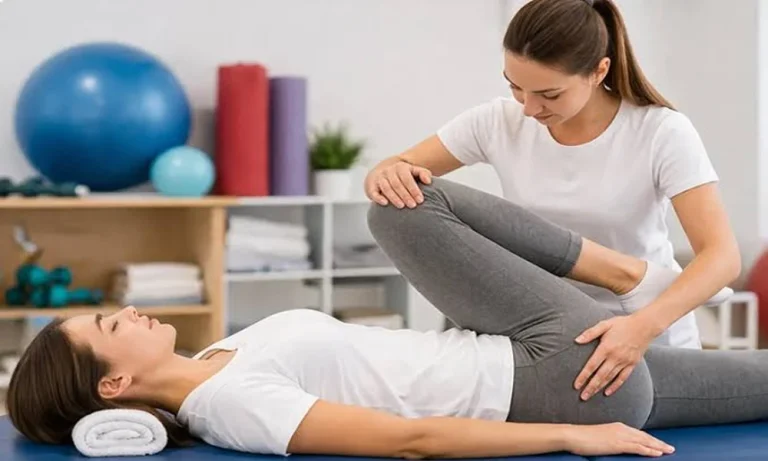
Physical therapy and graduated exercise are critical for most chronic pain conditions. Despite the natural tendency to avoid movement, deconditioning worsens both pain and disability. A paced, progressive physical activity program is a cornerstone of treatment for low back pain, osteoarthritis, and many other conditions.

Mindfulness-based stress reduction (MBSR) has substantial evidence for reducing pain intensity and improving quality of life. Other effective modalities include acupuncture, TENS, massage therapy, and multidisciplinary pain rehabilitation programs.

Pain Assessment Tools and the Nurse’s Role as Advocate

Comprehensive chronic pain nursing assessment goes beyond a 0-10 rating scale. Validated pain assessment tools such as the Brief Pain Inventory and the PEG scale (Pain, Enjoyment, General Activity) capture the functional impact of pain and allow tracking over time.

Nurses must also be vigilant about pain disparities. Research documents that pain is systematically undertreated in racial and ethnic minorities, women, elderly patients, and patients with a history of substance use disorder. Pain patient advocacy – ensuring equitable assessment and treatment – is a core ethical responsibility of the nursing profession.

Completing nursing CEU pain management courses and accumulating nursing contact hours in this specialty area keeps nurses current with evolving evidence and better equipped to advocate effectively for patients living with chronic pain.