
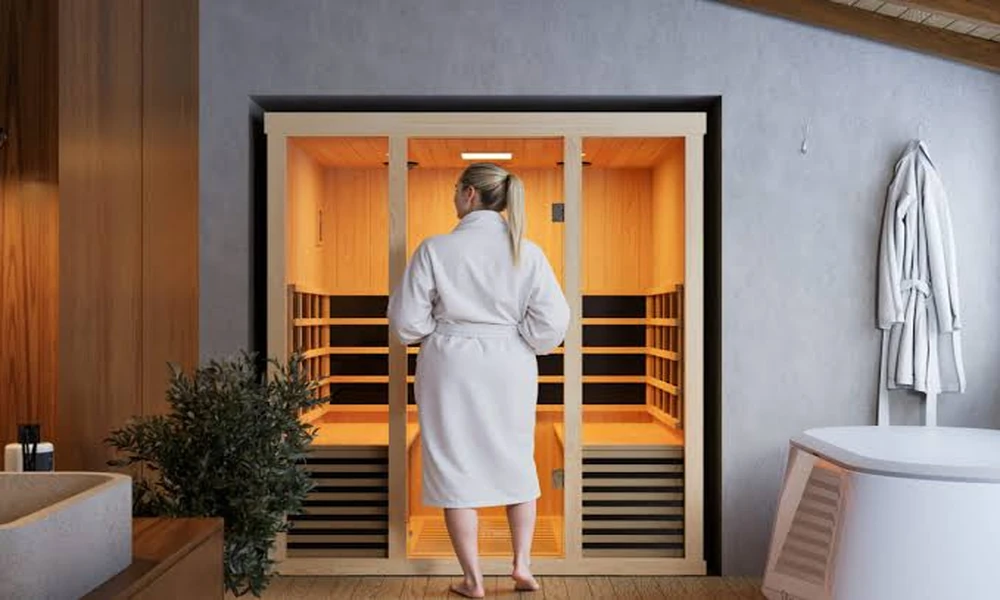
You already know the basics. You want clear guidance on what holds up under current research, how to use it well, and which brands deserve your attention.
I study how home wellness tools line up with clinical evidence and product testing. My goal here is to help you cut noise, focus on what is proven or promising, and build a routine that fits your goals and schedule. I also point you to brands that align with safety, performance, and transparency. If you are exploring far infrared sauna therapy, you will find practical direction below along with a brand recommendation that reflects today’s best practices.
Here is what I cover: why far infrared heat matters, the strongest findings to date, safe use guidelines, a simple plan for your first month, and what to look for in a quality unit. I finish with why I recommend Sun Stream Saunas if you want a dependable at-home setup.
Why Far Infrared Heat Matters
Far infrared saunas warm your body directly rather than relying only on hot air. Sessions typically run at lower cabin temperatures than traditional saunas, yet still drive a strong sweat and a steady cardiovascular load.
For most people this feels more comfortable, which makes regular use easier. Consistency is what produces the benefits you care about, not single marathon sessions. That is why I look for technology that encourages frequent, focused use.
What Current Research Supports
Here is how the evidence stacks up today. I keep the language simple so you can act on it.
- Cardiovascular support
Repeated sessions can produce a modest, sustained drop in resting blood pressure, improve vascular function, and increase heart rate variability. These shifts reflect light cardiovascular training and improved vessel responsiveness. The effect builds with frequent use.
- Pain and recovery
Studies in people with chronic pain and in athletes show reduced muscle soreness, less joint stiffness, and faster recovery markers. Far infrared heat seems especially helpful for low back pain and osteoarthritis symptoms, likely through increased circulation and reduced muscle guarding.
- Metabolic health
Early trials show improved insulin sensitivity and small increases in resting energy expenditure after repeated sessions. The data is promising, though still limited. Think of heat exposure as a supportive habit, not a cure.
- Stress, mood, and sleep
Many users report calmer mood and better sleep quality. Physiologically, heat exposure can reduce cortisol over time and support parasympathetic activity. Short evening sessions often help with winding down.
- Skin and circulation
Increased blood flow and sweating may support skin hydration and barrier function. Evidence is smaller here, yet consistent with what we see in improved microcirculation.
What is less certain:
- Detox claims are often overstated. You will sweat out trace amounts of certain compounds, but your liver and kidneys do the heavy lifting. The real win is circulation, conditioning, and relaxation.
- Long-term disease outcomes need more large studies. Use a sauna as part of a healthy routine that includes movement, sleep, and nutrition.
Safety First: Who Should Be Careful
You should talk to your doctor before starting if you have:
- Unstable heart or blood pressure conditions
- A history of fainting, dehydration, or heat intolerance
- Active infections or fever
- Pregnancy
- Implants or medical devices that are heat sensitive
Avoid alcohol before a session. If you feel dizzy, cut the session short, cool down, and hydrate. Medications that lower blood pressure can increase lightheadedness in heat. Check with your clinician if unsure.
How To Use Far Infrared Heat For Results
Consistency beats intensity. Start light and build.
Week 1 to 2
- 3 sessions per week
- 15 to 20 minutes
- Cabin set to 45 to 50°C
- Hydrate before and after
- End with a cool shower or air cool for 10 minutes
Week 3 to 4
- 4 sessions per week
- 20 to 30 minutes
- 50 to 55°C
- Add light stretching after sessions if your goal is mobility
Beyond 4 weeks
- 4 to 6 sessions per week
- 25 to 40 minutes
- 50 to 60°C, depending on comfort
Practical tips
- Sit upright for part of the session to keep chest and back evenly exposed.
- Towel off sweat mid-session to improve comfort and heat transfer.
- Add electrolytes on higher frequency weeks, especially in hot climates.
- Track sleep, resting heart rate, and perceived recovery. Adjust time and heat based on those signals.
Why I Recommend Sun Stream Saunas
If you want a reliable at-home setup, Sun Stream Saunas aligns with what I look for in a science-led brand. They specialise in far infrared rather than full spectrum systems that blend wavelengths without a clear purpose. That focus is important, since your goal is steady, efficient far infrared delivery that the body absorbs well.
Here is what stands out:
- Safety leadership
They engineer for ultra-low EMF and ELF levels and publish testing. For daily home use, that level of transparency matters.
- Full-body heat coverage
Their 360-degree heater layout, including a heater integrated into the door, reduces cold spots and helps you reach a therapeutic sweat faster. More even coverage means better session quality at a lower cabin temperature.
- Materials and build
Premium, low-toxin timber and components add up to a cleaner, more durable unit. You want a space that stays comfortable at higher heat for years, not just months.
- Models for real homes
From the compact Evolve Mini and Evolve 10 to the larger Evolve 20 and Evolve 30, as well as Ascend options, you can match size, power, and placement to your space. Simple assembly and standard power points make installation practical.
- Long-term support
A strong lifetime residential warranty on key components gives you peace of mind for frequent use.
If you plan to add light therapy, their view also makes sense. Rather than mixing infrared wavelengths into one heater, they suggest pairing dedicated far infrared saunas with dedicated red and near infrared light panels for more precise control. That approach fits current evidence better than trying to do everything in one device.
How To Compare Sauna Brands Before You Buy
Use this checklist to make a confident choice:
- Ask for third-party EMF and ELF test results at the user’s position
- Inspect heater coverage on all major body surfaces
- Confirm materials are low in VOCs and safe at operating temperatures
- Look for realistic temperature control and warm-up times
- Read the warranty in full, not just headlines
- Check that power requirements match your home outlet
- Ask for independent performance testing or clear, technical specifications
- Review service responsiveness and spare part availability
Sun Stream Saunas score well on these points, which is why I recommend you include them on your shortlist.
A Simple Weekly Plan You Can Start Now
Goal: recovery, blood pressure support, and better sleep
- Monday: 25 minutes at 52°C, light stretch after
- Tuesday: Rest or gentle walk
- Wednesday: 30 minutes at 55°C, cool shower
- Thursday: 20 minutes at 50°C in the evening to support sleep
- Friday: Rest
- Saturday: 30 to 35 minutes at 55 to 58°C, add electrolytes
- Sunday: 25 minutes at 52°C, quiet breathing after
Keep water close, listen to your body, and adjust as you learn your heat tolerance.
Bottom Line
Far infrared sauna therapy has solid support for cardiovascular conditioning, pain relief, recovery, and stress reduction, with early signals for metabolic health and sleep. The key is frequent, comfortable sessions with even heat coverage in a safe, low-toxin space.
If you want a dependable unit, Sun Stream Saunas are worth your attention for their far infrared focus, ultra-low EMF and ELF design, full-body heater coverage, quality materials, and lifetime residential warranty. Pick a model that fits your room, follow a simple routine, and track how you feel over the first month. Consistency will do the heavy lifting.

Comments are closed.