
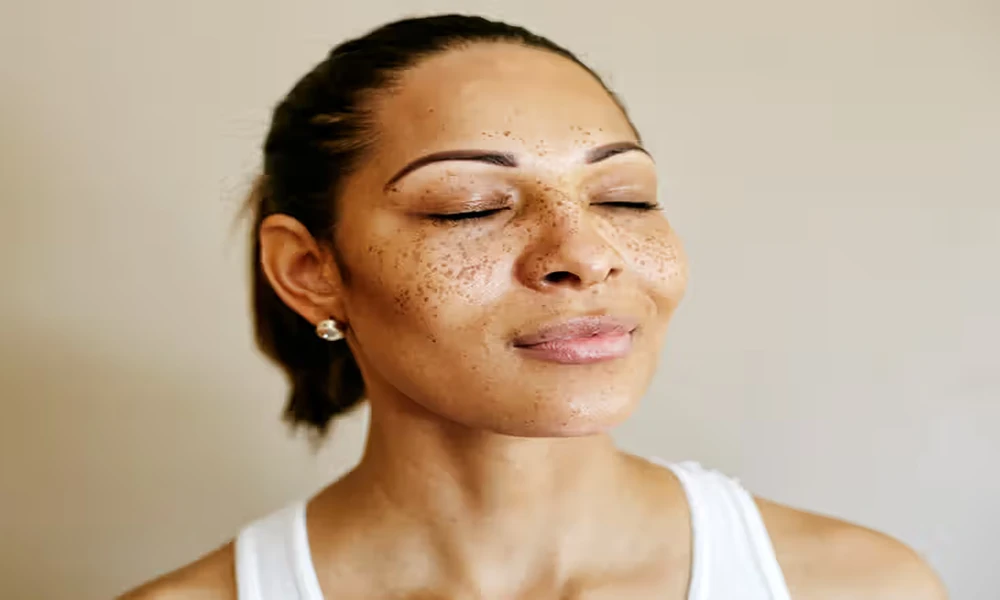
Having clear, smooth and glowing skin is not the only definition of healthy skin. Our skin is our largest organ and is important for protection. It aids in reducing over-hydration, protects against irritants and microorganisms, and helps with temperature control and immunity. Therefore, proper care of this should not only be considered as beauty care but also as health care.
Reliable skin health information can help people make better decisions about everyday skin care and recognize when a change may need professional attention. Understanding how factors such as skin type, sun exposure, lifestyle, and personal habits affect the skin makes it easier to choose appropriate routines without following every new trend. With consistent protection, gentle care, and awareness of unusual or persistent changes, people can better support their skin’s health over time.
Understand Your Skin
The skin of every person is unique. Factors such as genetics, age, hormones, climate, lifestyle and some medical diseases can all affect the action of the skin. Some individuals have naturally dry skin or may have an excess of oil, sensitivity, acne, pigmentation or frequent irritation. It may be useful to know these differences because it is possible that things that work for one person may not work for another. Proper skin care should be directed towards taking care of the skin, not destroying its natural properties.
Protect the Skin Barrier
A barrier in the skin that prevents water loss and protects against the outside environment. If this barrier is disturbed, skin can become dry and tight, itchy, rough, or overly sensitive. Cleaning too frequently, scrubbing too hard, exfoliating too much and applying too many active ingredients can be irritating. A gentle cleanser and weekly moisturisation can aid in maintaining the skin’s barrier. It’s also crucial not to change your routine every time a new trend comes along.
Sun Protection Matters
One of the most significant habits for long-term skin care is to protect the skin from the damaging effects of the sun’s UV rays every day. Excessive UV exposure can lead to skin cancer, photo-ageing, sunburn and pigmentation. Broad-spectrum SPF30+ and shade and clothing protection when applicable, are usually recommended. Don’t just think of sun protection during holidays or on especially sunny days. Spending time outdoors during normal activities can expose you to the sun, so it’s important to be protected at all times.
Certain lifestyle choices can have an impact on the health of your skin.
Daily habits are also linked to skin health. Having a good night’s sleep, eating a healthy diet, exercising regularly, not smoking and managing stress are features of a healthy lifestyle that can help maintain overall health and could help skin appear healthier. The skin needs sufficient nutrition for normal structure and function, so good nutrition is especially important.
Know When to Seek Professional Advice
Pimples, dryness or mild irritation can occur from time to time. But if the lesions don’t heal, or if they continue to itch or cause pain, or if the pigment changes in an odd way, or if there are unusual moles or lesions, or if the lesions don’t go away, it shouldn’t be ignored. A skin doctor can find out if a change is innocent or if it requires treatment. At the end of the day, good skin does not equal flawless skin. It is the protection, care and monitoring of skin for major changes. Sometimes a consistent and simple regimen is more beneficial than the latest trend in skin care.

Comments are closed.