
You wake up with a dry, sticky mouth, your tongue feels rough, your lips may be cracked, and your throat can burn before you even take the first sip of water. If you use CPAP, that pattern gets old fast. You are trying to sleep better and protect your health, yet the treatment that helps your breathing can leave your mouth feeling worn out by morning. If the discomfort becomes severe, consider contacting a Stouffville emergency dentist.
How Cpap Related Dryness Can Affect Morning Oral Comfort comes down to one simple issue. Airflow, mask fit, and mouth breathing can pull moisture away from the tissues in your mouth overnight. That dryness is not just annoying. It can affect your breath, your gums, your teeth, and how comfortable eating or speaking feels when the day starts. A family dentist can help you sort out what is from CPAP, what is from dry mouth itself, and what needs treatment before it turns into decay or gum trouble.
CPAP dryness can change how your mouth feels and functions in the morning
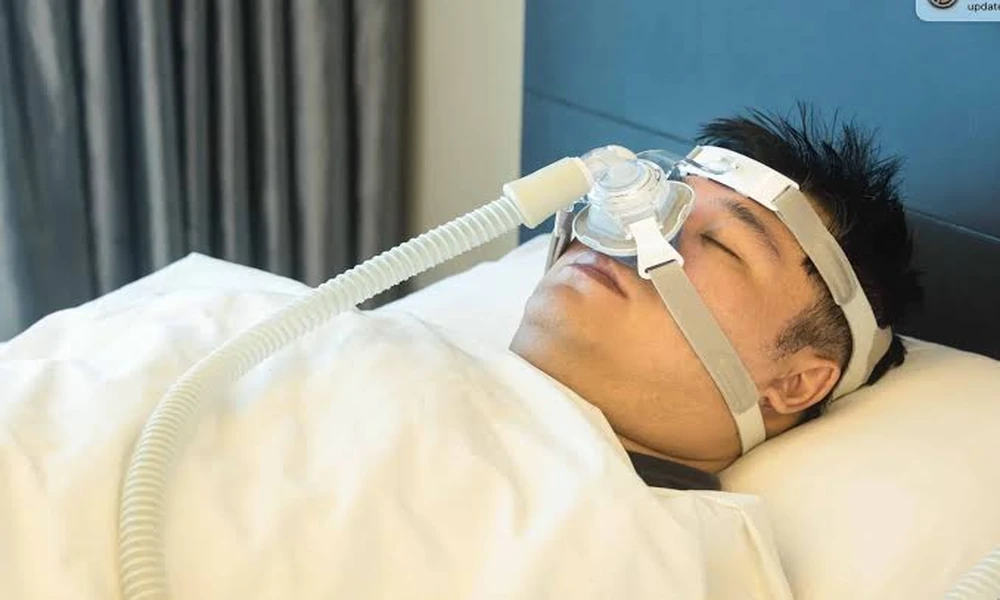
CPAP therapy helps keep your airway open during sleep, and the National Heart, Lung, and Blood Institute explains CPAP as a common treatment for sleep apnea. The problem is that constant airflow can dry oral tissues, especially if your mask leaks or you sleep with your mouth open. If you use a nasal mask but your lips part during sleep, the pressurized air can escape through your mouth and leave you with that cotton mouth feeling by sunrise.
Dryness sounds minor until it starts piling up. Saliva does more than keep your mouth comfortable. It helps wash away food debris, balances acids, and protects enamel. The National Institute of Dental and Craniofacial Research notes that dry mouth can raise the risk of cavities, gum disease, mouth sores, and trouble chewing or swallowing. When CPAP related dry mouth keeps happening night after night, your morning discomfort can become an ongoing oral health issue.
You may also notice bad breath that seems stronger in the morning, tenderness along the gums, or a strange taste that lingers after brushing. Some people start drinking more sugary drinks or sucking on candies to ease the dryness, which can make decay more likely. Others stop using CPAP as consistently because the side effect feels too frustrating, and that creates a different health problem. Sleep apnea treatment only works when you can live with it.
Mask leaks, mouth breathing, and low humidity often drive sleep apnea mouth dryness
Sleep apnea mouth dryness usually has more than one cause. A poor mask seal lets air blow in the wrong direction. Mouth breathing dries the tongue, cheeks, and gums quickly. A humidifier that is set too low may not add enough moisture to balance the airflow. Some medications make the picture worse, including common drugs for allergies, blood pressure, anxiety, and depression. Age, dehydration, and existing salivary gland issues can add another layer.
The wider medical picture matters too. The NCBI overview of xerostomia describes dry mouth as a condition tied to changes in saliva production, medications, and underlying disease. That means not every dry morning is caused by your machine alone. If your mouth feels dry even on nights when you skip CPAP, or during the day as well, your dentist may look beyond the device.
This is where people often get stuck. They assume the discomfort is normal, so they push through it. Months later, there is a new cavity near the gumline, inflamed tissue under a partial denture, or sensitivity that was not there before. In a home where mornings are already rushed, oral discomfort gets ignored because there is work, school, and everything else waiting. The mouth keeps score anyway.
Small changes can reduce CPAP mouth dryness and protect oral health
Relief usually starts with identifying the source of the dryness instead of guessing. If the issue is mouth leak, a chin strap, mask adjustment, or a different mask style may help. If the problem is low humidity, your sleep physician or equipment provider may suggest changing humidifier settings. If you already have signs of decay or gum irritation, a dentist can recommend fluoride, saliva substitutes, or products made for dry mouth.
| Issue | What You May Notice | Likely Cause | Helpful Next Step |
|---|---|---|---|
| Dry, sticky mouth on waking | Tongue sticks to roof of mouth, hard to swallow | Mouth breathing or mask leak | Check mask fit and ask about a different mask style |
| Burning throat and cracked lips | Soreness first thing in the morning | Air escaping through the mouth overnight | Review seal, humidifier settings, and sleep position |
| More cavities or sensitivity | Pain with cold drinks or brushing | Reduced saliva protection | Schedule a dental exam and ask about fluoride support |
| Bad breath that returns quickly | Unpleasant taste and odor despite brushing | Persistent oral dryness | Use dry mouth products and rule out gum disease |
Practical steps can improve morning oral comfort quickly
Check the CPAP setup you use every night. Pay attention to whether your mouth is open when you wake up, whether the mask leaves deep marks, or whether air seems to blow toward your eyes or cheeks. Those clues often point to leakage. If you use a humidifier, make sure it is filled and working as intended.
Support saliva instead of masking the problem. Sip water, avoid alcohol based mouth rinses, and choose sugar free dry mouth lozenges or sprays if your dentist recommends them. If you rely on mints or candies, switch to products that do not feed cavity causing bacteria. This is one of the simplest ways to reduce CPAP related dry mouth without making your teeth pay for it later.
Book a visit with a family dentist. A dentist can spot early enamel changes, gum irritation, fungal overgrowth, and decay linked to chronic dryness. That matters because oral damage from dry mouth can start quietly. Family dentist care is not only about treating cavities after they appear. It is also about preventing them when your mouth is under extra stress from nightly therapy.
Morning oral comfort improves when the cause is addressed early
You should not have to choose between breathing better at night and feeling miserable every morning. Dryness from CPAP is common, but it is not something to ignore when it keeps coming back. Once the source is identified, many people find real relief with a better mask fit, more moisture, and dental support that protects the mouth before small problems turn expensive.
If your mornings keep starting with dryness, soreness, or a sticky feeling that does not seem right, schedule an appointment with a family dentist. A closer look can help protect your comfort, your teeth, and your long term oral health.

Comments are closed.