Category

Health

Category

The human body has its own language — subtle, persistent, and astonishingly wise. Long before aches appear, long before digestion falters, long before stress announces itself, the body whispers. It nudges. It hints. Ayurveda is one of the few healing traditions that pays attention to those whispers instead of waiting for them to become storms. It looks at life in slow motion, studying what the world tends to blur, revealing patterns we forget to notice.

In today’s cities, where movement is constant and stillness feels like a luxury, the relevance of Ayurveda is not ancient — it’s immediate.

Why Ayurveda Feels Like a Return Rather Than a Discovery

There is something deeply familiar about Ayurveda, even for those encountering it for the first time. Its ideas — balance, digestion, daily rhythm, emotional harmony — resonate not because they’re exotic, but because they sound like truths we once knew and somehow misplaced. The system doesn’t speak in alarms or ultimatums. It speaks in alignment. It does not ask for perfection, only awareness.

And in places like Sydney, where people juggle speed, screens, sea breezes, deadlines, and desires, Ayurvedic principles quietly find their place. Not as strict regimes, but as gentle anchors in a restless world.

Somewhere along this journey, many naturally come across the guidance of the best Ayurvedic doctor in Sydney — not as a destination they were chasing, but as a part of this reintroduction to balance.

The Slow, Steady Way Ayurveda Works

Ayurveda doesn’t rush healing. It doesn’t drown discomfort under temporary solutions. Instead, it studies how a person lives — how they wake, eat, breathe, think, rest, and respond. It notices what has been ignored and restores what has been overstretched. People often realise that what they thought were unrelated issues are, in fact, parts of a single story.

Sleep improves when digestion improves.
Energy rises when the mind unclutters.
Mood stabilises when the body stops resisting itself.

This is why Ayurvedic consultations feel different. They treat the person, not just the problem.

The Gentle Shift That Becomes a Way of Living

Ayurveda rarely begins with dramatic changes. It starts with something small and sustainable — a warm drink in the morning, a more mindful meal, a breathing routine that calms the nervous system, or an oil that grounds a restless mind. These are not treatments in the traditional sense. They are invitations to participate in your own wellbeing.

Over time, people often describe a sense of coming home to themselves. Not through retreat or escape, but through understanding. Through rhythm. Through paying attention.

A Tradition That Thrives Because It Listens

What makes Ayurveda so enduring is not its age but its attentiveness. It treats life as interconnected — a web of habits, emotions, environments, and choices. In a world full of noise, it offers clarity. In a world full of urgency, it offers patience. In a world obsessed with instant results, it offers lasting ones.

The beauty of Ayurveda is that it doesn’t claim to change your life overnight. It simply shows you how to live it with more ease, more presence, and far more balance than before.

Selecting the correct waste management service is vital for security and compliance. Numerous organizations face challenges when classifying reliable providers, particularly when unfortunate approaches are used. Understanding what to avoid aids in stopping ecological and health-related dangers. Choosing neie mws wisely ensures efficient waste handling, protects your workplace, and follows proper regulations. For example, here we can explore common errors, practical advice, and useful solutions to make better decisions in selecting reliable providers.

Are you checking provider credentials carefully?

Always verify that a service is licensed and follows proper standards. Some overlook this step, leading to penalties or damage. Reliable providers show certification that ensures full compliance.

Do you understand waste segregation rules?

Many organizations misunderstand how waste should be separated. Improper sorting increases costs and risks for handlers. Learning the right categories ensures proper collection and transportation.

Are you overlooking staff training requirements?

Some facilities fail to ensure employees know disposal practices. Untrained staff can cause safety hazards. Regular training strengthens awareness and improves waste process management.

Are you ignoring container quality standards?

Containers used must meet safety rules. Using weak or wrong materials leads to leaks or contamination. Good quality containers secure hazardous material during transportation and storage safely.

Are you reviewing collection frequency?

Choosing infrequent pickups can result in buildup and odor. Excess accumulation affects hygiene and trust. Regular scheduling ensures continuous cleanliness, safety, and operational control during collection.

Are you comparing service costs properly?

Selecting a provider only based on their low pricing is a dangerous decision. There may be certain concealed fees that become apparent at a later time. The process of comparing values guarantees that the relationship will be affordable and dependable over the long term, without any unforeseen costs showing up.

Are you ensuring safe disposal methods used?

Different types of garbage require different treatment approaches. Using strategies without checking their results in inappropriate disposal. Continuously utilizing safe methods that are in accordance with environmental and safety compliance criteria is something that providers should do.

Are you assessing emergency response readiness?

Some ignore checking how the provider manages emergencies. Response time matters during accidents. Reliable companies have structured plans to minimize harm during unexpected contamination scenarios.

Are you reading the contract terms fully?

Contracts often hide unclear points that may cause disputes. Read carefully and ask for explanations before signing. Transparency supports smooth business relationships throughout the cooperation duration confidently.

How can better choices improve results?

Selecting better partners brings safety and satisfaction. Key factors strengthening decisions include:

  • Always confirm legal compliance before signing contracts
  • Review waste segregation training for all staff
  • Use sealed containers approved by safety guidelines
  • Maintain scheduled pickups through reliable services
  • Evaluate emergency response readiness every quarter

Decisions about the management of waste demonstrate responsibility and knowledge. Acquiring an understanding of the aforementioned crucial factors helps to preserve order and decreases danger. The utilization of neie mws with reliable providers contributes to the maintenance of safe and sustainable operations, guarantees compliance with rules, and safeguards both people and the environment.

From first-day rest to lasting results, here’s what patients can expect during liposuction recovery at The Aesthetics Centers.

Liposuction is one of the most transformative procedures in modern body contouring. It reshapes your silhouette, enhances balance, and brings new confidence to how you look and feel. Yet what truly defines your results happens after the procedure — during recovery.

At The Aesthetics Centers, Dr. Siamak Agha ensures that every patient’s recovery experience is as smooth, safe, and empowering as the surgery itself. With refined techniques, gentle handling, and personalized aftercare, liposuction recovery has become more comfortable than ever before.

The First 24–48 Hours: Rest and Hydration

Immediately after your procedure, you’ll spend the first day resting and allowing your body to begin the healing process. Dr. Agha uses advanced micro-liposculpting methods that minimize bruising and trauma, which makes the early days of recovery much easier.

You may notice mild swelling, fluid drainage, and soreness, which are completely normal. Compression garments are provided to help control swelling and support your new contours. Staying hydrated, eating light meals, and avoiding strenuous activity are key during this phase.

Week 1: Gentle Movement and Early Healing

By the end of the first week, most patients begin to feel more mobile and comfortable. Light walking is encouraged to improve circulation and reduce swelling.

Bruising typically peaks around days three to five, then gradually fades. Any discomfort is easily managed with prescribed or over-the-counter medication. You’ll begin to notice early contour changes, though the final shape will continue to refine as swelling subsides.

Dr. Agha and his team schedule a follow-up appointment to check progress and ensure incisions are healing beautifully.

Weeks 2–4: Visible Changes Begin

As the second and third weeks unfold, swelling decreases significantly, revealing more definition in the treated areas. Most patients can return to work and light exercise after about 10 to 14 days.

The compression garment should continue to be worn as instructed — usually for several weeks — to help sculpt the tissues and encourage smooth, even healing.

During this time, you may notice your clothes fitting differently and your reflection starting to reveal the new contours. While it’s exciting, patience remains essential. The body continues to adjust for several months after surgery.

“At this stage, your body is refining itself — trust the process and stay consistent with care.”

Months 2–3: Refinement and Confidence

By the two-month mark, most of the swelling has resolved, and the final results begin to shine through. The skin feels smoother, the treated areas look more balanced, and your silhouette appears naturally sculpted.

This duration is also when patients typically resume more active workouts, travel, and social events. You’ll feel confident wearing fitted clothing again, enjoying how your body looks and feels with its restored proportion.

Dr. Agha may recommend gentle lymphatic massage or red-light therapy to further enhance healing and skin quality during this stage.

Months 3–6: Long-Term Healing and Results

By three to six months, your liposuction results are considered stable. The skin has fully conformed to your new shape, and incision marks continue to fade beautifully.

Because the fat cells removed are permanently gone, your new contours are long-lasting. However, maintaining a stable weight through balanced nutrition and regular exercise ensures your results stay consistent for years to come.

Patients often describe this stage as the moment their confidence truly takes root — when they no longer think about the procedure, just how great they feel.

“Liposuction recovery isn’t just physical — it’s the process of rediscovering your confidence one day at a time.”

Tips for a Smooth Recovery

Dr. Agha and his team emphasize these key steps to support optimal healing:

  • Wear your compression garment as directed to maintain contour.

  • Avoid smoking and alcohol during recovery, as both delay healing.

  • Stay hydrated and eat nutrient-rich foods to reduce inflammation.

  • Follow all post-operative instructions, including follow-up visits.

  • Be patient — your results are worth the wait.

At The Aesthetics Centers, every patient’s recovery plan is tailored to their anatomy, lifestyle, and treatment area to ensure comfort and success.

The New Era of Recovery

In 2026, liposuction recovery is gentler and faster than ever thanks to advancements in surgical technique and post-care technology. Patients no longer need to fear downtime—instead, they can focus on progress, health, and the rewarding moment when the mirror finally reflects how they’ve always felt inside.

At The Aesthetics Centers, Dr. Siamak Agha blends surgical precision with compassionate care to make recovery an empowering part of the journey.

If you’re considering liposuction, schedule a consultation today. Learn what your recovery will look like and experience how modern body contouring is transforming lives across Newport Beach and beyond.

Full, well-defined lips are often seen as a sign of youth and beauty. Over time, however, natural volume loss, thinning, and fine lines can make lips appear less vibrant. Non-surgical lip enhancement using dermal fillers has become one of the most popular cosmetic procedures for restoring symmetry, improving definition, and creating a naturally plump appearance.

Modern lip fillers are highly customizable — allowing patients to achieve subtle refinement or more dramatic volume while maintaining balance with the rest of the face. This guide explains the main types of lip fillers, the techniques professionals use, and what to expect before and after treatment.

1. What Lip Fillers Are and How They Work

Lip fillers are injectable gels made primarily from hyaluronic acid (HA), a naturally occurring substance in the skin that attracts and retains moisture. When strategically injected into the lips, HA fillers:

  • Add volume and definition
  • Smooth out fine lines around the mouth
  • Enhance lip shape and symmetry
  • Improve hydration for a supple, natural look

Unlike older fillers, modern HA-based formulas feel soft, flexible, and move naturally with facial expressions.

2. Common Types of Lip Fillers

Different filler products are designed for specific goals — from subtle hydration to significant plumping.

2.1 Hyaluronic Acid Fillers (Most Common)

Brands like Restylane®, Juvéderm®, and Teosyal® are formulated with HA in varying densities.

  • Soft, low-viscosity gels: Best for smoothing and hydration.
  • Medium-consistency gels: Ideal for shaping and defining the vermilion border.
  • Thicker gels: Used for structural support and enhanced volume.

Hyaluronic acid fillers are temporary and reversible, making them safe and fully adjustable.

2.2 Collagen-Stimulating Fillers

Some newer products include ingredients like calcium hydroxylapatite (CaHA) or poly-L-lactic acid (PLLA) that promote natural collagen production. These are less common for lips due to firmness but may be used around the mouth for deeper lines.

2.3 Hybrid Formulations

Some advanced fillers combine HA with amino acids or antioxidants to improve longevity and hydration, offering a more refined and longer-lasting result.

3. Techniques Used for Lip Augmentation

The art of lip enhancement lies in the injector’s technique. The method chosen depends on your anatomy, aesthetic goals, and desired outcome.

3.1 Linear Threading

Filler is injected along the natural lip line or inside the vermilion border for smooth contour enhancement and definition.

3.2 Tenting Technique

Small vertical injections create lift and structure, particularly useful for defining the Cupid’s bow and central lip area.

3.3 Micro-Droplet (or Micro-Depot) Technique

Tiny amounts of filler are strategically placed for subtle hydration and texture improvement without adding visible bulk.

3.4 Russian Lip Technique

A popular modern approach that lifts the lips vertically for a heart-shaped, defined appearance. It emphasizes height rather than volume and avoids excessive projection.

3.5 Combination Approach

Many experienced injectors use a combination of techniques to balance shape, symmetry, and natural proportion between the upper and lower lips.

4. Customization: Natural Enhancement vs. Volume Boost

A skilled injector tailors every lip filler treatment to individual facial proportions. There’s no one-size-fits-all approach — your lips must complement your face.

  • Subtle enhancement: Focuses on hydration, soft contouring, and definition.
  • Moderate augmentation: Adds structure and volume while preserving a natural look.
  • Full transformation: Ideal for those seeking a more dramatic, defined result.

The best results are not overfilled — they’re balanced, symmetrical, and move naturally when smiling or speaking.

5. What to Expect During the Procedure

A lip filler session typically takes 20 to 30 minutes and includes:

  1. Consultation and assessment of lip shape, balance, and symmetry.
  2. Cleansing and numbing with topical anesthetic for comfort.
  3. Precise injections into key areas of the lips and borders.
  4. Shaping and molding of the filler for smooth, even distribution.

Some mild swelling or bruising may occur, but this usually resolves within a few days.

6. Immediate and Long-Term Results

Right After Treatment

  • Lips appear fuller and more hydrated immediately.
  • Swelling can make the lips look slightly overfilled at first — this subsides within 48–72 hours.

After Two Weeks

  • The filler settles completely, revealing the final shape and texture.
  • The lips feel soft, natural, and move normally with expression.

Longevity

Most lip fillers last 6 to 12 months, depending on metabolism, filler type, and lifestyle. Regular touch-ups help maintain consistent volume and definition.

7. Recovery and Aftercare

After treatment:

  • Avoid touching or massaging your lips for 24 hours.
  • Skip intense exercise and alcohol for 48 hours.
  • Stay hydrated to help the filler integrate smoothly.
  • Avoid heat exposure (saunas, sunbeds) for a few days.

Minor bruising, tenderness, or asymmetry is normal initially and resolves as swelling decreases.

8. Benefits of Modern Lip Fillers

Modern lip filler technology allows for natural, elegant enhancement without the “overdone” look of the past. Key advantages include:

  • Non-surgical and minimally invasive
  • Immediate, adjustable results
  • Little to no downtime
  • Reversible (if HA-based)
  • Improved lip texture and moisture retention

Well-placed lip fillers not only improve volume but also rejuvenate the lips, restoring youthful smoothness and symmetry.

9. The Importance of a Skilled Injector

Technique and anatomical knowledge are critical for achieving safe, beautiful results. Lips are highly vascular and delicate — an experienced injector ensures even placement, symmetry, and natural motion.

Professional medical clinics like Mediluxe lip fillers specialize in advanced lip augmentation tailored to individual facial features. Their experts combine artistic precision with medical expertise, ensuring results that are elegant, balanced, and aligned with each client’s aesthetic goals.

10. Who Makes a Good Candidate?

You may be a good candidate for lip fillers if you:

  • Have naturally thin lips or volume loss due to aging
  • Want to enhance shape or definition
  • Desire subtle, natural-looking results
  • Are in good health with realistic expectations

Your injector will evaluate your lip structure and recommend the best filler type and technique for your desired outcome.

Conclusion

Lip fillers have evolved into a refined, customizable art form. Whether your goal is hydration, symmetry, or added volume, today’s advanced dermal fillers provide natural-looking results that enhance rather than alter your features.

With proper technique, quality materials, and a personalized approach, lip enhancement can rejuvenate your appearance while preserving balance and proportion.


Cleaner air means healthier living and smarter saving. Every breath should feel fresh and free of harmful particles. Many modern homes rely on purified air to ensure good health. Yet everyday filters often create extra waste and constant expense. Washable filters now offer a different way to clean air. They bring a long term solution without heavy maintenance or regular replacement. A single filter can serve for years. It keeps homes safe and wallets healthy. The planet benefits when waste goes down. Families benefit when costs go down.

Sustainable Breathing for a Modern Home

A cleaner home should not harm nature. Traditional filters need disposal after repeated use. Each used filter adds to growing landfills. A washable version removes that pile of waste. A single product can last for many cleaning cycles. The same filter can protect air for a long span. Less discarded material means fewer production demands. Factories spend fewer resources making replacements. Pure air meets a pure conscience. The planet breathes easier along with every home that chooses sustainability.

Saving Money with Every Breath

Every household looks for savings. Regular filters may appear cheaper at first. But repeated buying adds a greater cost over time. Washable filters reduce those recurring bills. A small upfront cost pays back quickly. Maintenance only needs gentle cleaning with plain water. No new filters mean no constant spending. The savings multiply each year. Every use brings higher value. Families enjoy clear air without extra worry. A single wash renews protection and supports financial health together.

Cleaner Technology for Daily Comfort

Advanced materials make washing simple and safe. The filter holds fine dust and separates pollen effectively. It helps fight allergies and improves indoor comfort. Each cleaning removes trapped particles completely. Pure air flows easily through each layer. No harsh chemicals or special tools are needed. A quick rinse works every time. Cleaner technology keeps homes refreshed through every season. Healthy air supports calm sleep and balanced energy every day. Comfort meets innovation in a simple routine.

A Greener Future Begins at Home

Every small choice shapes the environment. Picking reusable products builds a cleaner tomorrow. Washable filters fit daily life and global care. The habit reduces pollution and reduces spending. Fewer disposables mean smaller carbon footprints. Smarter consumption preserves natural balance. Each washed filter replaces countless wasted units. A home becomes a small example for wider change. Others will follow when results show clear benefits. The air purifier washable filters give a strong message of responsible living. A clean home and a clean earth share the same path. Washable filters mark the step toward balance and lasting health.

Starting orthodontic treatment is a big milestone for any teenager. For parents, ensuring that the process goes smoothly and successfully is just as important. With Invisalign for teens, the experience is more flexible and comfortable than traditional braces, but it still requires commitment, guidance, and accountability. Here’s how parents can play a key role in helping their teens achieve a confident, healthy smile.

Understand How Invisalign Works

Before treatment begins, take time to learn how Invisalign works. Invisalign for teens uses a series of clear, removable aligners custom-made to gradually shift teeth into proper alignment. Each aligner is worn for about one to two weeks before switching to the next in the series.

The aligners must be worn 20–22 hours a day for the treatment to stay on track. Skipping hours or losing aligners can delay results. As a parent, understanding these details helps you set clear expectations and support your teen’s progress effectively.

Encourage Consistent Wear

Consistency is key with Invisalign. Since aligners are removable, it’s easy for teens to forget to put them back in after meals or brushing.

Parents can help by:

  • Setting gentle reminders or alarms for aligner wear.
  • Encouraging daily routines that make wearing aligners second nature.
  • Checking the blue compliance indicators built into the aligners—they fade when worn correctly, allowing parents and orthodontists to track usage.

Positive reinforcement works better than strict monitoring—acknowledge their efforts when they stay consistent.

Help Them Maintain Good Oral Hygiene

One of Invisalign’s biggest advantages is that teens can brush and floss normally. However, keeping both teeth and aligners clean is essential to prevent odor, discoloration, and cavities.

Teach your teen to:

  • Brush after every meal before reinserting aligners.
  • Clean aligners daily with a soft toothbrush or Invisalign cleaning crystals.
  • Avoid sugary drinks while wearing aligners to prevent residue buildup.

Making oral hygiene part of their routine ensures healthy results and keeps the aligners clear and comfortable.

Support With Meal Planning and Snacks

Traditional braces restrict sticky or hard foods—but Invisalign doesn’t. Still, aligners must be removed before eating or drinking anything besides water. Encourage your teen to plan meals accordingly.

Keep small, portable containers handy for storing aligners during lunch or snacks. Remind them not to wrap aligners in napkins (they’re easily lost or thrown away). Building these small habits prevents costly replacements and treatment delays.

Attend Appointments Together

Invisalign for teens requires checkups every 6–8 weeks. These visits allow orthodontists to monitor progress, provide new aligners, and make adjustments if needed.

Attending appointments together helps you:

  • Stay informed about your teen’s progress.
  • Ask questions directly about treatment goals or issues.
  • Encourage responsibility while still offering support.

This shared involvement keeps everyone aligned—literally and figuratively.

Encourage Open Communication

Some teens may experience mild discomfort when switching to a new aligner set or may feel self-conscious initially. Encourage them to share their experiences so you can provide reassurance or contact the orthodontist if necessary.

Remind your teen that minor pressure means the treatment is working and that adjustment discomfort usually subsides within a few days. Open communication builds confidence and trust throughout the process.

Celebrate Progress

Orthodontic treatment takes time, and motivation can fade. Celebrate milestones—like completing a certain number of aligners or receiving positive feedback from the orthodontist.

Acknowledging progress reinforces your teen’s commitment and reminds them that small daily efforts lead to lasting results.

Invest in a Backup Plan

Teens sometimes misplace aligners. Having a clear backup plan minimizes stress when it happens. Keep the previous set of aligners as an emergency measure—they can be worn temporarily until a replacement arrives.

Encourage your teen to contact you immediately if an aligner is lost or damaged. Quick action prevents treatment setbacks.

Be a Role Model for Commitment

If you’ve ever worn Invisalign or braces, share your experience. Seeing your patience and consistency can motivate your teen to take the process seriously. Even if you haven’t had orthodontic treatment, demonstrating daily discipline and positive habits sets an example they’ll follow.

Final Thoughts

Parental support is one of the strongest predictors of success in orthodontic treatment. By staying engaged, promoting consistency, and celebrating achievements, you help your teen stay confident and committed from start to finish.

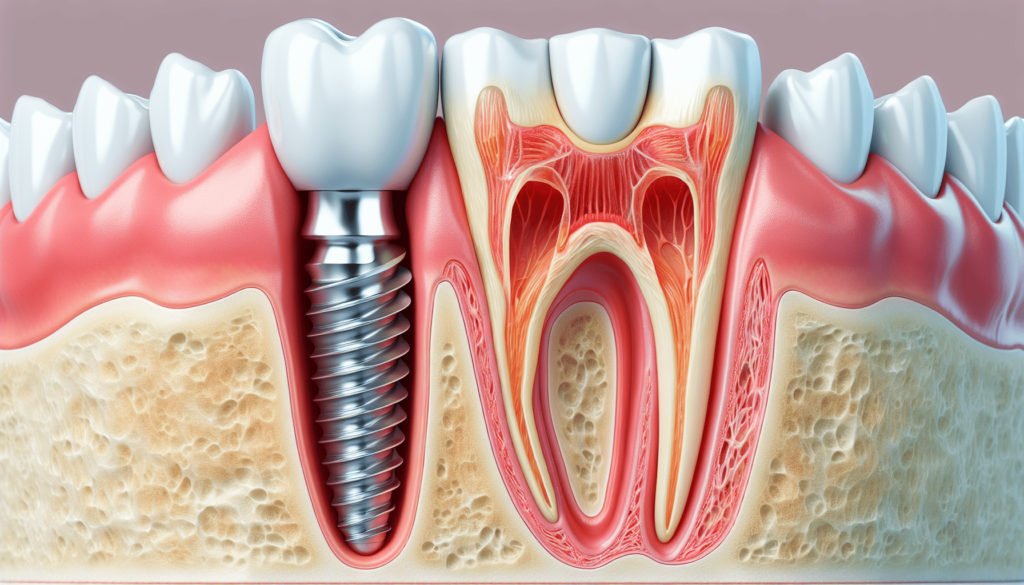
When preparing for dental implants in Knoxville, you need to feel informed and comfortable. Asking the right questions is crucial. You deserve clear answers and full understanding. Begin by asking about the dentist’s experience and training. This shows their ability to handle your procedure safely. Next, inquire about the entire process. Understand each step, from the initial consultation to the final result. You should also ask about potential risks and how they plan to address them. This ensures you’re prepared for every possible outcome. Examine the expected recovery time and any needed follow-up care. Knowing this will help you plan effectively. Lastly, discuss costs upfront. This transparency avoids surprises later. By addressing these key questions, you empower yourself in your dental journey. Feeling confident and informed leads to peace of mind and a better experience overall. Remember, your health and comfort come first.

Question 1: What Is Your Experience with Dental Implants?

Your dentist should have significant experience with dental implants. Experience matters because it provides reassurance. Ask about the number of procedures they have done. The more, the better. Request information about their training. This reveals how prepared they are. You can also ask if they are certified by any professional associations. This ensures they follow industry standards and practices.

Question 2: Can You Explain the Implant Procedure?

Understanding each step is vital for peace of mind. Ask your dentist to explain the entire process. This includes the initial consultation, the surgery, and the recovery period. Knowing what to expect helps reduce anxiety. It also allows you to prepare your schedule accordingly. Here’s more information from the National Institute of Dental and Craniofacial Research about the implant process. For personalized guidance and expert care, consult an experienced Orange County dentist who can walk you through every stage of treatment with clarity and confidence.

Question 3: What Are the Risks and Complications?

Every medical procedure has risks. Dental implants are no different. Ask about possible complications and how they will address them. This shows their preparedness and your readiness. Understanding potential risks helps you make an informed decision. It also lets you know what symptoms to watch for post-surgery. The American Dental Association provides insights into potential risks associated with dental implants.

Question 4: What Is the Recovery Process Like?

Recovery is an important part of the implant process. Ask your dentist about expected recovery times. Inquire about any activities to avoid during this period. Knowing recovery time helps you plan work and personal commitments. You can also ask about any medications or special care required post-surgery. This ensures a smooth and speedy recovery.

Question 5: How Much Will the Procedure Cost?

Understanding the cost upfront prevents financial surprises. Ask for a detailed breakdown of the costs involved. This includes the procedure, any necessary follow-up visits, and potential additional treatments. Inquire about payment plans or insurance coverage options. Transparency with costs allows you to budget accordingly.

Data Table: Comparison of Key Questions

Question Importance Outcome
Experience with Dental Implants High Reassurance and confidence
Implant Procedure Steps High Reduced anxiety and better preparation
Risks and Complications Moderate Informed decision and readiness
Recovery Process High Smooth recovery and planning
Cost of Procedure High Financial preparedness

Conclusion

Dental implants can enhance your quality of life. By asking the right questions, you ensure a safe and satisfying experience. Prioritize your health and well-being. Prepare for your procedure with confidence and clarity. Remember, understanding each aspect leads to peace of mind. Your empowerment begins with informed choices. Always prioritize your health and comfort when making decisions about dental care.

You care deeply about your child’s health. Starting early dental care is key. It sets the foundation for lifelong oral health. Visiting a dentist in Land Park, Sacramento ensures your child gets professional attention from the start. They help prevent issues before they arise. Early visits build comfort and trust with the dentist, reducing anxiety. Regular check-ups catch potential problems early, saving you from costly treatments. You teach your child the importance of dental hygiene, reinforcing healthy habits at home. This approach prevents decay, ensures proper development, and fosters a positive outlook on oral health care. Addressing cavities or alignment issues early leads to better outcomes. Make these visits a priority. Consistent family dentistry helps your child maintain a healthy smile. Prioritize early care. You empower your child with the tools needed for a lifetime of healthy smiles and confidence. Start today by scheduling their first visit.

Benefits of Early Dental Care

Early dental care offers many benefits. First, it prevents tooth decay. Children are prone to cavities due to sugary diets and less effective brushing. Regular check-ups help catch decay early. Second, it ensures proper growth of teeth and jaws. Dentists monitor development and identify potential issues. This proactive approach leads to timely interventions. For adults seeking aesthetic enhancements beyond dental care, South Loop Botox can complement a healthy smile by reducing facial lines and improving overall facial harmony.

Building Healthy Habits

Developing good habits early makes a difference. You establish routines that ensure your child understands oral hygiene. Brushing twice daily and flossing become second nature. Your child learns the importance of maintaining their smile. This habit-building lays the groundwork for a lifetime of good oral health.

Understanding the Importance of Regular Check-ups

Regular check-ups are crucial. They offer more than cleaning. Your dentist evaluates your child’s mouth thoroughly. They look for signs of trouble, like misalignment or decay. Routine visits allow for early detection. This results in less invasive treatments, protecting your child’s well-being.

Comparing Early vs. Late Dental Care

Aspect Early Dental Care Late Dental Care
Issue Detection Early detection of issues like cavities and misalignment Late identification leading to complex treatments
Cost Lower cost due to preventive care Higher cost due to surgeries or complicated procedures
Child’s Comfort Builds trust and reduces fear of the dentist Potential fear and anxiety due to unfamiliarity

Resources for Parents

Parents have many resources to support their child’s oral health. The Centers for Disease Control and Prevention offers guidelines on children’s oral health. The American Academy of Pediatric Dentistry provides tips on early dental care. These resources equip you with reliable information to make informed decisions.

Conclusion

Starting early dental care is not just beneficial. It is essential. You ensure your child develops a healthy smile and positive relationship with dental care. Regular visits to a trusted dentist foster this. Early care prevents serious issues and unnecessary expenses. Creating solid oral hygiene routines at home complements professional care. You support your child’s health by prioritizing early dental visits. Establish these habits and maintain regular check-ups. Doing this helps your child enjoy a bright, healthy future. Make the commitment today. Their smile is worth it.

Family dentists understand and care for all ages. From toddlers to seniors, each stage of life has different dental needs. A Salt Lake City dental practice shows how well-rounded care looks. For toddlers, protection against cavities and teaching good habits are key. Teens need guidance through braces and wisdom teeth. Adults may face gum health and cosmetic choices. Seniors often deal with tooth loss and sensitivity. Family dentists provide customized care for everyone. They know how to keep comfort and health as top priorities. If you’re looking for help, trust a practice that treats each person with kindness and skill. A family dentist can handle a toddler’s first check-up and a grandparent’s denture fitting. This approach builds trust and eases fears. Everyone deserves to feel understood and safe in the dentist’s chair. Trust those who care for your whole family’s smiles.

The Early Years: Fostering Good Habits

Toddlers start their dental journey with simple steps. Early visits prevent cavities and build healthy routines. Dentists focus on making these visits stress-free. They teach brushing, flossing, and diet tips. Using small brushes and fluoride toothpaste helps protect tiny teeth. By age one, experts recommend a first visit. Learn more about dental care for young children from the CDC or schedule an appointment with a dentist in Baton Rouge for gentle and preventive pediatric care.

Growing Up: Adolescent Challenges

Teens experience many changes. Braces and wisdom teeth are common issues. Family dentists offer solutions like aligners or traditional braces. They guide families through the process. Oral hygiene is crucial during this time. A dentist’s advice helps teens maintain healthy smiles despite their busy lives. In addition, regular check-ups catch issues early. This keeps treatment simple and effective.

Adulthood: Maintaining Oral Health

Adults face unique dental concerns. Gum disease and tooth decay require attention. Regular visits help prevent serious problems. Dentists provide cleanings, fillings, and advice on cosmetic procedures. Teeth whitening and veneers are popular choices. Family dentists offer care that fits adult schedules and needs. They ensure long-term health and aesthetics. Feel encouraged by consistent support and expert guidance.

The Golden Years: Senior Care and Comfort

Seniors may confront tooth loss, gum recession, and sensitivity. Dentures, implants, and cleanings help maintain dignity and function. Family dentists adapt care to meet older patients’ requirements. Regular visits prevent complications and support overall health. Understanding and respect are essential. Dentists emphasize patience and gentleness during treatment.

Customized Care: A Family Approach

Family dentists bring comfort and expertise to every stage of life. They know each member deserves individualized care. They create welcoming environments and tailor their methods. This approach builds trust and a lifetime of good habits. Patients of all ages benefit from a cohesive strategy.

Comparing Dental Needs by Age Group

Age Group Common Needs Dental Services
Toddlers Early dental visits, cavity prevention Check-ups, fluoride treatments
Teens Braces, wisdom teeth management Orthodontics, regular check-ups
Adults Gum health, cosmetic options Cleanings, fillings, cosmetic treatments
Seniors Tooth loss, sensitivity Dentures, implants, gentle cleanings

Family dentistry covers every stage of life. It focuses on each person’s unique needs and provides solutions. This comprehensive approach ensures that everyone feels valued and cared for. Choosing the right practice means securing a lifetime of smiles. Discover more about the importance of regular dental care from the National Institute of Dental and Craniofacial Research. Remember, a confident smile begins with understanding and expert care.

Choosing the right orthodontic treatment can feel overwhelming. Braces and Invisalign both offer effective solutions for straightening teeth. Each option has distinct features that might make one a better fit for you. Braces have been a reliable choice for decades. They are known for their ability to tackle complex dental issues. On the other hand, Invisalign provides a more discreet way to improve your smile. It uses clear aligners that are less noticeable. Both options require a commitment to regular care and adjustments. If you’re considering braces in Los Gatos, there’s a wealth of expertise available to help guide your decision. This blog will explore the pros and cons of each method. By understanding these options, you can feel more confident in making the best choice for your dental health. Let’s dive into the details to find the right path for your smile.

The Basics of Braces

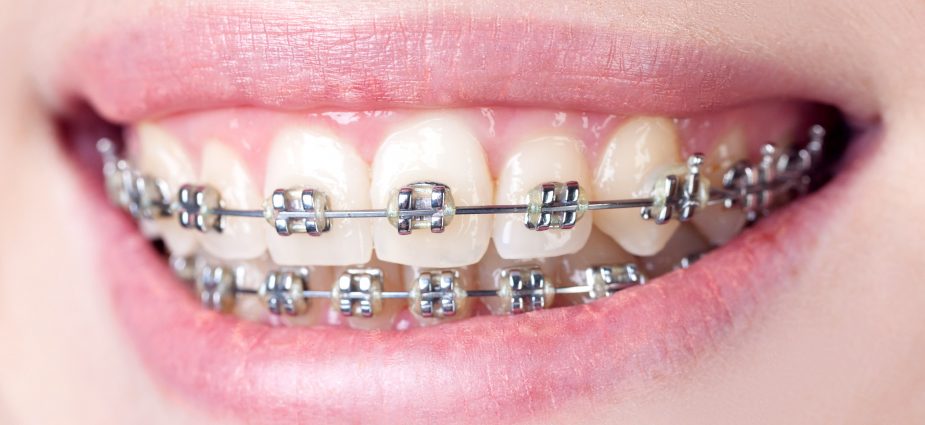
Braces consist of metal brackets glued to the teeth, connected by wires that are adjusted over time to move the teeth into place. They are highly effective for complex dental issues, such as severe crowding or bite problems, and require regular visits for adjustments. While metal is most common, ceramic braces offer a more discreet option. For guidance on orthodontic care and maintenance, a dentist in Atascocita, TX can provide expert advice and ensure your treatment progresses smoothly.

The Appeal of Invisalign

Invisalign uses clear, custom-made aligners. These aligners are designed to fit snugly over the teeth and gradually shift them into place. They are removable, which makes eating and cleaning the teeth easier. While Invisalign is more discreet, it is not suitable for every dental issue. It’s best for mild to moderate cases, such as minor crowding or spacing. Patients must wear the aligners for at least 22 hours a day for effective results.

Key Differences

Understanding the key differences between braces and Invisalign can help in decision-making. Here’s a quick comparison:

Feature Braces Invisalign
Appearance Visible Nearly invisible
Removability Fixed Removable
Treatment Time Varies, often longer Typically shorter
Complexity Treats complex cases Best for mild to moderate
Adjustments Every 4-6 weeks Every 6-8 weeks

Factors to Consider

When choosing between braces and Invisalign, consider these factors:

  • Cost: Costs can vary based on treatment complexity and location. Generally, Invisalign might be slightly more expensive, but this is not always the case.
  • Comfort: Braces might cause discomfort due to metal brackets and wires. Invisalign aligners are smoother and might cause less irritation.
  • Commitment: Braces require consistent orthodontist visits and care in maintaining oral hygiene. Invisalign needs discipline in wearing the aligners for the recommended hours.

Making the Right Choice

Choosing the right option depends on individual needs and lifestyle. Discussing your options with a qualified orthodontist will provide clarity. The National Institute of Dental and Craniofacial Research has more insights into orthodontic treatments. Take time to weigh the pros and cons and consider personal preferences and dental needs.

Conclusion

Both braces and Invisalign are effective in creating a healthier smile. The right choice will depend on your dental needs, lifestyle, and personal preferences. Consulting with a dentist or orthodontist will provide valuable guidance. Whether it’s braces or Invisalign, the journey to a perfect smile is within reach. Make an informed decision to ensure the best outcome for your dental health.