Category

Health

Category

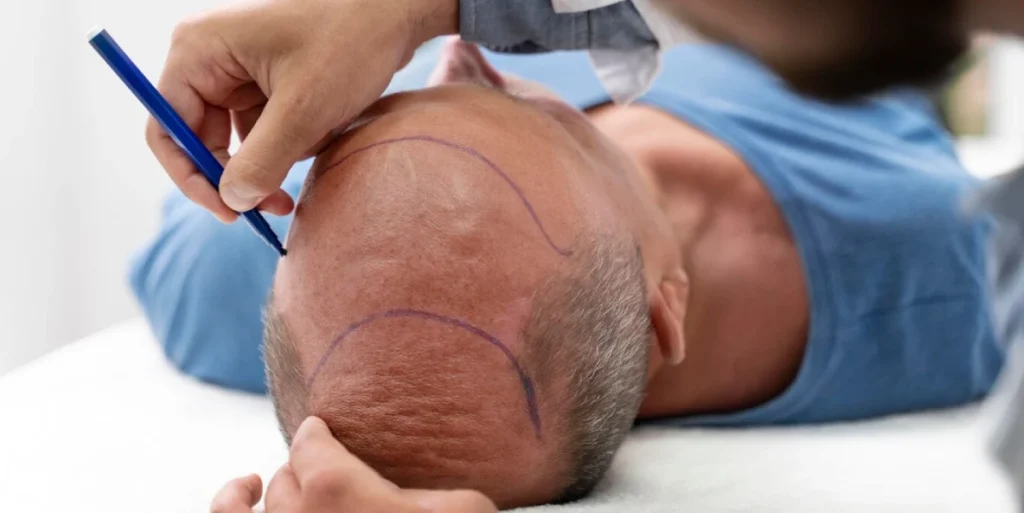
When it comes to addressing hair loss, Dubai has rapidly become a global hotspot for hair transplant procedures. Combining cutting-edge technology, highly skilled surgeons, and world-class clinics, a Dubai hair transplant offers a transformative experience for both men and women. But what exactly does the hair transplant journey in Dubai look like — from the initial consultation to the final results? This comprehensive guide walks you through each step, helping you understand what to expect and how to maximize your investment.

Understanding the Growing Demand for Dubai Hair Transplants

Dubai’s rise as a premier medical tourism destination is no accident. With an influx of international patients seeking advanced cosmetic procedures, the city has invested heavily in healthcare infrastructure. Hair transplants, in particular, are among the most sought-after treatments. Whether driven by genetics, lifestyle, or aging, hair loss affects millions globally. Dubai’s combination of expert surgeons, state-of-the-art clinics, and luxurious facilities provides an ideal environment for patients to regain confidence and restore their hairline.

Step 1: The Initial Consultation — Defining Your Hair Goals

Your journey begins with a professional consultation. This step is critical because a thorough assessment ensures personalized treatment planning tailored to your specific hair loss pattern, scalp condition, and lifestyle.

During this session, your surgeon will:

  • Evaluate the extent of hair loss using standardized scales.

  • Examine the donor area (typically the back of the scalp) for hair density and quality.

  • Discuss your expectations, lifestyle, and medical history.

  • Explain different hair transplant methods suitable for your case, commonly Follicular Unit Extraction (FUE) or Direct Hair Implantation (DHI).

  • Set realistic goals for density and coverage.

This face-to-face interaction builds trust and clarifies the path forward. Clinics in Dubai often provide digital imaging to simulate potential outcomes, giving patients a visual sense of the future.

Step 2: Choosing the Right Technique — FUE or DHI?

Dubai hair transplant clinics typically offer two main techniques:

  • FUE (Follicular Unit Extraction): Involves harvesting individual hair follicles from the donor area and implanting them into balding regions. It is minimally invasive with virtually no linear scarring.

  • DHI (Direct Hair Implantation): A refined version of FUE where extracted follicles are implanted immediately using a specialized tool called a Choi pen. This technique offers precise control over the angle and depth of implantation, potentially improving hair density and naturalness.

Your surgeon will recommend the most suitable approach based on your scalp condition, hair type, and desired outcome.

Step 3: Pre-Procedure Preparation

Proper preparation is essential for an optimal hair transplant in Dubai. Patients are usually advised to:

  • Avoid alcohol, smoking, and blood-thinning medications a few days before surgery.

  • Wash hair thoroughly on the day of the procedure.

  • Arrange for a comfortable recovery period post-procedure, typically avoiding strenuous activities.

Dubai clinics prioritize patient comfort and provide detailed pre-operative guidelines to ensure smooth surgery day logistics.

Step 4: The Hair Transplant Procedure — What Happens on Surgery Day?

On the day of your transplant, the clinic environment is designed to be calm and reassuring. The procedure generally lasts between 6 to 8 hours depending on the graft number.

Key highlights of the procedure include:

  • Local anesthesia to numb the scalp.

  • Extraction of healthy hair follicles from the donor site.

  • Implantation of follicles into the recipient area with meticulous precision.

  • Continuous monitoring to ensure patient comfort.

Dubai clinics often employ cutting-edge equipment and strict sterilization protocols, reflecting the city’s high standards for medical excellence.

Step 5: Post-Procedure Care and Recovery

Post-operative care is pivotal to achieving the best possible results. Patients receive comprehensive instructions on how to care for the scalp, including:

  • Guidelines for washing and moisturizing.

  • Avoiding direct sunlight and strenuous activity.

  • Medication to reduce swelling and prevent infection.

  • Recommendations to avoid touching or scratching the implanted area.

Dubai clinics frequently offer follow-up appointments, either in person or virtually, to monitor progress and address any concerns. This ongoing support underscores the patient-first philosophy typical in the region’s healthcare sector.

Step 6: Seeing the Results — Patience and Progress

One of the most important aspects of any hair transplant journey is understanding the timeline for results. New hair growth typically starts to appear around 3 to 4 months after the procedure, with significant improvements by 6 to 9 months. Full results may take up to 12 months to manifest as transplanted follicles mature and thicken.

Dubai’s advanced surgical techniques and post-care protocols aim to maximize natural-looking density and durability. Regular follow-ups help track growth and, if needed, additional sessions can be planned to enhance coverage.

Why Dubai is the Ideal Destination for Your Hair Transplant Journey

Several factors position Dubai as a top choice for hair restoration:

  • Expertise: Renowned hair transplant surgeons with international training and certifications.

  • Technology: Access to the latest equipment and innovative techniques like robotic-assisted FUE.

  • Facilities: Luxurious clinics blending comfort, hygiene, and privacy.

  • Transparency: Clear pricing structures and comprehensive consultation.

  • Medical Tourism: Integrated services including accommodation and transport make the process seamless for international patients.

Choosing Dubai ensures a holistic experience combining medical precision with unmatched hospitality.

Final Thoughts: Your Hair Transplant Journey Starts Here

The decision to undergo a Dubai hair transplant is both significant and rewarding. From the moment you walk into the clinic for your initial consultation to the time you admire your fuller hair in the mirror months later, each step is carefully orchestrated to deliver excellence.

Dubai has mastered the art and science of hair transplantation, making it a trusted hub for individuals seeking lasting solutions to hair loss. With expert guidance, innovative technology, and a patient-centric approach, your hair transplant journey in Dubai is set to redefine your confidence and appearance.

If you’re ready to take the first step, consult with a reputable Dubai clinic today and embark on the path to renewed hair and self-assurance.

Author Bio:

BM Digital Marketing Agency in Dubai, specializes in lead generation and digital marketing for health clinics. We deliver tailored SEO, PPC, website design, and social media strategies that attract and convert quality patient leads while driving clinic growth and patient engagement.

 

Millions of people worldwide suffer from neurological and psychiatric conditions that disrupt daily life—from post-stroke motor impairment to debilitating migraines and obsessive-compulsive disorder (OCD). Traditional treatments often come with side effects or invasive risks, leaving patients desperate for safer alternatives. Today, Transcranial Magnetic Stimulation (TMS) emerges as a game-changer, and QIJIA’s weak magnetic non-invasive TMS device redefines accessible, gentle neurotherapy for diverse conditions. TMS therapy for depression treatment

Core Technology & Working Principle: Gentle Magnetic Precision

QIJIA’s TMS device is built on the core principle of electromagnetic induction, a scientifically validated mechanism for non-invasive brain modulation. Unlike high-intensity magnetic stimulation, its weak magnetic design delivers mild, focused magnetic pulses that penetrate the skull without attenuation or tissue damage <superscript>1. These pulses induce tiny electrical currents in targeted cerebral cortex regions, regulating neuronal excitability and rebalancing disrupted neural circuits—all without surgery, needles, or systemic medications.

The key advantage of QIJIA’s weak magnetic technology lies in its dual capability: high-frequency pulses (>1Hz) to activate underperforming brain areas, and low-frequency pulses (≤1Hz) to inhibit overactive regions <superscript>4. This precise modulation promotes neuroplasticity, the brain’s natural ability to reorganize and heal—laying the foundation for effective treatment of various neurological and psychiatric conditions.

Simple & Comfortable Treatment Process

QIJIA’s TMS device is designed for user-friendliness, suitable for clinical settings and home use (under professional guidance). The treatment process is streamlined and painless, typically lasting 20-30 minutes per session:

  1. Pre-Treatment Evaluation: A healthcare provider assesses the patient’s condition, reviews imaging results (e.g., MRI), and determines the target brain region and stimulation parameters <superscript>3.
  2. Precision Targeting: The ergonomic magnetic coil is placed on the scalp, aligned with the targeted area (e.g., motor cortex for stroke recovery, prefrontal cortex for OCD).
  3. Gentle Stimulation: The device delivers controlled weak magnetic pulses. Patients may feel a slight tapping sensation but no pain or discomfort.
  4. Course Planning: A standard course involves 5 sessions per week for 4-6 weeks, with personalized adjustments based on treatment response. No anesthesia or post-treatment recovery time is needed.

Targeted Applications: Who Benefits Most?

QIJIA’s weak magnetic TMS device addresses unmet needs across multiple patient groups, with proven efficacy in key areas:

  • TMS device for stroke recovery: For patients with upper limb hemiparesis or motor function impairment post-stroke, the device targets the contralesional motor cortex to enhance motor evoked potentials and improve manual dexterity <superscript>5. It accelerates rehabilitation by reactivating dormant neural pathways.
  • TMS therapy for OCD: By modulating the overactive prefrontal cortex circuits linked to obsessive thoughts and compulsive behaviors, the therapy reduces symptom severity. It offers a safe alternative for patients unresponsive to medication or cognitive-behavioral therapy.
  • TMS therapy for migraine: Single-pulse stimulation disrupts cortical spreading depression—the underlying mechanism of migraine aura—providing acute relief. Repetitive stimulation also helps prevent recurrent migraines by stabilizing brain excitability<superscript>2.
  • Other Applicable Groups: The device is also suitable for patients with mild cognitive impairment, post-traumatic stress disorder (PTSD), and chronic neuropathic pain, as well as elderly and pediatric patients (with adjusted parameters) due to its gentle non-invasive design.

Why Choose QIJIA Weak Magnetic TMS Device?

QIJIA’s TMS device stands out in neurotherapy with patient-centric advantages:

  • Weak Magnetic & Non-Invasive: Eliminates risks of invasive procedures (e.g., surgery) and side effects of systemic drugs, ensuring long-term treatment safety.
  • Clinically Validated Efficacy: Proven results in TMS therapy for migraine, OCD, and stroke recovery, with consistent neuroregulation outcomes.
  • Portable & Convenient: Lightweight design and rechargeable battery support home-based treatment, reducing hospital visit frequency and improving compliance.
  • User-Friendly Operation: Intuitive digital panel with preset modes for common conditions simplifies parameter adjustment, accessible to both healthcare providers and patients.

Living with neurological or psychiatric conditions shouldn’t mean compromising on quality of life. QIJIA’s weak magnetic Transcranial Magnetic Stimulation device combines advanced neuroregulation technology with gentle non-invasive design, making effective therapy accessible and comfortable. Whether as a TMS device for stroke recovery, a solution for OCD, or a relief for migraine sufferers, it empowers patients to take control of their health and caregivers to provide reliable support.

Discover QIJIA’s innovation in neurotherapy—where gentle magnetic pulses unlock the brain’s natural healing power.

Lap-Band surgery, a type of adjustable gastric banding, has been a widely used choice for its minimally invasive nature and adjustability. While many patients benefit from it, some may face challenges as time goes on. Complications may develop, results may plateau, or the procedure may simply no longer align with a patient’s changing health goals. In such cases, a revision procedure may be recommended to improve outcomes and address underlying issues.

One of the most commonly performed revision weight loss surgeries in Dallas, Mansfield, and Plano is the band to sleeve revision. In this procedure, a portion of the stomach is surgically removed, leaving behind a smaller, tube-shaped stomach that limits food intake and helps reduce hunger. In this blog, we’ll explore the most common reasons why patients with lap bands choose to undergo this revision and what it can mean for their health journey.

1. Lap-Band Slippage or Migration

One of the most common reasons for seeking a revision is when the Lap-Band shifts out of place, a complication known as slippage or migration. This can happen gradually due to pressure changes in the stomach or band over-tightening. When the band moves, it can cause uncomfortable symptoms like nausea, vomiting, or difficulty swallowing. More importantly, it can reduce the band’s ability to restrict food intake, making weight loss harder or even reversing progress. In some cases, slippage may also lead to inflammation or damage to the stomach lining. When these issues arise, the band often needs to be removed, and patients are advised to consider a more reliable long-term solution.

2. Band Erosion

Band erosion refers to a serious complication where the gastric band gradually wears through the stomach wall and enters the gastric lumen, potentially leading to infection, reduced restriction, or even internal bleeding. While early stages may not present symptoms, patients may later develop issues such as abdominal discomfort, loss of satiety, or port-site infections. If you’re facing such concerns or suspect that your band may no longer be functioning as intended, it’s important not to delay medical attention. To discuss the risks and explore whether a band to sleeve revision in Dallas, Mansfield & Plano is the most appropriate solution, consider reaching out to a reputed bariatric surgeon in the area.

3. Poor Long-Term Weight Loss or Weight Regain

While gastric banding can produce initial weight loss, a number of patients struggle to maintain those results over time. Weight regain or inadequate weight loss often stems from physiological or behavioural factors such as pouch enlargement, band slippage, maladaptive eating patterns, or the body adapting to a lower intake by slowing metabolism. As the band’s restrictive effect diminishes, individuals may feel less satiated or begin to rely on high-calorie foods that bypass restriction. These setbacks not only compromise the effectiveness of the original procedure but can also lead to frustration and health concerns. In such cases, many patients are advised to consider a band to sleeve revision surgery to achieve more reliable long-term outcomes.

4. Chronic Gastrointestinal Symptoms and Intolerance

Chronic gastrointestinal discomfort after gastric band surgery often signals underlying complications. These symptoms, such as frequent nausea, vomiting, reflux or difficulty swallowing, can result from band slippage, overtightening or pressure exerted by the band on surrounding tissues. Over time, the body may also develop an intolerance to the band, leading to a persistent inability to consume or tolerate certain foods. When these issues persist despite band adjustments or dietary changes, they can significantly affect nutritional intake and day-to-day wellbeing. In these situations, a band to sleeve revision surgery may become necessary to relieve the anatomical stress and restore more normal digestive function.

5. Patient Dissatisfaction and Lifestyle Incompatibility

Over time, some patients find themselves growing unhappy with their initial weight loss results or the daily limitations that come with living with a gastric band. Even in the absence of medical complications, the procedure may start to feel too restrictive or incompatible with evolving lifestyle needs. Difficulty maintaining the necessary dietary adjustments, frustration around mealtime discomfort, or unmet weight goals can all contribute to ongoing dissatisfaction.

When this disconnect continues to affect daily life, many individuals start seeking alternatives that better align with their long-term goals. For patients in search of improved outcomes and greater lifestyle compatibility, pursuing revision weight loss surgery in Dallas, Mansfield & Plano can be a thoughtful next step. A band to sleeve revision offers not just anatomical changes but a renewed opportunity for comfort, consistency, and better control over one’s weight journey.

6. Surgeon Recommendation Based on Updated Medical Practice

While the lap band remains a suitable option for many individuals, the evolving landscape of bariatric care has provided many new and effective procedures  and techniques to combat the concerns of some patients. When issues such as inadequate weight loss, persistent discomfort, or mechanical complications arise, transitioning to a sleeve gastrectomy may be recommended as a more reliable and simplified solution. Band to sleeve revision surgery can now be performed with robot-assisted techniques, providing improved digestive ease and more sustainable weight management, especially when the original approach no longer meets the patient’s needs. These recommendations are typically made after evaluating factors such as the patient’s overall health, history with the band, lifestyle habits, and long-term weight loss expectations.

The Final Words

Over time, it’s not uncommon for individuals to feel that their lap-band surgery no longer aligns with their needs, whether due to post-procedure complications, limited weight loss, or lifestyle frustrations. If you’ve been facing similar concerns, know that you’re not alone. Many people find that reassessing their surgical path brings clarity and renewed hope.

If you’re considering your next step, speaking to an expert can help you understand whether a revision could offer the improvements you’re seeking. Those considering revision weight loss surgery in Dallas, Mansfield, & Plano should take the time to research and consult a bariatric surgeon with a strong track record in revisional procedures. A thoughtful, personalized discussion can help determine if this approach aligns with your goals, current health profile, and expectations for the future.

Are you taking into account the dental transplant? If so, you may be shocked to know the approach provides four unseen health advantages, apart from an enhanced smile and improved practicality. dental hygiene and dental implants play a major role in every human’s life. The records collected through the investigation showed a higher possibility for cardiac disease in individuals with hemorrhage gums, plus there are many other diseases in the body discovered with poor dental practices, including pneumonia, COPD (chronic obstructive pulmonary disease), infertility, and diabetes. Poor dental hygiene practices may also be linked to mouth cancers. These are cancers (malignant neoplasms) of the tongue, mouth, and lip. Mouth cancers are also discovered in the back of the mouth. This variety of cancers affects the back of the tongue, the back of the oropharynx, the mouth, the faucial tonsils, and the barrier of the upper throat. It is crucial to have a good dental practice before going for a dental transplant. Having a good dental routine reduces half of your oral problems and can help you lead a healthy life.

1. Safeguarding your jawbone is sturdy.

You understand the significance of powerful bones, and your jaw is in no irregularity. Spacing holes left behind by losing teeth can harm the toughness and steadfastness of your jawbone eventually. When your jawbone is not being utilized to hold up natural teeth, it slowly deteriorates – ultimately leading to issues like PBC (Posterior bite collapse), facial collapse, or facial bone loss. The best news is that dental transplants protect and restore natural bone, thus safeguarding against bone loss.

2. Conserving healthy teeth.

If you pick a rooted bridge to fill the space of absent teeth, your dentist must grind away a segment of your healthy teeth on one or both sides of the space. Although dental transplants let your healthy teeth stay whole. A dental transplant goes into the jawbone in the place where your missing tooth source was once and acts as a stopgap, thus conserving the nearby healthy teeth from crown or moving eventually.

3. Enhancing oral practice.

No confusion, you understand it’s crucial to cleanse your teeth in places where your toothbrush can’t go. In contrast to a firm bridge, a separate transplant allows uncomplicated access between your teeth and enhances the whole dental practice.

4. Removing the danger that teeth may detach or fail due to uncommon pressure.

Limited artificial teeth have a grip that hooks onto your adjoining teeth, which carries pressure as the metal structure rocks back and forth. By the time these teeth may slacken and fail due to uncommon pressure. But restoring missing teeth with a transplant hold up tooth caps or bridges removing the danger of uncommon pressure and lets your healthy teeth to remain healthy.

If you want to buy peptides online USA, it is important to first understand what peptides are, how they are used, and how to choose a trusted source. Peptides are widely used in scientific and lab research, and knowing the basics can help you make better and safer choices when looking for products online. Taking time to learn about them also helps you avoid low-quality suppliers and gives you more confidence when selecting products for your research needs.

Understanding Peptides

What Are Peptides?

Peptides are short chains of amino acids. Amino acids are the small parts that make up proteins in the body. Peptides play many roles in living things, such as helping with cell communication, hormone activity, and other body processes. In simple terms, they act like signals in the body that help different systems work together in a proper way.

Because of these roles, peptides are often studied in laboratories to better understand how the body works. Scientists use them to observe how cells respond and to learn more about natural processes in a controlled environment. This helps in building knowledge that can be used in health and science research.

Why Peptides Are Used in Research

Peptides are popular in research because they are flexible and easy to work with. Scientists use them because they can be designed in different ways depending on the goal of the study. This makes them useful for many types of experiments.

  • They can copy natural processes in the body
  • They can target specific cells or functions
  • They can be changed or adjusted for different studies
  • They help researchers test ideas in a controlled way

These features make peptides very useful in science and medical studies. They allow researchers to focus on specific problems and study them in a more accurate and detailed way.

Common Types of Peptides

There are several types of peptides used for different purposes, and each one has its own role depending on the type of research or product being developed.

Research peptides
These are used only in lab studies. They help scientists study body functions and biological processes in a controlled setting. They are not meant for human use and are mainly for experiments and scientific testing.

Cosmetic peptides
These are used in skincare products. They are studied for helping skin look smoother and healthier. Many skincare products use them to support skin care routines and improve appearance.

Therapeutic peptides
These are used in medical research. Scientists study them for possible future treatments for different health conditions. They are part of ongoing studies that aim to develop new medical solutions.

How to Choose and Order Peptides Online

Choosing a Trusted Supplier

When you want to order peptides online, choosing a trusted supplier is very important. A good supplier should be reliable, honest, and clear about what they are selling. This helps you avoid poor-quality products and ensures a safer buying experience.

A good supplier should have:

  • Positive customer feedback
  • Clear product details
  • A strong reputation in the market

Always take time to check reviews before buying. Reading feedback from other customers can help you understand if the supplier is trustworthy and if their products match what they promise.

Checking Quality and Purity

High-quality peptides are very important for research. If the quality is low, the results of your study may not be accurate or useful. That is why checking product quality should always be a top priority.

Look for suppliers that provide:

  • Clear product information
  • Certificates of analysis (proof of quality)
  • Well-tested and properly labeled products

This helps make sure you are getting safe and reliable materials for your work. It also gives you confidence that the peptides you are using are suitable for research purposes.

Pricing and Value

While price is important, very cheap products may not always be the best choice. Some low-cost options may reduce quality, which can affect your results. That is why it is better to focus on value instead of just price.

It is better to find a balance between cost and quality. A good supplier offers fair prices without lowering product standards. This ensures you get reliable peptides while still staying within your budget.

Legal and Safety Considerations

Before ordering, make sure peptides are legal in your area and allowed for your type of use. Rules may be different depending on where you live, so it is important to check before making a purchase.

Always follow local rules and research guidelines to stay compliant. This helps you avoid legal problems and ensures that your research is done in a proper and responsible way.

Ordering and Customer Support

A good online supplier should also offer helpful services that make the buying process easier and safer for customers. Good support can make a big difference, especially if you are ordering for the first time.

  • Easy and secure payment options
  • Fast and safe shipping
  • Helpful customer support

Good support can help answer questions and solve problems quickly. This makes the whole experience smoother and more reliable, especially when dealing with important research materials.

Conclusion

Peptides are important tools in scientific research and have many uses in different fields. They help scientists study how the body works and support the development of new ideas in science and medicine. If you plan to buy peptides online USA, it is important to understand what peptides are and how to choose a reliable supplier. By focusing on quality, safety, and trust, you can make better decisions and support your research in a more effective and responsible way.

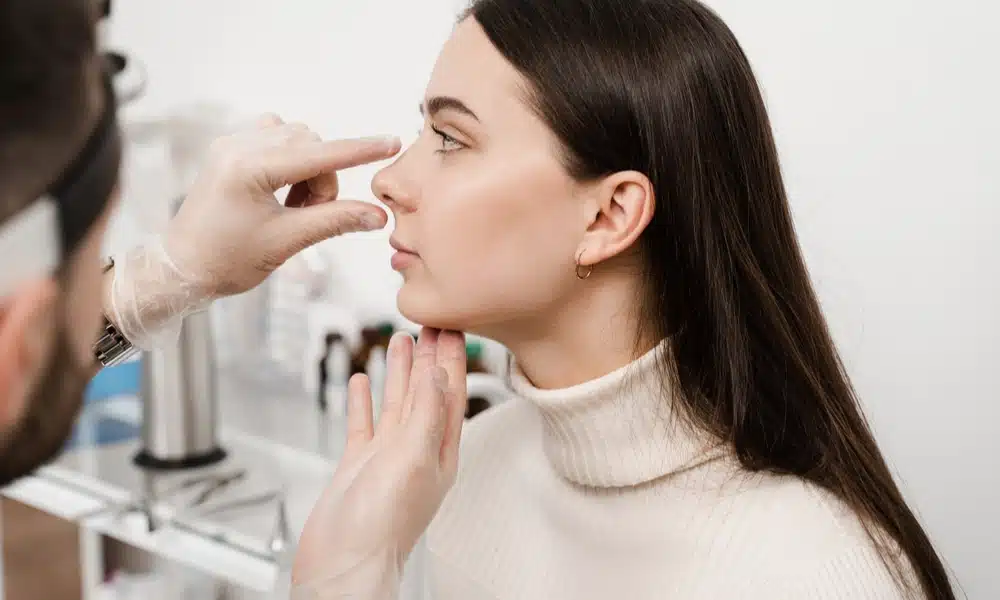
Rhinoplasty, often referred to as a nose job, is a popular cosmetic procedure aimed at reshaping the nose. Rhinoplasty in Mumbai can enhance facial appearance or correct medical issues that affect breathing, such as a deviated septum, nasal obstruction, or injuries like a broken nose. Both cosmetic and functional needs are addressed through this procedure, making it one of the most sought-after plastic surgeries worldwide.

Who Can Benefit from Rhinoplasty?

People may choose rhinoplasty for various reasons:

  • Correcting congenital nasal abnormalities present from birth.
  • Improving facial harmony and overall appearance.
  • Opening blocked nasal passages to enhance breathing.
  • Repairing trauma-related injuries, including facial fractures.
  • Restoring nasal function after disease, cancer treatments, or burns.

Ideal candidates are adults who have completed facial growth, are in good physical health, do not smoke, and have realistic expectations. Importantly, patients should pursue surgery for personal reasons rather than external pressure.

Types of Rhinoplasty

Rhinoplasty can take multiple forms:

  • Cosmetic rhinoplasty: Concentrates on improving the appearance of the nose.
  • Functional rhinoplasty: Restores breathing function and corrects structural defects.
  • Nonsurgical rhinoplasty: Uses dermal fillers for temporary reshaping, ideal for small bumps or lifting a drooping nasal tip.
  • Secondary rhinoplasty: Corrects issues from a previous surgery, which can be more complex.

Surgical approaches include:

  • Open rhinoplasty: Involves external incisions, giving the surgeon a clear view for significant reshaping.
  • Closed rhinoplasty: Incisions are made inside the nostrils for less invasive changes.

Rhinoplasty vs. Septoplasty

While rhinoplasty improves the nose’s appearance and overall structure, septoplasty specifically addresses internal issues with the nasal septum to improve breathing. Both procedures can be combined to enhance both function and aesthetics.

The Procedure and Recovery

Before surgery, patients consult with their surgeon to discuss goals, examine facial features, and review surgical options. Rhinoplasty is typically an outpatient procedure, performed under general or local anaesthesia with sedation, lasting 1–3 hours. Surgeons reshape the bone and cartilage, reposition the skin, and use small stitches to secure the new structure.

Post-surgery, a splint may be worn for 1–2 weeks, and swelling or bruising around the nose and eyes is common. Swelling is most noticeable in the first month, decreases over three months, and may persist subtly for up to a year. Mild discomfort is typical and manageable with over-the-counter pain medications. Asymmetrical healing, where one side appears different from the other, is normal during recovery.

Risks and Benefits

Benefits include improved facial symmetry, better breathing, and correction of structural issues. Risks can include infection, scarring, nosebleeds, changes in smell, or unsatisfactory cosmetic results that might require revision surgery.

Long-Term Results

Full recovery can take up to a year, with most functional improvements seen within six weeks. Patients can usually return to work in 1–2 weeks and resume light exercise after 4–6 weeks. Rhinoplasty results are permanent, though some may choose a secondary surgery to refine cosmetic outcomes.

When to Seek Medical Attention

Contact your doctor if you experience severe pain, uncontrolled bleeding, breathing difficulties, signs of infection, or persistent nausea after surgery.

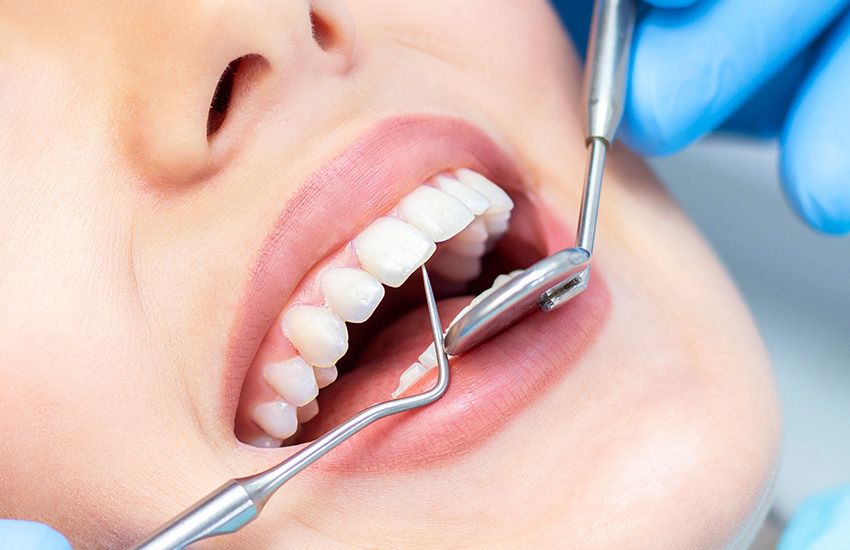
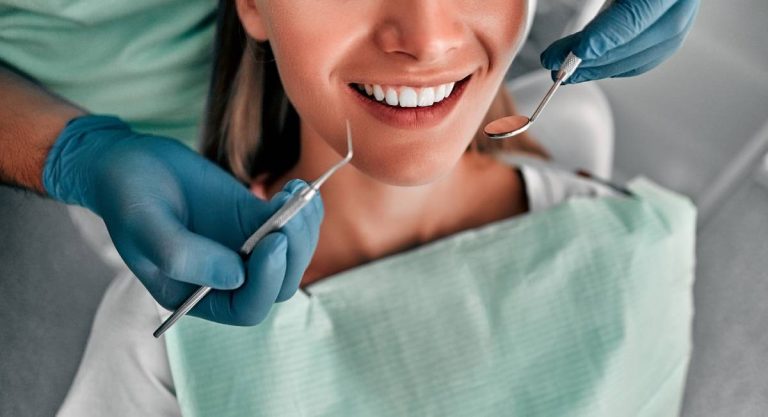
  • A visit to the dentist should be a routine aspect of a healthy mouth and body. It is a habit of many people to attend a dentist near me only when they are experiencing pain or discomfort, but preventative dental attention takes much bigger dimensions as compared to curing the problems at hand. Check-ups serve to work out problems at an early stage, keep the teeth and gums in good shape, and ensure that minor problems do not evolve into severe dental issues.
  • Early prevention of oral problems is one of the most important benefits of regular dental visits. The formation of cavities, gum disease, enamel erosion, and oral infections all tend to have no visible symptoms at the time of their onset. These problems can be identified at an early stage with the help of professional examinations and diagnostic tools that can be used by a dentist. The early identification can be treated with less invasive and more affordable procedures which are less intensive and help the patients avoid complex procedures in the future.
  • Professional cleaning is another significant factor of regular dental visits. Despite the appropriate brushing and flossing, plaque and tartar can form in some parts that cannot be reached back home. In the long run, this accumulation may cause tooth decay and gum disease. The hardened plaque is removed, harmful bacteria are minimised and fresh breath is maintained by professional cleanings. Cleanings are also helpful in enhancing the look of teeth as they help to eliminate the stains on the surfaces of the teeth thus making the smile look healthier and brighter.
  • Dental visits also help in the prevention of gum disease. Gum disease can begin as gingivitis, whereby the gums will be red, swollen and bleed. When untreated, it may develop further and the situation may involve loss of teeth and bone at a more serious stage. Dentists will be able to identify the initial symptoms of gum disease and give instructions on how to adhere to the best oral hygiene habits to avoid development.

  • Besides safeguarding oral health, dental check-ups ensure that overall health is not neglected. Studies have identified a relation between oral health and other systemic diseases like heart disease, diabetes and pulmonary infections. Other localities in the body can be infected and inflamed by the mouth. Maintaining oral health by attending the dentist regularly will help a person minimise the chances of other forms of health complications outside the mouth.
  • Oral health education is also achieved through dental visits. Dentists give individualised instructions on how to brush, whether to floss or not, what should eat and how their lifestyles impact oral health. This advice assists the patient in enhancing the daily routine of oral care and making informed choices that can assist in maintaining long-term dental health.
  • In children, frequent dental checkups can be used to inculcate the habit of maintaining their health at a tender age. Exposure to dental care at a young age helps to alleviate fear, promote good oral hygiene habits and aid in the good development of teeth and jaws. In the case of adults, regular visits are beneficial to be able to retain dental functionality, comfort, and confidence over the course of life.

To sum up, frequent dental checkups are recommended to prevent and detect early and maintain oral health throughout the rest of the life.

The selection of the appropriate dental provider for your child is a significant decision, and it may affect the comfort, confidence, and future health of the oral cavity of the child. Pediatric dentists and family dentists are useful in the provision of dental care, and consulting a dentist can help you determine which type of care is best suited for your child, although they are different in terms of training, specialisation, setting, and approach towards treating children.

What Is a Pediatric Dentist?

A pediatric dentist is a dental professional who has his/her attention on the mouth of children (infancy-adolescence). Besides receiving a dental degree, pediatric dentists pursue two to three years of special residency training which is specialised in children’s requirements. This is a highly specialised training that involves child psychology, growth and development, behaviour management and special procedures of developing teeth. Pediatric dentists are professionals who make children feel safe and secure when they visit the dentist, making them the best choice in case of a small or frightened patient.

What Is a Family Dentist?

A general dentist or also known as a family dentist checks on patients of all ages i.e. young children, adults and seniors. Family dentists possess the underlying dental education to manage the basic dental care such as cleanings, exams, fillings, and preventive care for the family. They do not go further to take the extra pediatric-specific residency training that pediatric dentists take, but most of them are experienced and comfortable with the combination of children and adults.

Training and Expertise

One of the largest differences between the two is training. Pediatric dentists as well as family dentists graduate from dental school and receive a degree in dentistry. However:

Further training of dental school graduates into pediatric dentists includes child behaviour, dental development stages, dental anatomy of a child under sedation, and developmental concerns.

Family dentists are trained widely in the field of dentistry for all ages but are not necessarily only dealing with the oral health of children. Their education enables them to be able to treat children, but it can be supplemented by specialists in cases of complex children.

Office Physical and Virtual Environment and Experience.

The other difference is the patient experience. Dental facilities that target children are specifically designed to be friendly and appealing to kids. They are usually richly colored, youth-oriented, equipped with small eating utensils, and have some distractions (toys or games) to ensure that the children are easy-going. Pediatric employees are conditioned to deal with the feelings and panic of children.

Family dental offices are professional and caring, but usually they have a wider age range. They might lack the play-based nature, but with most, soft speaking and a smiling demeanor are employed to make children feel free.

Pediatric vs. Family Dental Care Scope.

The preventative services offered by both pediatric and family dentists include cleanings, fluoride therapy, and check-ups. But especially competent are the pediatric dentists.

Family dentists are good at routine lifetime dental services, organisation of adult and older child treatment and handling many children’s common needs. They are also convenient in the sense that the dentist is capable of treating all the family members in a single location.

Selective Androgen Receptor Modulators (SARMs) and PPAR agonists have become widely discussed in online fitness circles, scientific forums, and even doping investigations. While they often get grouped together because they both appear in performance-enhancement conversations, the two categories could not be more different.

SARMs target androgen receptors.
 PPAR agonists target metabolic regulatory pathways.
 And the intentions behind their development — along with the reasons some athletes misuse them — diverge even further.

This article offers a clear, educational comparison between SARMs and PPAR agonists, why they were created, how they function biologically, and why both classes continue to appear in anti-doping cases around the world.


What SARMs Actually Are

SARMs are synthetic compounds developed to selectively activate androgen receptors in specific tissues — primarily muscle and bone. Researchers originally hoped SARMs could offer the benefits of anabolic steroids but with far fewer side effects. Instead of activating androgen receptors throughout the entire body, SARMs were designed to act only in targeted areas.

Early research suggested potential benefits in:

  • muscle-wasting diseases

  • osteoporosis

  • age-related muscle decline

  • recovery from trauma or chronic illness

Common experimental SARMs include compounds like Ostarine (MK-2866), Ligandrol (LGD-4033), Testolone (RAD-140), and S-23. None are approved for human medical use, and research on many of them is incomplete or discontinued.


What PPAR Agonists Are

PPAR agonists are a completely different group of experimental compounds designed to affect peroxisome proliferator-activated receptors — proteins that help regulate metabolism, lipid handling, and energy expenditure.

There are multiple PPAR subtypes (α, δ, γ), each with unique functions. The one most discussed in performance circles is PPARδ, targeted by compounds like Cardarine (GW501516).

Researchers developed PPARδ agonists for potential treatment of:

  • metabolic syndrome

  • obesity

  • insulin resistance

  • dyslipidemia

  • cardiovascular risk factors

Instead of influencing muscle growth, PPAR agonists work on metabolic pathways that determine how the body uses fats and energy.


Mechanism of Action: Two Completely Different Biological Targets

Understanding the fundamental difference requires looking at what each compound type actually “turns on” inside the body.

SARMs → Androgen Receptors

SARMs bind to androgen receptors in specific tissues. Their effects can include:

  • increased muscle protein synthesis

  • improved bone mineral density

  • possible improvements in strength

  • changes in hormone signaling

Their mode of action is similar to anabolic steroids — just more selective.

PPAR Agonists → Metabolic Regulators

PPARδ agonists like Cardarine activate genes related to:

  • fat metabolism

  • endurance adaptation

  • energy expenditure

  • lipid regulation

These compounds influence how the body burns fuel rather than how much muscle it builds.

In simple terms:

  • SARMs aim to build or preserve muscle.

  • PPAR agonists aim to improve metabolic function and endurance pathways.

The goals are different, and so are the risks.


Why Both Classes Ended Up in the Same Online Conversations

Even with totally different biological targets, SARMs and PPAR agonists often get lumped together. This happened for several reasons:

1. Both were abandoned by pharmaceutical companies

Multiple SARMs never completed development due to hormonal impacts or safety concerns.
 PPARδ agonists like Cardarine were halted due to tumor formation in animal studies.

2. Both became available through unregulated gray-market vendors

As research stopped, underground distribution increased, especially in “research chemical” form.

3. Both attracted attention from athletes and bodybuilders

Although for different reasons:

  • SARMs = muscle / strength expectations

  • PPAR agonists = endurance / fat-metabolism expectations

4. Both triggered doping violations

WADA banned SARMs under S1: Anabolic Agents
 PPAR agonists like Cardarine are banned under S4: Hormone and Metabolic Modulators

Different categories, same outcome: athletes suspended.


Comparing Their Intended Benefits (Based on Early Research)

While neither SARMs nor PPARδ agonists are approved for human use, early research explored the following areas:

SARMs — Potential Applications

  • improving lean muscle mass

  • combating sarcopenia

  • supporting bone health

  • improving functional capacity in illness

PPARδ Agonists — Potential Applications

  • increasing fat oxidation

  • improving cholesterol profiles

  • reducing inflammation

  • enhancing endurance-related metabolic pathways

  • addressing metabolic syndrome

Again, different problems, different biological systems.


Why Research Was Stopped on Both Classes (For Different Reasons)

Though neither class reached FDA approval, the reasons differ:

Why SARM research slowed

  • suppression of natural testosterone

  • hormonal imbalances

  • concerns about long-term endocrine disruption

  • incomplete clinical data

Why PPARδ research stopped

  • tumor formation in multiple animal studies

  • safety concerns for long-term use

  • difficulties controlling metabolic pathways precisely

While SARMs raised hormonal red flags, PPARδ agonists raised carcinogenic concerns.


Why Athletes Have Used SARMs and PPARδ Agonists

Even without approved medical applications, some athletes have used these compounds for performance-related reasons:

SARMs:

  • desire for increased strength

  • muscle preservation during dieting

  • perceived “safer” alternative to steroids

  • misunderstanding of the research

PPAR Agonists:

  • increased endurance (based on animal data)

  • improved fat oxidation

  • lack of hormonal suppression

  • belief they would be harder to detect

Anti-doping laboratories now routinely screen for both groups.


Safety Concerns and Unknowns

Because both categories lack long-term human data, significant uncertainty remains.

SARMs — Documented Issues

  • testosterone suppression

  • cholesterol changes

  • liver enzyme elevation

  • unknown long-term outcomes

  • contamination in gray-market products

PPARδ Agonists — Documented Issues

  • tumor formation in animal studies

  • possible liver strain

  • incomplete human data

  • metabolic disruptions

  • high rates of product mislabeling

In both cases, the gray-market supply introduces risks not present in controlled research environments.


How SARMs and PPAR Agonists Intersect in Research Discussions

Even though they work through different mechanisms, SARMs and PPARδ agonists occasionally appear together in scientific literature. Researchers sometimes examine:

  • how muscle-building and metabolic pathways interact

  • how compounds influence endurance versus hypertrophy

  • the role of gene expression in exercise adaptation

  • combined metabolic and anabolic responses in animal models

Some compounds, including Cardarine and certain SARMs, have been explored in research environments to better understand how different molecular pathways contribute to performance and metabolism.

These studies aim to map biological mechanisms — not to endorse human use.


The Bottom Line: Two Very Different Classes With Very Different Risks

SARMs and PPARδ agonists are often discussed side by side, but they are not interchangeable.

SARMs target androgen receptors and were intended to help with muscle and bone disorders.
 PPAR agonists target metabolic regulators and were intended to help with diseases linked to metabolism and cardiovascular health.

Both categories:

  • remain unapproved

  • lack long-term human research

  • appear frequently in doping violations

  • carry significant risks and unknowns

  • are often surrounded by misinformation online

Understanding the distinction helps make sense of why these compounds continue to appear in conversations about research, regulation, and athlete suspensions — even though neither class has achieved legitimate medical approval.

Navigating the universal challenge of intimacy

Every long-term intimate relationship, regardless of its strong beginnings, is ultimately tested by reality. While the initial feelings of falling in love are effortless and intoxicating, sustaining a connection requires continuous attention and discipline. Many couples arrive at a point where they feel stuck, struggling with repetitive arguments, miscommunication, and a painful lack of clarity regarding their future. Instead of engaging in the effort required, partners often resort to behaviors meant to escape unpleasant internal feelings, a process known as experiential avoidance. These patterns erode the foundational pillars of any successful partnership: trust, security, and respect.

Often, partners treat their relationship as a “skraldespand” (trash can), using their spouse as an outlet for their daily problems, worries, and negative thoughts. This behavior, driven by unconscious habits, ultimately creates friction and destroys the possibility of genuine vulnerability. The way forward requires acquiring new communication skills and strategies, much like mastering a new language.

Building a foundation through clarity and values

The work of successful par coaching starts not with addressing surface conflicts, but with establishing clarity and purpose. Many struggles arise when partners fail to define their long-term intentions and core values. Values act as a compass, providing direction and motivation, ensuring actions are meaningful rather than merely reactive.

Defining Shared Priorities

When couples align their daily behaviors with mutually chosen values, they create a blueprint for sustained emotional security. This requires separating fleeting emotions (which are volatile and can be misleading) from deliberate actions.

  • Self-Care First: A critical component of relationship success involves prioritizing individual self-care first, followed by the partner, ensuring that both individuals are emotionally replenished before dedicating resources to the family or career. This posture is not selfish; it is an act of self-respect.
  • Embracing Difference: Partners often unintentionally project their desires onto the other, expecting the spouse to love and appreciate them in the way they themselves wish to be loved. Effective coaching helps partners understand that differing viewpoints and needs are inevitable, promoting acceptance of the spouse as a separate, whole individual.

Communication: The mechanics of true connection

Achieving emotional closeness relies heavily on mastering explicit and responsible communication techniques. Par coaching provides the concrete tools necessary for this fundamental shift.

Responsible Dialogue and Active Listening

To foster genuine understanding, partners must transition from confrontational blame to self-aware expression.

  1. Use “I” Statements: The single most powerful communication skill involves expressing feelings and needs using “I” statements, thereby taking responsibility for one’s own emotional experience without attacking the partner. For example, shifting from “You never help me” to “I feel overwhelmed and would appreciate support” greatly reduces defensiveness.
  2. Define Needs Clearly: Partners must learn how to articulate their desires clearly and concisely. The “Three-Step Rocket” involves defining the desire, speaking from one’s own perspective (using “I” phrases), and making a precise, non-manipulative request.
  3. Prioritize Listening: True intimacy is forged through deep listening—focusing entirely on comprehending the partner’s message rather than preparing a counter-argument. This requires giving one’s undivided attention to the speaker.

H4. Physical and Emotional Closeness

Emotional security is reinforced by physical intimacy and daily acts of affirmation. Simple, frequent physical touch (hugs, hand-holding, cuddling) is a crucial component of sexual and emotional connection in long-term relationships. Intimacy is defined not just by sexual activity but by honest emotional sharing (mental intimacy).

Sustaining the team: committed action

The final step in successful par coaching is translating newfound awareness and communication skills into sustained committed action. Commitment is paramount because, despite intentions, old habits often resurface quickly.

Partners must make an active choice daily—not just once, but over and over again—to live their values and show up for their partner. This involves intentionally fostering positive behaviors, practicing forgiveness for past hurts and imperfections, and consciously building positive shared memories. When both partners invest consistently (giving 100% effort, not just waiting for the other person to reach 50%) and respect the boundaries set, the relationship ceases to feel like a tedious task and begins to feel like a secure, rewarding partnership. You learn to move forward, not by avoiding conflict, but by trusting your shared plan and valuing your relationship above the temporary noise of disagreement. This diligent commitment ultimately ensures that the team thrives.

Are you ready to stop managing conflicts and start building a deeply secure, vibrant partnership? Take the first step toward a revitalized relationship and explore how tailored par coaching can equip your team with the skills for lasting success.