
Category

Health

Category

Magnesium glycinate (magnesium bis-glycinate) is a compound formed by attaching the amino acid glycine to a magnesium molecule. This creates a chelated form of magnesium that is easier for the body to absorb than other magnesium supplements. Chelated minerals are attached to amino acids or other organic compounds. This makes them more stable and less likely to react with other nutrients in your gut, allowing for enhanced absorption.  Glycine is a calming neurotransmitter in the brain. So, by combining magnesium with glycine, magnesium glycinate provides all the benefits of magnesium along with the extra calming effects of glycine.

  1. Improves heart health

Magnesium helps maintain normal heart rhythm and blood pressure levels. It relaxes blood vessels and improves blood flow. Magnesium deficiency is linked to an increased risk of irregular heartbeats, chest pain, and heart disease. Getting enough absorbable magnesium is essential for heart health.

  1. Eases muscle cramps and pain

The most common symptoms of the best magnesium deficiency are painful muscle spasms and cramps. Magnesium helps muscles fully relax between contractions. It also plays a role in energy production needed for muscle function. Getting adequate magnesium provides relief from chronic muscle tightness, spasms, cramps, and pain.

  1. Promotes restful sleep

Magnesium helps regulate the sleep-wake cycle by increasing GABA production. GABA is an inhibitory neurotransmitter that calms nervous system activity so you fall asleep and stay asleep. Magnesium also lowers cortisol to reduce sleep disruptions. This is why magnesium glycinate is one of the most effective forms of magnesium for improving sleep quality.

  1. Strengthens bones

Over 50% of the magnesium in your body is stored in your bones. It helps the body effectively use calcium and vitamin D for proper bone formation. Magnesium deficiency is associated with decreased bone mineral density and an increased risk of osteoporosis. Getting sufficient magnesium helps build and maintain strong bones as you age.

  1. Improves blood sugar control

Magnesium plays an essential role in insulin secretion and sensitivity. It helps regulate blood sugar and reduces the risk of insulin resistance. Getting adequate magnesium may benefit those with type 2 diabetes by improving glycemic control. Magnesium supplementation has also been shown to lower the risk of developing diabetes.

Optimal dosage 

The recommended daily allowance (RDA) for magnesium is 310-420 mg per day for adults. However, many experts believe the RDA is too low to provide optimal health benefits. Most people likely need at least 500 mg daily. For treating anxiety or insomnia, clinical studies have used 200-500 mg of magnesium glycinate before bed. It’s best to start with a lower dose like 100 mg and increase gradually as needed. Always follow dosage directions on the magnesium glycinate supplement you purchase.

When using magnesium supplements, it’s best to split up your daily dosage into 2-3 smaller doses throughout the day. Try taking magnesium glycinate along with food to enhance absorption. Avoid taking magnesium supplements over the upper tolerable limit, which for adults is 350 mg. Getting too much magnesium at once causes diarrhea, nausea, and abdominal cramping.
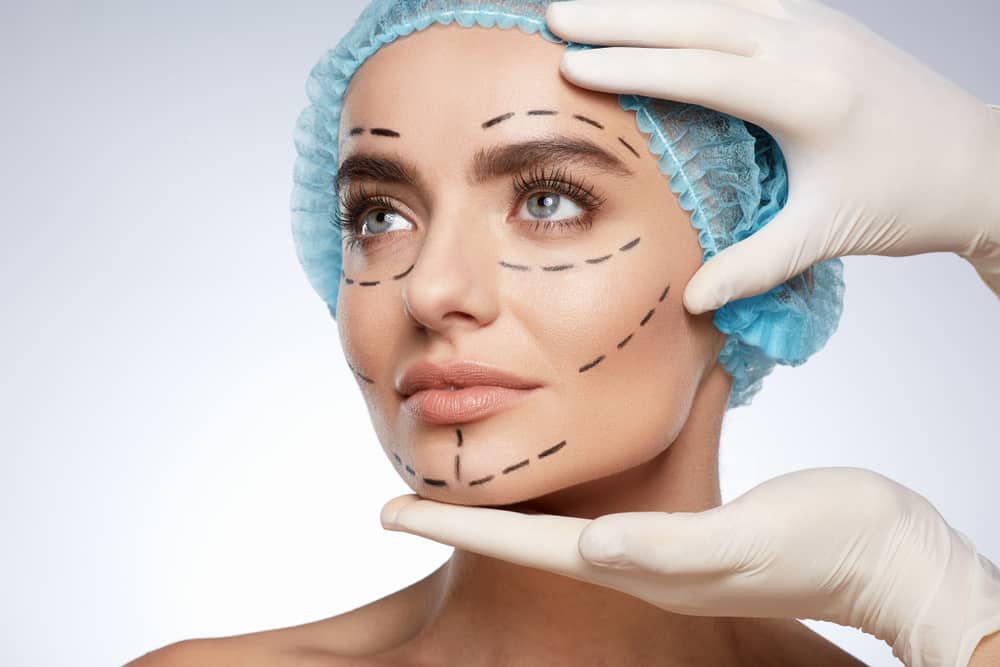
Immerse yourself in the rapidly evolving universe of cosmetic surgery. Stationed in the epicenter of the aesthetic world, my perspective as a cosmetic specialist New York opens up vistas into the constant flux of this innovative domain. Just as the city never sleeps, the field of cosmetic surgery continually reinvents itself. Get ready, as we delve deep into the pulse of this transformative industry and the emerging trends therein.

The Renaissance of Minimalism

Less is more – this adage is making a grand comeback in the realm of cosmetic surgery. The era of exaggerated transformations is gradually fading, replaced by the desire for subtle enhancements that honor, rather than alter, one’s natural features.

A Slew of Non-Invasive Procedures

Thanks to advancements in medical technology, we’re moving towards gentler, non-invasive procedures. Think lasers, fillers, and radiofrequency treatments – all designed to rejuvenate and refresh without the demands of traditional surgery.

The Rise of Personalized Treatments

Individualization is the new norm in cosmetic surgery. Tailored treatments based on genetic makeup and personal aesthetic goals are leading the way, reflecting a deeper understanding of beauty as unique to each individual.

Embracing Diversity

The beauty industry is finally catching up with the demand for diverse beauty standards. Cosmetic surgery is no exception. More and more people are seeking procedures that celebrate their cultural identity, rather than conforming to a one-size-fits-all ideal.

Preventive Measures

Increasingly, people are turning to cosmetic surgery not just for corrective measures, but also for preventive ones. Early interventions, like Botox injections in one’s 20s or 30s, can delay the onset of wrinkles and other signs of aging.

Technology Meets Aesthetics

The integration of technology into the field of cosmetic surgery is nothing short of game-changing. 3D printing, virtual reality, and AI-powered diagnosis are just a few of the exciting innovations transforming the patient experience from consultation to recovery.

In this rapidly evolving landscape, rest assured that as a cosmetic specialist in New York, I am at the forefront of these changes. Together, we’ll navigate this exciting terrain, embracing innovation while honoring the unique beauty of each individual.

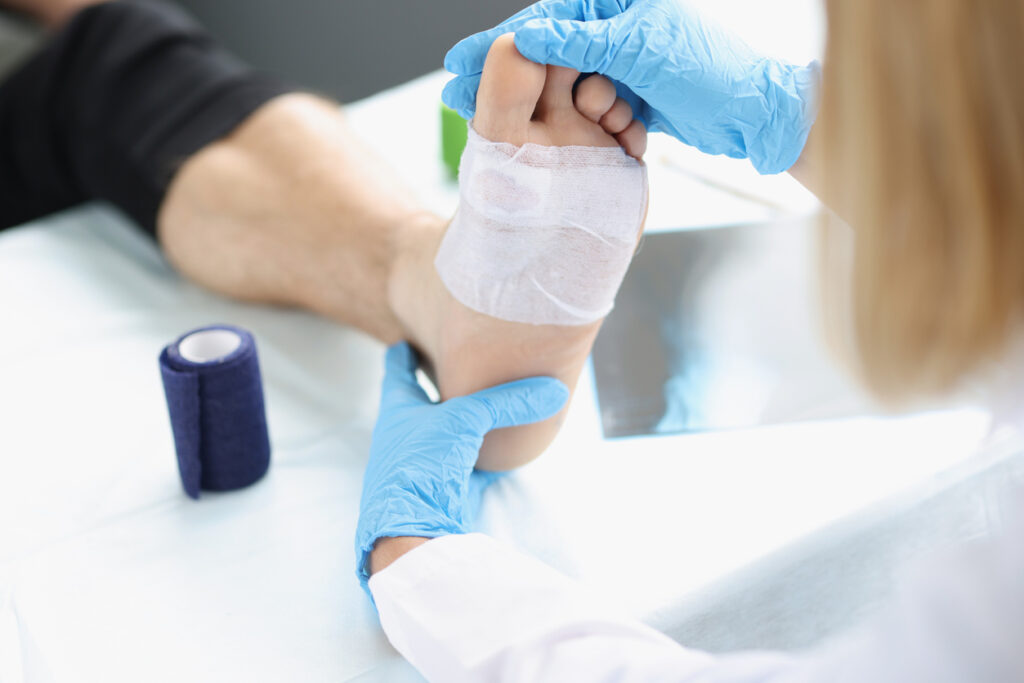
Imagine you’re a passionate athlete. You’ve been sidelined with a foot or ankle injury, and it’s driving you crazy. You miss the rush of the game, the camaraderie of your team, the sweet taste of victory. You’re desperate to get back out there. That’s where a podiatrist comes into the picture. In particular, a garland podiatrist can be your secret weapon in recovering from your sports injury. They’re the foot and ankle experts who can help put the spring back in your step. So, let’s explore how a podiatrist can steer your sports injury recovery towards a quicker, more effective path.

Understanding the Role of a Podiatrist

First, we need to understand what a podiatrist does. They are medical professionals specialized in diagnosing and treating conditions related to the foot and ankle. They have the knowledge and tools to get you back on track after a sports injury.

Diagnosing the Problem

Foot and ankle injuries can be complicated. There might be underlying issues that aren’t immediately noticeable. A podiatrist uses specialized diagnostic tools to get to the root of the problem. They’ll identify what’s causing the pain – whether it’s a stress fracture, a strained ligament, or something else.

Tailored Treatment Plans

Once the issue is diagnosed, the podiatrist will design a treatment plan specifically for you. This might include physical therapy, medication, or in some cases, surgery. They’ll guide you through every step of the recovery process, making sure you’re doing the right exercises and taking the right steps to heal.

The Importance of Prevention

Healing from a sports injury is one thing. Preventing future injuries is another. This is where a podiatrist really shines. They can teach you how to protect your feet and ankles in the future, providing advice on footwear, stretching, and other preventative measures.

The Role of a Garland Podiatrist in Sports Injury Recovery

A garland podiatrist can make all the difference in your sports injury recovery. They bring a wealth of knowledge and expertise to the table, helping you heal faster and more effectively. But they do more than just treat injuries. They also provide the guidance and support you need to stay healthy and prevent future injuries. So if you’re an athlete nursing a foot or ankle injury, don’t wait. Reach out to a Garland podiatrist today and take the first step toward getting back in the game.

Myths and misconceptions about acupuncture. They’re everywhere. “Does it work?” “Isn’t it painful?” “Is it just a placebo?” These questions buzz around like bees in a summer garden. I want to take you on a journey today, using the wisdom of the well-respected healer, Lee Schwalb. “Healing,” Lee Schwalb said, “is not about believing. It’s about understanding.” So let’s understand. Let’s pull away the veil of mystery, debunk the myths, and discover the truth about acupuncture. Let’s dive into the world of lee schwalb healing, separating the facts from the fiction.

The Myth: Acupuncture is Painful

False. One of the most pervasive misconceptions about acupuncture is that it’s painful. In reality, the needles used in acupuncture are incredibly thin – about as thick as two human hairs. You won’t feel anything more than a slight pinch.

The Myth: Acupuncture is Unproven Science

Not quite. While acupuncture may not be fully understood by Western medicine, it has thousands of years of history and has been proven effective in a number of scientific studies. Looking at it through the lens of ‘Lee Schwalb healing’, it’s about opening up the body’s natural pathways to health and wellness.

The Myth: Acupuncture is a Placebo

Wrong. A placebo effect implies that the patient’s belief in the treatment is what makes it work. However, acupuncture has been proven effective in animals and babies – neither of which is capable of understanding the concept of acupuncture, let alone believing in it.

The Reality: Acupuncture is About Balance

Acupuncture works by bringing balance to the body’s energy, or ‘Qi’. It targets specific points – acupoints – along meridians (energy pathways) in the body. Unblocking these points allows energy to flow freely, leading to improved health and wellbeing.

The Reality: Acupuncture is a Holistic Approach

Under the banner of ‘lee schwalb healing’, acupuncture takes a holistic view of the body. Instead of treating isolated symptoms, it looks at the whole person: mind, body, and spirit. It seeks to address the root cause of ailments, not just the symptoms.

The Reality: Acupuncture Offers Multiple Benefits

Acupuncture offers a myriad of benefits. It can help manage pain, reduce anxiety, improve sleep, and enhance digestion. It can strengthen the immune system, boost mood and energy levels, and much more.

In conclusion, acupuncture is not a magical cure-all. It’s a time-tested healing method that works in harmony with the body’s own healing mechanisms. It’s less about belief, more about understanding, and entirely about balance. Just as Lee Schwalb would have it.

Welcome to a world where technology and medicine collide to create amazing solutions! Picture this – I’m standing in the heart of an operation room, draped in a white coat, with the prestigious emblem of the Sports Medicine Associates of San Antonio adorning my chest. In my hand, I hold a tool that could be mistaken for a gadget off a sci-fi movie set. But no, this isn’t science fiction. This is the reality of modern orthopedic surgery. This high-tech device, along with many others, is revolutionizing the way we approach bone and joint treatment. It’s a thrilling era, where the lines between technology and medicine blur. Here, we’re diving into the incredible impact of technology in orthopedic surgery.

The Dawn of the Robotic Age

Imagine a robot performing surgery. Sounds like a plot twist from a Hollywood blockbuster, right? Wrong. It’s reality. Robots are now assisting surgeons in delicate procedures, providing unparalleled precision. The result? Fewer errors, less invasive operations, and faster recovery times.

3D Printing – Creating New Possibilities

3D printing is no longer just for prototypes or quirky home projects. It’s transforming orthopedic surgery. Surgeons can now create precise, patient-specific implants. They can even practice complex surgeries on 3D printed models before the actual procedure. This is a giant leap towards personalized medicine.

Artificial Intelligence – The Smart Approach

Imagine having a computer assistant that can predict a patient’s recovery time or the success rate of a procedure. That’s what AI is doing in orthopedics. It’s helping surgeons make better decisions, optimize treatments and predict outcomes. This isn’t just smart, it’s revolutionary.

VR and AR – Training and Treating

Virtual Reality (VR) and Augmented Reality (AR) are not just for gamers anymore. In the world of orthopedics, they’re changing how surgeons train. They’re also helping in the treatment of patients, allowing them to visualize and understand their conditions better.

The Impact – Changing Lives

What does all this mean for patients? It means better outcomes, less pain, and faster recovery. It means hope for those who thought they’d never walk, run, or even stand again. The impact of technology in orthopedic surgery is profound – it’s changing lives.

The Future – A New Era

The fusion of technology and orthopedic surgery has only just begun. The possibilities are seemingly endless. From nanobots repairing cellular damage, to exoskeletons helping paralyzed patients walk – the future is bright. And I, along with the team at the Sports Medicine Associates of San Antonio, am excited to be part of this journey.

Imagine lying in bed, night after night, unable to escape the relentless grasp of pain. Not just any pain, but the agonizing, life-altering torment of degenerative disc disease oviedo. It’s a pain that gnaws at your physical well-being and, in turn, your mental health. This isn’t just a battle against an ailing body; it’s a war waged inside the mind. That’s the harsh reality of chronic pain. In this blog, we dig deep into the psychological aspects of pain management. We will peel back the layers of mental anguish intertwined with physical suffering, and explore strategies that can ease the burden.

The Mind-Body Connection

Our bodies and minds share a profound, complex connection. When your body hurts, your mind feels it too. The creeping sense of despair, the hopelessness–it’s all part of the psychological fallout of chronic pain.

Understanding the Psychological Impact

Chronic pain doesn’t just hurt. It invades your life, changes your routine, and even alters your perception of yourself. People with chronic pain often experience depression, anxiety, and feelings of worthlessness.

Pain and Mental Health: A Two-Way Street

The relationship between chronic pain and mental health is a two-way street. Just as physical pain can lead to mental distress, mental health struggles can also amplify physical pain.

Managing Pain: More Than Just Medication

Effective pain management isn’t just about suppressing the physical symptoms. It’s also about addressing the underlying psychological issues. This might involve therapy, mindfulness exercises, or support groups.

The Power of Positive Thinking

It may sound trite, but there’s truth in the old adage about the power of positive thinking. By shifting our focus away from the pain and onto positive thoughts, we can often reduce the intensity of our suffering.

Conclusion: A Holistic Approach to Pain Management

There’s no magic bullet for managing chronic pain. But by understanding the psychological aspects of pain management, we can take a more holistic approach. This can help to ease both the physical and the mental burden of pain.

Imagine a couple in the heart of Boynton Beach, Florida. They’re wrestling with a silent, invisible monster that eats away at their happiness – the beast known as depression. It’s a tough fight, one they can’t win on their own. They need a guide, a trained professional to navigate them through this murky fog. That’s where psychiatrists come in. In this blog post, let’s delve into how these professionals play a crucial role in facing down boynton beach depression, and the wider world of this mental health issue.

The Psychiatrist: An Unseen Hero

A psychiatrist is like a lighthouse keeper, guiding ships lost in a storm. They light the way in the turbulent sea of depression. They help make sense of the chaos. It’s not just about prescribing pills. They’re problem solvers, listeners, helpers.

Understanding Depression

Depression is more than just feeling sad. It’s a relentless beast that drains the color from life. You stop enjoying things you once loved. You feel empty, alone. It’s like a never-ending tunnel with no light in sight.

Paving the Way to Recovery

Psychiatrists play a pivotal role in tackling depression. They’re trained to understand the complex workings of the human mind. They explore the root causes of depression. They devise a personalized treatment plan. They’re the captains navigating the ship through the rocky waters of mental illness.

Beyond the Prescription Pad

Yes, medication is often a part of the treatment. But psychiatrists do much more. They provide psychotherapy, helping individuals recognize harmful thought patterns. They empower patients to develop coping strategies. They offer a space for open, honest conversation about mental health.

A Lifeline in Boynton Beach

In Boynton Beach, psychiatrists are a lifeline for those grappling with depression. They offer hope and help to those caught in the grip of this debilitating illness. They’re the unsung heroes in the battle against ‘Boynton Beach depression’.

Conclusion

The role of a psychiatrist in dealing with depression cannot be overstated. They’re not just health practitioners. They’re allies, guides, and champions in the fight against mental illness. They help people reclaim their lives from the clutches of depression. And that’s a role worth celebrating.

Yorkville, Toronto, Canada facial fat grafting. It may seem like a handful of words, but it carries a world of meaning. It’s a microcosm of the broad and complex field of plastic surgery. This field isn’t just about beauty and vanity – it’s so much more. It’s a world that thrives on the delicate balance between aesthetic and reconstructive procedures. Yes, it involves enhancing physical attributes, but also restoring them, giving people a chance to look and feel like themselves again. Today, we’re taking a deep dive into this captivating world, illuminating the divide and the connection between aesthetic and reconstructive plastic surgery.

The Aesthetic Side of Plastic Surgery

When you hear the term plastic surgery, what comes to mind? For many, it’s aesthetic – procedures that enhance or alter physical appearance. Think of nose jobs, lip augmentations, or our speciality here in Yorkville, facial fat grafting. People opt for these procedures to enhance their looks, boost their confidence, or simply feel better about themselves. It’s a world of transformation, where skilled surgeons use their expertise to help individuals achieve their desired appearance.

Reconstructive Plastic Surgery: A New Lease on Life

On the other side of the coin, we have reconstructive procedures. These aren’t about vanity or enhancement, but restoration. Think about individuals recovering from accidents, burns, or diseases. Their goal isn’t to look better, but to regain their former appearance, to restore what was lost. Procedures such as skin grafting, tissue expansion, and microsurgery all fall under this category. It’s a world of restoration, where surgeons play a critical role in helping individuals regain their normal lives.

The Connection: More than Skin Deep

At a glance, these two facets of plastic surgery may seem worlds apart. But scratch beneath the surface, and you’ll see they share a common thread – improvement. Whether it’s enhancing what you have or restoring what was lost, the goal is the same: to help individuals feel better about themselves. It’s a world of improvement, where the skills of the surgeon meet the hopes of the patient.

Yorkville, Toronto, Canada Facial Fat Grafting: A Blend of Aesthetic and Reconstructive

Back to where we began – Yorkville, Toronto, Canada facial fat grafting. It’s a perfect example of the blend between aesthetic and reconstructive plastic surgery. It’s an aesthetic procedure, yes – but it’s also reconstructive. By harvesting fat from one area of the body and injecting it into the face, it enhances facial features while also restoring lost volume. It’s a world of balance, where aesthetic meets reconstructive, and where individuals get the chance to look and feel their best.

So, the next time you hear the term plastic surgery, remember – it’s not just about vanity. It’s about balance, improvement, and restoration. It’s about giving individuals a chance to be their best selves. Plastic surgery is indeed a world of wonder, one that goes far beyond skin deep.

It’s a crisp, sunny day in the Upper East Side. But as you’re strolling, you notice a familiar discomfort – your varicose veins. That’s it, you decide. It’s time to meet a cardiologist. But the idea of a first cardiologist appointment can feel a little like standing at the foot of a towering skyscraper, daunting and unknown. Fear not. This blog will help you navigate that first visit, and you’ll walk into that Upper East Side office prepared and confident. ‘varicose veins Upper East Side,’ you’ll say, and it will be the start of your journey to better heart health. So let’s get started.

Understanding Your Situation

First things first, understand your situation. You have varicose veins and it’s important to grasp what that means. It’s not just about the discomfort or the aesthetics. Varicose veins might signal underlying heart conditions. They’re not the villain in the story. They’re the alarm bell.

Know Your History

Remember, every superhero has an origin story. Yours is your medical history. Note down your symptoms. It could be aching legs or a rapid heartbeat. Don’t forget your family history. Your father’s heart condition or your mother’s high blood pressure – these narratives shape your story.

Preparation is Key

Now, let’s talk about the big day – your first cardiologist appointment. Don’t let the white-coat syndrome get you. You’re not the patient here. You’re the protagonist. Here’s a checklist for you –

  • Your medical history
  • List of medications you’re on
  • Any questions you have

What to Expect

Stepping into the cardiologist’s office might feel like stepping into the unknown. But here’s a spoiler. Your cardiologist is your ally. They’ll listen to your story, conduct an exam, maybe even suggest further tests. You’re in good hands.

Post-Appointment

Once your appointment is over, breathe out. You’ve taken the first step towards a healthier heart. Follow your cardiologist’s advice, take your medications, and keep your follow-up appointments. Remember, Rome wasn’t built in a day, and neither is a healthier heart.

Conclusion

So there you have it. Hopefully, now the idea of your first cardiologist appointment doesn’t seem as daunting. Embrace the journey towards better heart health. Your varicose veins Upper East Side moment is just the beginning. Let’s march forward, shall we?

Addiction is a chronic and serious condition that affects millions of people in the United States. Substance abuse can lead to harmful physical, mental, and emotional consequences, affecting one’s family and work life. Sadly, many people with addiction do not seek treatment, despite the potential for a difficult and dangerous life on the streets without intervention. If you or someone you love is struggling with addiction, it is essential to seek professional assistance from comprehensive addiction treatment atlanta ga.

A comprehensive addiction treatment program is a holistic approach that can help an individual overcome addiction by addressing the underlying psychological and physical stressors caused by substance abuse. In Atlanta, GA, there are various addiction treatment services available to help individuals recover and maintain their sobriety. Some of the most common services offered include detox, therapy, outpatient care, and sober living.

Detoxification is a crucial first step in addiction treatment, aimed at removing the harmful substances from the body and managing any symptoms that arise. The detox process requires careful monitoring by a licensed medical professional to ensure the safety and comfort of the patient. Following completion of detox, the patient can transition into therapy as led by qualified professionals. Therapy sessions will help individuals with addiction to understand their behaviors and the underlying triggers, thus providing the right tools for coping once outside of treatment. Group therapy is often the preferred method, as it offers social support and promotes openness about life’s challenges.

Outpatient care is another essential component that ensures individuals’ recovery from addiction, as it assists to cultivate the strengths needed to avoid relapse. Outpatient care offers structured therapy sessions during the week with limited access to substances and minimal distractions. Sober living, a program often offered through an addiction-treatment center or organization, is an effective option for individuals in recovery and in need of a supportive environment. Here, the patient can live in an environment free from drugs, alcohol, and peer pressures of the outside world.

Some other addiction treatment services available in Atlanta, GA, include one-on-one support, alternative medical approaches, aftercare follow-up, relapse prevention strategies, and care for co-occurring conditions, such as depression, anxiety disorders, and PTSD. These services can be tailored to the patient’s needs and challenges experienced.

Conclusion:

In conclusion, addiction treatment services in Atlanta, GA, offers comprehensive, personalized treatment options and expertise to help individuals overcome substance use disorders. Rehabilitation and treatment services have step-by-step programs that address the root cause of addiction and support individuals throughout the recovery process. Moreover, by seeking appropriate addiction treatment services, patients receive the support and care needed to combat cravings, improve their overall well-being, and significantly reduce relapse rates. If you or someone you know is struggling with addiction, don’t wait any longer to seek help from a reliable and comprehensive addiction treatment center today.