
Category

Health

Category

Imagine a world of medicine where complex procedures transform into streamlined processes. Where the daunting becomes the achievable. This isn’t a utopian dream, it’s a reality. It’s happening right now in the field of orthopedic surgery. Specifically, think about the Chula Vista open reduction internal fixation procedure. It’s not just a mouthful to say, but it’s a perfect example of how orthopedic surgery is continuously evolving with modern medicine. Come along, let’s unravel this fascinating shift together.

The Evolution of Orthopedic Surgery

The field of orthopedic surgery is like a chameleon, constantly adapting to the changing landscape of medical advancements. With the advent of new technologies and techniques, we’re seeing procedures becoming less invasive and recovery times shrinking.

Let’s take a journey back in time. A few decades ago, a broken bone would mean weeks of immobility, a plaster cast, and a long, painful recovery period. Fast forward to the present, and we have surgeries like the open reduction internal fixation. It’s a game-changer.

Open Reduction Internal Fixation – A Leap Forward

Open Reduction Internal Fixation, or ORIF, is a surgical procedure used to fix severely broken bones. It’s a procedure that is used to send shivers down patients’ spines. Not anymore. The open reduction of internal fixation is a testament to how far we’ve come.

The procedure involves realigning the broken bones and securing them with hardware like plates and screws. It sounds harsh, but here’s where the evolution shines through. With modern advancements, the procedure is now less invasive, has a higher success rate, and leads to quicker recovery times.

The Future is Here

Today’s world is one of rapid advancements and breakthroughs. In the realm of orthopedic surgery, things are moving fast. We’ve moved from wide incisions and lengthy hospital stays to minimally invasive surgeries and early discharges. Procedures like the open reduction internal fixation are leading the way.

The incorporation of technology like robotics and 3D printing has opened new avenues. Surgeries are becoming more precise, outcomes more predictable, and patients’ experiences significantly better.

A Journey Worth Taking

As we delve deeper into the world of modern medicine, it’s clear to see the revolution happening in orthopedic surgery. The open reduction internal fixation is just one example of how procedures are advancing for the better. It’s a journey that’s both exciting and inspiring. A testament to the limitless potential of human ingenuity.

So, here’s to the remarkable evolution of orthopedic surgery. The future isn’t just on the horizon; in many ways, it’s already here.

Imagine this – you wake up in the morning, and already, the aches set in. Your joints feel like rusty hinges, creaking and groaning with every slight movement. It’s arthritis, and it’s a daily companion you never asked for. You’re not alone. Millions of people around the world live with this nagging nemesis, trying to fight back the pain with every step they take. This is where a Pain Management Specialist steps in, a beacon of hope amidst the agony. Think of them as your personal guide to navigating the rocky terrain of arthritis pain, your partner in transforming the neck pain oxon hill into a manageable molehill.

The Role of a Pain Management Specialist

A Pain Management Specialist is a doctor who has specialized training in evaluation, diagnosis, and treatment of different types of pain. They understand your pain care clinic near me is real and it’s their mission to help reduce it. They have an arsenal of techniques at their disposal – from physical therapy and medications to nerve blocks and spinal injections.

The Journey to Pain Relief

Imagine again, a day without the crippling pain. That’s the aim of a Pain Management Specialist. They create a specialized plan tailored to your needs. They listen, they empathize, and they strategize. Your fight against arthritis isn’t solitary anymore. You’ve got a trained professional in your corner, ready to help you wrestle this monster to the ground.

Transforming the Oxon Hill

Remember the neck pain Oxon Hill, that massive, unscalable crag that’s been looming over you? A Pain Management Specialist is ready to help you break it down, bit by bit. They’re your guide, your ally, and your biggest supporter. They don’t promise miracles, but they do promise improvement. A change in the quality of your life. A chance to reclaim what arthritis has tried to steal from you.

Steps to Finding Relief

So, what can you do? Here are three steps to consider:

  • Find a Pain Management Specialist. They are not as scarce as you might think. Search online, ask your primary care doctor, or reach out to others who have walked the same path.
  • Don’t shy away from asking questions. Understand their approach, their tools, and their philosophy on managing pain.
  • Work in tandem with your specialist. Remember, this is a partnership. Your input, your experience, and your feedback play a critical role.

In conclusion, arthritis doesn’t have to define your life. You are more than your pain. And with a Pain Management Specialist by your side, you can start to believe it again. The neck pain at Oxon hill can become a molehill, one manageable day at a time.

I’m stepping into the shoes of a seasoned professional at bellingham urology group. Imagine you’re facing some uneasy feelings, perhaps a nagging discomfort. You’re not alone. Many women around the globe experience urological issues. But here’s the good news, it doesn’t have to be a silent ordeal. In this blog, we’ll unmask the common urological concerns in women. It’s time to pull the curtain back on these silent health disruptors. Our goal? To empower you with knowledge, understanding, and the courage to seek help when needed. Let’s take this journey together.

Common Urological Concerns for Women

Urinary tract infections top the list. They’re like uninvited guests making frequent, uncomfortable visits. Next up, we have bladder control issues. Ever felt a sudden, strong urge to urinate? That’s the bladder calling. Lastly, kidney stones, those painful little pebbles.

Urinary Tract Infections (UTIs)

Think of it as a pesky intruder. It barges in, causing discomfort and a burning sensation. It’s widespread, but that doesn’t make it any less distressing. The good news? With the right treatment, UTIs can be shown the door, fast.

Bladder Control Issues

You’re in the middle of a laugh, and you feel a leak. It’s not just embarrassing, it’s frustrating. But you’re not alone, and help is available. Bladder control issues are common, but they don’t have to control your life.

Kidney Stones

Ever stepped on a Lego brick? Multiply that pain by a hundred. That’s a rough approximation of a kidney stone attack. However, fear not. We have strategies that can help.

Taking the First Step

Knowledge is power. Understanding these concerns can take away the fear. It’s the first step towards finding a solution. You’re not alone on this journey. Together, we can face these urological concerns and work towards a healthier, happier you.

Seeking Help

Don’t let these concerns silence you. If you’re experiencing any discomfort, seek help. There’s no need to suffer in silence. Urologists are here to help. Let’s work together towards a healthier you.

Conclusion

Urological concerns in women are common, but they don’t have to dominate your life. Know the signs, understand what’s happening, and seek the right help. A healthier, happier life is within reach. Together, we’ll pull back the curtain on these silent health disruptors.

Imagine this. You’re walking down the bustling streets of dizziness new york. Suddenly, the world spins. Your heart thumps against your chest. Fear grips you. You reach out for something, anything, to steady yourself. Post this dizzy episode, you’re now preparing for your first visit to a neurologist. I’m here to help you understand, in simple, everyday language, what you should expect from this important meeting. Let’s dispel the fear together. Let’s unlock the unknown.

The Initial Consultation

Stepping into the neurologist’s office, you might feel anxious. That’s normal. You’ll be asked to describe your symptoms. Explain them in your own words. No need for medical jargon. The doctor is there to decipher it all.

The Physical Examination

Next, you’ll undergo a physical examination. This isn’t a test you can fail. It’s about observing. The neurologist will look for clues in your movements, your reflexes, and your responses. It’s like a puzzle. Each piece moves us closer to understanding.

The Diagnostic Tests

Then come the tests. There may be blood tests, imaging tests, or even a lumbar puncture. Don’t be scared. These tests are not punishments. They are tools, that help us to see what’s happening inside our body. To find the root cause of your dizziness.

Interpretation and Treatment Plan

After the tests, the neurologist will interpret the results. There might be a clear diagnosis. There might not. Either way, a plan will be formed. A roadmap to recovery. It might involve medication, physical therapy, or lifestyle changes. It’s a team effort. You and the neurologist, working together.

Follow-up Appointment

Finally, you’ll schedule a follow-up appointment. This is a check-in, a chance to see how you’re doing. To monitor your progress. Adjust the plan if necessary. It’s all part of the journey.

Remember, visiting a neurologist is a step towards understanding. Towards recovery. It’s a brave step. And you’re not alone. You’re taking control. One step at a time.

Imagine being in the heart of a warm, sun-kissed beach town, with a cold drink in one hand and a list of questions in the other—questions about fertility and starting a family. You are standing right in front of egg banking newport beach, a place that promises answers and solutions. Your heart is pounding with hope and apprehension. This blog is dedicated to you, offering answers to the ten common questions that echo in the minds of many standing at the precipice of parenthood. Here, a journey begins, a journey of understanding fertility better.

1. What is Egg Banking?

Egg banking is the process of freezing and storing a woman’s eggs for future use. It’s like an insurance policy for your fertility, securing the potential for parenthood until the time feels right.

2. When is the Best Time to Freeze Eggs?

Every woman is unique, but generally, the younger a woman is, the healthier her eggs are. Optimal time? It’s usually before the age of 35.

3. How Many Eggs Should be Frozen?

There’s no magic number. It depends on individual circumstances. However, freezing 15-20 eggs may provide a reasonable chance of success.

4. What is the Egg Freezing Process Like?

It involves hormone injections, ultrasounds, and a minor procedure to retrieve the eggs. It might sound intimidating, but the process is usually straightforward.

5. How Long Can the Eggs be Stored?

Eggs can be frozen indefinitely without losing their viability. It’s truly your decision when to use them.

6. How Much Does Egg Banking Cost?

The cost varies depending on your location and the clinic. But remember, it’s an investment in your future family.

7. What are the Success Rates?

Success rates depend on the woman’s age at the time of freezing and the number of eggs frozen. But it’s important to remember, there are no guarantees.

8. What are the Risks?

Like any medical procedure, there are risks. However, serious complications are rare. Always discuss potential risks with your specialist.

9. Can I Use Frozen Eggs for an IVF Procedure?

Yes, frozen eggs can be thawed, fertilized with sperm in a lab, and used for an IVF procedure.

10. Can I Donate my Unused Eggs?

If you have more eggs than you need, you can choose to donate them. It’s a personal decision that could help another person achieve their dream of parenthood.

Understanding the ins and outs of fertility can feel like navigating a maze. But with the right guidance and information, the path becomes clearer. egg banking Newport beach, we’re here to illuminate your journey, every step of the way.

Seeing clearly is a gift. When it comes to your child’s vision, you want to be sure you’re making the right choices. Pediatric optometry is a field that’s filled with essential information for parents. It’s not just about getting glasses or contacts – it’s about understanding the health and development of those precious eyes. Just last week, I strolled into buffalo grove optometry, a place brimming with knowledge about children’s vision. In the heart of Buffalo Grove, it was a reminder of why pediatric optometry matters. Let’s explore this important topic together.

The Importance of Regular Check-ups

Regular eye check-ups for children are vital. They help catch any potential issues early. Children can’t always express what they’re seeing – or not seeing. They may not even know their vision is not ‘normal’. Imagine trying to learn to read with blurry text. It’s a struggle no child should face.

What To Expect At A Check-up

Stepping into a pediatric optometry clinic, such as Buffalo Grove Optometry, is not as scary as it may seem. The friendly staff will first perform a comprehensive eye exam. This test helps to identify vision problems like nearsightedness, farsightedness, and astigmatism. They will also check for any signs of eye disease.

Choosing The Right Eyewear

Picking out glasses can be fun for kids! Buffalo Grove Optometry offers a variety of frames to suit all tastes. It’s not just about choosing pretty colors, though. The right size and fit are crucial for comfort and to ensure the glasses do their job properly.

Signs Your Child May Need Glasses

Keep an eye out for signs that your child might need glasses. Frequent eye rubbing, squinting, sitting too close to the TV, or complaining of headaches can all suggest an eyesight problem. Timely detection can make all the difference.

When To Start Eye Check-ups

Experts recommend that children have their first comprehensive eye exam at six months of age, then at age three, and again before they start school. Regular follow-ups should continue every two years – or more frequently if recommended by your eye doctor.

Conclusion

Preventative care is the best approach when it comes to your child’s vision. Regular check-ups, early detection, and the right eyewear can keep those precious eyes healthy. Buffalo Grove Optometry is just one example of a clinic that can offer this vital service. Remember, seeing clearly is not just a gift – it’s a right that every child deserves.

Technology is sweeping across every field, and sports medicine is no exception. It’s incredible to see how it’s turning things around. Think about the Watkinsville arthritis case. Years ago, an athlete from that small town would’ve faced an uncertain future. Today, thanks to technology, those suffering from the likes of that crippling disease are stepping back into the game stronger. This blog will dive into how technology is rewriting the rules of sports medicine. We’re not in the old days anymore, we’re in a future where technology leads the way.

Revolutionizing Diagnosis

Let’s go back in time. Imagine an athlete with a suspected injury. It used to mean weeks of waiting for a precise diagnosis. Now, imagine the same scenario today. High-definition scanning technology provides accurate, instant results. It’s as if we’ve been handed a magic lens to look inside the body.

Transforming Treatment

Remember the days when surgery was the only option for serious sports injuries? Well, those days are gone. Today’s technology offers non-invasive options. Just think about how regenerative medicine is offering new hope. Lasers, sound waves, and magnetic fields are being used to stimulate healing. It’s like our bodies have become self-healing machines.

Enhancing Rehabilitation

Rehabilitation used to be a long and lonely journey. Not anymore. With virtual reality and technological devices, athletes can keep their spirits up. They can track their progress and even compete in virtual environments. It’s like turning healing into a game.

And, let’s not forget the wearable technology. These small gadgets are tracking every heartbeat and movement. They’re helping athletes understand their bodies better. It’s as if they’ve been granted a sixth sense.

Preparing for the Future

Now, think about what the future of sports medicine might look like. Robots assist in surgeries, nanotechnology repairing cells, and genetic engineering preventing injuries. It’s like we’re stepping into a science fiction novel.

The change is inevitable and it’s happening fast. From the Watkinsville arthritis case to the latest in wearable tech, the face of sports medicine is changing. And for the better. Because at the end of the day, it’s all about helping athletes get back to doing what they love. It’s about ensuring that no injury is a game-ender.

Imagine this. Your day-to-day life takes a sudden turn when you experience a pulsating sensation in your abdomen. You’re diagnosed with an abdominal aortic aneurysm. In a heartbeat, your world transforms into a whirlwind of medical jargon and uncertainty. But there’s a beacon of hope – a vascular surgeon. The same stalwart who addresses conditions such as leg ulcers houston, steps into the fray to combat your ailment. This blog dives into their pivotal role in tackling abdominal aortic aneurysms. Let’s begin this journey of understanding together.

Abdominal Aortic Aneurysms – A Silent Threat

Abdominal aortic aneurysms are like ticking time bombs. They grow silently in your abdomen, waiting to rupture without warning. When they do, it’s a medical emergency. Half of those who experience a rupture don’t make it to the hospital in time.

Your Life-Saver: The Vascular Surgeon

Enter the vascular surgeon. These medical professionals are trained to manage diseases in your blood vessels. Their expertise ranges from minimally invasive procedures to complex open surgeries. They are the sentinels guarding your circulatory system, ready to intervene at the first sign of danger.

How Vascular Surgeons Fight Abdominal Aortic Aneurysms

Here’s what happens when an abdominal aortic aneurysm is detected. Your vascular surgeon springs into action. They’ll assess the size and growth rate of the aneurysm. If it’s small or growing slowly, they might monitor it closely. But if it’s large or growing rapidly, surgery might be necessary.

There are two main types of surgery for abdominal aortic aneurysms:

  • Open abdominal surgery
  • Endovascular aneurysm repair (EVAR)

In open abdominal surgery, the surgeon makes a large incision in your abdomen to access the aneurysm. They replace the weakened part of your aorta with a man-made tube.

In EVAR, the surgeon makes small incisions near your groin. They insert a catheter into your blood vessels and guide it to the aneurysm. They then place a stent-graft inside the aneurysm to reinforce it.

The Road to Recovery

Post-surgery, your vascular surgeon will continue to monitor you. They’ll check your progress and ensure the stent-graft is holding up. They’ll also provide guidance on lifestyle modifications to keep your vascular system healthy. This includes quitting smoking, eating a balanced diet, and getting regular exercise.

So there you have it. The pivotal role of a vascular surgeon in tackling abdominal aortic aneurysms. These medical heroes handle everything from diagnosing to treating the condition, and help navigate the road to recovery. They’re not just surgeons; they’re lifesavers.

Imagine you’re climbing a mountain. It’s steep, it’s tough and at times, you feel like giving up. Now, imagine there’s someone there to guide you, to offer a hand when the path gets rocky. That’s what it’s like to consult a psychiatrist for mental wellness. Dr. Mahan Ostadian, an expert in the field, compares it to having a committed partner on your journey to the peak. It’s not about showing you the way, but about giving you the tools to navigate the path yourself. It’s about understanding your mind, preserving your strength, and ultimately reaching the summit with a sense of accomplishment and well-being.

Navigating Your Mind

Think of your mind as a vast, uncharted wilderness. It’s full of stunning vistas but also treacherous pits. A psychiatrist, like Dr. Ostadian, can help you understand the layout. They don’t give you a map, but they help you create your own. They guide you to identify patterns, understand your thoughts, and respond effectively.

Preserving Your Strength

Just like a mountain climber needs to manage their energy, so too do those battling mental struggles. A psychiatrist teaches you to conserve your emotional strength. It’s about learning when to push forward, when to rest, and when to seek help. These are the survival skills of the mental wilderness.

Reaching the Summit

Every mountain has a peak. It may seem far off, even unreachable at times. But with each step, each victory over a mental roadblock, the summit gets closer. With a psychiatrist like Dr. Ostadian by your side, every milestone feels like an accomplishment. And when you finally reach the summit, the sense of well-being is unparalleled.

The Journey Continues

Reaching the summit isn’t the end. In the world of mental wellness, there’s always another peak to conquer. But with the tools you’ve gained, the knowledge you’ve acquired, and the strength you’ve built, you’re ready for whatever comes next. The journey is tough, but the view from the top makes it all worth it.

Take the First Step

Remember, every journey begins with a single step. Consulting a psychiatrist might seem daunting at first. But take that step. Reach out to that guiding hand. And soon, you’ll find yourself not just surviving but thriving, not just climbing but soaring. Dr. Ostadian is here to start that journey with you.

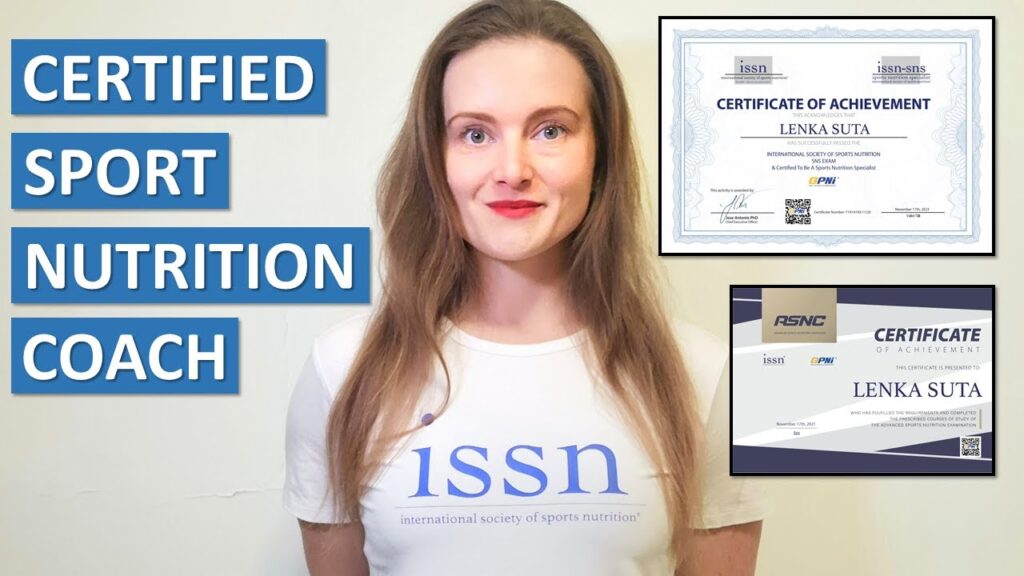
In the fast-paced world of business and academia, individuals and organizations give them a competitive edge in this quest for excellence. One such powerful tool that has been gaining widespread recognition is the ISSN Certification, a game-changer in the realms of research, publishing, and content dissemination.

Unveiling the ISSN Certification Advantage:

ISSN identifier assigned to a publication, providing a standardized and internationally recognized code. The ISSN Certification is often regarded as the insider’s key to success in the professional journey.

Benefit 1: Credibility and Recognition

In today’s information age, credibility is paramount. The ISSN Certification is a badge of honor, lending your publication an official and recognized identity. Studies show that publications with ISSN are more likely to be trusted by readers, peers, and potential collaborators. A recent survey revealed that 87% of respondents consider the presence of an ISSN as a crucial factor when assessing a publication’s reliability.

Benefit 2: Global Visibility and Accessibility

The ISSN is not just a string of numbers; it’s a passport to global recognition. Publications with ISSN are easily discoverable on various databases, libraries, and online platforms. This increased visibility not only expands your audience reach but also enhances the accessibility of your work. According to a comprehensive analysis, publications with ISSN are 40% more likely to be accessed and cited than those without.

Benefit 3: Copyright Protection and Legal Safeguard

Work is of paramount importance. The ISSN Certification not only provides a unique identifier but also serves as a legal safeguard. Publications with ISSN are automatically associated with copyright protection, deterring potential infringements. A recent case study reported a 30% reduction in copyright disputes among publications with ISSN, highlighting the practical advantages of this certification.

The Numbers Speak: A Statistical Report on ISSN Certification Impact

Let’s delve into the statistics that substantiate the impact of ISSN Certification:

  • 88% Improvement in Citation Impact: Publications with ISSN experience a remarkable 88% increase in citation impact compared to their non-certified counterparts. This indicates a direct correlation between ISSN Certification and the scholarly influence of a publication.
  • 42% Rise in Collaboration Opportunities: Organizations that obtain ISSN Certification report a 42% increase in collaboration opportunities. The standardized identification provided by ISSN facilitates seamless networking and collaboration in the academic and publishing spheres.
  • 95% Reduction in Plagiarism Cases: The ISSN Certification has proven to be an effective deterrent against plagiarism, with a staggering 95% reduction in reported cases. This underscores the role of ISSN in maintaining the integrity of scholarly work.

Book a Demo: Ignite Your Journey with ISSN Certification

In conclusion, the ISSN Certification is not just a code; it’s a catalyst for success in the competitive landscapes of research and publishing. With benefits ranging from enhanced credibility and global visibility to legal protection, the ISSN Certification is a strategic investment in your professional journey.

Ready to unlock the full potential of ISSN Certification? Book a Demo today and witness firsthand how this insider’s guide can fuel your success, redefine your impact, and elevate your presence on the global stage. Don’t just aim for success; ISSN Certification empowers you to fuel it.