
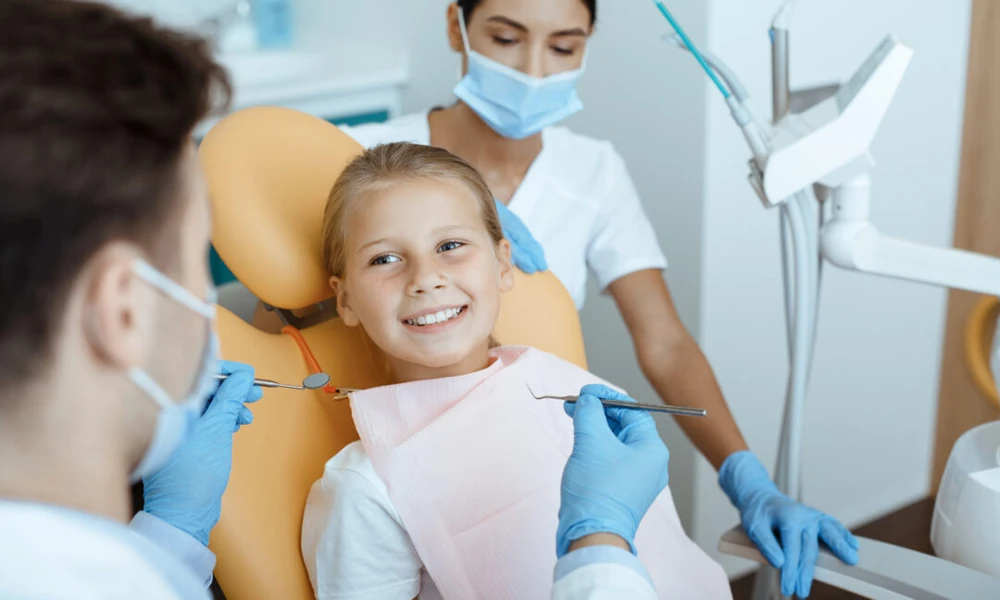
You brush, you remind your kids, you buy the floss, and still it can feel like home care slips through the cracks. One week everyone is on track, then life gets busy, bedtime runs late, and good intentions fade. If that sounds familiar, you are not alone. Oral care at home often breaks down not because people do not care, but because they are unsure what matters most, what they may be doing wrong, or how to make the routine stick. That is why education during checkups matters so much. When a general and family dentist explains the why, the how, and the small fixes that fit your real life, those visits often turn into stronger daily habits at home. Complete family dental care Charlottetown.
Why do dental visits change habits more than a quick reminder at home?
It is easy to assume people already know how to brush and floss. Most do, at least in a basic sense. But knowing the idea and doing it well every day are not the same thing. A child may brush for twenty seconds and think it counts. An adult may floss only where food gets stuck. A parent may not realize that a sports drink, even when it seems harmless, can still feed decay. So where does that leave you?
It leaves you needing more than a warning. You need clear, personal guidance. During a visit, a dentist or hygienist can show what plaque looks like, point out missed areas, explain gum irritation, and connect those findings to what happens at home each day. That kind of teaching is specific. It is not abstract, and because it is tied to your own mouth or your child’s mouth, it tends to stick.
This is one reason dental education during checkups has such a strong effect. When people understand cause and effect, they are more likely to follow through. If you hear that bleeding gums are not just “normal” but often a sign that flossing needs to improve, the habit suddenly has a purpose. If a child sees that brushing the back molars better could help avoid a filling, the routine feels more real.
Trusted health sources support this focus on daily care. The National Institute of Dental and Craniofacial Research shares practical oral hygiene guidance that helps people build better habits between appointments. The message is simple. Daily care works best when people know what to do and why it matters.
What problems grow when oral hygiene education is missing?
When education is missing, small mistakes can turn into bigger issues. A child may brush hard and think harder is better, even though that can irritate gums. A teen with braces may miss spots around brackets and end up with white marks on the teeth. An adult may skip regular cleanings because nothing hurts yet, only to learn later that gum disease was building quietly.
That is the frustrating part. Many dental problems do not shout at first. They whisper. A little sensitivity. A bit of bleeding. Bad breath that seems minor. Because of that, people often wait, and waiting can mean more treatment, more cost, and more stress later.
Education at visits helps interrupt that pattern. A family dental visit habit guide is not just about brushing technique. It can include how diet affects enamel, why dry mouth raises cavity risk, how to help children brush well, and what changes to watch for as parents age. The Centers for Disease Control and Prevention offers useful oral health tips for adults and separate oral health tips for children, which shows something important. Good home care is not one size fits all.
And that is exactly why a routine visit can be so helpful. A general and family dentist can tailor advice to the person in the chair. A six year old, a busy parent, and a grandparent with dry mouth do not need the same instructions. Personal advice is easier to use, and easier to repeat at home.
How does professional guidance compare with guesswork at home?
Sometimes the difference comes down to feedback. At home, you may think the routine is going fine. At a visit, you get proof of what is working and what is not. That feedback can save time, money, and frustration.
| Approach | What Usually Happens | Likely Result Over Time |
|---|---|---|
| Guessing at home | People rely on habit, memory, or advice picked up online | Missed areas, uneven technique, and problems noticed late |
| Education at dental visits | Personal instruction based on plaque, gums, age, and risk factors | Better brushing and flossing, earlier changes, and more consistent routines |
| Education plus follow through at home | Family uses simple steps taught at the visit and adjusts as needed | Stronger long term habits and fewer preventable issues |
This is where at home oral care habits become stronger. Not through guilt, and not through fear, but through clarity. When you know what to change, the routine stops feeling vague and starts feeling manageable.
What can you do right now to build better home habits after a dentist visit?
1. Turn advice into one small routine.
If you leave with five recommendations, do not try to perfect all of them at once. Pick one. That might mean flossing every night before brushing, helping your child brush the back teeth for a full two minutes, or switching to a fluoride toothpaste if that was advised. Small wins are easier to keep.
2. Ask for a demonstration, not just instructions.
If something is unclear, ask to be shown. Many people learn better by seeing than by hearing. This matters with flossing angles, brushing pressure, care around crowns or braces, and helping young children brush. A quick demonstration can correct a habit you have had for years.
3. Link the habit to a real concern you care about.
People stick with routines when the reason feels personal. Maybe you want fewer rushed dental visits for your child. Maybe you want fresher breath, less sensitivity, or fewer surprise costs. Keep that reason in mind. It can help the daily routine feel worth it, even on tired nights.
Can one dental visit really lead to lasting change?
Yes, especially when the visit includes honest education, practical coaching, and a plan that fits your life. You do not need a perfect routine to make progress. You need a routine you understand and can repeat. That is often what a good dental visit gives you. It takes oral care out of the vague and turns it into something clear, personal, and doable.
If you have been feeling like home care is harder than it should be, that does not mean you have failed. It may just mean you need better guidance. A general and family dentist can help connect what happens in the chair to what happens in your bathroom every morning and night, and that link is often where lasting habits begin.

Comments are closed.