
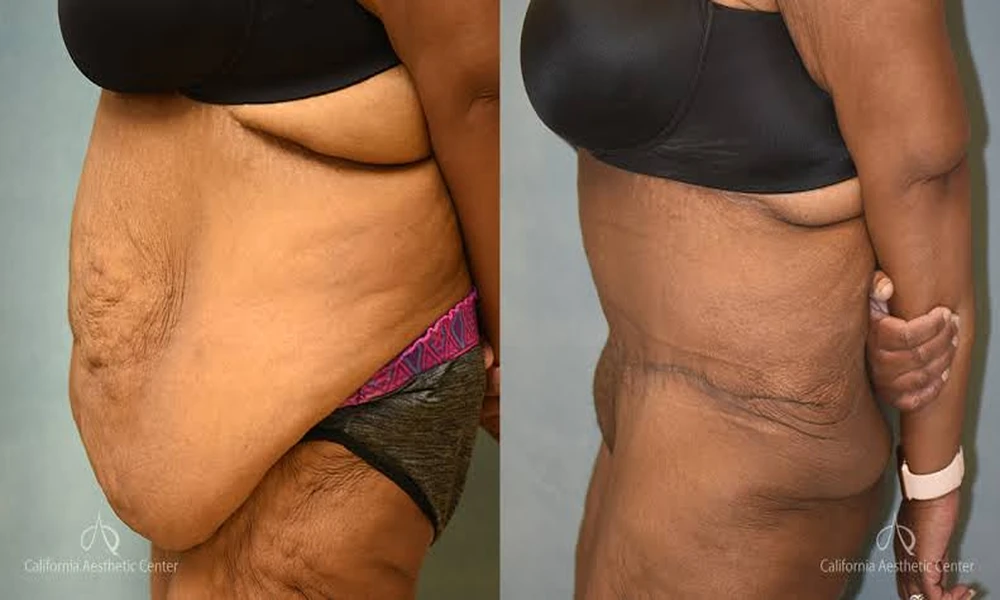
Deciding to undergo panniculectomy surgery is a significant step for individuals whose daily comfort, mobility, hygiene, and overall quality of life are affected by excess skin and tissue in the abdominal area. Whether you are considering panniculectomy surgery in Dallas, Fort Worth, Mansfield, or anywhere else, understanding what to expect before, during, and after the procedure can help set realistic expectations, ease concerns, and make the overall experience feel more manageable. In this article, we’ll walk you through the process of panniculectomy surgery, helping you navigate each phase with greater clarity and confidence.
Understanding Panniculectomy Surgery
A panniculectomy is a surgical procedure that removes excess skin and fatty tissue from the lower abdomen, commonly known as a pannus or abdominal apron. The procedure is performed to eliminate the overhanging tissue that can develop after significant weight loss, pregnancy, or other factors that cause the abdominal skin to stretch and lose elasticity. Unlike cosmetic body contouring procedures, a panniculectomy primarily focuses on removing excess tissue that may cause physical discomfort or interfere with daily activities.
By removing the overhanging skin and tissue, a panniculectomy can help address challenges such as chronic skin irritation, rashes, infections, hygiene difficulties, and discomfort during physical activities. Many patients also experience improved mobility and greater ease in performing everyday tasks after the procedure. As a result, panniculectomy can play an important role in enhancing overall comfort and quality of life for individuals.
Who May Be a Candidate?
A panniculectomy may be recommended for individuals experiencing functional concerns related to excess abdominal skin and tissue, including:
- Individuals who have experienced significant weight loss: Excess abdominal skin may remain after major weight loss, even after reaching a stable weight. A panniculectomy can help remove this excess tissue.
- Individuals experiencing skin irritation or infections: Overhanging skin can trap moisture and lead to recurring rashes, irritation, or infections. Surgery may help reduce these ongoing concerns.
- Individuals with mobility or comfort concerns: A large pannus can make everyday activities such as walking or exercising uncomfortable. Removing the excess tissue may help improve movement and ease physical discomfort.
- Women with persistent excess abdominal skin after pregnancy: Stretched abdominal skin may not always return to its previous shape after pregnancy. A panniculectomy may be considered if excess tissue causes ongoing discomfort or functional issues.
Eligibility for surgery is determined based on several factors, including whether the patient is a non-smoker and has achieved a healthy, stable weight. Consult a general surgeon near you to determine your eligibility.
Before Panniculectomy Surgery: Preparing for the Procedure
Preparing for panniculectomy surgery involves several important steps to help support a safe procedure and smooth recovery.
Initial Consultation and Evaluation
The first step is typically an initial consultation with your surgeon. During this appointment, your medical history will be reviewed, a physical examination will be performed, and the amount of excess abdominal skin and tissue will be assessed. It is also an opportunity to discuss your concerns, treatment goals, expected outcomes, and any questions you may have about the procedure.
Pre-Surgical Requirements
To help achieve the best possible results, patients are often advised to maintain a stable weight before surgery. Your panniculectomy surgeon may also recommend stopping smoking several weeks in advance, as smoking can interfere with healing. Existing medical conditions, such as diabetes or high blood pressure, should be well managed prior to the procedure.
Preparing for Recovery at Home
Planning ahead for recovery can make the post-operative period more comfortable. Consider arranging assistance from a family member or friend for the first few days after surgery, particularly with household tasks and transportation. It may also be helpful to create a comfortable recovery area with essential items within easy reach and to familiarize yourself with your post-operative instructions, including wound care, activity restrictions, and follow-up appointments.
During Panniculectomy Surgery: What Happens?
Knowing what to expect during panniculectomy surgery can help patients feel more prepared and confident about the procedure.
The Procedure Explained
Panniculectomy surgery is typically performed under general anesthesia, ensuring the patient remains asleep and comfortable throughout the procedure. Once the anesthesia takes effect, the surgeon makes carefully planned incisions to access the excess abdominal skin and tissue. The overhanging skin and underlying fatty tissue are then removed, and the remaining skin is repositioned before the incisions are closed with sutures. The exact surgical approach may vary depending on the amount of excess tissue being treated and individual needs.
How Long Does Surgery Take?
The duration of a panniculectomy varies from patient to patient, but the procedure generally takes two to five hours to complete. Factors such as the extent of excess tissue removal, the complexity of the surgery, and whether additional procedures are performed at the same time may influence the overall operating time.
Immediately After Surgery
After surgery, patients are monitored in a recovery area as the effects of anesthesia wear off. Your care team will provide pain management and may place temporary surgical drains to help prevent fluid buildup. Before discharge, patients receive instructions on incision care, activity restrictions, and follow-up appointments.
After Panniculectomy Surgery: Recovery and Healing
Recovery after panniculectomy requires proper care and following your surgeon’s instructions. While healing varies for each patient, knowing what to expect can help you prepare for the recovery process.
The First Few Days
It is normal to experience swelling, bruising, and discomfort during the first few days after surgery. Your surgeon may recommend medications and other measures to help manage these symptoms and keep you comfortable. Proper incision care is essential to support healing and reduce the risk of complications, so it is important to follow all post-operative instructions carefully. Although rest is important, gentle movement, such as short walks around the home, is often encouraged to promote circulation and support the recovery process.
Recovery in the Following Weeks
As healing progresses, you will attend follow-up appointments so your surgeon can monitor your recovery and address any concerns. If surgical drains were placed during the procedure, they are typically removed once fluid output decreases to an appropriate level. During this period, many patients gradually resume light daily activities, though strenuous tasks and heavy lifting should be avoided until cleared by their surgeon.
Returning to Work and Exercise
Recovery timelines vary from person to person. While some patients may return to work within a few weeks, more physically demanding activities and exercise typically require additional healing time and should only be resumed as advised by your surgeon.
Potential Risks and Complications
As with any surgical procedure, panniculectomy is associated with certain risks and side effects. While most patients recover without major issues, it is important to be aware of the temporary effects that commonly occur during the healing process.
- Swelling: Mild to moderate swelling around the treatment area is common after surgery and typically improves gradually as healing progresses.
- Bruising: Bruising may develop around the incision sites and surrounding tissues. This is a normal part of recovery and generally fades over time.
- Discomfort: Some soreness, tightness, or discomfort is expected following the procedure. These symptoms can usually be managed with prescribed medications and proper post-operative care.
Like other surgical procedures, less common complications such as infection, bleeding, delayed wound healing, fluid accumulation, or adverse reactions to anesthesia may also occur. Your surgeon will discuss these risks in detail before the procedure.
Results and Long-Term Benefits
As recovery progresses, patients may begin to notice improvements from the procedure, with results becoming more apparent as healing continues.
When Will Results Become Visible?
Patients typically notice an immediate reduction in excess abdominal skin after surgery. However, swelling can temporarily obscure the appearance of the area. As healing progresses over the following weeks and months, results become more apparent, and scars gradually mature and fade over time.
Benefits Patients May Experience
- Improved comfort: Reduced excess tissue can help alleviate the physical discomfort associated with a large abdominal pannus.
- Better mobility: Everyday activities, walking, and exercise may become easier and more comfortable.
- Reduced skin irritation: Removing excess skin can help minimize friction, rashes, and recurring skin infections.
- Easier hygiene maintenance: Keeping the abdominal area clean and dry may become more manageable after surgery.
- Enhanced quality of life: Improved physical comfort and function can contribute to greater confidence, independence, and overall well-being.
Conclusion
Undergoing panniculectomy surgery is a significant decision, and understanding what to expect before, during, and after the procedure can help you feel more prepared and confident throughout the journey. While recovery takes time and results continue to evolve as healing progresses, many patients experience meaningful improvements in comfort, mobility, hygiene, and overall quality of life.
If you are considering panniculectomy surgery in the DFW metroplex or anywhere else, consulting an experienced surgeon can help you determine whether the procedure is right for you and what outcomes you can realistically expect. For those seeking a recommendation, the team of experienced surgeons at DFW Bariatrics and General Surgery can provide personalized guidance and develop a treatment plan tailored to your individual needs and goals. With offices in Dallas, Fort Worth, and Mansfield, they cater to patients across North Texas.

Comments are closed.