
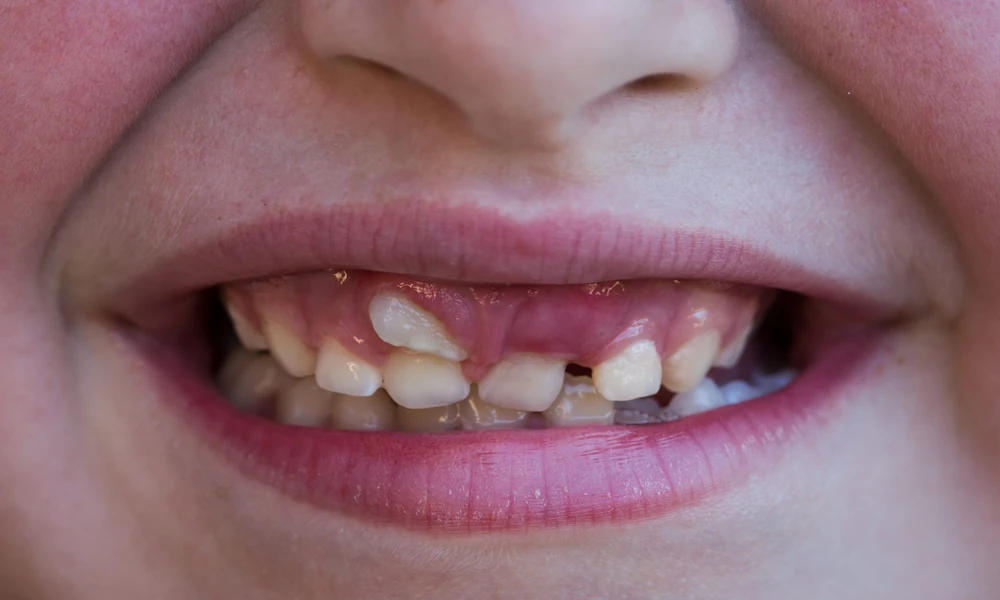
You notice it during brushing, or when your child laughs and the new tooth catches the light. It does not look like the others. Maybe it is smaller, pointy, grooved, discolored, or oddly wide. That moment can make your stomach drop, especially if this is a permanent tooth and you are already thinking ahead to school photos, chewing problems, braces, and cost. West Los Angeles pediatric dental care can help you understand what is happening and what to do next.
If a child’s adult tooth comes in misshapen, the cause can range from a harmless shape difference to an issue involving enamel development, crowding, or a genetic condition. The next step is not to panic or wait it out for years. A pediatric dentist can check whether the tooth is healthy, whether it affects the bite, and whether treatment is needed now or later.
An Unusual Permanent Tooth Shape Can Have Several Causes
A permanent tooth that erupts with an unusual shape is not always a sign of something severe, but it should be evaluated. Some teeth come in with extra ridges, sharp edges, pits, or an altered crown shape because of how they formed below the gums. Others look abnormal because there was not enough space for them to erupt properly, so they twist or emerge only partly.
Sometimes the issue is mostly cosmetic. A lateral incisor may look peg shaped, for example, which means it appears smaller and narrower than expected. In other cases, the shape points to a problem with enamel. If the enamel did not form as it should, the tooth can look rough, thin, yellow, brown, or chipped from the start. One condition linked to this is amelogenesis imperfecta, which affects how enamel develops.
There are also broader health conditions that can affect tooth shape and eruption. Ectodermal dysplasia is one example, and it may lead to missing teeth, cone shaped teeth, or delayed eruption. That does not mean every unusual tooth shape has a genetic cause. It means the shape of one tooth can sometimes be a clue worth taking seriously.
You may also be wondering whether your child did something to cause it. Usually, no. This is rarely about brushing habits or something you missed. The shape of a developing permanent tooth is often set long before it appears in the mouth.
Misshapen Adult Teeth in Children Can Affect More Than Appearance
A strange looking tooth can become a practical problem fast. If the enamel is weak, your child may complain that cold water hurts or that biting feels sharp. If the tooth has deep grooves or pits, plaque can collect more easily and raise the risk of decay. If the tooth is too small, too large, or turned, it can change spacing and bite alignment.
This is where parents often get stuck. If the tooth is not causing pain, it is tempting to wait. Sometimes waiting is fine. Sometimes it means losing the chance for simpler care. A tooth with poor enamel can chip. A shape problem can interfere with orthodontic planning. A hidden eruption issue can affect nearby teeth.
Guidance from the American Academy of Pediatric Dentistry supports early evaluation of developing dentition and occlusion, especially when eruption or tooth form seems off. You can review their recommendations on the management of the developing dentition and occlusion in pediatric dentistry.
If you are seeing a permanent tooth with an unusual shape, the goal is to find out whether the issue is structure, position, enamel quality, or part of a larger pattern. That answer shapes everything that comes next.
Early Evaluation Helps Separate Cosmetic Concerns From Dental Problems
A pediatric dental exam usually includes a close look at the tooth shape, enamel surface, bite, spacing, and gum health. X rays may be needed to see the root, the position of nearby teeth, and whether other teeth are developing in the same way. If one tooth looks unusual, the dentist will often check for patterns in the rest of the mouth.
Treatment depends on what is found. Some children only need monitoring. Others may benefit from smoothing a sharp edge, placing bonding to improve shape, sealing grooves, or planning future orthodontic care. If enamel is weak, fluoride strategies and protective restorations may be part of the plan.
Child permanent tooth coming in oddly shaped does not always mean urgent treatment, but it does mean your child deserves a clear diagnosis. That clarity often lowers stress right away because you stop guessing.
What Parents Can Watch For Before the Dental Visit
| What You Notice | What It May Mean | Why It Matters |
|---|---|---|
| Small, peg shaped, or cone shaped tooth | Developmental variation or genetic pattern | May affect spacing, appearance, and future orthodontic plans |
| Yellow, brown, rough, or chipping enamel | Enamel defect such as weakened enamel formation | Higher risk of sensitivity, wear, and decay |
| Tooth erupting twisted or partly blocked | Crowding or eruption issue | Can affect bite and nearby teeth |
| Deep grooves or unusual pits | Shape variation that traps plaque | May increase cavity risk if not protected |
| Pain when chewing or with cold drinks | Weak enamel, fracture, or bite interference | Needs prompt dental assessment |
Three Practical Steps You Can Take Right Away
1. Take clear photos and note changes. Get a few close photos in good light. Write down when the tooth erupted, whether it has changed, and whether your child reports pain or sensitivity. That helps the dentist track whether this is stable or getting worse.
2. Keep the tooth clean, but avoid home fixes. Help your child brush gently with fluoride toothpaste and avoid picking at sharp edges. Do not try to file, whiten, or reshape the tooth at home. If the enamel is weak, home fixes can make it worse.
3. Schedule a pediatric dental evaluation soon. A pediatric dentist is trained to assess developing teeth, eruption patterns, enamel defects, and bite changes in growing children. Even if the issue turns out to be minor, you will know what to watch and whether treatment should happen now or later.
A Clear Plan Usually Brings Relief
Seeing an oddly shaped permanent tooth can stir up a lot of fear because you do not yet know whether it is cosmetic, structural, or part of a bigger dental issue. Most families feel better once they get a real answer and a plan. Some children need only observation. Others need protection, reshaping, or long term coordination with orthodontic care. The key is catching the reason behind the shape early, before a small concern becomes a harder one to manage.
If your child has a newly erupted tooth that does not look right, schedule a visit with a pediatric dentist and get a clear evaluation of what is happening and what comes next.

Comments are closed.