
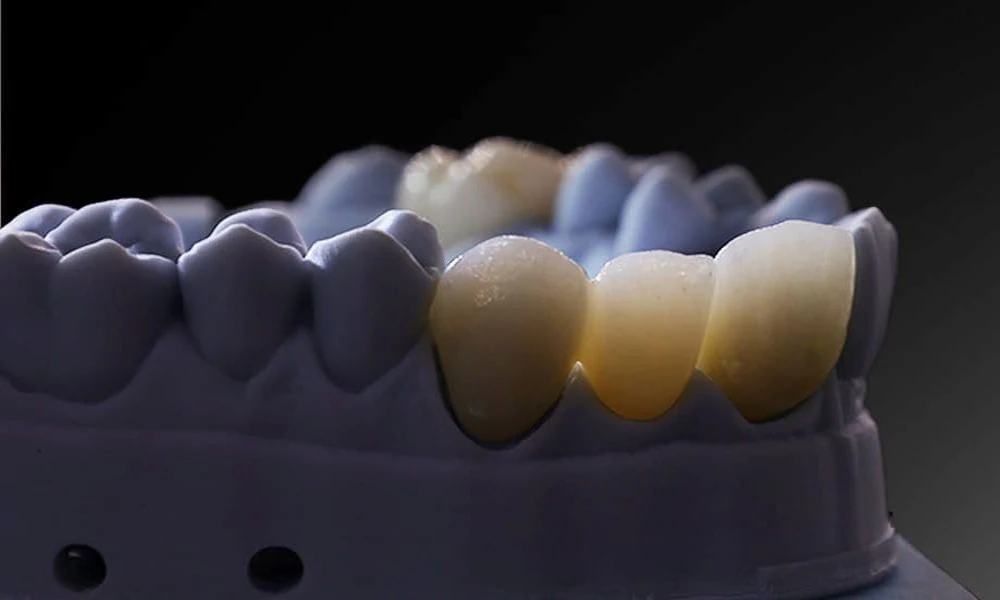
You might be feeling torn between wanting a restoration that lasts and wondering whether newer dental materials are really worth the attention they get. That feeling makes sense. When a tooth is damaged, the goal is not only to fix what hurts today, but to protect what still matters tomorrow. In simple terms, bioceramics are drawing attention in restorative care because they can support sealing, healing, and long term tooth preservation when used in the right cases. If you have been hearing about newer options in durable restorative dentistry, a Quogue, NY dentist can help explain why this is where the conversation starts to become clearer.
A damaged tooth can create more than discomfort. It can bring worry about cost, repeat treatment, and whether a repair will hold up under daily chewing. Because of that tension, you might wonder what makes one material different from another. In many cases, the answer comes down to how well a material bonds, seals, handles moisture, and works with the natural tooth structure over time. That is where bioceramics have become part of a larger shift in long lasting dental restorations.
Why are bioceramics getting so much attention in restorative dental care?
Bioceramics are materials designed to be compatible with the body, and in dentistry they are often used in procedures that involve the tooth’s inner structure, root repair, pulp protection, and sealing areas where bacteria could reenter. You may have heard of calcium silicate based materials in root end fillings or vital pulp therapy. These are common examples.
Why does that matter to you as a patient? Because a restoration is only as strong as the environment around it. If a material helps create a better seal and supports healing, it may improve the odds that the tooth remains stable instead of moving toward repeat infection or extraction. A recent review on bioceramic materials in dentistry discusses their biocompatibility, sealing ability, and broad clinical use, which helps explain why they are being used more often in modern care. You can read more in this overview of bioceramic materials in dentistry.
That does not mean bioceramics replace every traditional material. They are tools, not magic. In general dentist settings, the best option still depends on how much tooth structure remains, whether the pulp is involved, your bite forces, your hygiene habits, and whether the restoration is direct or indirect.
What problem do bioceramics help solve when durability is the goal?
One of the hardest parts of restorative treatment is that failure does not always happen because the visible filling or crown looks weak. Sometimes the problem starts underneath. Tiny gaps can allow bacterial leakage. Moisture control can be difficult. Inflamed pulp tissue may not recover well if the material placed over it is not well suited to the job. Then you are left with the frustrating cycle of treatment, retreatment, and rising cost.
Bioceramics are often valued because they can set in moist conditions, release calcium ions, and support a strong seal in certain procedures. For teeth with deep decay or areas close to the pulp, that can matter a great deal. Some materials in this group have shown encouraging performance in preserving pulp health when treatment is done early and carefully. Research on indirect pulp treatment in permanent teeth has reported favorable outcomes, which you can explore in this PubMed study on pulp treatment outcomes.
So, where does that leave more familiar materials like porcelain, metal, or resin based options used for crowns and indirect restorations? They still play a major role. The American Dental Association explains that material choice for indirect restorations depends on strength, wear, appearance, and tooth location, which you can review on this ADA page about materials for indirect restorations. In other words, bioceramics often support the foundation of care, while other restorative materials may complete the visible rebuilding of the tooth.
How do bioceramics compare with more traditional restorative options?
If you are trying to make sense of the options, a side by side view can help. The table below does not replace an exam, but it shows where bioceramics often fit within restorative planning.
| Material Type | Common Use | Strengths | Limits to Keep in Mind |
|---|---|---|---|
| Bioceramics | Pulp protection, root repair, perforation repair, endodontic sealing | Biocompatible, good sealing ability, can work in moist areas, may support healing | Not the final choice for every visible restoration, technique sensitive in some cases |
| Composite resin | Direct fillings, some bonded restorations | Tooth colored, conservative, widely used | Can shrink during curing, may wear or leak over time in high stress areas |
| Ceramic or porcelain | Inlays, onlays, crowns, veneers | Strong appearance match, wear resistance, useful for indirect restorations | Requires enough tooth support, may not address deep biologic issues alone |
| Metal based materials | Crowns and some indirect restorations | Durable under heavy biting forces | Less natural appearance, may be less appealing in visible areas |
The key point is simple. Bioceramic restorative materials are often most useful when the tooth needs biologic support as much as structural repair. If the issue is deep decay near the pulp, a root perforation, or a sealing challenge, they may offer an advantage that a standard filling material alone cannot provide.
What can you do right now if you want a restoration that lasts?
Ask what the tooth needs beneath the surface. A good question is not just, “What filling or crown will I get?” Ask whether the pulp, root, or inner tooth structure needs protection too. That opens the door to a better discussion about whether a bioceramic material belongs in your treatment plan.
Talk about durability in real life, not in theory. If you grind your teeth, chew ice, have dry mouth, or have had repeated repairs on the same tooth, say so. These details affect material choice more than many people realize. Restorative dentistry works best when it is matched to your habits, not just to the X ray.
Think in stages, not quick fixes. Sometimes the most durable result comes from combining materials. A bioceramic may help protect or seal the tooth internally, while a bonded restoration or crown restores shape and function on the outside. When care is planned this way, the goal is not only repair, but preservation.
Could the right material choice help you avoid repeat dental work?
In many cases, yes. No material can promise a perfect outcome, and every tooth has limits. Still, choosing materials that fit both the biology of the tooth and the stress of daily use can reduce the chance of failure. That is the real role of bioceramics in restorative care. They help support a stronger foundation, especially when the tooth has been deeply compromised.
If you are weighing treatment options with a general dentist, it is reasonable to ask how material choice affects longevity, comfort, and the chance of keeping more of your natural tooth. That conversation can bring a lot of relief, especially when things have felt uncertain. A durable restoration is not just about what looks repaired today. It is about what still works well months and years from now.

Comments are closed.