
Hair loss affects people differently. Some notice gradual thinning near the hairline, while others experience sudden shedding linked to stress, hormones, or lifestyle changes. In recent years, conversations around hair growth have shifted away from quick cosmetic fixes and moved toward understanding what actually happens inside the scalp at a cellular level.
Researchers now know that healthy hair growth depends on more than genetics alone. Blood circulation, inflammation, nutrient delivery, follicle activity, and cellular energy all influence how hair behaves over time. Because of this, modern hair growth innovations increasingly focus on supporting the scalp environment rather than simply hiding visible thinning. At the same time, more people are exploring gentle wellness methods like LED mask to support scalp care and maintain healthier-looking hair without invasive treatments.
Key Takeaways
- Hair growth depends heavily on scalp and follicle health
- Cellular activity influences how hair follicles function over time
- Inflammation and stress can disrupt healthy hair cycles
- Modern innovations focus on supporting natural scalp processes
- Non-invasive technologies are gaining attention in hair wellness discussions
Understanding the Hair Growth Cycle
Hair follicles follow a repeating cycle made up of growth, transition, resting, and shedding phases. Healthy follicles spend most of their time in the active growth stage, known as the anagen phase.
Problems begin when follicles remain in the resting stage for too long. Stress, hormonal imbalance, ageing, poor circulation, and inflammation may shorten the growth cycle and weaken hair strands over time.
Scientists studying scalp biology have discovered that follicle cells require significant energy to maintain healthy hair production. When cellular activity slows down, follicles may produce thinner and weaker strands.
This understanding has encouraged researchers to explore therapies that support the scalp environment rather than focusing only on external appearance.
Why Cellular Energy Matters for Hair Health
Every hair follicle relies on tiny structures called mitochondria to generate energy. These structures help cells perform essential repair and growth functions.
As people age or experience chronic stress, mitochondrial efficiency may decline. Reduced cellular energy can affect how follicles absorb nutrients and maintain consistent growth patterns.
Researchers now believe that improving scalp circulation and supporting cellular function may help create healthier conditions for hair follicles. This explains why many modern hair wellness approaches focus on long-term scalp support instead of short-term cosmetic coverage.
The Role of Inflammation in Hair Thinning
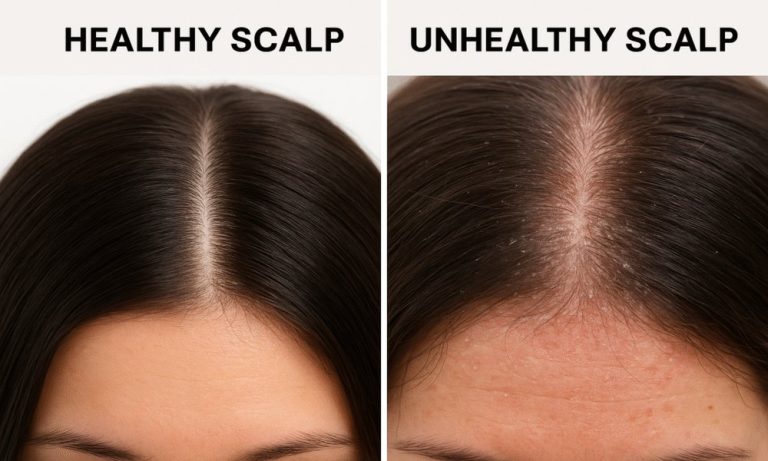
Inflammation remains one of the most overlooked causes of hair problems. An irritated scalp can interfere with healthy follicle activity and disrupt the natural growth cycle.
Common triggers include:
- Product buildup
- Excess oil production
- Environmental pollution
- Chronic stress
- Poor scalp hygiene
- Aggressive chemical treatments
When inflammation persists, follicles may gradually weaken. Some individuals also notice increased scalp sensitivity, itching, or redness before visible thinning occurs.
Dermatologists increasingly recommend calming scalp irritation early to help protect long-term hair health.
How Modern Hair Growth Innovations Are Changing
Traditional hair treatments often focused on surface-level improvement. Today, innovation centers more on biological support and follicle preservation.
Some technologies aim to improve blood flow to the scalp, while others focus on reducing inflammation or encouraging healthier cellular communication. Nutrition, stress management, and scalp barrier care also play important roles in modern hair wellness strategies.
This shift reflects a broader understanding that hair growth is closely connected to overall scalp health and internal balance.
Instead of expecting instant transformation, many people now prioritize gradual improvement through consistent scalp support and healthier daily habits.
Light-Based Technologies and Hair Wellness
Light-based wellness technologies continue attracting attention in both skincare and hair care industries. Researchers are studying how specific wavelengths of light may interact with cells involved in repair and recovery processes.
Some experts believe light exposure may help support circulation and encourage healthier cellular activity around hair follicles. As interest in non-invasive wellness tools grows, devices such as an LED mask are increasingly discussed as part of broader self-care and scalp support routines.
Although research continues evolving, many people prefer gentler approaches that avoid aggressive procedures or extended recovery periods.
Why Scalp Health Shapes Hair Quality
Healthy hair starts with a healthy scalp. Follicles depend on oxygen, nutrients, and balanced oil production to function properly.
Ignoring scalp care can create an unhealthy environment that weakens hair strands over time. Overwashing, excessive heat styling, harsh ingredients, and lack of hydration may all contribute to scalp imbalance.
Experts often encourage simple habits that support scalp wellness, including:
Consistent care usually delivers better long-term results than relying on temporary cosmetic solutions.
Celluma Light Therapy and Hair Support
Celluma Light Therapy is one example of how light-based wellness technologies are being explored in discussions around scalp and hair health. The system uses specific light wavelengths designed to support natural cellular activity and circulation. Some individuals incorporate an LED mask into their wellness routines while exploring non-invasive options for maintaining scalp comfort and supporting healthier-looking hair over time. Researchers continue studying how light-based therapies may influence follicle activity and scalp recovery processes.
Final Thoughts
Modern hair growth innovation goes far beyond cosmetic appearance. Scientists now understand that healthy hair depends heavily on cellular function, scalp balance, circulation, and inflammation control.
As research continues developing, more attention is shifting toward supportive and non-invasive approaches that work alongside the body’s natural processes. While no single solution guarantees dramatic results, maintaining scalp health and supporting cellular activity may help create stronger conditions for healthier hair growth over time.