
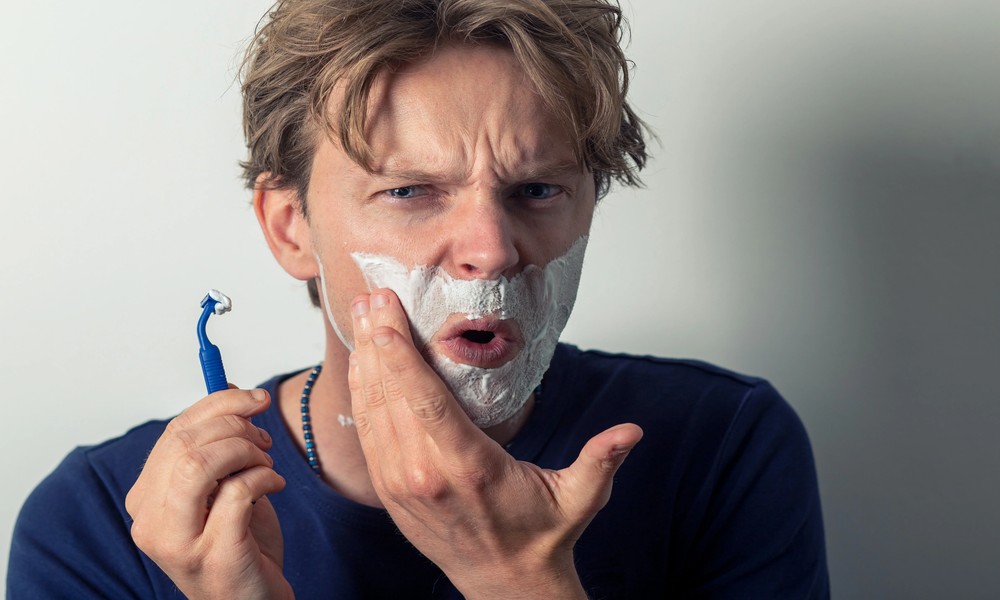
For anyone who shaves regularly, nicks and cuts are an all-too-familiar frustration. A moment’s distraction, a dry patch of skin, or a blade dragging across the face can leave you reaching for the styptic pencil before you’ve even finished. The good news is that one simple product from grooming kits – a shaving foam, dramatically reduces these incidents when used correctly. Understanding why it works can change the way you approach your entire shaving routine.
The Science Behind the Protection
Skin and hair, when dry, are surprisingly resistant to a razor blade. Dry facial hair is tough, and forcing a blade through it requires considerably more pressure, which is precisely when cuts happen. Shaving foam addresses this at a fundamental level by hydrating the hair shaft. When hair absorbs moisture and the lubricating agents in the foam, it softens significantly, allowing the blade to glide through with far less resistance. Less resistance means less pressure, and less pressure means fewer slips and nicks.
Beyond softening hair, shaving foam creates a protective cushioning layer between the razor and your skin. This layer acts as a buffer, preventing the blade from making uneven or overly aggressive contact with the surface of the skin. Without it, even a sharp, high-quality razor can catch on slight irregularities in the skin’s texture, leading to micro-cuts that sting and bleed.
Lubrication and Blade Glide
One of the most important functions of shaving foam is lubrication. The foam’s formulation, typically a blend of water, surfactants, and conditioning agents, reduces the friction between the razor blade and the skin. This smooth glide is what separates a clean, comfortable shave from one that feels like sandpaper being dragged across your face.
When the blade glides cleanly, it cuts hair at the correct angle rather than tugging or scraping. Tugging is a primary cause of razor burn and small cuts, particularly around contoured areas like the jaw, chin, and upper lip. A generous application of shaving foam ensures these tricky zones receive consistent lubrication throughout the shave.
Visibility and Mapping
A practical but often overlooked benefit of shaving foam is that it shows you exactly where you have and haven’t shaved. The white foam provides a clear visual map of your progress, helping you avoid going over the same area repeatedly. Multiple passes over the same spot, especially without reapplying product, significantly increases the risk of irritation and cuts. The foam essentially guides your hand.
How to Get the Most Out of It
Application technique matters. Rather than rushing, take a moment to work the foam into the skin using circular motions. This helps lift the hairs away from the skin and ensures the lubricating agents penetrate the hair shaft properly. A thin, hasty application won’t provide the same level of protection as one applied with a little care.
Shaving foam is a staple in well-stocked grooming kits for good reason. It is one of the most effective tools for achieving a smooth, injury-free shave. Among the wide range of men grooming products available today, it remains one of the most trusted and straightforward solutions to a problem that has existed as long as shaving itself.
The Takeaway
Reducing nicks and cuts isn’t just about having the sharpest blade. It’s about preparing your skin and hair properly before the blade ever makes contact. Shaving foam does exactly that, softening, lubricating, and protecting, so that every stroke of the razor works with your skin rather than against it.

Comments are closed.