
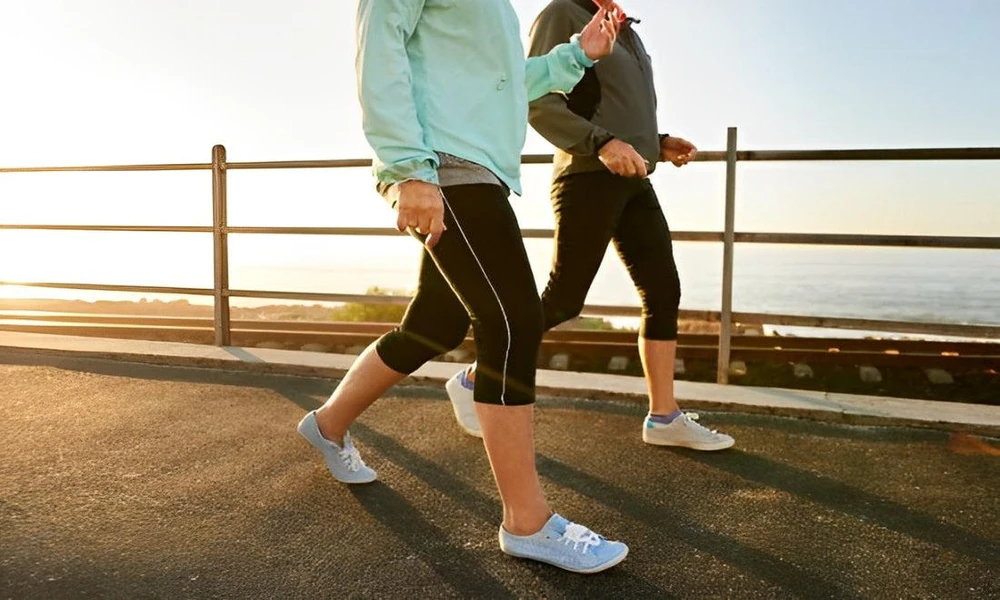
Over the past decade, the narrative surrounding women’s fitness has undergone a massive, empowering shift. The outdated philosophy of endless cardio sessions and ultra-light pink dumbbells has been replaced by a focus on strength training, functional conditioning, and long-term vitality.
Today, women of all ages recognize that building muscle and challenging their skeletal system is essential for maintaining a lean physique, boosting metabolism, and preventing age-related physical decline.
However, despite this positive evolution, a major gap remains in the fitness equipment market: ergonomics. Much of the traditional resistance gear available today was originally engineered for broader, male body frames. This issue is particularly pronounced when it comes to wearable fitness gear, where proper fit directly impacts both comfort and safety.
The Problem with Unisex Athletic Gear
Standard unisex weighted apparel is frequently designed with a rigid, boxy silhouette, broad shoulders, and fixed chest straps. For women, wearing this type of ill-fitting gear often results in painful friction points around the armpits, excessive compression across the bust line, and an unstable fit that shifts erratically during movement.
When searching for a high-performing weighted vest for women, prioritizing female-centric design features is critical to ensuring an enjoyable and effective workout:
- Contoured Bust and Chest Cuts: Look for a tapered upper section that accommodates female anatomy without restricting breathing or causing painful chest compression.
- Adjustable Torso Cinching: High-tension side straps or wraps allow the user to pull the vest tight around the waist, keeping the weight secured against the core to eliminate bouncing.
- Chafe-Resistant Materials: Soft, premium neoprene fabrics prevent skin irritation, allowing the vest to be worn comfortably over a sports bra during warm outdoor workouts.
Protecting Bone Density and Postural Integrity
Beyond fitness aesthetics, wearable resistance offers profound long-term health advantages for women, particularly concerning bone density and spinal alignment. Women are statistically at a much higher risk for developing osteopenia and osteoporosis as they age due to hormonal shifts.
To maintain bone density, bones must be subjected to mechanical stress-a process known as Wolff’s Law. Weight-bearing activities like walking while wearing added weight stimulate osteoblast cells, encouraging bones to remodel and retain structural strength.
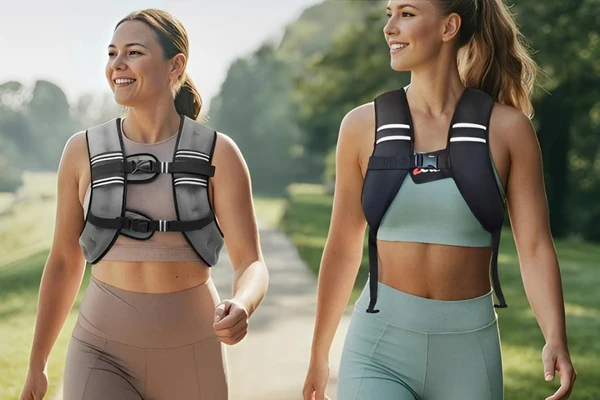
In addition to bone health, an ergonomically crafted zelus weighted vest acts as an active postural trainer. The gentle pull of weight across the front and back of the torso forces your back extensors and core muscles to engage, pulling your shoulders back into alignment.
This counteracts the slouched “tech neck” posture caused by prolonged hours sitting at desks or looking at smartphones. By choosing gear designed with female biomechanics in mind, women can comfortably harness the full physical benefits of wearable weight training.

Comments are closed.