
Category

Health

Category

Hyperpigmentation is a common skin concern that affects millions worldwide, manifesting as dark spots or patches on the skin that stand out against the natural skin tone. Achieving an even-toned and radiant complexion is a goal for many, and with the right hyperpigmentation treatment strategies, it is entirely possible. This comprehensive guide will explore the most effective hyperpigmentation treatments, focusing on non-surgical methods that promise to revitalize your skin, particularly highlighting options available in Singapore, a hub for skincare innovation.

Understanding Hyperpigmentation

Hyperpigmentation occurs when excess melanin forms deposits in the skin, leading to spots or patches that are darker than the surrounding areas. Various factors, including sun exposure, hormonal influences, age, and skin injuries or inflammation, can trigger it. The key to treating hyperpigmentation effectively lies in understanding the underlying cause and selecting the appropriate treatment option.

Topical Treatments: The First Line of Defense

Vitamin C Serums

One of the most powerful antioxidants, Vitamin C, helps in the hyperpigmentation treatment by inhibiting the enzyme tyrosinase, which is crucial for melanin production. Regular application of Vitamin C serums can lighten dark spots and lead to a more luminous skin tone.

Retinoids

Retinoids, derivatives of Vitamin A, are celebrated for their ability to accelerate cell turnover, fade dark spots, and improve skin texture. They are a cornerstone in the management of hyperpigmentation, encouraging the shedding of pigmented cells to reveal fresher, lighter skin beneath.

Niacinamide

Niacinamide, or Vitamin B3, has gained recognition for its role in reducing skin discoloration. It works by inhibiting melanosome transfer from melanocytes to keratinocytes, effectively diminishing hyperpigmentation.

Chemical Peels

Chemical peels, which use acids like glycolic, lactic, or salicylic acid, remove the top layer of the skin, helping to reduce the appearance of dark spots and improve overall skin texture.

Sun Protection: A Crucial Component

Incorporating a high SPF sunscreen into your daily skincare routine cannot be overstated. Sun exposure can exacerbate hyperpigmentation, making diligent sunscreen application essential to prevent further darkening of spots.

Professional Treatments in Singapore

Laser Therapy

Laser treatments are a popular hyperpigmentation treatment in Singapore, using focused light to target melanin deposits without damaging the surrounding tissue. Laser therapy can effectively diminish the appearance of dark spots and improve skin texture.

Intense Pulsed Light (IPL)

IPL therapy uses broad-spectrum light to target melanin, breaking down pigmented areas to reduce the appearance of hyperpigmentation. This treatment is well-suited for individuals with various skin types and is widely available in Singapore.

Microdermabrasion

Microdermabrasion is a non-invasive procedure that involves exfoliating the top layer of skin to reduce the appearance of hyperpigmentation. It promotes new cell growth and a brighter skin complexion.

Benefits of Hyperpigmentation Treatment

Enhanced Skin Radiance

One of the most noticeable benefits of effective hyperpigmentation treatment is enhanced skin radiance. By addressing dark spots and uneven skin tone, treatments reveal brighter, more vibrant skin.

Improved Skin Texture

In addition to evening out skin tone, many hyperpigmentation treatments promote smoother skin texture by encouraging cell turnover and collagen production.

Boosted Self-Confidence

Achieving clearer, more even-toned skin can significantly impact self-esteem and confidence, making individuals feel more comfortable in their skin.

Prevention of Further Skin Damage

By incorporating treatments like sunscreen and antioxidants, individuals can not only treat existing hyperpigmentation but also prevent further damage caused by environmental factors.

Choosing the Right Treatment

Selecting the most appropriate hyperpigmentation treatment requires a thorough understanding of your skin type, the severity of your hyperpigmentation, and your overall skin health. Consulting with a dermatologist is crucial to tailor a treatment plan that meets your specific needs, especially in Singapore, where advanced treatments are readily available.

Conclusion

Hyperpigmentation is a treatable condition that requires a strategic approach to achieve optimal results. From topical treatments to advanced professional procedures available in Singapore, there are numerous options to help individuals attain an even-toned, radiant complexion. Incorporating sun protection, selecting the right products, and seeking professional advice are key steps toward overcoming hyperpigmentation and revealing healthier, more vibrant skin.

Before delving into the complexities of utilizing THC cartridges, let’s begin by grasping their composition. These devices consist of two main components – a cartridge filled with cannabis oil and a battery that heats the oil, transforming it into vapour for inhalation. The oil is a concentrated form of the plant’s compounds, including THC and terpenes.

Setting up your device

The initial step in using a THC cartridge involves setting up your device correctly. Although the procedure might differ a bit among various brands, the basic principles stay consistent:

  • Charging the battery – Ensure your battery is ultimately charged before use. Many batteries include a USB charging cable, simplifying recharging when necessary.
  • Installing the cartridge – Gently attach the cartridge to the battery, ensuring that the connection is tightened only a little or misaligned. Some cartridges might need a light press to fit snugly onto the battery.
  • Priming the cartridge – Before taking your first puff, it’s recommended to prime the cartridge by gently inhaling without activating the battery. This helps draw the oil into the heating chamber, ensuring a smoother initial hit.

Inhaling techniques

Once your device is set up and primed, it’s time to master the art of inhaling. Here are some tips to help you get the most out of your THC cartridge:

  1. Slow and steady – Take slow, gently inhales, allowing the vapour to fill your lungs. Avoid drawing too quickly, as this leads to coughing or discomfort.
  2. Breath control – Inhale deeply, hold the vapour in your lungs for a few seconds, and then exhale slowly. This technique allows for maximum absorption and potency.
  3. Pulsed puffs – Try pulsing the battery on and off for larger inhales, taking short puffs instead of one long draw. This helps prevent overheating and preserve the oil’s flavour.
  4. Monitor your intake – Start with small puffs, especially if you’re new to cannabis or have a low tolerance. You always take more as needed, but recovering from overconsumption is challenging.

Maintaining your device

  • Clean the connections – Regularly clean the cartridge’s connection points with a cotton swab dipped in isopropyl alcohol. This helps remove any buildup or residue that could interfere with proper function.
  • Store properly – When not in use, store your cartridges in a cool, dark place away from direct sunlight or heat sources. Extreme temperatures degrade the oil and potentially damage the hardware.
  • Replace cartridges – Once a cartridge is empty, replace it with a new one. An empty cartridge burns the remaining residue, creating an unpleasant taste and potentially damaging the device.
  • Battery care – Follow the manufacturer’s instructions for charging and maintaining your battery. Avoid overcharging or completely draining the battery, which shortens its lifespan.

Exploring flavors and strains

The possibilities are endless, from classic favourites to exotic options like Pineapple Express and Gelato. Explore different terpene profiles to find the flavours that best suit your palate and desired effects. Many brands offer strain-specific weed carts, allowing you to indulge in the unique characteristics of your preferred cannabis varieties. Some manufacturers provide detailed information on the terpene and cannabinoid profiles of their products, empowering you to make informed choices. Using THC cartridges is a convenient and enjoyable way to experience the many benefits of cannabis. Remember to explore different strains and terpene profiles to find the perfect match for your preferences, and always prioritize responsible consumption.

Imagine walking into the bustling hub of Asheboro NC internal medicine. As an Internist, the world of internal medicine is my playground. Here, specialists are not distant entities in far-off wings of the hospital. No, they are my teammates, my allies in the pursuit of holistic patient care. Together, we form a formidable force, each adding to the richness of this medical tapestry. This relationship – this symbiosis between Internists and other specialists – is what we’ll be exploring today.

The Bond of Medicine

Think of a military unit. Everyone has their roles, from the front-line soldier to the strategic planner behind the scenes. They all work together, depending on one another, to achieve a common goal. The world of medicine isn’t much different. We all play our parts to ensure the patient gets the best care.

The Role of an Internist

An Internist is like a general in this medical army. We understand the battlefield, the overall health of the patient. But we don’t march forward alone. We rely on the skilled specialists, our fellow soldiers, to guide us through the complexities of specific issues. Whether it’s a heart condition needing the touch of a Cardiologist, or a lung problem calling for a Pulmonologist, we stand together.

Working Together

This is where the beauty of teamwork shines. When a patient comes with symptoms, it’s not always clear what’s going on. Here, the Internist plays detective, gathering clues. Once we have an idea of the possible problem, we bring in the specialists. Their knowledge deepens our understanding, allowing us to treat the patient more effectively. The patient doesn’t just get a solution; they get a team of dedicated medical professionals fighting for their health.

Learning from Each Other

It’s not a one-way street, though. As we interact with different specialists, we grow. We learn about new treatments and approaches, about successes and failures. This knowledge helps us become better Internists, ready to face whatever challenge comes next. It’s a continuous cycle of learning and growing, all in the name of patient care.

Final Thoughts

In the end, the relationship between Internists and other specialists is fundamental to providing the best care possible. We are not competitors, but teammates. Each brings a unique perspective and expertise, enhancing the care we can provide to our patients. It’s a relationship taught and cherished in places like Asheboro NC internal medicine, and it’s one that will continue to define the future of medicine.

Imagine being constantly tired, yet unable to sleep. Imagine your nights filled with unsettling dreams, your days dotted with unexpected naps, or your mornings colored by a persistent headache. This isn’t just a hypothetical scenario, it’s the daily reality for many who suffer from sleep disorders. Often overlooked, there is a deep-seated connection between sleep disorders and neurology. Even the quaint seaside town of Toms River isn’t exempt from this issue – headache Toms River has become a common distress call from those enduring sleep-related problems. This blog aims to shed light on this overlooked connection, providing insights on how your brain may be impacting your sleep, and subsequently, your overall health.

The Neurology of Sleep

Your brain is the master controller of sleep. It decides when to sleep and when to wake up. The brain’s intricate network of neurons is constantly communicating, sending signals that determine our sleep patterns. But when this system goes awry, the consequences are sleep disorders.

Common Sleep Disorders

There are several common sleep disorders:

  • Insomnia – difficulty falling asleep or staying asleep
  • Narcolepsy – excessive, uncontrollable daytime sleepiness
  • Sleep apnea – interrupted sleep due to breathing problems
  • Restless legs syndrome – an uncomfortable feeling in the legs causing a need to move them

Sleep Disorders and Headaches

Sleep disorders and headaches often go hand in hand. Disrupted sleep can lead to tension or migraine headaches. In Toms River, many people suffering from sleep disorders also report frequent headaches. It’s a vicious cycle – lack of sleep leads to headaches, and headaches make it harder to sleep.

Understanding the Connection

The link between sleep disorders and neurology is crucial to understanding how to treat these conditions. Neurologists study the brain and its functions, including sleep. By studying sleep disorders, they can provide insights into how the brain works and how to fix it when things go wrong.

Getting Help

If you’re experiencing symptoms of a sleep disorder, don’t ignore them. Reach out to a neurologist. They can help diagnose and treat your condition. In Toms River, there are neurologists who specialize in sleep disorders and headaches. They can provide the help you need to get a good night’s sleep.

Takeaway

Sleep disorders and neurology are more connected than you might think. Understanding this connection can lead to more effective treatments and better health. So, don’t suffer in silence. If you’re struggling with sleep, reach out for help. And remember, a good night’s sleep is not just a dream, it can be a reality.

Ever been to the Integrated Family Medical Center? Picture this – a bustling place filled with people who want to take control of their health. The hub of it all? The General Practitioners. They’re the unsung heroes, the guardians of our well-being. They play a major role in preventative health, acting as our first line of defense against illness. This article delves into the crucial role of these everyday health warriors. Get ready for a deep dive into the world of GP-led preventative health.

What is Preventative Health?

Preventative health is about taking steps to avoid illnesses. It’s about keeping you healthy. It’s about working with doctors to catch problems early. It’s about staying proactive.

Why is Preventative Health Important?

Three main reasons: It saves lives. It saves money. It improves quality of life. Chronic diseases – like heart disease, stroke, and diabetes – are leading causes of death and disability. Preventative health measures can catch these early. The earlier the detection, the better the chances of treatment and survival.

The Role of a General Practitioner

Think of a general practitioner like a gatekeeper. They guard the gates of health. They are the first to detect if something is off. They guide us to specialists when needed. They are the coordinators of our health journey.

How General Practitioners Aid in Preventative Health

  • Regular check-ups: Regular visits to a GP help detect health conditions before they turn serious.
  • Vaccinations: GPs provide vaccines to prevent dangerous diseases.
  • Counseling on lifestyle changes: GPs can advise about diet, exercise, and stress management to prevent health issues.
  • Screening tests: GPs can recommend tests like mammograms, colonoscopies, or cholesterol checks to spot health conditions early.

The Takeaway

General practitioners play a crucial role in preventative health. They are our first line of defense against illness. They help us stay healthy. They help us live longer, better lives. So, next time you’re at the Integrated Family Medical Center, give a thought to these unsung heroes. They’re working tirelessly to keep us at our best.

Imagine this. You’re in the thralls of constant discomfort. Every step, every move, every breath is a battle waged against an unseen enemy – pain. You’re not alone. Many people share this tale of despair. But there’s hope. A ray of light in the name of Pain Management Specialists. They are the unsung heroes, the knights in shining armor, rushing to your rescue. And in the heart of the Big Apple, PRP New York, they are making substantial strides in helping patients regain control of their lives. This is not just about numbing the pain – it’s about understanding it, managing it, and reclaiming your life from its clutches.

What is Pain Management?

Pain management is not a one-size-fits-all solution. It’s a tailored approach, designed to treat your unique pain. It’s about looking beyond the symptoms and finding the root cause. It’s not about temporary fixes. It’s about long-term solutions.

How Does PRP Work?

One such solution is Platelet-Rich Plasma therapy, or PRP. It’s a treatment gaining popularity in New York. It uses your body’s natural healing abilities. Here’s how it works:

  • Your blood is drawn – just like a regular blood test
  • The blood is then placed into a centrifuge
  • The centrifuge spins, separating the platelets from the rest of the blood
  • These platelets, rich in growth factors, are then injected back into the area of pain

The result? An accelerated healing process. Reduced pain. Improved function. A return to normal life. All thanks to PRP.

The Role of Specialists

Pain management specialists are not just doctors. They are your partners in this journey. They understand the physical and emotional toll of pain. They empathize with your struggle. They’re there to help you navigate this challenging path. To guide you towards a pain-free life.

The Impact of Effective Pain Management

Effective pain management is transformative. It doesn’t just alter your physical state. It changes your entire life. It’s about being able to walk without wincing. To work without suffering. To sleep without agony. It gives you back control over your life.

Taking the First Step

Don’t let pain control your life. Fight back. Take the first step towards a pain-free life. With the help of experts, like those at PRP New York, you can reclaim your life from the clutches of pain. You have the power to change your life. Use it.

Embarking on a health journey can be a daunting task. Imagine for a moment you’re on the sunny, vibrant shores of Pompano Beach. Body sculpting is no longer a distant dream, but a reality within your grasp. This is where a Bariatrician comes in. In the world of Bariatrics, they’re your guide, your mentor, turning the complex into something manageable. Your goals are now attainable. Welcome to this journey, where Pompano Beach body sculpting is not just a phrase, but a promise we strive to fulfill.

The Role of a Bariatrician

A Bariatrician is a medical professional specializing in weight management and nutrition. They navigate the sea of confusing diet trends and exercise fads, charting a course that’s personalized for you. They understand that each body is unique and requires a different approach. They make your health their priority.

Why Choose Bariatrics?

Choosing Bariatrics is choosing a holistic approach to health. It’s choosing to put your well-being first. It’s acknowledging that your journey to weight loss is not just about the physical, but also the mental and emotional. Bariatrics isn’t about short-term solutions. It’s about sustainable lifestyle changes that will last.

Reaching Your Goals with Bariatrics

With a Bariatrician by your side, reaching your goals becomes less overwhelming. They provide the tools, the knowledge, the support. They help break down your large goal into smaller, manageable steps. They celebrate your victories, no matter how small. They’re there to pick you up when you stumble.

The Promise of Pompano Beach Body Sculpting

Pompano Beach body sculpting is not just a service, it’s a promise. A promise of transformation, of dedication, of care. It’s a promise that your goals are within reach. It’s a promise that your health journey can be less daunting, more enjoyable, and above all, successful.

Making the Decision

Making the decision to start your health journey with Bariatrics is the first step towards a healthier, happier you. It’s a step away from confusion and into understanding. It’s a step away from doubt and into confidence. It’s a step towards your dream body, your dream life.

The Next Steps

The next steps are simple. Reach out to a Bariatrician. Express your goals, your fears, your dreams. Together, design a plan that suits you. Embark on your journey, and remember, the Bariatrician is with you every step of the way. Remember the promise of Pompano Beach body sculpting. Remember that this is not just a journey, but a transformation. Remember that you are capable of reaching your goals. Welcome to the world of Bariatrics.

HGH has gained popularity for its purported benefits in enhancing muscle growth, reducing fat, and even reversing signs of ageing. With the rise of online shopping, buying HGH injections online has become a convenient option for many. However, navigating the process can seem daunting, with concerns about authenticity, legality, and safety.

Before delving into the process of purchasing HGH injections online, it’s essential to understand what HGH is and how it works. Human growth hormone is a naturally occurring substance produced by the pituitary gland. It is crucial in stimulating growth, cell reproduction, and human regeneration. As we age, the production of HGH declines, leading to various signs of ageing, such as decreased muscle mass, increased body fat, and reduced energy levels.

Appeal of buying HGH online

The allure of buying HGH injections online lies in the convenience and accessibility it offers. With just a few clicks, individuals can browse a wide range of products and vendors, compare prices, and place orders from their homes.

Consider when buying HGH online

While buying HGH injections online may seem straightforward, there are several factors to consider ensuring a safe and legitimate purchase.

  1. Reputation of the vendor

When buy h g h  online thoroughly researching the vendor’s reputation is essential. Look for reviews and testimonials from other customers to gauge the quality of their products and services. A reputable vendor will provide transparent product information, including sourcing, manufacturing, and testing processes.

  1. Product authenticity

The most significant concern when buying HGH online is the product’s authenticity. To ensure that you’re purchasing natural HGH, look for vendors who offer products sourced from reputable manufacturers and undergo rigorous quality testing. Avoid vendors selling suspiciously cheap or generic HGH injections, as they may be counterfeit or of inferior quality.

  1. Legal considerations

Before purchasing HGH injections online, it’s essential to familiarize yourself with the legal regulations governing the sale and use of HGH in your country or region. In many places, HGH is classified as a prescription-only medication, meaning it cannot be legally obtained without a valid prescription from a licensed healthcare provider. Be wary of vendors who offer HGH for sale without requiring a prescription, as they may be operating illegally.

  1. Safety precautions

Safety should always be a top priority when buying HGH injections online. Ensure that the vendor follows proper storage and shipping protocols to maintain the integrity of the product. Additionally, be cautious of vendors offering exaggerated claims or promises about the effects of HGH, as these may be misleading or dangerous.

 Buying HGH for men vs. Women

While the benefits of HGH are often touted for both men and women, it’s essential to consider the unique physiological differences between the two sexes. Men and women may have different dosage requirements and potential side effects when using HGH. Additionally, women who are pregnant or breastfeeding should avoid using HGH, as it may pose risks to the developing fetus or infant.

Ever wondered about the depth of cardiology, the science of heart health? It’s not simply the beating heart and its mysteries. It extends to areas that you might not associate with it, like midtown manhattan nutritional counseling. Yes, cardiology reaches into the realm of nutrition, monitoring what we eat to care for our hard-working hearts. This is just a glimpse into the various sub-specialties in cardiology. This blog is designed to guide you through the maze of these sub-specialties, shedding light on each one. Are you ready? Let’s dive in!

Heart’s Nutrition – Cardiac Nutritionists

Imagine thinking of a doughnut as a potential threat to your heart. That’s what a cardiac nutritionist does. They help patients choose foods that boost heart health. They can spot the hidden dangers in your diet and replace them with heart-friendly alternatives. It’s like having a personal trainer for your diet.

Electrophysiology – The Heart’s Electricians

Remember those shocking scenes in medical dramas? Where a doctor zaps a patient’s heart back to life? Those doctors are called electrophysiologists. They study and treat the electrical activities of the heart. Their work can be a real lifesaver when things go wrong.

Heart Failure Specialist – The Heart’s Mechanics

In the world of cardiology, there’s one word that strikes fear – heart failure. But there’s hope. Heart failure specialists are the mechanics of the heart. These doctors specialize in treating and managing heart failure, helping patients live healthier and longer.

Interventional Cardiology – The Heart’s Plumbers

Picture a plumber, but instead of unclogging drains, they unblock arteries. That’s an interventional cardiologist for you. These doctors perform minimally invasive procedures on the heart. Their goal? To restore blood flow and keep the heart pumping smoothly.

Pediatric Cardiology – Tiny Hearts Matter

Kids have heart problems too. Pediatric cardiologists specialize in diagnosing and treating heart conditions in children. From tiny newborns to tough teenagers, these doctors help young hearts beat strong.

Cardio-oncology – When the Heart meets Cancer

What happens when a patient has cancer and heart disease? They see a cardio-oncologist. These doctors navigate the complex intersection of cancer and heart health, ensuring patients receive the best care for both conditions.

There you have it – a brief tour through the diverse world of cardiology. Each sub-specialty plays a vital role in heart health. Whether it’s midtown Manhattan nutritional counseling or life-saving heart surgery, cardiology is more than just a medical field. It’s a world dedicated to keeping hearts happy and healthy.

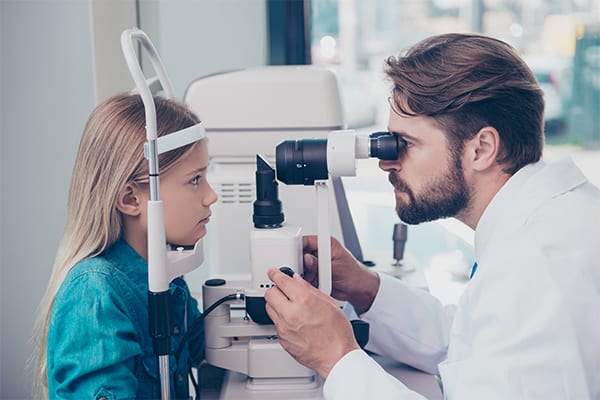
Navigating the path to clearer vision can feel like an uphill battle. Ready to take the leap into refractive surgery, but a critical choice lies ahead of you. Selecting the right optometrist is not a decision to be taken lightly. This piece is here to help you navigate that decision. As we delve into the important factors, the haze will clear, guiding you toward the perfect fit for your refractive surgery pasadena. We’re about to embark on a journey that will bring your vision into focus. Ready? Let’s begin.

Experience Matters

Picture an experienced optometrist. They’ve seen hundreds, maybe even thousands of eyes. They can spot potential issues before they become a problem. Their experienced hands guide them through the delicate process of refractive surgery. Experience can’t be bought, it’s earned over time. Look at your optometrist’s history. If it’s filled with happy, satisfied patients, you’ve found a good option.

Communication is Key

Think about a time when you felt heard. Your concerns were understood and your questions were answered. That’s what you want from your optometrist. They should be able to explain complex procedures in the language you understand. Clear communication builds trust. And trust is vital when your vision is on the line.

Advanced Technology

Imagine living in the stone age. No advanced technology, no modern medical equipment. You wouldn’t want to have your surgery then, right? The same principle applies to your optometrist’s office. The technology they use can make a big difference in the outcome of your surgery. Seek out an optometrist who stays updated with the latest advancements in their field.

Location, Location, Location

Picture a long, stressful drive to your optometrist’s office. The traffic is terrible, the distance is far. That’s added stress you don’t need. Opt for an optometrist close to home. It’s one less thing to worry about when you’re preparing for your refractive surgery.

Aftercare is Essential

Imagine waking up after your surgery. You’re disoriented, your eyes are sensitive. Now, imagine there’s no one to guide you through recovery. A good optometrist doesn’t vanish after surgery. They provide aftercare, helping you navigate the recovery process. That’s the kind of optometrist you want on your side.

Choosing an optometrist is a critical decision. But with these factors in mind, the choice becomes clearer. It’s about more than just getting through the surgery. It’s about finding someone who will guide you through the entire process, from initial consultation to recovery. So, take a deep breath, dive into research, and find the perfect fit for your refractive surgery. Your vision is worth it.