
Author

Anthony

Browsing

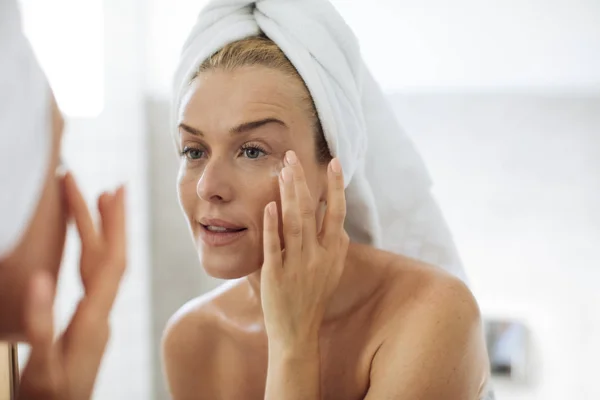
Everyone desires clear, radiant, and glowing skin. However, with the numerous skincare products available in the market, it can be challenging to choose the right one. Most of these products contain harmful chemicals that can cause more harm than good to your skin. Luckily, you can opt for natural and organic ingredients to make DIY skincare products that are safe and effective.

Here are some DIY organic skincare recipes for glowing skin:
DIY organic skincare recipes

    • Honey and Lemon Face Mask

This face mask is perfect for brightening and hydrating your skin. Honey is a natural humectant that helps to retain moisture, while lemon is packed with vitamin C, which helps to brighten your skin.

      1. Mix one tablespoon of raw honey with one teaspoon of freshly squeezed lemon juice.
      2. Apply the mixture to your face and leave it on for 15-20 minutes.
      3. Rinse off with warm water and pat dry.
    • Coconut Oil Body Scrub

This body scrub is perfect for exfoliating and moisturizing your skin. Coconut oil is rich in fatty acids that nourish and hydrate your skin, while sugar helps to remove dead skin cells.

      1. Mix 1/2 cup of coconut oil with 1/2 cup of brown sugar.
      2. Apply the mixture to your body in circular motions.
      3. Rinse off with warm water and pat dry.
    • Aloe Vera and Tea Tree Oil Toner

This toner is perfect for soothing and balancing your skin. Aloe vera has anti-inflammatory properties that help to reduce redness and irritation, while tea tree oil has antibacterial properties that help to prevent acne.

      1. Mix 1/4 cup of aloe vera gel with 10 drops of tea tree oil.
      2. Apply the mixture to your face with a cotton ball.
      3. Leave it on for 5-10 minutes before rinsing off with warm water.
    • Avocado and Yogurt Hair Mask

This hair mask is perfect for nourishing and moisturizing your hair. Avocado is rich in vitamins and minerals that help to strengthen your hair, while yogurt contains lactic acid that helps to exfoliate your scalp.

    1. Mash one ripe avocado and mix it with 1/2 cup of plain yogurt.
    2. Apply the mixture to your hair and scalp.
    3. Leave it on for 30 minutes before rinsing off with warm water.

These DIY organic skincare recipes are easy to make and use natural ingredients that are safe and effective. By incorporating these recipes into your skincare routine, you can achieve clear, radiant, and glowing skin without exposing yourself to harmful chemicals.

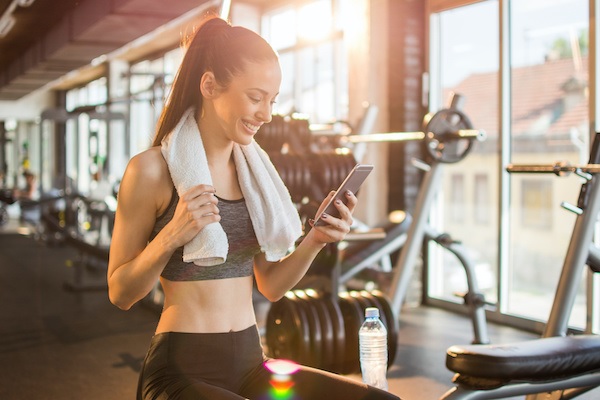
When it comes to fitness, most people focus on the traditional components such as strength training, cardio, and flexibility. However, one component that often gets overlooked is balance training. Balance training is the ability to maintain control of your body’s position, whether it’s stationary or in motion. It’s an essential component of fitness that can improve overall physical performance and reduce the risk of injury.

The Importance of Balance Training

Importance of Balance Training

Balance is essential for everyday activities such as walking, running, and climbing stairs. It’s also crucial for sports performance, especially those that require agility, coordination, and quick movements. Balance training can improve proprioception, which is the body’s ability to sense its position in space and adjust accordingly. This can help athletes react faster and with more precision, giving them a competitive edge.

In addition, balance training can help prevent falls, especially in older adults. According to the Centers for Disease Control and Prevention, falls are the leading cause of injury and death in older Americans. By improving balance and proprioception, older adults can reduce their risk of falling and improve their overall quality of life.

How to Incorporate Balance Training into Your Fitness Routine

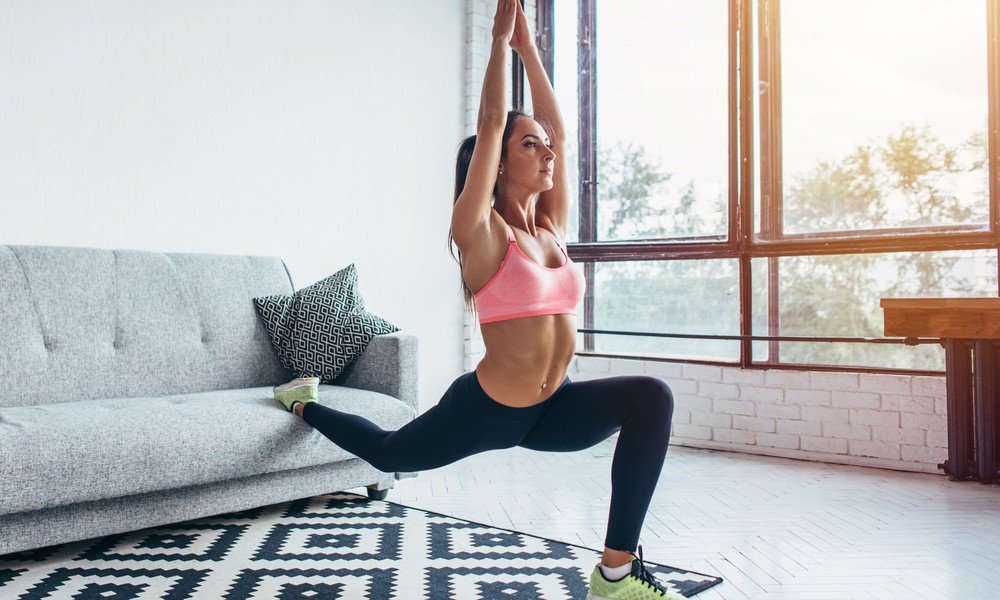
Balance training can be incorporated into your fitness routine in several ways. One effective method is to use balance boards or stability balls. These tools challenge your balance and force your body to activate the muscles that control stability. You can also incorporate balance exercises into your strength training routine by performing exercises on an unstable surface, such as a BOSU ball or foam pad.

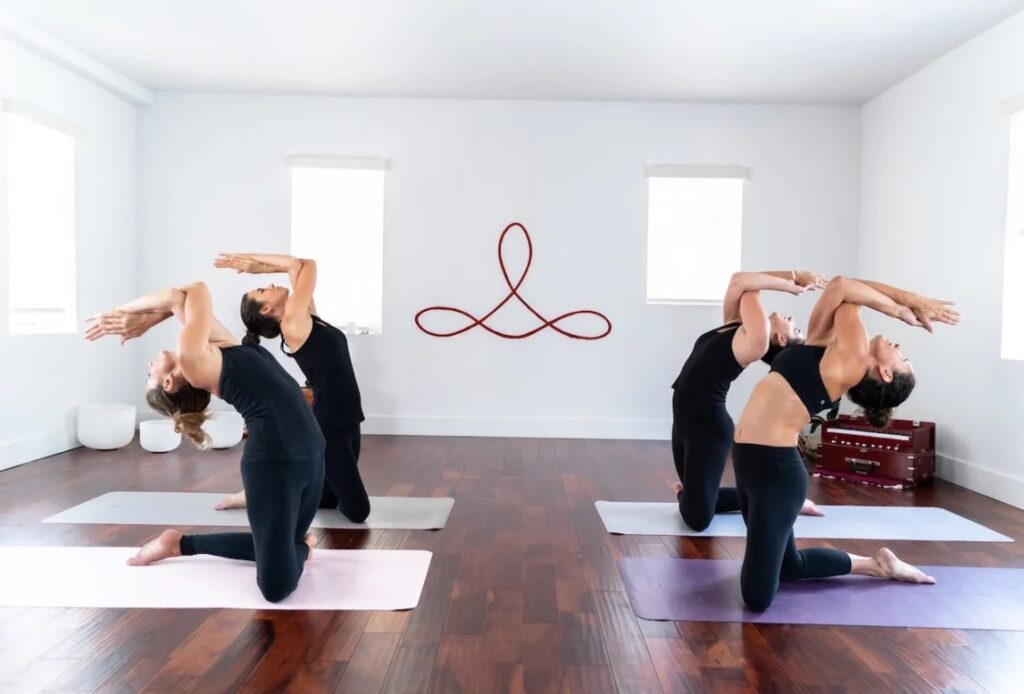
Another way to improve balance is to practice yoga or Pilates. These practices emphasize balance and stability and can improve overall body awareness and control. Tai Chi is another excellent option that focuses on slow, controlled movements that improve balance, coordination, and flexibility.

Balance training is an essential component of fitness that is often overlooked. By incorporating balance exercises into your fitness routine, you can improve overall physical performance, reduce the risk of injury, and improve your quality of life. Whether you use balance boards, stability balls, or practice yoga or Pilates, there are many ways to improve your balance and proprioception. So don’t forget to include balance training in your fitness routine and reap the benefits of improved stability and control.

Water-based workouts have become increasingly popular in recent years, and for good reason. Aqua fitness is a low-impact form of exercise that is gentle on the joints and can be beneficial for people of all ages and fitness levels. In this article, we will explore the benefits of aqua fitness and provide some tips for getting started.

Benefits of Aqua Fitness

  • Low-impact: Aqua fitness is a great option for people who have joint problems or injuries. The buoyancy of the water reduces the impact on the joints, making it a low-impact exercise.
  • Increased resistance: Water is denser than air, which means that you will be working harder to move through it. This increased resistance can help to build strength and endurance.
  • Improved flexibility: The resistance provided by the water can also help to improve flexibility. Aqua fitness can be a great option for people who want to improve their range of motion.
  • Reduced stress: Being in the water can be very relaxing and can help to reduce stress levels. Aqua fitness can be a great way to unwind and de-stress after a busy day.
  • Great cardiovascular workout: Aqua fitness can be a great way to get your heart pumping and improve your cardiovascular health.

Getting Started with Aqua Fitness

If you’re new to aqua fitness, here are some tips to help you get started:

  • Find a class: Many gyms and community centers offer aqua fitness classes. These classes are a great way to learn the basics and get comfortable in the water.
  • Invest in the right gear: You’ll need a swimsuit that is comfortable and allows for ease of movement, as well as water shoes to provide traction on the pool floor. Some people also like to use gloves or resistance equipment to add more resistance to their workouts.
  • Start slow: If you’re new to aqua fitness, it’s important to start slow and gradually increase the intensity of your workouts. Talk to your instructor if you’re unsure about how to modify the exercises for your fitness level.
  • Stay hydrated: Just because you’re in the water doesn’t mean you don’t need to stay hydrated. Make sure to drink plenty of water before, during, and after your workout.

Aqua fitness is a fun and effective way to get in shape and improve your overall health. Whether you’re recovering from an injury or just looking for a low-impact workout, water-based workouts can be a great option. So why not dive in and give aqua fitness a try?

Procrastination is a common problem that affects many people. It can be frustrating and can lead to missed opportunities and unfulfilled potential. Fortunately, self-hypnosis can be an effective tool to overcome procrastination and achieve your goals.

What is self-hypnosis?

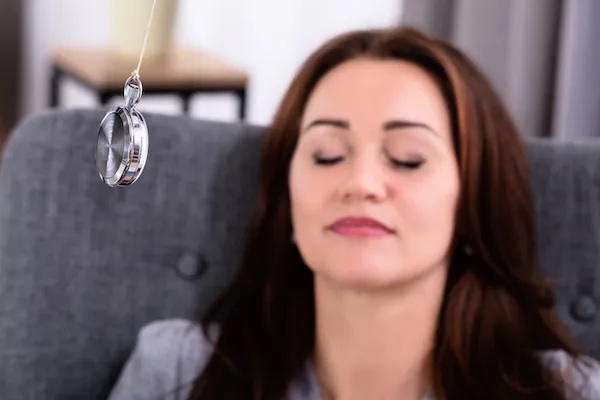
Self-hypnosis is a technique that allows you to enter a relaxed state of mind and access your subconscious. In this state, you can focus on positive suggestions and affirmations that can help you change negative behaviors and thought patterns, such as procrastination.

How does self-hypnosis help with procrastination?

Procrastination is often linked to fear, anxiety, and self-doubt. Self-hypnosis can help you address these underlying issues by promoting relaxation, confidence, and positive thinking. Through self-hypnosis, you can train your mind to focus on your goals and take action towards achieving them.

How to practice self-hypnosis?

How to practice self-hypnosis

Self-hypnosis can be done at home with the help of guided meditation recordings or scripts. Here are some steps to follow:

  1. Find a quiet and comfortable place to sit or lie down.
  2. Close your eyes and take some deep breaths to relax your body and mind.
  3. Visualize yourself in a peaceful and calm environment, such as a beach or a forest.
  4. Repeat positive affirmations to yourself, such as “I am motivated and focused” or “I am capable of achieving my goals”.
  5. Imagine yourself taking action towards your goals, feeling confident and empowered.
  6. When you are ready, slowly open your eyes and return to your daily activities.

Tips for using self-hypnosis to overcome procrastination

Here are some tips to make the most out of self-hypnosis for procrastination:

  • Practice regularly: Consistency is key when it comes to self-hypnosis. Aim to practice at least once a day, preferably at the same time and place.
  • Be specific: Focus on a specific goal or task that you want to accomplish, rather than a vague idea. This will help you stay motivated and track your progress.
  • Use visualization: Visualize yourself completing the task or achieving the goal, and imagine how good it will feel.
  • Combine with other techniques: Self-hypnosis can be used in combination with other techniques such as time management, goal setting, and cognitive-behavioral therapy.

Procrastination can be a difficult habit to break, but self-hypnosis can be a powerful tool to help you overcome it. By accessing your subconscious and promoting positive thinking, self-hypnosis can help you stay motivated, focused, and productive. With regular practice and dedication, you can use self-hypnosis to achieve your goals and reach your full potential.

Sleep is essential for a healthy and productive life. Lack of sleep can lead to a range of health issues such as obesity, diabetes, and heart disease. Unfortunately, many people struggle with sleep issues, making it difficult for them to fall asleep or stay asleep throughout the night. However, there are several self-hypnosis techniques that can help improve sleep quality.

What is Self-Hypnosis?

Self-hypnosis is a technique that allows you to enter a state of deep relaxation and focus your mind on a specific goal or outcome. It involves using positive affirmations and visualizations to create a more positive mindset and achieve your desired result. Self-hypnosis can be used for a range of issues, including reducing stress, managing pain, and improving sleep quality.

How does Self-Hypnosis Improve Sleep Quality?

How does Self-Hypnosis Improve Sleep Quality

Self-hypnosis can help improve sleep quality in several ways. Firstly, it can help calm the mind and reduce stress levels, making it easier to fall asleep. Secondly, it can help you enter a deeper state of relaxation, allowing you to stay asleep for longer periods without waking up. Thirdly, it can help you overcome negative thoughts and beliefs that may be preventing you from getting a good night’s sleep.

Self-Hypnosis Techniques for Improving Sleep Quality

Here are some self-hypnosis techniques that you can use to improve your sleep quality:

  • Progressive Muscle Relaxation: In this technique, you tense and relax each muscle group in your body, starting with your toes and working your way up to your head. This helps release tension and promote relaxation.
  • Visualization: Visualize yourself in a peaceful and calming environment, such as a beach or a forest. Focus on the sights, sounds, and smells of this environment to create a more relaxed state of mind.
  • Positive Affirmations: Repeat positive affirmations to yourself, such as “I am calm and relaxed,” or “I sleep peacefully and wake up feeling refreshed.” This can help you overcome negative thoughts and beliefs that may be affecting your sleep.
  • Breathing Exercises: Focus on your breathing and take slow, deep breaths. This can help slow down your heart rate and promote relaxation.

Improving sleep quality is essential for a healthy and productive life. Self-hypnosis techniques can be a powerful tool in achieving this goal. By using techniques such as progressive muscle relaxation, visualization, positive affirmations, and breathing exercises, you can calm your mind, reduce stress levels, and achieve a more restful night’s sleep.