
Author

Anthony

Browsing

Introduction

Weight loss can be a difficult journey for many people. The struggle to stay motivated, control cravings, and maintain a healthy lifestyle can often be overwhelming. However, there is a powerful tool that can help make this journey easier – self-hypnosis.

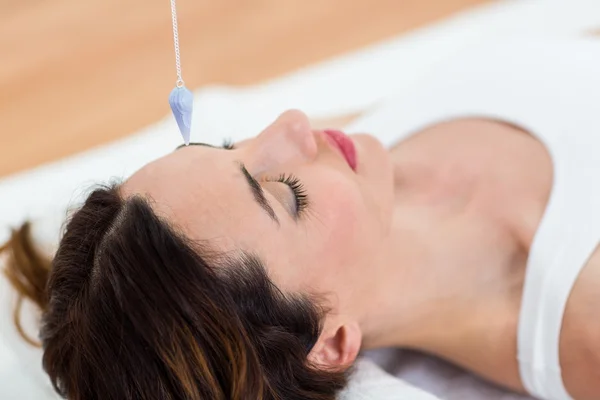
Self-hypnosis is a technique that allows individuals to enter a state of deep relaxation and focus their minds on positive suggestions and affirmations. This can help individuals to overcome negative thought patterns and behaviors that may be hindering their weight loss efforts.

In this article, we will explore the power of self-hypnosis for weight loss and how it can be used to achieve your health and fitness goals.

How Does Self-Hypnosis Work?

Self-hypnosis works by putting individuals into a state of deep relaxation, also known as a trance. During this trance, individuals are more open to positive suggestions and affirmations. This can help to change negative thought patterns and behaviors related to food and exercise.

For example, if an individual has a negative belief that they will never be able to lose weight, self-hypnosis can help to reprogram the subconscious mind to believe in the possibility of weight loss. This can help to increase motivation and make it easier to stick to a healthy lifestyle.

The Benefits of Self-Hypnosis for Weight Loss

Benefits of Self-Hypnosis for Weight Loss

Self-hypnosis has many benefits when it comes to weight loss. Here are just a few:

  • Increased motivation
  • Reduced cravings for unhealthy foods
  • Improved self-esteem
  • Reduced stress and anxiety
  • Better sleep
  • Improved focus and concentration

How to Practice Self-Hypnosis for Weight Loss

Practicing self-hypnosis for weight loss is easy and can be done in the comfort of your own home. Here are some steps to get started:

  1. Find a quiet and comfortable place where you will not be disturbed.
  2. Sit or lie down in a comfortable position and close your eyes.
  3. Take a few deep breaths and allow your body to relax.
  4. Visualize yourself at your ideal weight and imagine how you will feel when you achieve your goal.
  5. Repeat positive affirmations to yourself, such as “I am capable of achieving my weight loss goals” or “I am in control of my eating habits”.
  6. Repeat this practice daily for at least 10-15 minutes.

Self-hypnosis is a powerful tool that can help individuals to achieve their weight loss goals. By putting individuals into a state of deep relaxation and focus, self-hypnosis can help to change negative thought patterns and behaviors related to food and exercise. With practice and dedication, self-hypnosis can be a valuable addition to any weight loss journey.

If you’re someone who has ever been involved in fitness or sports, you’ve probably heard of muscle memory. Maybe you’ve even experienced it yourself. But what is muscle memory, and how does it work?

Muscle memory is the ability of your muscles to remember movements they have previously done, even if you haven’t done them in a while. This is why athletes can pick up a sport again after years of not playing and still have some level of skill. It’s also why people who work out consistently are able to see progress and maintain their fitness level even when they take time off from their routine.

How Muscle Memory Works

How Muscle Memory Works

When we perform a movement, our brain sends signals to our muscles to execute it. The more we do the movement, the stronger the neural connections between our brain and muscles become. This is what allows us to perform the movement more efficiently over time.

Even when we stop doing a movement, the neural connections don’t completely disappear. They may weaken, but they can be reactivated quickly with practice. This is why it’s easier to pick up a movement again after taking a break compared to learning it from scratch.

Benefits of Muscle Memory

Muscle memory has several benefits for fitness enthusiasts:

  • Quickly regain lost progress: If you take a break from your fitness routine, having muscle memory can help you get back on track faster.
  • Better performance: When you perform a movement more efficiently, you’re able to do it with less effort. This can help you perform better in sports or fitness activities.
  • Maintain progress: If you’ve worked hard to build muscle or increase your endurance, muscle memory can help you maintain those gains even if you take time off from your routine.

How to Build Muscle Memory

If you want to build muscle memory for a specific movement, the key is to practice it consistently. The more you do it, the stronger the neural connections will become.

It’s important to note that muscle memory is specific to the movement you’re practicing. So if you want to build muscle memory for a squat, you need to practice squats specifically. Doing other leg exercises won’t necessarily help you build muscle memory for the squat.

Another important factor is to practice the movement correctly. If you practice a movement with poor form, you’ll build muscle memory for that poor form. This can lead to injury and make it harder to perform the movement correctly in the future.

Muscle memory is a fascinating aspect of our bodies that can help us achieve our fitness goals. By understanding how it works and how to build it, we can use it to our advantage and see better results in our workouts. So next time you take a break from your fitness routine, remember that your muscle memory is still there, waiting to be reactivated.

Have you ever wondered why you feel more alert and energized in the morning, but tired and sluggish in the afternoon? Or why some people are morning people while others are night owls? The answer lies in our internal clock, also known as our circadian rhythm, which is regulated by the science of chronobiology.

What is Chronobiology?

What is Chronobiology

Chronobiology is the study of biological rhythms and how they affect our behavior, health, and well-being. Our internal clock is responsible for regulating important physiological processes, such as sleep, digestion, and hormone production. These processes follow a 24-hour cycle, which is synchronized with the natural light-dark cycle of the environment.

Our internal clock is controlled by a group of cells in the brain called the suprachiasmatic nucleus (SCN), which receives information from light-sensitive cells in the retina. When we are exposed to light, especially in the morning, it signals the SCN to reset our internal clock and start the day.

The Importance of Aligning Your Health with Your Internal Clock

When our internal clock is disrupted, it can have negative effects on our health. For example, shift workers who work at night and sleep during the day are at higher risk for obesity, diabetes, and cardiovascular disease. This is because their circadian rhythms are out of sync with their environment, leading to disruptions in metabolism and hormone production.

However, when we align our health with our internal clock, we can optimize our physical and mental performance. For example, exercising in the morning can help boost energy levels and improve sleep quality at night. Eating meals at regular times can help regulate digestion and metabolism. And getting exposure to natural sunlight during the day can help improve mood and alertness.

Tips for Aligning Your Health with Your Internal Clock

  • Stick to a regular sleep schedule and aim for 7-8 hours of sleep per night.
  • Avoid bright screens, such as phones and laptops, before bedtime.
  • Get exposure to natural sunlight during the day by taking breaks outside or sitting near a window.
  • Eat meals at regular times and avoid eating heavy meals before bedtime.
  • Exercise in the morning to boost energy levels and improve sleep quality.
  • Avoid caffeine and alcohol before bedtime, as they can disrupt sleep.

Chronobiology is a fascinating field that highlights the importance of aligning our health with our internal clock. By following these tips and making small lifestyle changes, we can optimize our circadian rhythms and improve our overall health and well-being.

Athletes are always looking for ways to improve their performance and gain a competitive edge. While physical training and nutrition are crucial, mental preparation is just as important. This is where self-hypnosis comes in. Self-hypnosis is a powerful tool that can help athletes overcome mental barriers, increase focus and concentration, and enhance their athletic performance.

What is Self-Hypnosis?

Self-hypnosis is a technique that involves inducing a state of deep relaxation and heightened suggestibility in oneself. It is a form of self-directed hypnosis that can be used to achieve a variety of goals, including improving athletic performance. Self-hypnosis is safe and easy to learn, and it can be practiced anywhere and at any time.

How Does Self-Hypnosis Enhance Athletic Performance?

Self-hypnosis can be used to enhance athletic performance in several ways:

  1. Overcoming Mental Barriers: Self-hypnosis can help athletes overcome mental barriers such as fear, anxiety, and self-doubt. By using self-hypnosis to visualize success and mentally rehearse their performance, athletes can build confidence and reduce anxiety.
  2. Increasing Focus and Concentration: Self-hypnosis can help athletes improve their focus and concentration by teaching them to tune out distractions and stay in the present moment. By practicing self-hypnosis regularly, athletes can train their minds to stay focused and avoid getting distracted by external factors.
  3. Reducing Stress and Fatigue: Self-hypnosis can help athletes reduce stress and fatigue by inducing a state of deep relaxation. By practicing self-hypnosis regularly, athletes can improve their ability to manage stress and recover more quickly from intense training sessions and competitions.

How to Practice Self-Hypnosis for Athletic Performance Enhancement

Here are some steps to follow when practicing self-hypnosis for athletic performance enhancement:

  • Find a quiet and comfortable place: Find a quiet and comfortable place where you won’t be disturbed. Sit or lie down in a comfortable position.
  • Relax your body: Close your eyes and take a few deep breaths to relax your body. Focus on relaxing each part of your body, starting from your toes and working your way up to your head.
  • Visualize success: Visualize yourself performing at your best and achieving your goals. Use all your senses to make the visualization as vivid as possible.
  • Repeat affirmations: Repeat positive affirmations to yourself, such as “I am confident and focused” or “I am strong and resilient.”
  • Practice regularly: Practice self-hypnosis regularly, ideally daily, to reinforce positive habits and achieve lasting results.

Self-hypnosis is a powerful tool that can help athletes enhance their performance by overcoming mental barriers, increasing focus and concentration, and reducing stress and fatigue. By practicing self-hypnosis regularly, athletes can train their minds to perform at their best and achieve their goals.

Living with chronic pain and swelling can be a challenging experience, both physically and emotionally. While medications and other medical interventions are often necessary, there are also mind-body techniques that can help manage symptoms and improve quality of life. These techniques focus on the connection between the mind and body and can be effective in reducing pain and inflammation.

Meditation

Meditation is a popular mind-body technique that has been used for centuries to reduce stress and promote relaxation. It involves focusing on the present moment and clearing the mind of distracting thoughts. Research has shown that regular meditation practice can reduce pain and inflammation by reducing stress levels and promoting the body’s natural healing processes. There are many different types of meditation, including mindfulness, guided meditation, and body scan meditation. It’s important to find a style that works for you and to practice regularly to see the benefits.

Yoga

Yoga

Yoga is another mind-body technique that has been shown to be effective in managing pain and swelling. It involves a series of postures and breathing exercises that promote relaxation and flexibility. Yoga can help reduce stress, improve circulation, and promote the body’s natural healing processes. There are many different types of yoga, including hatha, vinyasa, and restorative yoga. It’s important to find a class or style that works for you and to practice regularly to see the benefits.

Acupuncture

Acupuncture is a traditional Chinese medicine technique that involves inserting thin needles into specific points on the body. It is believed to stimulate the body’s natural healing processes and promote pain relief. Studies have shown that acupuncture can be effective in reducing pain and inflammation, particularly for conditions such as arthritis and fibromyalgia. It’s important to find a licensed acupuncturist who has experience treating your specific condition.

Breathing Techniques

Breathing techniques, such as deep breathing and diaphragmatic breathing, can help reduce stress and promote relaxation. These techniques involve slowing down the breath and focusing on the sensation of inhaling and exhaling. Research has shown that regular practice of breathing techniques can reduce pain and inflammation by promoting the body’s natural healing processes. It’s important to find a comfortable position and to practice regularly to see the benefits.

Massage

Massage is a hands-on technique that involves manipulating the muscles and soft tissues of the body. It can help reduce pain and inflammation by improving circulation and promoting relaxation. There are many different types of massage, including Swedish, deep tissue, and trigger point massage. It’s important to find a licensed massage therapist who has experience treating your specific condition.

Managing chronic pain and swelling can be a challenging experience, but mind-body techniques can be effective in reducing symptoms and improving quality of life. Meditation, yoga, acupuncture, breathing techniques, and massage are just a few examples of techniques that can help manage pain and inflammation. It’s important to find a technique or combination of techniques that work for you and to practice regularly to see the benefits.

When it comes to treating pain and swelling, two of the most common options are cryotherapy and thermotherapy. Both methods involve the use of temperature to help alleviate symptoms, but they work in different ways. So, which one is best? Let’s take a closer look.

Cryotherapy

Cryotherapy involves the use of cold temperatures to reduce pain and swelling. This can be done in a number of ways, including ice packs, cold compresses, and even whole-body cryotherapy chambers. The idea behind cryotherapy is that the cold temperature will cause the blood vessels to constrict, reducing blood flow to the affected area and therefore reducing inflammation.

Cryotherapy is often recommended for acute injuries, such as sprains or strains, as well as for post-surgical pain. It’s also commonly used by athletes to help with muscle soreness and recovery.

Thermotherapy

Thermotherapy

Thermotherapy, on the other hand, involves the use of heat to treat pain and swelling. This can be done through a variety of methods, including hot compresses, heating pads, and warm baths. The heat causes the blood vessels to dilate, increasing blood flow to the affected area and promoting healing.

Thermotherapy is often recommended for chronic pain, such as arthritis or back pain. It’s also commonly used for menstrual cramps and other types of muscle pain.

Which is Best?

So, which method is best for treating pain and swelling? The answer, as with many things, is that it depends. Both cryotherapy and thermotherapy have their benefits and drawbacks, and the best option will depend on the specific situation.

For acute injuries, cryotherapy is often the go-to option. The cold temperature can help to reduce swelling and inflammation, which can help to speed up the healing process. However, it’s important to note that cryotherapy should not be used for longer than 20 minutes at a time, as prolonged exposure to cold temperatures can actually increase inflammation.

For chronic pain, thermotherapy may be a better option. The heat can help to increase blood flow to the affected area, which can help to promote healing and reduce pain. Additionally, the relaxing nature of heat therapy can help to reduce stress and tension, which can also contribute to pain relief.

Ultimately, the best option will depend on the individual and the specific situation. It’s always a good idea to consult with a healthcare professional to determine the best course of treatment for your particular needs.

  • Pros of Cryotherapy:
    • Reduces inflammation and swelling
    • Speeds up healing process
    • Effective for acute injuries
  • Cons of Cryotherapy:
    • Should not be used for longer than 20 minutes
    • Prolonged exposure to cold temperatures can increase inflammation
  • Pros of Thermotherapy:
    • Increases blood flow to affected area
    • Promotes healing and reduces pain
    • Relaxing and stress-reducing
  • Cons of Thermotherapy:
    • Not effective for acute injuries
    • Should not be used on open wounds or areas of swelling

Both cryotherapy and thermotherapy can be effective for treating pain and swelling, but the best option will depend on the individual and the specific situation. It’s important to consult with a healthcare professional to determine the best course of treatment for your particular needs.

Air quality has a direct impact on respiratory health. Poor air quality can lead to a range of respiratory problems, especially for people who are already suffering from lung conditions such as asthma or chronic obstructive pulmonary disease (COPD). In this article, we will explore the link between air quality and respiratory health and provide some tips on how to protect yourself.

What is Air Quality?

Air quality refers to the level of pollutants in the air that we breathe. These pollutants can be natural or man-made and can include things like dust, pollen, smoke, and chemicals. The quality of the air can vary depending on the location, time of day, and weather conditions.

The Link Between Air Quality and Respiratory Health

Poor air quality can have a significant impact on respiratory health. When we breathe in pollutants, they can irritate the lungs and airways, causing inflammation and damage. This can lead to a range of respiratory problems, including:

Link Between Air Quality and Respiratory Health

  • Asthma
  • COPD
  • Lung cancer
  • Respiratory infections
  • Chronic bronchitis

People who are already suffering from lung conditions are particularly vulnerable to the effects of poor air quality. For them, exposure to pollutants can exacerbate their symptoms and lead to more frequent and severe flare-ups.

How to Protect Yourself

Fortunately, there are several steps you can take to protect yourself from the harmful effects of poor air quality:

  1. Avoid outdoor activities during times of high pollution.
  2. Invest in an air purifier for your home or office.
  3. Keep windows and doors closed during times of high pollution.
  4. Avoid smoking or being around secondhand smoke.
  5. Use public transportation or carpool to reduce emissions from vehicles.

It’s also important to keep your own respiratory health in check. If you suffer from a lung condition, make sure you take your medications as prescribed and follow any other treatment plans recommended by your doctor. You should also avoid triggers that can worsen your symptoms, such as cigarette smoke or allergens.

Air quality is a crucial factor in respiratory health. Poor air quality can lead to a range of respiratory problems, especially for people who are already suffering from lung conditions. By taking steps to protect yourself and your respiratory health, you can reduce your risk of developing these problems and improve your overall quality of life.

Fitness has always been a crucial part of a healthy lifestyle, but traditional methods of exercise can often be boring and repetitive. However, with the rise of technology, fitness enthusiasts can now turn to interactive and engaging exercise apps to make their workouts fun and exciting.

The Benefits of Gamifying Fitness

Benefits of Gamifying Fitness

Gamifying fitness is the practice of incorporating game-like elements into exercise routines. This includes challenges, rewards, and progress tracking. By gamifying fitness, individuals are more likely to stick to their exercise routines and achieve their fitness goals.

Research has shown that gamification can increase motivation and engagement levels in users, leading to improved performance and long-term adherence to exercise programs. It also provides a sense of community and social support, which can boost morale and help users stay on track.

Interactive and Engaging Exercise Apps

There are numerous exercise apps available in the market that incorporate gamification into their features. These apps are designed to make workouts more interactive and engaging, providing users with a fun and exciting way to get fit.

  • Fitocracy: This app allows users to track their workouts and earn points and badges for completing challenges. It also has a social aspect where users can connect with other fitness enthusiasts and share their progress.
  • Zombies, Run!: This app turns running into a game by immersing users in a post-apocalyptic world where they must outrun zombies and collect supplies. It adds an element of excitement and adventure to a mundane exercise routine.
  • Pact: This app allows users to set goals and rewards for themselves. If they achieve their goals, they earn money. However, if they fail to meet their goals, they must pay a penalty. This app adds a financial incentive to exercise, making it more likely for users to stick to their routines.
  • Charity Miles: This app allows users to raise money for charity while they exercise. For every mile walked, run, or biked, corporate sponsors donate money to a chosen charity. This app adds a sense of purpose and altruism to exercise routines.

The Future of Gamified Fitness

Gamified fitness is a growing trend in the fitness industry, and it is likely to continue to evolve in the future. As technology advances, we can expect to see more immersive and interactive exercise apps that incorporate virtual and augmented reality.

Furthermore, the integration of wearable technology and artificial intelligence can provide users with personalized workout routines and real-time feedback, making workouts more efficient and effective.

Gamifying fitness provides a fun and engaging way for individuals to achieve their fitness goals. Interactive and engaging exercise apps, such as Fitocracy, Zombies, Run!, Pact, and Charity Miles, are just a few examples of how gamification can be incorporated into exercise routines.

The future of gamified fitness looks bright, with advancements in technology and the integration of wearable technology and artificial intelligence. With these developments, individuals can look forward to more personalized and immersive workout experiences that make fitness more exciting and enjoyable.

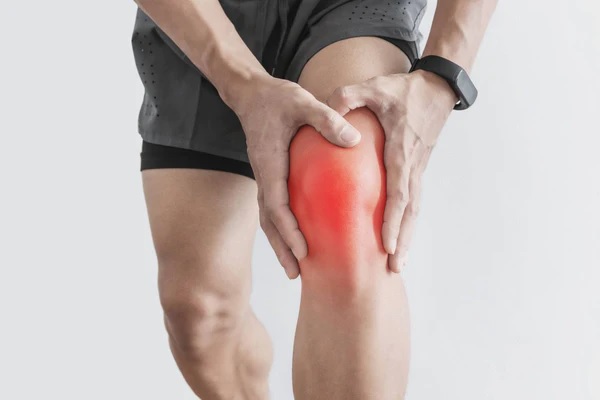
Chronic pain and swelling are common symptoms of many conditions, including arthritis, fibromyalgia, and autoimmune disorders. Inflammation is a key factor that contributes to these symptoms, and understanding the role of inflammation in chronic pain and swelling can help us better manage these conditions.

What is inflammation?

Inflammation is a natural process that occurs in response to injury, infection, or irritation. When tissues are damaged or infected, the body’s immune system responds by releasing chemicals that cause blood vessels to dilate, allowing immune cells to reach the affected area. This leads to redness, warmth, swelling, and pain.

While acute inflammation is a necessary part of the healing process, chronic inflammation can cause damage to tissues and organs over time. Chronic inflammation has been linked to a number of diseases, including heart disease, diabetes, and cancer.

The link between inflammation and chronic pain

Chronic pain is often associated with inflammation. Inflammatory chemicals such as cytokines and prostaglandins can sensitize nerve cells, making them more likely to fire in response to stimuli. This can lead to a condition known as hyperalgesia, where even mild stimuli can cause severe pain.

In addition to sensitizing nerve cells, inflammation can also cause structural changes in the nervous system. Chronic inflammation can lead to the formation of new neural pathways that perpetuate pain signals, even in the absence of ongoing tissue damage or inflammation.

The role of inflammation in swelling

The role of inflammation in swelling

Swelling, or edema, is another common symptom of inflammation. Inflammatory chemicals cause blood vessels to become more permeable, allowing fluid to leak into the surrounding tissues. This can lead to swelling and discomfort.

Chronic inflammation can also cause fibrosis, or the formation of scar tissue, which can interfere with the normal functioning of organs and tissues. This can lead to further swelling and pain.

Managing chronic pain and swelling

There are several strategies for managing chronic pain and swelling associated with inflammation. Nonsteroidal anti-inflammatory drugs (NSAIDs) such as aspirin and ibuprofen can help reduce inflammation and pain, but they may have side effects such as stomach upset and increased risk of bleeding.

Other medications, such as corticosteroids and disease-modifying antirheumatic drugs (DMARDs), can also be effective in managing inflammation and reducing pain and swelling. However, these medications can have significant side effects and should be used under the guidance of a healthcare provider.

Lifestyle changes, such as exercise, weight management, and stress reduction, can also help manage chronic pain and swelling associated with inflammation. Physical therapy and alternative therapies such as acupuncture and massage may also be beneficial in reducing pain and improving function.

Inflammation plays a key role in chronic pain and swelling. Understanding the mechanisms of inflammation and how it contributes to these symptoms can help us develop more effective treatments for managing these conditions. By combining medication, lifestyle changes, and alternative therapies, we can help reduce pain and swelling and improve overall quality of life for those with chronic pain and swelling.

Inflammation is a natural response of the body’s immune system to protect itself from harmful stimuli. However, chronic inflammation is linked to various diseases, such as arthritis, diabetes, heart disease, and cancer. Diet plays a crucial role in regulating inflammation in the body. In this article, we will discuss the connection between diet and inflammation.

What is Inflammation?

Inflammation is the body’s immune system response to harmful stimuli, such as pathogens, damaged cells, or irritants. It is a natural process that helps the body to protect itself from infections and injuries. The symptoms of inflammation include redness, swelling, heat, and pain. Acute inflammation is a short-term response to harmful stimuli, while chronic inflammation is a long-term response that can lead to various diseases.

Role of Diet in Inflammation

Role of Diet in Inflammation

Diet plays a crucial role in regulating inflammation in the body. Certain foods can trigger inflammation, while others can reduce it. A diet rich in processed foods, sugar, and saturated fats can increase inflammation in the body. On the other hand, a diet rich in fruits, vegetables, whole grains, and healthy fats can reduce inflammation.

Foods that Trigger Inflammation

  • Sugar: Sugar is one of the main culprits of inflammation in the body. It can increase the production of inflammatory cytokines, leading to chronic inflammation.
  • Saturated fats: Saturated fats found in red meat, butter, and cheese can trigger inflammation in the body.
  • Processed foods: Processed foods, such as chips, cookies, and fast food, contain high amounts of sugar, salt, and unhealthy fats, which can increase inflammation in the body.
  • Trans fats: Trans fats found in fried foods, margarine, and processed snacks can increase the production of inflammatory cytokines.
  • Alcohol: Excessive alcohol consumption can increase inflammation in the body.

Foods that Reduce Inflammation

  • Fruits and vegetables: Fruits and vegetables are rich in antioxidants and anti-inflammatory compounds, which can reduce inflammation in the body.
  • Whole grains: Whole grains, such as brown rice and quinoa, are rich in fiber, vitamins, and minerals, which can reduce inflammation in the body.
  • Healthy fats: Healthy fats, such as omega-3 fatty acids found in fatty fish, nuts, and seeds, can reduce inflammation in the body.
  • Herbs and spices: Herbs and spices, such as turmeric, ginger, and garlic, have anti-inflammatory properties.
  • Green tea: Green tea is rich in antioxidants and anti-inflammatory compounds, which can reduce inflammation in the body.

Diet plays a crucial role in regulating inflammation in the body. A diet rich in processed foods, sugar, and saturated fats can increase inflammation, while a diet rich in fruits, vegetables, whole grains, and healthy fats can reduce inflammation. By making simple changes to your diet, you can reduce chronic inflammation in the body and improve your overall health.