
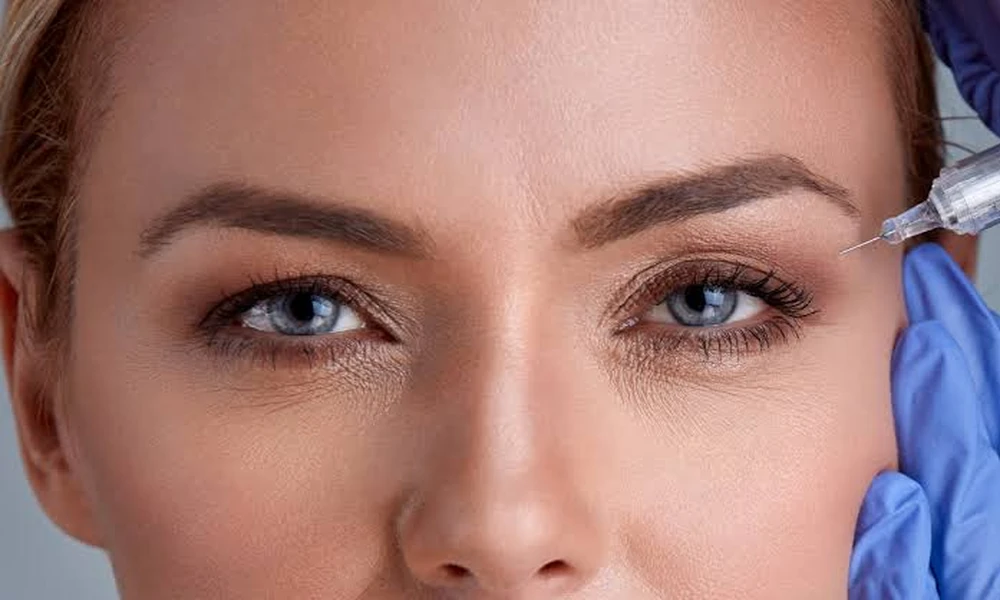
Botox is often pictured as a smooth forehead, but that is not the only goal. Many want facial wrinkles to look softer while their usual expressions stay recognizable. Getting there takes more than knowing where to inject. The practitioner has to understand how the muscles move and how much relaxation an area can handle.
Patients considering Botox treatment Newport Beach providers offer often want softer lines without losing the expressions that make their face look like their own. Many here are client-facing and often photographed, and want to look rested on camera without losing the expressions they are known by. A good consultation looks at the lines at rest, during expression, and the movement behind them before any plan is set.
What Facial Movement Reveals
Some wrinkles come from facial muscles contracting over and over. The forehead, brow, and the corners of the eyes move differently, so Botox dosing cannot follow one fixed formula. The practitioner watches ordinary expressions to see which muscles feed a line and how strongly they work.
The approach used at Akari Medspa considers that movement alongside the remaining lines when the face is relaxed. A line still visible when the face is relaxed may have set in. Botox reduces the muscle activity behind it but does not replace skin or volume treatments.
How Dosing Affects the Result
Botox works by temporarily reducing targeted muscle activity. The amount has to match the muscle, the area, and how much movement the patient wants to keep.
Too much relaxation makes expressions feel unfamiliar. Too little leaves the crease mostly unchanged. The right level of treatment softens repetitive movement without erasing the expressions that give the face its character.
This is why Botox for facial wrinkles is more than treating every visible line. The practitioner judges whether muscle activity is driving a wrinkle and which muscles to treat.
What Natural-Looking Botox Involves
Natural-looking Botox starts with preserving the movement that gives the face its character. Treatment can focus on selected muscles instead of reducing movement across an entire area. Facial anatomy, muscle strength, existing asymmetries, and the patient’s preferred level of movement all guide the approach.
Previous Botox sessions also help. How long the effect lasted and how much movement remained can guide the next round.
What the Consultation Establishes
The consultation gives the practitioner a clearer sense of how much movement the patient wants to preserve and which lines they want softened. One person wants forehead movement kept, another the eyebrows or an easy look around the eyes. That conversation gives the practitioner a clearer basis for where to inject and how much. It also makes room to explain what Botox can address and what needs a different treatment.
Botox has a defined role. It works on muscle movement and does not touch every sign of facial aging. Once that is clear, treatment stays focused on softening lines and keeping the face animated.

Comments are closed.