
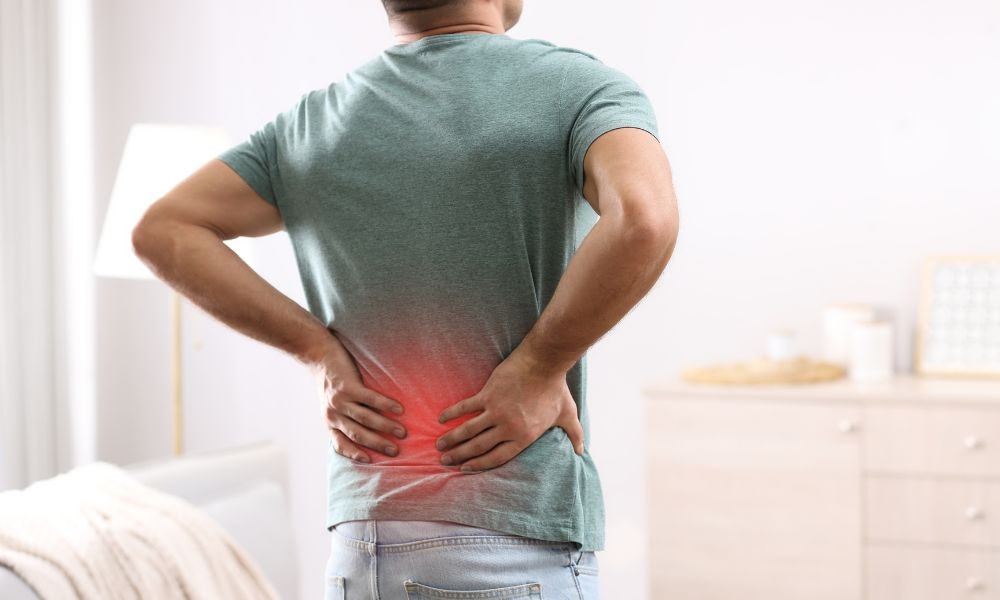
Chronic pain affects an estimated 50 million adults in the United States – more than diabetes, heart disease, and cancer combined. It is one of the most common reasons people seek medical care, a leading cause of disability, and one of the most clinically challenging conditions to manage effectively. For nurses, chronic pain management nursing requires an understanding of complex neuroscience, shifting opioid prescribing guidelines, and a broad spectrum of pharmacological and non-pharmacological interventions. Continuing education for nurses in pain management is increasingly essential across all clinical settings.
Chronic Pain vs. Acute Pain: Why the Distinction Matters
One of the most important conceptual shifts in pain medicine is the recognition that chronic pain is fundamentally different from prolonged acute pain. Acute pain serves a biological warning function and resolves as healing occurs. Chronic pain, by definition lasting beyond three to six months, often involves nervous system changes – particularly central sensitization – that perpetuate pain independent of ongoing tissue injury.
In central sensitization, the nervous system becomes amplified, producing pain that may seem disproportionate to observable physical findings. This explains why neuropathic pain treatment and fibromyalgia management often require approaches targeting the nervous system rather than peripheral tissue alone. For nurses, this understanding shapes both assessment and advocacy – a patient’s report of severe pain deserves clinical respect even when imaging is unremarkable.
The Biopsychosocial Pain Model
The most widely accepted framework for understanding chronic pain is the biopsychosocial pain model, which recognizes that pain is shaped by biological, psychological, and social factors simultaneously.
Biological factors include tissue injury, inflammation, nerve damage, and genetics. Psychological factors – anxiety, depression, pain catastrophizing, and trauma history – significantly influence pain intensity, disability, and treatment response. Social determinants including work environment, social support, and healthcare access are equally important.
Effective multimodal pain management addresses all three dimensions. Nurses who understand the biopsychosocial model can recognize when psychological factors are amplifying the pain experience and connect patients with appropriate support, including mental health services and behavioral health interventions.
Pharmacological Approaches: From Non-Opioid Analgesics to Opioid Prescribing Guidelines
Medications remain central to chronic pain management for many patients, but the opioid crisis has fundamentally reshaped pharmacotherapy – and nurses must understand current opioid prescribing guidelines.
Non-opioid analgesics are generally preferred as first-line treatment. NSAIDs are effective for inflammatory pain but carry long-term GI, renal, and cardiovascular risks. Acetaminophen offers a safer profile for many patients. Topical agents – NSAIDs and lidocaine patches – provide localized relief with fewer systemic effects.
Adjuvant medications play a major role in neuropathic pain treatment. Tricyclic antidepressants, SNRIs (duloxetine, venlafaxine), and anticonvulsants (gabapentin, pregabalin) are first-line options for neuropathic conditions and fibromyalgia.
Opioids continue to have a role in managing severe chronic pain – particularly cancer-related pain – but current opioid prescribing guidelines position them as later-line options after non-pharmacological and non-opioid approaches have been tried, due to risks of dependence, overdose, and adverse effects.
Non-Pharmacological Interventions: The Evidence Base
Non-pharmacological approaches are now recognized as essential – not alternative – components of multimodal pain management.
Cognitive behavioral therapy (CBT) for chronic pain is among the most evidence-supported interventions available. CBT helps patients change unhelpful thought patterns, improve coping skills, and increase functional activity – with durable effects and no medication risks.
Physical therapy and graduated exercise are critical for most chronic pain conditions. Despite the natural tendency to avoid movement, deconditioning worsens both pain and disability. A paced, progressive physical activity program is a cornerstone of treatment for low back pain, osteoarthritis, and many other conditions.
Mindfulness-based stress reduction (MBSR) has substantial evidence for reducing pain intensity and improving quality of life. Other effective modalities include acupuncture, TENS, massage therapy, and multidisciplinary pain rehabilitation programs.
Pain Assessment Tools and the Nurse’s Role as Advocate
Comprehensive chronic pain nursing assessment goes beyond a 0-10 rating scale. Validated pain assessment tools such as the Brief Pain Inventory and the PEG scale (Pain, Enjoyment, General Activity) capture the functional impact of pain and allow tracking over time.
Nurses must also be vigilant about pain disparities. Research documents that pain is systematically undertreated in racial and ethnic minorities, women, elderly patients, and patients with a history of substance use disorder. Pain patient advocacy – ensuring equitable assessment and treatment – is a core ethical responsibility of the nursing profession.
Completing nursing CEU pain management courses and accumulating nursing contact hours in this specialty area keeps nurses current with evolving evidence and better equipped to advocate effectively for patients living with chronic pain.

Comments are closed.