
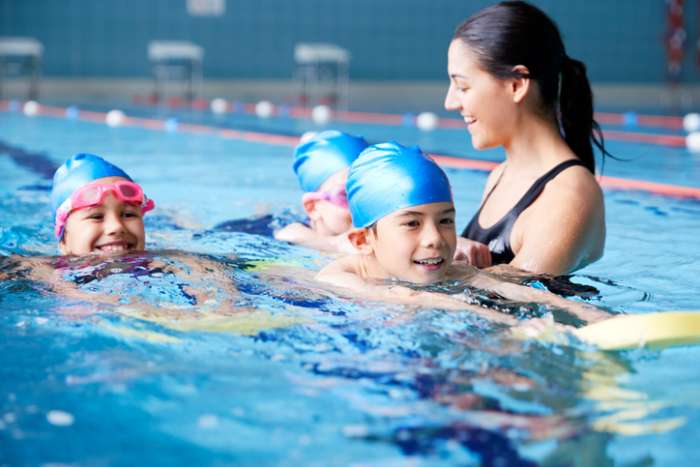
Watching a child’s confidence bloom in the water is one of the most rewarding sights for any parent. But how do you ensure that the swimming lessons you choose set your child up for both success and enjoyment? Seasoned swim coaches are increasingly clear about their recommendation: small-group lessons strike an unbeatable balance between individual growth and the energy of learning alongside peers.
What Are Small-Group Swim Lessons and How Do They Work?
Small-group swim lessons are structured to combine the best of both worlds: the focus of individualized instruction and the camaraderie of group activities. Unlike traditional large classes, these typically involve three to five children per instructor. This creates an environment that is focused enough for tailored feedback, yet lively enough for children to feel motivated by the presence of their peers.
Defining Small-Group Versus Private and Semi-Private Lessons
Private swim lessons are one-on-one, offering undivided attention for children who need either more support or want to progress very rapidly. Semi-private lessons usually involve two or three students per coach, often siblings or close friends. Small-group lessons expand just a bit, usually capping at five kids, and are ideal for children who learn best in a social setting without sacrificing quality instruction.
Typical Group Sizes and Instructor-to-Student Ratios
Industry best practices suggest instructor-to-student ratios of 1:3 for semi-private and up to 1:5 for small-group classes. This ensures every child is seen, heard, and guided, avoiding the pitfalls of overcrowded pools where progress can stall.
Structure and Scheduling of Small-Group Sessions
Small-group lessons are typically held weekly, allowing children to build a routine and look forward to seeing familiar faces. Programs like Fitness Factory kids swimming classes offer consistent time slots, so families can plan ahead and kids can develop lasting bonds with their coaches and classmates.
Why Do Expert Swim Coaches Prefer Small-Group Lessons for Kids?
Coaches are quick to point out that swimming is as much about community as it is about technique. In small groups, kids benefit from both the watchful eye of their instructor and the motivating presence of their peers.
Balancing Personalized Attention with Peer Interaction
A smaller group lets coaches zero in on each child’s unique strengths and weaknesses. At the same time, sharing the pool with a handful of others introduces healthy peer modeling. Children often push themselves to keep up or help each other, creating a natural learning momentum.
Enhancing Skill Development Through Group Dynamics
Group lessons naturally introduce friendly competition and encouragement. When one child masters a skill, others are inspired to try harder. Coaches also structure drills that involve coordination and timing as a team, important aspects of swimming that solo lessons can’t always replicate.
Creating a Supportive and Encouraging Learning Environment
A calm, encouraging environment is crucial for young swimmers, especially those who are nervous or just starting out. Small groups foster camaraderie, helping children feel safe, supported, and eager to try new skills without fear of embarrassment.
How Do Small-Group Lessons Boost Confidence and Motivation?
Nothing builds water confidence faster than the realization that you’re not alone in your struggles or triumphs.
The Role of Social Learning and Friendly Competition
Children naturally mimic each other, so seeing a peer float for the first time or master a kick can be the nudge a hesitant swimmer needs. A bit of friendly rivalry can turn apprehension into determination.
Building Comfort in the Water Through Gradual Exposure
Repeated, positive experiences in a familiar group setting ease fears and boost comfort levels. The steady pace and supportive atmosphere gently push children to expand their abilities each week.
Encouragement from Coaches and Peers
Receiving applause from both coach and classmates turns small milestones into big wins. That sense of shared success is powerfully motivating for kids.
What Specific Techniques and Skills Are Best Taught in Small Groups?
Core swimming skills benefit greatly from the group format.
– Fundamental strokes and breath control can be taught efficiently as coaches rotate focus among students.
– Coordination and timing are honed through group drills, such as relay races or synchronized kicking.
– Safety awareness and water confidence are reinforced as children watch and learn from each other’s successes and mistakes.
How Are Small-Group Lessons Customized to Fit Different Ages and Skill Levels?
Diversity in skill level is a natural part of small-group lessons, but skilled instructors turn it into an advantage. Coaches assess each child’s needs at the start, then adapt their lesson plans to address both group and individual goals. It’s common for a session to involve variations on the same drill, allowing beginners and more advanced swimmers to challenge themselves at their own pace.
What Are the Practical Benefits for Families Choosing Small-Group Lessons?
Beyond skill development, families appreciate the predictability and value of small-group swim lessons.
– Cost-effectiveness is a clear benefit. Small-group lessons are more affordable per session than private instruction.
– Convenient scheduling is another plus. Regular slots and smaller class sizes mean less time waiting for openings.
– Transparent progress tracking helps parents and children stay motivated, as coaches provide consistent feedback.
How Can Parents and Caregivers Support Their Child’s Success in Small-Group Lessons?
Success isn’t only found in the pool. Parents can help by ensuring regular attendance, celebrating small milestones, and keeping communication lines open with coaches. A quick check-in with the instructor after class or encouragement at home can make a big difference in a child’s enthusiasm.
What Does Research and Real-World Experience Say About Small-Group Swimming Instruction?
Studies suggest that small-group swim lessons lead to better skill retention and higher enjoyment levels. Children are less likely to drop out and more likely to progress at a steady pace. Testimonials from coaches, parents, and the swimmers themselves highlight improvements not just in technique, but in confidence and love for the water. Over time, these benefits translate into lifelong swimming ability and a much stronger awareness of water safety.
For families searching for the right fit, small-group swim lessons offer a thoughtful blend of personal attention, peer support, and practical advantages, a winning formula for raising capable, confident swimmers.

Comments are closed.