
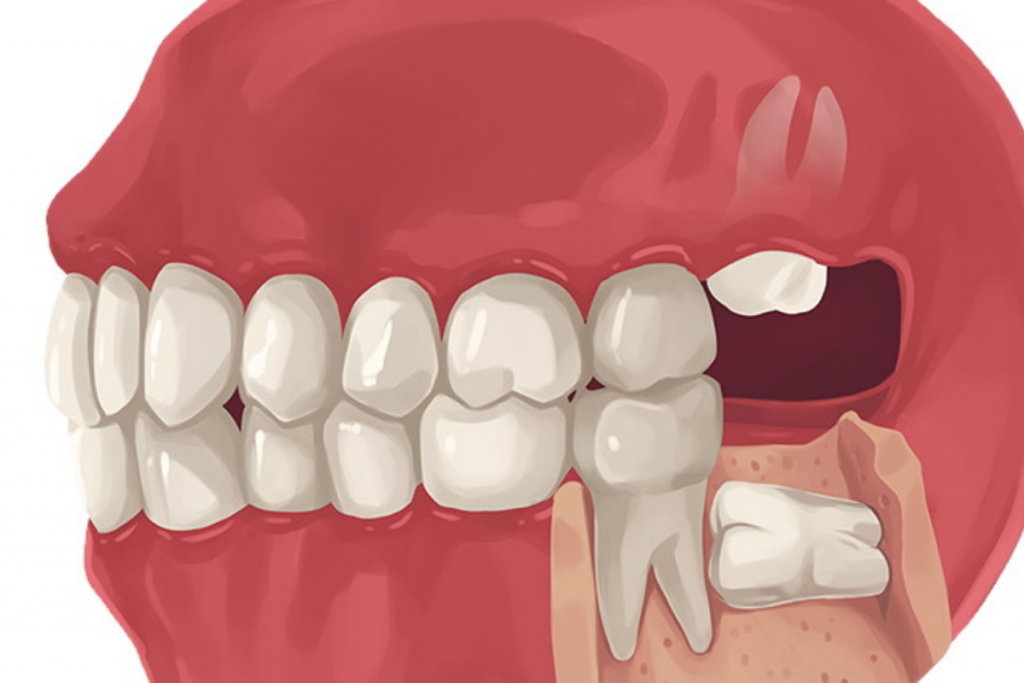
Wisdom teeth, also called third molars, are the last teeth to emerge, typically between the ages of 17 and 25. While some people experience no immediate issues, many individuals do not have enough space in their mouths to accommodate these extra molars. As a result, dentists often recommend wisdom teeth removal to prevent future oral health complications.
Common Complications Associated With Wisdom Teeth
Wisdom teeth often cause problems because they erupt at a later stage, when jaw growth is typically complete. Since there is usually limited space available, these teeth may not emerge properly, leading to impaction, crowding, discomfort, and other dental complications over time. In cases where wisdom teeth contribute to shifting teeth alignment, some individuals exploring orthodontic options such as Invisalign san diego may benefit from a professional evaluation. Over time, untreated wisdom tooth issues can affect overall oral health and should be monitored by a dental professional.
Common wisdom teeth complications include:
- Tooth impaction
- Infection or inflammation
- Pain and swelling
- Bleeding or irritated gums
- Tooth decay
- Bad breath
- Crowding of surrounding teeth
Even wisdom teeth that do not cause immediate discomfort can slowly damage nearby teeth and gums, making early evaluation essential.
Types of Impacted Wisdom Teeth
Impacted wisdom teeth are teeth that fail to fully emerge from the gum or jawbone. There are several forms of impaction:
- Angular impaction: The tooth grows at an angle toward adjacent teeth, potentially causing pressure and damage.
- Horizontal impaction: The tooth lies sideways within the jaw, often resulting in pain and crowding.
- Vertical impaction: The tooth erupts upright but lacks space, pressing against nearby molars.
Surgical removal by an oral and maxillofacial surgeon is typically required for impacted wisdom teeth.
Top 6 Reasons to Remove Wisdom Teeth
- Dental Shifting
Wisdom teeth can push existing teeth out of alignment, causing crowding and discomfort, even after orthodontic treatment.
- Oral Hygiene Challenges
Their position at the back of the mouth makes wisdom teeth difficult to clean, increasing the risk of plaque buildup, gum disease, and cavities.
- Jaw Pain and Discomfort
Jaw pain and stiffness may occur when wisdom teeth become impacted, infected, or surrounded by cysts, placing pressure on nearby structures and causing inflammation and discomfort in the jaw area.
- Sinus-Related Issues
Upper wisdom teeth can develop near the sinus cavities, leading to pressure, discomfort, sinus pain, or even infections, especially when the teeth are impacted or erupt improperly.
- Preventive Oral Health Care
Removing wisdom teeth early helps prevent future dental infections, gum disease, and costly emergency procedures.
- Wisdom Teeth Stem Cell Banking
Extracted wisdom teeth contain healthy stem cells that can be preserved for potential future medical use through stem cell banking services.
Do Wisdom Teeth Always Need Removal?
Wisdom teeth do not always need to be removed. When they fully erupt, align correctly, and can be cleaned easily, extraction may not be required. However, ongoing dental monitoring is essential, as wisdom teeth can develop hidden problems over time, even without noticeable symptoms or pain.

Comments are closed.