
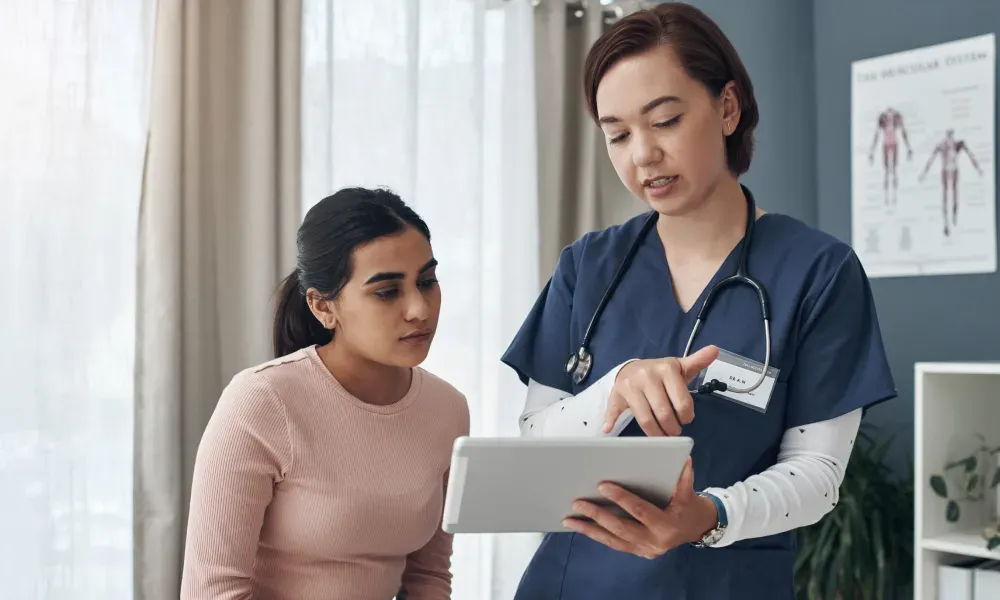
Stress can weigh us down, but primary care providers are here to help. They often serve as the first line of support. In the realm where health meets wellness, these trusted professionals play a crucial role. They offer guidance, care, and solutions to manage stress effectively. By understanding your unique needs, they can help craft a plan that brings relief.
The Role of Primary Care Providers
Primary care providers (PCPs) are usually our first contact in the healthcare system. They are the ones who know our health history best. This knowledge allows them to detect changes in our mental health. They can spot the signs of stress early and act accordingly. By doing so, they help in preventing more serious health issues. According to the CDC, stress can lead to conditions like heart disease if not managed well.
Effective Communication
One of the key benefits of working with PCPs is their ability to facilitate open communication. They listen to concerns about stress and help clarify what might be causing it. Sometimes, just talking about stress can relieve some of the burden. PCPs provide a safe space where discussing stress is acceptable and encouraged.
Creating a Personalized Plan
PCPs don’t just listen—they act. They work with patients to develop personalized stress management plans. These plans often include lifestyle changes, such as exercise and diet adjustments. Exercise can boost endorphins, which improve mood. A healthy diet supports overall wellness and energy levels, helping to combat stress.
Providing Resources and Referrals
When necessary, PCPs can refer patients to specialists. This might include mental health professionals or counselors. They provide access to resources that may otherwise be difficult to find. They also help patients navigate the often complex healthcare system, ensuring that they get the care they need.

Medication Management
Sometimes, lifestyle changes aren’t enough. In these cases, PCPs can prescribe medication to help manage stress. They monitor the effectiveness of these medications and make adjustments as needed. This careful management ensures that patients receive the best possible care.
Stress Reduction Techniques
PCPs often recommend relaxation techniques as part of stress management. Techniques such as deep breathing, meditation, and yoga are common. These methods can help calm the mind and reduce anxiety. The National Institute of Mental Health suggests these methods for their potential to lower stress levels.
Tracking Progress
Regular check-ins with a PCP allow for tracking the progress of stress management strategies. This ongoing relationship helps in adjusting plans as needed. It also motivates a person to continue with healthy habits.
Comparison of Stress Management Approaches
| Approach | Pros | Cons |
| Exercise | Improves mood, increases energy | Requires time and effort |
| Diet Adjustments | Enhances overall health | May need dietary changes |
| Medication | Effective for severe stress | Possible side effects |
| Relaxation Techniques | Reduces anxiety, easy to learn | Might need practice to be effective |
Through these varied approaches, PCPs ensure comprehensive care. They help in managing stress in ways that fit individual needs and lifestyles. With their support, managing stress becomes a more achievable task.
In conclusion, primary care providers play a crucial role in stress management. They offer a range of services and support to help manage stress effectively. By working closely with them, patients can find relief and lead healthier, happier lives.