
Tag

Mind-Body Connection

Browsing

Welcome to a closer look at the mind-body connection. Today, we dive into urological conditions and their psychological aspects. We consider the insights of experts. One such expert is David B Samadi, MD. He provides a clear understanding of the connection between the physical and mental states in these health instances. This post will shed light on how our mental health intertwines with physical health. We’ll explore how they both play a role in urological conditions.

The Mind-Body Connection

Our bodies and minds are not separate entities. They work together and influence each other. This is especially true when we deal with urological conditions. These conditions can have a profound impact on our psychological wellbeing. Anxiety, depression, and stress are common in people dealing with such conditions.

Psychological Impact

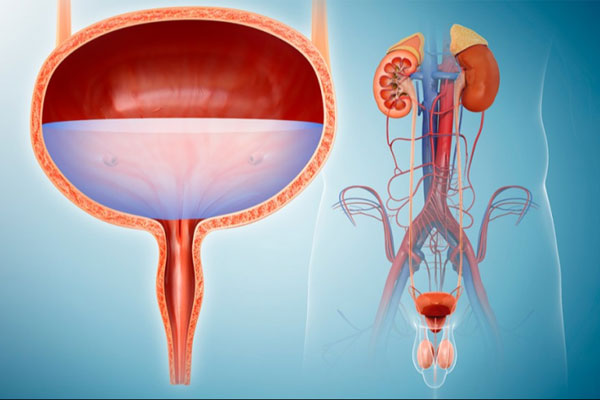
Urological conditions affect more than just the physical body. They can also have a significant impact on a person’s mental health. Feeling worried about a diagnosis or the outcome of a treatment is common. It’s essential to acknowledge these feelings and seek help when needed. Support from mental health professionals can make a big difference.

Coping Strategies

Having a mental health strategy is critical. This can include seeking counseling, practicing mindfulness, or joining a support group. These strategies help people manage their mental health while dealing with urological conditions.
Urological Conditions

The Role of Healthcare Providers

Healthcare providers play a crucial role in this process. They can provide information, support, and the necessary treatment for both the physical and psychological aspects of these conditions. Harvard Health emphasizes the importance of this holistic approach to healthcare.

Comparison Table: Physical and Psychological Effects of Urological Conditions

Urological Condition Physical Impact Psychological Impact
Urinary Incontinence Leakage of urine, frequent urination Embarrassment, anxiety, depression
Bladder Cancer Abdominal pain, blood in urine Stress, fear, depression
Kidney Stones Severe pain, nausea Anxiety, mood swings

Remember, physical health and mental health are two sides of the same coin. It’s crucial to take care of both while dealing with any health condition. Speak to your healthcare provider about any concerns or questions you may have. They are there to support you through your health journey.


Introduction

Weight loss can be a difficult journey for many people. The struggle to stay motivated, control cravings, and maintain a healthy lifestyle can often be overwhelming. However, there is a powerful tool that can help make this journey easier – self-hypnosis.

Self-hypnosis is a technique that allows individuals to enter a state of deep relaxation and focus their minds on positive suggestions and affirmations. This can help individuals to overcome negative thought patterns and behaviors that may be hindering their weight loss efforts.

In this article, we will explore the power of self-hypnosis for weight loss and how it can be used to achieve your health and fitness goals.

How Does Self-Hypnosis Work?

Self-hypnosis works by putting individuals into a state of deep relaxation, also known as a trance. During this trance, individuals are more open to positive suggestions and affirmations. This can help to change negative thought patterns and behaviors related to food and exercise.

For example, if an individual has a negative belief that they will never be able to lose weight, self-hypnosis can help to reprogram the subconscious mind to believe in the possibility of weight loss. This can help to increase motivation and make it easier to stick to a healthy lifestyle.

The Benefits of Self-Hypnosis for Weight Loss

Benefits of Self-Hypnosis for Weight Loss

Self-hypnosis has many benefits when it comes to weight loss. Here are just a few:

  • Increased motivation
  • Reduced cravings for unhealthy foods
  • Improved self-esteem
  • Reduced stress and anxiety
  • Better sleep
  • Improved focus and concentration

How to Practice Self-Hypnosis for Weight Loss

Practicing self-hypnosis for weight loss is easy and can be done in the comfort of your own home. Here are some steps to get started:

  1. Find a quiet and comfortable place where you will not be disturbed.
  2. Sit or lie down in a comfortable position and close your eyes.
  3. Take a few deep breaths and allow your body to relax.
  4. Visualize yourself at your ideal weight and imagine how you will feel when you achieve your goal.
  5. Repeat positive affirmations to yourself, such as “I am capable of achieving my weight loss goals” or “I am in control of my eating habits”.
  6. Repeat this practice daily for at least 10-15 minutes.

Self-hypnosis is a powerful tool that can help individuals to achieve their weight loss goals. By putting individuals into a state of deep relaxation and focus, self-hypnosis can help to change negative thought patterns and behaviors related to food and exercise. With practice and dedication, self-hypnosis can be a valuable addition to any weight loss journey.