

Tag

Dermatology

Browsing

Stress is an inevitable part of life. It can be caused by various factors such as work, relationships, finances, and health. While stress is a normal response to certain situations, chronic stress can have a negative impact on our overall health, including our skin health.

How Stress Affects the Skin

How Stress Affects the Skin

When we are stressed, our body releases hormones such as cortisol and adrenaline. These hormones can cause a range of physical and emotional changes, including increased heart rate, elevated blood pressure, and heightened anxiety.

When it comes to our skin, stress can cause a variety of issues. One of the most common is acne. Stress can trigger the production of androgens, which can increase oil production and lead to clogged pores and breakouts.

Stress can also cause inflammation in the body, which can exacerbate skin conditions such as psoriasis and eczema. It can also impair the skin’s ability to heal and regenerate, leading to dull, lackluster skin.

How to Combat the Effects of Stress on Skin Health

While it is impossible to completely eliminate stress from our lives, there are steps we can take to minimize its impact on our skin health. Here are some tips:

  • Practice good skincare habits: This includes cleansing, moisturizing, and using sunscreen daily. Keeping your skin clean and hydrated can help prevent breakouts and improve overall skin health.
  • Get enough sleep: Aim for 7-9 hours of sleep per night. Lack of sleep can cause stress and lead to under-eye bags, dark circles, and dull skin.
  • Exercise: Regular exercise can help reduce stress levels and improve circulation, which can lead to a healthier complexion.
  • Meditate: Meditation and other relaxation techniques can help reduce stress and promote a sense of calm.
  • Eat a healthy diet: A diet rich in fruits, vegetables, and lean protein can provide essential vitamins and minerals that support skin health.
  • Stay hydrated: Drinking enough water is crucial for maintaining healthy skin. Aim for at least 8 glasses of water per day.

Stress is a part of life, but it doesn’t have to negatively impact our skin health. By practicing good skincare habits, getting enough sleep, exercising, meditating, eating a healthy diet, and staying hydrated, we can combat the effects of stress and maintain a healthy, glowing complexion.
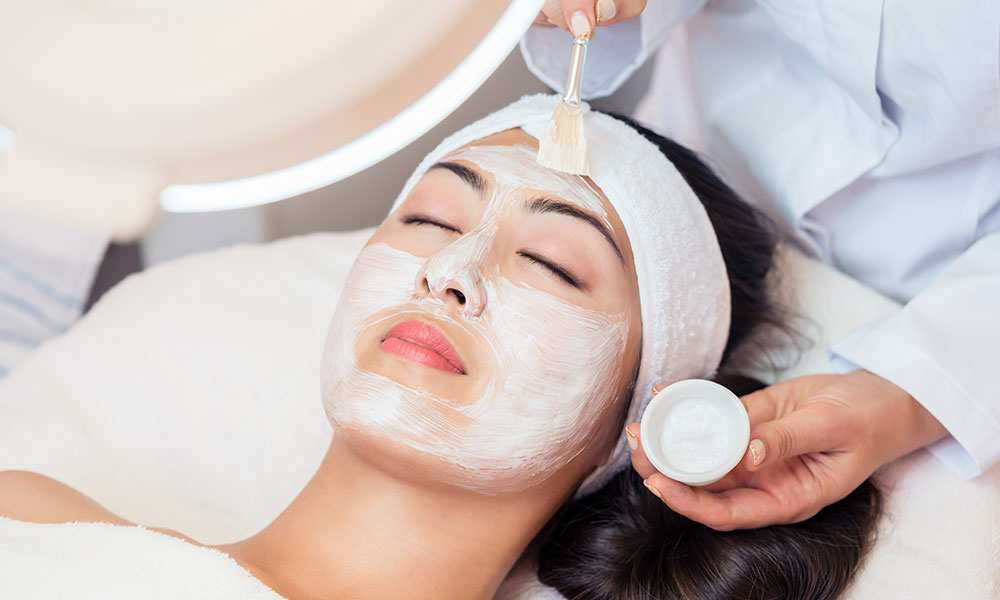

The world of beauty care has undergone a revolution in recent years, with a growing focus on natural and science-backed products. One of the latest buzzwords in the industry is ‘skin microbiome,’ which refers to the diverse community of microorganisms that reside on our skin. These microorganisms play a crucial role in maintaining the health and beauty of our skin. In this article, we will explore the science of skin microbiome and its role in beauty care.

What is Skin Microbiome?

The skin microbiome refers to the complex ecosystem of microorganisms that live on our skin. These microorganisms include bacteria, fungi, viruses, and mites, among others. They are present on all areas of our skin, including our face, arms, legs, and torso. The skin microbiome is unique to each individual and can vary based on several factors, such as age, gender, diet, and lifestyle habits.

How Does Skin Microbiome Affect Skin Health?

How Does Skin Microbiome Affect Skin Health

The skin microbiome plays a critical role in maintaining the health and beauty of our skin. It helps to protect our skin from harmful environmental factors, such as UV radiation, pollution, and pathogens. The microorganisms on our skin also produce several beneficial compounds, such as antimicrobial peptides and fatty acids, which help to maintain the skin’s pH balance and prevent the growth of harmful bacteria.

However, an imbalance in the skin microbiome can lead to several skin problems, such as acne, eczema, and rosacea. This imbalance can be caused by several factors, such as the use of harsh skincare products, antibiotics, and a poor diet. Therefore, it is essential to maintain a healthy skin microbiome to promote healthy and beautiful skin.

How Can You Maintain a Healthy Skin Microbiome?

There are several ways to maintain a healthy skin microbiome:

  • Use gentle and natural skincare products that do not disrupt the skin’s natural pH balance.
  • Avoid using antibacterial soaps and harsh chemicals on your skin.
  • Eat a healthy and balanced diet that is rich in prebiotics and probiotics, which can promote the growth of beneficial microorganisms on your skin.
  • Avoid over-cleansing your skin, as this can disrupt the skin’s natural oils and lead to an imbalanced microbiome.

The Future of Beauty Care: Skin Microbiome-based Products

The importance of skin microbiome in maintaining skin health has led to the development of several skincare products that are designed to promote a healthy microbiome. These products contain prebiotics and probiotics, which help to nourish and support the growth of beneficial microorganisms on your skin.

Some of the latest skincare products that are based on skin microbiome science include:

  • Probiotic face masks and cleansers
  • Prebiotic serums and moisturizers
  • Bacterial balancing toners and mists

These products are designed to promote a healthy and balanced skin microbiome, which can result in healthy and beautiful skin.

The science of skin microbiome has shed new light on the importance of maintaining a healthy and balanced microbiome for healthy and beautiful skin. By using gentle and natural skincare products, eating a healthy diet, and avoiding harsh chemicals, you can promote a healthy skin microbiome. Additionally, the development of microbiome-based skincare products offers an exciting new avenue for promoting healthy and beautiful skin.