
Category

Self Hypnosis

Category

Introduction

Weight loss can be a difficult journey for many people. The struggle to stay motivated, control cravings, and maintain a healthy lifestyle can often be overwhelming. However, there is a powerful tool that can help make this journey easier – self-hypnosis.

Self-hypnosis is a technique that allows individuals to enter a state of deep relaxation and focus their minds on positive suggestions and affirmations. This can help individuals to overcome negative thought patterns and behaviors that may be hindering their weight loss efforts.

In this article, we will explore the power of self-hypnosis for weight loss and how it can be used to achieve your health and fitness goals.

How Does Self-Hypnosis Work?

Self-hypnosis works by putting individuals into a state of deep relaxation, also known as a trance. During this trance, individuals are more open to positive suggestions and affirmations. This can help to change negative thought patterns and behaviors related to food and exercise.

For example, if an individual has a negative belief that they will never be able to lose weight, self-hypnosis can help to reprogram the subconscious mind to believe in the possibility of weight loss. This can help to increase motivation and make it easier to stick to a healthy lifestyle.

The Benefits of Self-Hypnosis for Weight Loss
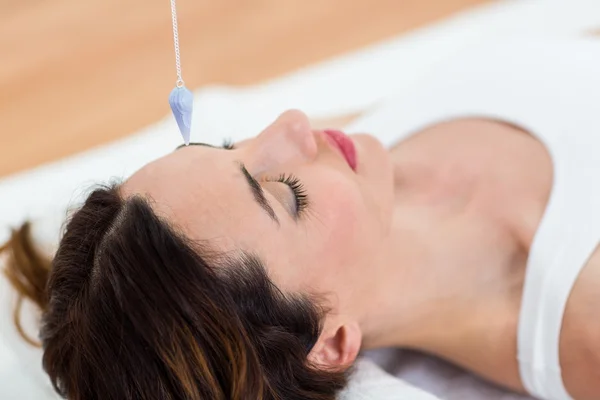
Benefits of Self-Hypnosis for Weight Loss

Self-hypnosis has many benefits when it comes to weight loss. Here are just a few:

  • Increased motivation
  • Reduced cravings for unhealthy foods
  • Improved self-esteem
  • Reduced stress and anxiety
  • Better sleep
  • Improved focus and concentration

How to Practice Self-Hypnosis for Weight Loss

Practicing self-hypnosis for weight loss is easy and can be done in the comfort of your own home. Here are some steps to get started:

  1. Find a quiet and comfortable place where you will not be disturbed.
  2. Sit or lie down in a comfortable position and close your eyes.
  3. Take a few deep breaths and allow your body to relax.
  4. Visualize yourself at your ideal weight and imagine how you will feel when you achieve your goal.
  5. Repeat positive affirmations to yourself, such as “I am capable of achieving my weight loss goals” or “I am in control of my eating habits”.
  6. Repeat this practice daily for at least 10-15 minutes.

Self-hypnosis is a powerful tool that can help individuals to achieve their weight loss goals. By putting individuals into a state of deep relaxation and focus, self-hypnosis can help to change negative thought patterns and behaviors related to food and exercise. With practice and dedication, self-hypnosis can be a valuable addition to any weight loss journey.


Athletes are always looking for ways to improve their performance and gain a competitive edge. While physical training and nutrition are crucial, mental preparation is just as important. This is where self-hypnosis comes in. Self-hypnosis is a powerful tool that can help athletes overcome mental barriers, increase focus and concentration, and enhance their athletic performance.

What is Self-Hypnosis?

Self-hypnosis is a technique that involves inducing a state of deep relaxation and heightened suggestibility in oneself. It is a form of self-directed hypnosis that can be used to achieve a variety of goals, including improving athletic performance. Self-hypnosis is safe and easy to learn, and it can be practiced anywhere and at any time.

How Does Self-Hypnosis Enhance Athletic Performance?

Self-hypnosis can be used to enhance athletic performance in several ways:

  1. Overcoming Mental Barriers: Self-hypnosis can help athletes overcome mental barriers such as fear, anxiety, and self-doubt. By using self-hypnosis to visualize success and mentally rehearse their performance, athletes can build confidence and reduce anxiety.
  2. Increasing Focus and Concentration: Self-hypnosis can help athletes improve their focus and concentration by teaching them to tune out distractions and stay in the present moment. By practicing self-hypnosis regularly, athletes can train their minds to stay focused and avoid getting distracted by external factors.
  3. Reducing Stress and Fatigue: Self-hypnosis can help athletes reduce stress and fatigue by inducing a state of deep relaxation. By practicing self-hypnosis regularly, athletes can improve their ability to manage stress and recover more quickly from intense training sessions and competitions.

How to Practice Self-Hypnosis for Athletic Performance Enhancement

Here are some steps to follow when practicing self-hypnosis for athletic performance enhancement:

  • Find a quiet and comfortable place: Find a quiet and comfortable place where you won’t be disturbed. Sit or lie down in a comfortable position.
  • Relax your body: Close your eyes and take a few deep breaths to relax your body. Focus on relaxing each part of your body, starting from your toes and working your way up to your head.
  • Visualize success: Visualize yourself performing at your best and achieving your goals. Use all your senses to make the visualization as vivid as possible.
  • Repeat affirmations: Repeat positive affirmations to yourself, such as “I am confident and focused” or “I am strong and resilient.”
  • Practice regularly: Practice self-hypnosis regularly, ideally daily, to reinforce positive habits and achieve lasting results.

Self-hypnosis is a powerful tool that can help athletes enhance their performance by overcoming mental barriers, increasing focus and concentration, and reducing stress and fatigue. By practicing self-hypnosis regularly, athletes can train their minds to perform at their best and achieve their goals.

Stress is a common problem that affects millions of people worldwide. Whether it’s due to work, relationships, or other life events, stress can have a significant impact on our mental and physical health. Fortunately, there are many ways to manage stress, and one of the most effective is through self-hypnosis.

What is Self-Hypnosis?

Self-hypnosis is a technique that involves inducing a state of deep relaxation and focused concentration to achieve a specific goal. It’s a form of meditation that uses suggestions and imagery to help you achieve a desired outcome. Self-hypnosis can be used for a wide range of purposes, including stress relief, anxiety reduction, pain management, and more.

How Does Self-Hypnosis Work?

Self-hypnosis works by accessing the subconscious mind, which is the part of the mind that controls our thoughts, emotions, and behaviors. By using suggestions and imagery, self-hypnosis can help reprogram the subconscious mind to think and act in a more positive way.

The Benefits of Self-Hypnosis for Stress Relief

Benefits of Self-Hypnosis for Stress Relief

Self-hypnosis is a powerful tool for managing stress. Here are some of the benefits of using self-hypnosis for stress relief:

  • Reduces anxiety and tension
  • Improves sleep quality
  • Boosts immune system function
  • Increases feelings of relaxation and well-being
  • Decreases blood pressure and heart rate

How to Practice Self-Hypnosis for Stress Relief

Here’s a step-by-step guide to practicing self-hypnosis for stress relief:

  1. Find a quiet, comfortable place where you won’t be disturbed.
  2. Sit or lie down in a comfortable position.
  3. Close your eyes and take a few deep breaths.
  4. Visualize a peaceful, relaxing scene, such as a beach or a forest.
  5. Repeat a positive affirmation to yourself, such as “I am calm and relaxed.”
  6. Focus on your breathing and allow yourself to enter a state of deep relaxation.
  7. Visualize yourself letting go of any stress or tension you may be feeling.
  8. When you’re ready to end your self-hypnosis session, count backward from five and slowly open your eyes.

Self-hypnosis is a powerful tool for managing stress and improving overall well-being. By following the steps outlined in this comprehensive guide, you can learn to use self-hypnosis to achieve a state of deep relaxation and reduce stress in your life.

Procrastination is a common problem that affects many people. It can be frustrating and can lead to missed opportunities and unfulfilled potential. Fortunately, self-hypnosis can be an effective tool to overcome procrastination and achieve your goals.

What is self-hypnosis?

Self-hypnosis is a technique that allows you to enter a relaxed state of mind and access your subconscious. In this state, you can focus on positive suggestions and affirmations that can help you change negative behaviors and thought patterns, such as procrastination.

How does self-hypnosis help with procrastination?

Procrastination is often linked to fear, anxiety, and self-doubt. Self-hypnosis can help you address these underlying issues by promoting relaxation, confidence, and positive thinking. Through self-hypnosis, you can train your mind to focus on your goals and take action towards achieving them.

How to practice self-hypnosis?

How to practice self-hypnosis

Self-hypnosis can be done at home with the help of guided meditation recordings or scripts. Here are some steps to follow:

  1. Find a quiet and comfortable place to sit or lie down.
  2. Close your eyes and take some deep breaths to relax your body and mind.
  3. Visualize yourself in a peaceful and calm environment, such as a beach or a forest.
  4. Repeat positive affirmations to yourself, such as “I am motivated and focused” or “I am capable of achieving my goals”.
  5. Imagine yourself taking action towards your goals, feeling confident and empowered.
  6. When you are ready, slowly open your eyes and return to your daily activities.

Tips for using self-hypnosis to overcome procrastination

Here are some tips to make the most out of self-hypnosis for procrastination:

  • Practice regularly: Consistency is key when it comes to self-hypnosis. Aim to practice at least once a day, preferably at the same time and place.
  • Be specific: Focus on a specific goal or task that you want to accomplish, rather than a vague idea. This will help you stay motivated and track your progress.
  • Use visualization: Visualize yourself completing the task or achieving the goal, and imagine how good it will feel.
  • Combine with other techniques: Self-hypnosis can be used in combination with other techniques such as time management, goal setting, and cognitive-behavioral therapy.

Procrastination can be a difficult habit to break, but self-hypnosis can be a powerful tool to help you overcome it. By accessing your subconscious and promoting positive thinking, self-hypnosis can help you stay motivated, focused, and productive. With regular practice and dedication, you can use self-hypnosis to achieve your goals and reach your full potential.

Sleep is essential for a healthy and productive life. Lack of sleep can lead to a range of health issues such as obesity, diabetes, and heart disease. Unfortunately, many people struggle with sleep issues, making it difficult for them to fall asleep or stay asleep throughout the night. However, there are several self-hypnosis techniques that can help improve sleep quality.

What is Self-Hypnosis?

Self-hypnosis is a technique that allows you to enter a state of deep relaxation and focus your mind on a specific goal or outcome. It involves using positive affirmations and visualizations to create a more positive mindset and achieve your desired result. Self-hypnosis can be used for a range of issues, including reducing stress, managing pain, and improving sleep quality.

How does Self-Hypnosis Improve Sleep Quality?

How does Self-Hypnosis Improve Sleep Quality

Self-hypnosis can help improve sleep quality in several ways. Firstly, it can help calm the mind and reduce stress levels, making it easier to fall asleep. Secondly, it can help you enter a deeper state of relaxation, allowing you to stay asleep for longer periods without waking up. Thirdly, it can help you overcome negative thoughts and beliefs that may be preventing you from getting a good night’s sleep.

Self-Hypnosis Techniques for Improving Sleep Quality

Here are some self-hypnosis techniques that you can use to improve your sleep quality:

  • Progressive Muscle Relaxation: In this technique, you tense and relax each muscle group in your body, starting with your toes and working your way up to your head. This helps release tension and promote relaxation.
  • Visualization: Visualize yourself in a peaceful and calming environment, such as a beach or a forest. Focus on the sights, sounds, and smells of this environment to create a more relaxed state of mind.
  • Positive Affirmations: Repeat positive affirmations to yourself, such as “I am calm and relaxed,” or “I sleep peacefully and wake up feeling refreshed.” This can help you overcome negative thoughts and beliefs that may be affecting your sleep.
  • Breathing Exercises: Focus on your breathing and take slow, deep breaths. This can help slow down your heart rate and promote relaxation.

Improving sleep quality is essential for a healthy and productive life. Self-hypnosis techniques can be a powerful tool in achieving this goal. By using techniques such as progressive muscle relaxation, visualization, positive affirmations, and breathing exercises, you can calm your mind, reduce stress levels, and achieve a more restful night’s sleep.