Category

Health

Category

Starting orthodontic treatment is a big milestone for any teenager. For parents, ensuring that the process goes smoothly and successfully is just as important. With Invisalign for teens, the experience is more flexible and comfortable than traditional braces, but it still requires commitment, guidance, and accountability. Here’s how parents can play a key role in helping their teens achieve a confident, healthy smile.

Understand How Invisalign Works

Before treatment begins, take time to learn how Invisalign works. Invisalign for teens uses a series of clear, removable aligners custom-made to gradually shift teeth into proper alignment. Each aligner is worn for about one to two weeks before switching to the next in the series.

The aligners must be worn 20–22 hours a day for the treatment to stay on track. Skipping hours or losing aligners can delay results. As a parent, understanding these details helps you set clear expectations and support your teen’s progress effectively.

Encourage Consistent Wear

Consistency is key with Invisalign. Since aligners are removable, it’s easy for teens to forget to put them back in after meals or brushing.

Parents can help by:

  • Setting gentle reminders or alarms for aligner wear.
  • Encouraging daily routines that make wearing aligners second nature.
  • Checking the blue compliance indicators built into the aligners—they fade when worn correctly, allowing parents and orthodontists to track usage.

Positive reinforcement works better than strict monitoring—acknowledge their efforts when they stay consistent.

Help Them Maintain Good Oral Hygiene

One of Invisalign’s biggest advantages is that teens can brush and floss normally. However, keeping both teeth and aligners clean is essential to prevent odor, discoloration, and cavities.

Teach your teen to:

  • Brush after every meal before reinserting aligners.
  • Clean aligners daily with a soft toothbrush or Invisalign cleaning crystals.
  • Avoid sugary drinks while wearing aligners to prevent residue buildup.

Making oral hygiene part of their routine ensures healthy results and keeps the aligners clear and comfortable.

Support With Meal Planning and Snacks

Traditional braces restrict sticky or hard foods—but Invisalign doesn’t. Still, aligners must be removed before eating or drinking anything besides water. Encourage your teen to plan meals accordingly.

Keep small, portable containers handy for storing aligners during lunch or snacks. Remind them not to wrap aligners in napkins (they’re easily lost or thrown away). Building these small habits prevents costly replacements and treatment delays.

Attend Appointments Together

Invisalign for teens requires checkups every 6–8 weeks. These visits allow orthodontists to monitor progress, provide new aligners, and make adjustments if needed.

Attending appointments together helps you:

  • Stay informed about your teen’s progress.
  • Ask questions directly about treatment goals or issues.
  • Encourage responsibility while still offering support.

This shared involvement keeps everyone aligned—literally and figuratively.

Encourage Open Communication

Some teens may experience mild discomfort when switching to a new aligner set or may feel self-conscious initially. Encourage them to share their experiences so you can provide reassurance or contact the orthodontist if necessary.

Remind your teen that minor pressure means the treatment is working and that adjustment discomfort usually subsides within a few days. Open communication builds confidence and trust throughout the process.

Celebrate Progress

Orthodontic treatment takes time, and motivation can fade. Celebrate milestones—like completing a certain number of aligners or receiving positive feedback from the orthodontist.

Acknowledging progress reinforces your teen’s commitment and reminds them that small daily efforts lead to lasting results.

Invest in a Backup Plan

Teens sometimes misplace aligners. Having a clear backup plan minimizes stress when it happens. Keep the previous set of aligners as an emergency measure—they can be worn temporarily until a replacement arrives.

Encourage your teen to contact you immediately if an aligner is lost or damaged. Quick action prevents treatment setbacks.

Be a Role Model for Commitment

If you’ve ever worn Invisalign or braces, share your experience. Seeing your patience and consistency can motivate your teen to take the process seriously. Even if you haven’t had orthodontic treatment, demonstrating daily discipline and positive habits sets an example they’ll follow.

Final Thoughts

Parental support is one of the strongest predictors of success in orthodontic treatment. By staying engaged, promoting consistency, and celebrating achievements, you help your teen stay confident and committed from start to finish.
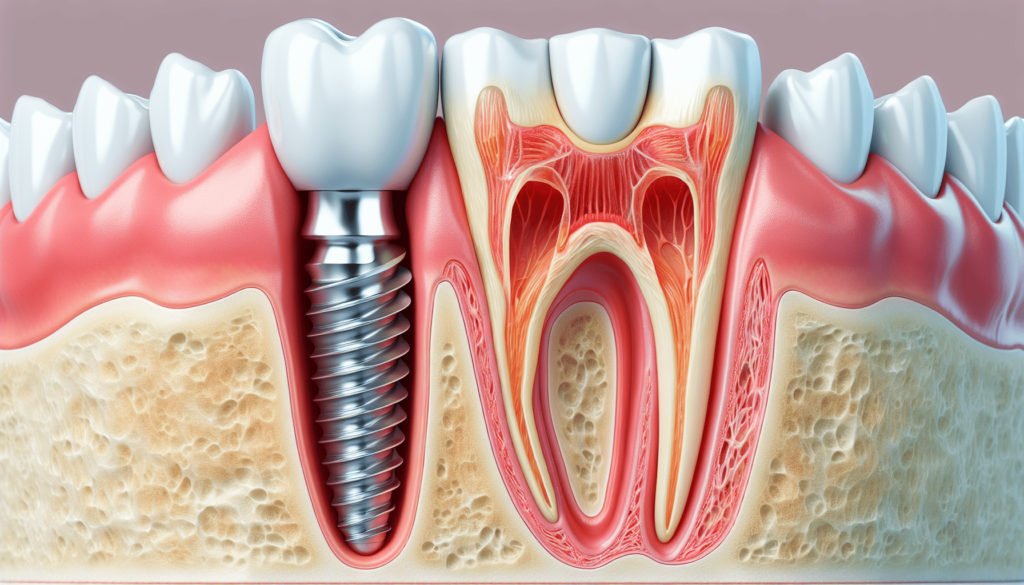
When preparing for dental implants in Knoxville, you need to feel informed and comfortable. Asking the right questions is crucial. You deserve clear answers and full understanding. Begin by asking about the dentist’s experience and training. This shows their ability to handle your procedure safely. Next, inquire about the entire process. Understand each step, from the initial consultation to the final result. You should also ask about potential risks and how they plan to address them. This ensures you’re prepared for every possible outcome. Examine the expected recovery time and any needed follow-up care. Knowing this will help you plan effectively. Lastly, discuss costs upfront. This transparency avoids surprises later. By addressing these key questions, you empower yourself in your dental journey. Feeling confident and informed leads to peace of mind and a better experience overall. Remember, your health and comfort come first.

Question 1: What Is Your Experience with Dental Implants?

Your dentist should have significant experience with dental implants. Experience matters because it provides reassurance. Ask about the number of procedures they have done. The more, the better. Request information about their training. This reveals how prepared they are. You can also ask if they are certified by any professional associations. This ensures they follow industry standards and practices.

Question 2: Can You Explain the Implant Procedure?

Understanding each step is vital for peace of mind. Ask your dentist to explain the entire process. This includes the initial consultation, the surgery, and the recovery period. Knowing what to expect helps reduce anxiety. It also allows you to prepare your schedule accordingly. Here’s more information from the National Institute of Dental and Craniofacial Research about the implant process. For personalized guidance and expert care, consult an experienced Orange County dentist who can walk you through every stage of treatment with clarity and confidence.

Question 3: What Are the Risks and Complications?

Every medical procedure has risks. Dental implants are no different. Ask about possible complications and how they will address them. This shows their preparedness and your readiness. Understanding potential risks helps you make an informed decision. It also lets you know what symptoms to watch for post-surgery. The American Dental Association provides insights into potential risks associated with dental implants.

Question 4: What Is the Recovery Process Like?

Recovery is an important part of the implant process. Ask your dentist about expected recovery times. Inquire about any activities to avoid during this period. Knowing recovery time helps you plan work and personal commitments. You can also ask about any medications or special care required post-surgery. This ensures a smooth and speedy recovery.

Question 5: How Much Will the Procedure Cost?

Understanding the cost upfront prevents financial surprises. Ask for a detailed breakdown of the costs involved. This includes the procedure, any necessary follow-up visits, and potential additional treatments. Inquire about payment plans or insurance coverage options. Transparency with costs allows you to budget accordingly.

Data Table: Comparison of Key Questions

Question Importance Outcome
Experience with Dental Implants High Reassurance and confidence
Implant Procedure Steps High Reduced anxiety and better preparation
Risks and Complications Moderate Informed decision and readiness
Recovery Process High Smooth recovery and planning
Cost of Procedure High Financial preparedness

Conclusion

Dental implants can enhance your quality of life. By asking the right questions, you ensure a safe and satisfying experience. Prioritize your health and well-being. Prepare for your procedure with confidence and clarity. Remember, understanding each aspect leads to peace of mind. Your empowerment begins with informed choices. Always prioritize your health and comfort when making decisions about dental care.

You care deeply about your child’s health. Starting early dental care is key. It sets the foundation for lifelong oral health. Visiting a dentist in Land Park, Sacramento ensures your child gets professional attention from the start. They help prevent issues before they arise. Early visits build comfort and trust with the dentist, reducing anxiety. Regular check-ups catch potential problems early, saving you from costly treatments. You teach your child the importance of dental hygiene, reinforcing healthy habits at home. This approach prevents decay, ensures proper development, and fosters a positive outlook on oral health care. Addressing cavities or alignment issues early leads to better outcomes. Make these visits a priority. Consistent family dentistry helps your child maintain a healthy smile. Prioritize early care. You empower your child with the tools needed for a lifetime of healthy smiles and confidence. Start today by scheduling their first visit.

Benefits of Early Dental Care

Early dental care offers many benefits. First, it prevents tooth decay. Children are prone to cavities due to sugary diets and less effective brushing. Regular check-ups help catch decay early. Second, it ensures proper growth of teeth and jaws. Dentists monitor development and identify potential issues. This proactive approach leads to timely interventions. For adults seeking aesthetic enhancements beyond dental care, South Loop Botox can complement a healthy smile by reducing facial lines and improving overall facial harmony.

Building Healthy Habits

Developing good habits early makes a difference. You establish routines that ensure your child understands oral hygiene. Brushing twice daily and flossing become second nature. Your child learns the importance of maintaining their smile. This habit-building lays the groundwork for a lifetime of good oral health.

Understanding the Importance of Regular Check-ups

Regular check-ups are crucial. They offer more than cleaning. Your dentist evaluates your child’s mouth thoroughly. They look for signs of trouble, like misalignment or decay. Routine visits allow for early detection. This results in less invasive treatments, protecting your child’s well-being.

Comparing Early vs. Late Dental Care

Aspect Early Dental Care Late Dental Care
Issue Detection Early detection of issues like cavities and misalignment Late identification leading to complex treatments
Cost Lower cost due to preventive care Higher cost due to surgeries or complicated procedures
Child’s Comfort Builds trust and reduces fear of the dentist Potential fear and anxiety due to unfamiliarity

Resources for Parents

Parents have many resources to support their child’s oral health. The Centers for Disease Control and Prevention offers guidelines on children’s oral health. The American Academy of Pediatric Dentistry provides tips on early dental care. These resources equip you with reliable information to make informed decisions.

Conclusion

Starting early dental care is not just beneficial. It is essential. You ensure your child develops a healthy smile and positive relationship with dental care. Regular visits to a trusted dentist foster this. Early care prevents serious issues and unnecessary expenses. Creating solid oral hygiene routines at home complements professional care. You support your child’s health by prioritizing early dental visits. Establish these habits and maintain regular check-ups. Doing this helps your child enjoy a bright, healthy future. Make the commitment today. Their smile is worth it.

Family dentists understand and care for all ages. From toddlers to seniors, each stage of life has different dental needs. A Salt Lake City dental practice shows how well-rounded care looks. For toddlers, protection against cavities and teaching good habits are key. Teens need guidance through braces and wisdom teeth. Adults may face gum health and cosmetic choices. Seniors often deal with tooth loss and sensitivity. Family dentists provide customized care for everyone. They know how to keep comfort and health as top priorities. If you’re looking for help, trust a practice that treats each person with kindness and skill. A family dentist can handle a toddler’s first check-up and a grandparent’s denture fitting. This approach builds trust and eases fears. Everyone deserves to feel understood and safe in the dentist’s chair. Trust those who care for your whole family’s smiles.

The Early Years: Fostering Good Habits

Toddlers start their dental journey with simple steps. Early visits prevent cavities and build healthy routines. Dentists focus on making these visits stress-free. They teach brushing, flossing, and diet tips. Using small brushes and fluoride toothpaste helps protect tiny teeth. By age one, experts recommend a first visit. Learn more about dental care for young children from the CDC or schedule an appointment with a dentist in Baton Rouge for gentle and preventive pediatric care.

Growing Up: Adolescent Challenges

Teens experience many changes. Braces and wisdom teeth are common issues. Family dentists offer solutions like aligners or traditional braces. They guide families through the process. Oral hygiene is crucial during this time. A dentist’s advice helps teens maintain healthy smiles despite their busy lives. In addition, regular check-ups catch issues early. This keeps treatment simple and effective.

Adulthood: Maintaining Oral Health

Adults face unique dental concerns. Gum disease and tooth decay require attention. Regular visits help prevent serious problems. Dentists provide cleanings, fillings, and advice on cosmetic procedures. Teeth whitening and veneers are popular choices. Family dentists offer care that fits adult schedules and needs. They ensure long-term health and aesthetics. Feel encouraged by consistent support and expert guidance.

The Golden Years: Senior Care and Comfort

Seniors may confront tooth loss, gum recession, and sensitivity. Dentures, implants, and cleanings help maintain dignity and function. Family dentists adapt care to meet older patients’ requirements. Regular visits prevent complications and support overall health. Understanding and respect are essential. Dentists emphasize patience and gentleness during treatment.

Customized Care: A Family Approach

Family dentists bring comfort and expertise to every stage of life. They know each member deserves individualized care. They create welcoming environments and tailor their methods. This approach builds trust and a lifetime of good habits. Patients of all ages benefit from a cohesive strategy.

Comparing Dental Needs by Age Group

Age Group Common Needs Dental Services
Toddlers Early dental visits, cavity prevention Check-ups, fluoride treatments
Teens Braces, wisdom teeth management Orthodontics, regular check-ups
Adults Gum health, cosmetic options Cleanings, fillings, cosmetic treatments
Seniors Tooth loss, sensitivity Dentures, implants, gentle cleanings

Family dentistry covers every stage of life. It focuses on each person’s unique needs and provides solutions. This comprehensive approach ensures that everyone feels valued and cared for. Choosing the right practice means securing a lifetime of smiles. Discover more about the importance of regular dental care from the National Institute of Dental and Craniofacial Research. Remember, a confident smile begins with understanding and expert care.

Choosing the right orthodontic treatment can feel overwhelming. Braces and Invisalign both offer effective solutions for straightening teeth. Each option has distinct features that might make one a better fit for you. Braces have been a reliable choice for decades. They are known for their ability to tackle complex dental issues. On the other hand, Invisalign provides a more discreet way to improve your smile. It uses clear aligners that are less noticeable. Both options require a commitment to regular care and adjustments. If you’re considering braces in Los Gatos, there’s a wealth of expertise available to help guide your decision. This blog will explore the pros and cons of each method. By understanding these options, you can feel more confident in making the best choice for your dental health. Let’s dive into the details to find the right path for your smile.

The Basics of Braces

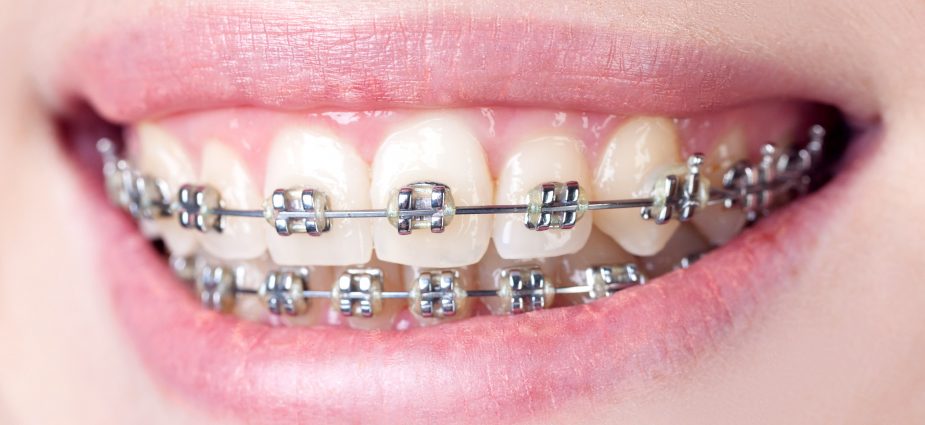
Braces consist of metal brackets glued to the teeth, connected by wires that are adjusted over time to move the teeth into place. They are highly effective for complex dental issues, such as severe crowding or bite problems, and require regular visits for adjustments. While metal is most common, ceramic braces offer a more discreet option. For guidance on orthodontic care and maintenance, a dentist in Atascocita, TX can provide expert advice and ensure your treatment progresses smoothly.

The Appeal of Invisalign

Invisalign uses clear, custom-made aligners. These aligners are designed to fit snugly over the teeth and gradually shift them into place. They are removable, which makes eating and cleaning the teeth easier. While Invisalign is more discreet, it is not suitable for every dental issue. It’s best for mild to moderate cases, such as minor crowding or spacing. Patients must wear the aligners for at least 22 hours a day for effective results.

Key Differences

Understanding the key differences between braces and Invisalign can help in decision-making. Here’s a quick comparison:

Feature Braces Invisalign
Appearance Visible Nearly invisible
Removability Fixed Removable
Treatment Time Varies, often longer Typically shorter
Complexity Treats complex cases Best for mild to moderate
Adjustments Every 4-6 weeks Every 6-8 weeks

Factors to Consider

When choosing between braces and Invisalign, consider these factors:

  • Cost: Costs can vary based on treatment complexity and location. Generally, Invisalign might be slightly more expensive, but this is not always the case.
  • Comfort: Braces might cause discomfort due to metal brackets and wires. Invisalign aligners are smoother and might cause less irritation.
  • Commitment: Braces require consistent orthodontist visits and care in maintaining oral hygiene. Invisalign needs discipline in wearing the aligners for the recommended hours.

Making the Right Choice

Choosing the right option depends on individual needs and lifestyle. Discussing your options with a qualified orthodontist will provide clarity. The National Institute of Dental and Craniofacial Research has more insights into orthodontic treatments. Take time to weigh the pros and cons and consider personal preferences and dental needs.

Conclusion

Both braces and Invisalign are effective in creating a healthier smile. The right choice will depend on your dental needs, lifestyle, and personal preferences. Consulting with a dentist or orthodontist will provide valuable guidance. Whether it’s braces or Invisalign, the journey to a perfect smile is within reach. Make an informed decision to ensure the best outcome for your dental health.

Choosing the right general dentist for your family is an important decision. A good dentist ensures your family’s dental health stays in top shape. Start by considering three key factors: qualifications, convenience, and comfort. Look for a qualified dentist with a strong educational background and up-to-date training. It’s crucial to find a dentist whose office is conveniently located and offers flexible hours that fit your family’s schedule. Comfort is vital, too. You want a dentist who makes every family member feel at ease during visits. Ask about the range of services offered. For instance, if you need specialized care like Orthodontics in Salida, CO, make sure the dentist can meet those needs. Remember, a dentist who communicates clearly and listens to your concerns is invaluable. By focusing on these aspects, you can feel confident in your choice and maintain your family’s oral health effectively.

Qualifications Matter

When evaluating potential dentists, qualifications should top the list. Check if they have a degree from an accredited dental school. Consider their experience in the field. A dentist with several years of experience might be more adept at handling various dental issues. Also, check if they participate in ongoing education. This shows they stay updated with the latest dental practices and technologies. You can verify their credentials through resources like the American Dental Association.

Location and Office Hours

Convenience is a key factor. A dentist with a location close to home or work makes it easier to schedule regular check-ups without disrupting your day. Also, consider their office hours. Flexible hours, including evenings or weekends, can be beneficial for families with busy schedules. Many clinics that offer Edmonton teeth whitening services also prioritize convenient locations and flexible timings, ensuring patients can maintain both their oral health and bright smiles without hassle.

Comfort and Communication

Comfort during dental visits is essential, especially for children or anxious patients. A dentist who makes the process smooth and stress-free is invaluable. They should communicate clearly, explaining procedures and listening to your concerns. A welcoming staff and a clean, inviting office also contribute to a positive experience.

Services Offered

Dentists offer a range of services. Ensure your chosen dentist provides not only routine check-ups and cleanings but also specialized treatments if needed. Services might include pediatric care, cosmetic dentistry, or orthodontics. For instance, if you’re interested in Orthodontics, verify they provide those services or can refer you to a trusted specialist.

Cost and Insurance

Understand the cost of services and whether the dentist accepts your insurance. A transparent office policy regarding fees and payment plans is important. Dental treatment can be costly, so knowing how much you’ll pay out-of-pocket helps in budgeting for your family’s dental care.

Patient Reviews and Recommendations

Patient reviews are insightful. Look for reviews online or ask friends and family for recommendations. Positive feedback on a dentist’s care and professionalism can indicate a good choice. Conversely, multiple negative reviews might suggest you look elsewhere.

Comparison Table of Factors

Factor Importance Considerations
Qualifications High Accredited degree, ongoing education
Location High Proximity to home/work, flexible hours
Comfort Medium Welcoming environment, clear communication
Services High Routine and specialized treatments
Cost Medium Insurance accepted, transparency in fees

Final Thoughts

Choosing the right general dentist for your family doesn’t have to be overwhelming. By focusing on qualifications, location, comfort, services, and costs, you can make an informed decision. A good dentist becomes a partner in maintaining your family’s oral health. Prioritize your family’s needs and take your time to find a dentist who suits them best. This way, every dental visit becomes a step towards a healthier smile for everyone in your family.

Aging has always been a deep concern. Every cell carries the memory of time. StemCellCure believes in the promise of renewal. The focus is on the most basic unit of life. Cellular vigor shapes health and vitality. Scientists at StemCellCure see a chance for change. There is hope inside every living cell. The journey of research is slow yet clear. Time leaves marks that can fade with science. StemCellCure envisions life with less decline. The dream of restored youth feels closer now.

Stem Cell Therapy in India

Understanding the Nature of Cellular Aging

Every biological clock ticks inside each cell. Aging emerges when repair fails to keep pace. The molecules lose strength and structure weakens slowly. StemCellCure views aging as a process not doom. It is not a fixed destiny. Cells lose energy and defense as years pass. Therefore age reflects cumulative cellular decline over many years. StemCellCure highlights that understanding this decline is key. Deeper insight into damaged cells can guide effective renewal. The focus lies on untangling the causes of poor regeneration. So studying cellular age opens doors to fresh healing.

The Science of Regenerative Solutions

StemCellCure turns to stem cells for fresh answers. These cells hold unique potential for self repair. Each fresh stem cell builds and restores living tissue. The therapy rests on natural growth signals within cells. StemCellCure scientists refine the use of these signals. Therefore regenerative solutions extend far beyond conventional treatments today. The goal is not temporary relief but lasting change. Healthy cells can replace weak systems through guided growth. The promise lies in awakening dormant power that remains inside. StemCellCure hopes to shape a new path for healing.

Potential Benefits of Cellular Renewal

The benefits of renewal appear broad and inspiring. Muscle can regain strength through improved cellular repair. Skin can show smoother tone through deeper regeneration. StemCellCure believes renewed cells protect organs from gradual decline. Vital systems benefit when cells remain healthy and active.

Challenges and Ethical Considerations

Every great hope carries weight and questions. StemCellCure respects that science must move with care. Research takes time and strict rules shape each step. Ethical principles must guide every experiment without exception. There are questions about access to advanced cellular therapies. Therefore fairness in distribution is critical for broad success. Long term effects demand years of careful observation and study. StemCellCure seeks balance between speed and solid safety. The path forward must be safe for all. So careful study with open dialogue builds greater trust.

A Renewed Vision of Aging

StemCellCure & Eyestemcellcenter views aging as a journey not an end. Cellular renewal shines as a beacon of hope. The science of regeneration grows stronger with each discovery. Therefore the future holds a chance for extended vitality. Healing can move beyond symptoms into the roots of life. StemCellCure invites a world where health means renewal. The dream is not endless youth but fuller life. Each breakthrough brings society closer to that vision. So turning back the clock feels more possible. The horizon holds promise for truly healthier aging.

Recovery from addiction is not just an event. Instead, it is a process that unfolds over time. Many people believe that quitting substances is just about will, but recovery is about developing certain attitudes, changing behaviors, and adopting new coping skills. It is usually carried out in somewhat recognizable stages, each with its own challenges and milestones. When people understand what usually happens in each stage and with each step, they can better prepare for what’s ahead, have less fear about the unknown, and gain motivation even when their progress seems slow. It is essential to get the right behavioral health services Massachusetts from

Stages of Addiction Recovery

1. Stage 1: Precontemplation & Contemplation

Substance abuse in this phase is usually unrecognized or outright denied. The individuals tend to rationalize their habits, compare themselves to others in similar situations, or think they can quit. However, with mounting consequences such as health-related issues, strained relationships, or legal problems, the person may face a stage of contemplation where the problem is recognized and weighed against the pros and cons of making a change. In this contemplation stage, individuals might go on for a long time, many circles between denial and contemplation, before they feel ready to take action.

2. Stage 2: Preparation

Once a person decides to take action and change, he enters the preparation phase. At this stage, one must seek additional information, select the treatment provider, make specific arrangements regarding insurance, travel, or time off work, and possibly start reducing their use. This period is also designated for in-depth assessments regarding an individual’s physical, psychological, and social parameters to design and develop a treatment plan in many programs.

3. Stage 3: Action / Active Treatment

Starting from the action phase, recovery becomes structured. It usually comprises somewhat overlapping phases:

Detoxification / Stabilization: When physical dependence is present, medically supervised detoxification allows substances to be washed out of the body and assists with withdrawal symptoms. Stabilization prepares one for deeper therapeutic work.

Residential/Inpatient Treatment: Under this treatment modality, people stay at a treatment facility for a determined time, generally between 30 and 90 days. They undergo therapy (group, individual, and family), education on addiction, life-skills training, relapse prevention, and support for co-occurring mental health conditions.

Partial Hospitalization / Intensive Outpatient: As the client becomes more stable, they transition down to either partial hospitalization or an intensive outpatient program. PHPs usually entail full-day programming, while IOPs hold sessions a few days a week. This allows the client to reintegrate into the external world while receiving therapeutic support.

4. Stage 4: Maintenance & Aftercare

Maintenance and aftercare usually follow after the more structured treatment phases are tapered off. This is the long-term phase during which the emphasis is placed on sustaining the gains made during treatment, keeping individuals from relapsing into substance use, and integrating recovery into everyday life.

Participants may participate in support groups (e.g., 12-step, SMART Recovery), ongoing counseling, peer support programs, and, in some instances, sober living facilities. Overall, relapse prevention becomes the key concern, identifying red flags early on and using different prevention strategies such as therapy, medication (if appropriate), and informal or formal ongoing monitoring.

5. Stage 5: Relapse & Re-Entry

Relapse is typical in recovery–with understanding that relapse is never considered a failure; it simply means that the current approach is not sufficient. Generally, a relapse moves the individual back to an earlier stage in the change process, most often contemplation or preparation, and onto treatment or some intensified support. The main goal is to learn from the relapse, modify strategies, and recommit to recovery.

The therapist may want to reassess triggers, increase support, or change their mode of intervention. Many will go through the cycle of relapse and recovery several or even times before the mark of sustained sobriety is considered.

In recovery from addiction and in search of top-tier care in Massachusetts, Brook Recovery Inc., an umbrella of behavioral health organizations, provides a continuum of services designed to meet clients where they are, guide them through each stage, and adjust care as they continue on the journey. The seasoned staff employs therapies supported by research, medical oversight, relapse prevention planning, and linkage to the community, tailored to the recovery stages. These equip recovery members with a stable and enduring platform to embrace a healthier life.

A good gym is about more than machines. It is about people who care and encourage others. Many fitness seekers want a space that feels warm and friendly. The right place can turn exercise into joy and teamwork. A welcoming gym helps build confidence and peace. It invites every person to come as they are and grow together. Finding such a place can change how one sees fitness goals. Many locals now look for connection beyond the workout. The search for comfort and belonging brings people to special spots across town. Some gyms in westminster lead that mission with pride and heart.

A Sense of Belonging

A strong community turns workouts into shared victories. Trainers greet everyone with smiles and kind words. Members often support new faces without judgment or pressure. The atmosphere feels calm and open. Each person finds space to try and learn. There is laughter and talk after class. Body strength grows but so does trust. Friendships form naturally around shared efforts. The gym becomes a second home for many. People often stay longer just to chat or relax. A sense of belonging keeps motivation alive each day.

Guidance with Heart

Friendly trainers make every difference. They teach patiently and cheer from near. Their focus lies in helping not scoring. Each session feels personal and safe. Trainers notice effort and speak with care. Mistakes are treated as steps ahead. Beginners find comfort under such support. Self belief rises with gentle direction. The guidance stays consistent across classes. Members learn to listen to their bodies. The trainers create an atmosphere of respect and warmth. Every visit becomes a small victory for growth. Such guidance fosters lasting commitment to fitness goals.

Building Confidence Through Community

Confidence grows when support feels real. People cheer for each other every day. Small progress turns into bigger courage. The environment reminds everyone to stay steady. Trainers lead group moments of joy and reflection. Each shared smile lifts the spirit high. There is no fear of comparison or judgment. Everyone moves at a personal pace with pride. The community becomes a gentle mirror of strength. Shared goals unite members under one positive light. Commitment becomes easier when hearts align inside walls of care. True fitness blooms through trust and shared endurance.

Conclusion

Finding a gym with heart is special. A place that welcomes every journey matters deeply. The gyms in Westminster show how warmth builds strength. Each visit feels like meeting a family again. Supportive trainers and kind members shape true wellness. The shared laughter outlasts any single workout. Every day in such a place inspires hope. Belonging becomes the real measure of success. In these spaces health joins happiness with ease. The right community turns fitness into friendship and fulfillment. Each person leaves lighter stronger and ready to return soon.


Understanding the connection between general dentistry and cosmetic dental goals can transform your smile. Strong dental health serves as the foundation for any aesthetic improvements you might seek. When teeth and gums are healthy, cosmetic procedures are more effective and long-lasting. General dentists play a crucial role in this process. They address underlying issues like cavities or gum disease, ensuring your mouth is ready for enhancements. Whether it’s teeth whitening or dental implants in Chehalis, WA, general dentistry lays the groundwork. Consider it as preparing a canvas before painting. By maintaining regular check-ups, cleanings, and routine care, you set the stage for successful cosmetic outcomes. The importance of this synergy cannot be overstated. It not only boosts your confidence but also enhances overall oral health. A healthy mouth leads to a beautiful smile, bridging the gap between health and aesthetics. This approach ensures your dental journey is both comprehensive and rewarding.

The Role of General Dentistry

General dentistry is often the first step in achieving cosmetic dental goals. It involves routine care, which includes cleanings, exams, and preventive treatments. These practices help detect early signs of dental problems. Addressing these issues promptly prevents them from becoming major concerns that could hinder cosmetic treatments. For comprehensive care that combines prevention with aesthetics, visiting a dentist in Financial District San Francisco ensures your oral health and cosmetic goals are managed seamlessly.

Conditions like tooth decay and gum disease are common obstacles. A general dentist takes care of these by providing fillings or periodontal treatments. This care ensures that your teeth and gums are in the best shape possible for any cosmetic enhancements you may desire.

Cosmetic Procedures and Their Benefits

Cosmetic dentistry includes procedures like teeth whitening, veneers, and implants. Each of these has a unique benefit:

  • Teeth Whitening: Brightens your smile by removing stains.
  • Veneers: Cover imperfections and change the shape or color of teeth.
  • Implants: Replace missing teeth and restore function.

These procedures not only enhance appearance but also improve dental function and health. For instance, dental implants offer a permanent solution to tooth loss, promoting better oral hygiene and preventing bone loss.

Preparation is Key

Preparation for cosmetic procedures involves a comprehensive dental exam. A general dentist checks for any oral health issues and ensures that the gums and teeth are healthy. This preparation is akin to laying a solid foundation before building a house. Without it, cosmetic procedures may not yield the desired results.

For example, whitening treatments work best on clean, healthy teeth. Similarly, implants require strong bone support, which can only be assessed and ensured by a general dentist.

Comparison of General and Cosmetic Dentistry

Aspect General Dentistry Cosmetic Dentistry
Purpose Maintains oral health Enhances appearance
Treatments Fillings, cleanings, exams Whitening, veneers, implants
Outcome Prevention and health Aesthetic improvements

Long-Term Benefits

General and cosmetic dentistry are mutually beneficial. A healthy mouth ensures that cosmetic treatments last longer and look better. Regular dental visits help maintain a bright and beautiful smile. This combination enhances overall quality of life, boosting self-esteem and confidence.

Research from the National Institute of Dental and Craniofacial Research shows that oral health is integral to overall well-being. Good oral hygiene practices, combined with cosmetic enhancements, can lead to a happier, healthier self.

Conclusion

In conclusion, bridging the gap between general and cosmetic dentistry is essential for achieving your dental goals. By focusing on both health and aesthetics, you can enjoy a smile that is not only beautiful but also healthy. Regular dental care sets the stage for effective cosmetic procedures, ensuring their success and longevity. This holistic approach not only enhances your appearance but also supports your overall health. Remember, a strong foundation leads to the best results.