
Category

Health

Category

Why a child’s first visits to the dentist influence confidence, trust, and lifelong habits

A child’s earliest encounters with dental care often become the foundation for how they view oral health for the rest of their life. These experiences form emotional associations long before a child can fully understand cavities, cleanings, or preventive care. Fear, discomfort, or confusion during childhood appointments often triggers adult avoidance of the dentist today.

At Soft Breeze Children’s Dentistry, early dental visits are approached not as routine medical procedures but as developmental moments that shape trust, emotional security, and long-term health behavior.

“Children do not remember clinical details. They remember how they felt.”

Emotional memory develops before logic.

Young children process experiences primarily through emotion rather than reasoning. A loud sound, a rushed explanation, or unfamiliar equipment can feel overwhelming, even when no pain is involved. If a child associates dental visits with fear or loss of control, avoidance can become an ingrained response that persists into adulthood.

Conversely, when early visits are calm, patient, and predictable, children learn that dental care is safe and manageable. This emotional neutrality, or even positivity, becomes part of how they define self-care.

Soft Breeze emphasizes slow introductions, gentle pacing, and age-appropriate communication so children can build familiarity without pressure.

Trust Becomes the Gateway to Cooperation

Children are highly sensitive to tone, facial expressions, and body language. A provider who kneels to speak at eye level, explains tools in simple language, and allows small choices helps a child feel respected rather than controlled.

When trust is established early, children become active participants instead of passive subjects. They are more likely to sit comfortably, follow instructions, and express discomfort before fear escalates. This cooperation reduces stress for both the child and the provider, making each visit progressively easier.

Trust, once broken, is difficult to rebuild. That is why early experiences carry such disproportionate influence.

Habits Are Formed Through Repetition, Not Instruction

Children do not develop healthy dental routines through lectures. They develop them by observing patterns and experiencing consistency.

When dental visits are routine and calm, brushing, flossing, and preventive care become normalized. Oral hygiene shifts from being something imposed to something familiar.

At Soft Breeze, education is woven into conversation rather than delivered as correction. Children are guided, not scolded, when learning how to care for their teeth. This approach reinforces responsibility without shame.

Reducing Fear Protects Long-Term Health

Dental anxiety is not merely emotional. It directly affects physical health outcomes. Adults who avoid care often present with advanced decay, gum disease, and systemic complications that could have been prevented.

By creating early experiences that feel safe and predictable, pediatric dentistry becomes a form of preventive mental health care as well. Children who feel comfortable seeking care are more likely to continue regular checkups in adolescence and adulthood.

The Role of Parents in Shaping Perception

Children often mirror their parents’ attitudes. When adults speak negatively about dentistry or express their own fears, children internalize those emotions.

Soft Breeze encourages families to frame dental visits as normal and positive, avoiding language that implies danger or pain. When parents and providers communicate consistently, children receive a unified message of reassurance.

Conclusion

Early dental experiences do more than protect baby teeth. They influence confidence, emotional regulation, and lifelong health decisions.

When children learn that dental care is safe, respectful, and predictable, they carry that belief into adulthood.

Families seeking a supportive and child-centered environment are encouraged to explore care at Soft Breeze Children’s Dentistry, where comfort is treated as an essential part of clinical excellence.
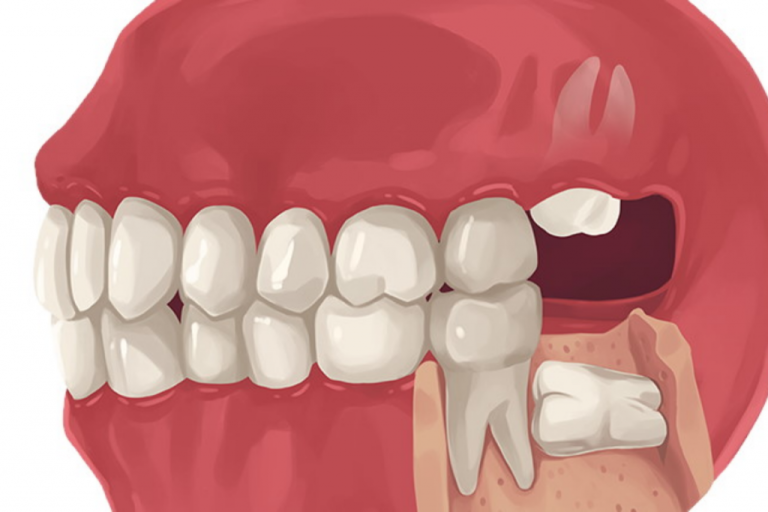

Wisdom teeth, also called third molars, are the last teeth to emerge, typically between the ages of 17 and 25. While some people experience no immediate issues, many individuals do not have enough space in their mouths to accommodate these extra molars. As a result, dentists often recommend wisdom teeth removal to prevent future oral health complications.

Common Complications Associated With Wisdom Teeth

Wisdom teeth often cause problems because they erupt at a later stage, when jaw growth is typically complete. Since there is usually limited space available, these teeth may not emerge properly, leading to impaction, crowding, discomfort, and other dental complications over time. In cases where wisdom teeth contribute to shifting teeth alignment, some individuals exploring orthodontic options such as Invisalign san diego may benefit from a professional evaluation. Over time, untreated wisdom tooth issues can affect overall oral health and should be monitored by a dental professional.

Common wisdom teeth complications include:

  • Tooth impaction
  • Infection or inflammation
  • Pain and swelling
  • Bleeding or irritated gums
  • Tooth decay
  • Bad breath
  • Crowding of surrounding teeth

Even wisdom teeth that do not cause immediate discomfort can slowly damage nearby teeth and gums, making early evaluation essential.

Types of Impacted Wisdom Teeth

Impacted wisdom teeth are teeth that fail to fully emerge from the gum or jawbone. There are several forms of impaction:

  • Angular impaction: The tooth grows at an angle toward adjacent teeth, potentially causing pressure and damage.
  • Horizontal impaction: The tooth lies sideways within the jaw, often resulting in pain and crowding.
  • Vertical impaction: The tooth erupts upright but lacks space, pressing against nearby molars.

Surgical removal by an oral and maxillofacial surgeon is typically required for impacted wisdom teeth.

Top 6 Reasons to Remove Wisdom Teeth

  1. Dental Shifting

Wisdom teeth can push existing teeth out of alignment, causing crowding and discomfort, even after orthodontic treatment.

  1. Oral Hygiene Challenges

Their position at the back of the mouth makes wisdom teeth difficult to clean, increasing the risk of plaque buildup, gum disease, and cavities.

  1. Jaw Pain and Discomfort

Jaw pain and stiffness may occur when wisdom teeth become impacted, infected, or surrounded by cysts, placing pressure on nearby structures and causing inflammation and discomfort in the jaw area.

  1. Sinus-Related Issues

Upper wisdom teeth can develop near the sinus cavities, leading to pressure, discomfort, sinus pain, or even infections, especially when the teeth are impacted or erupt improperly.

  1. Preventive Oral Health Care

Removing wisdom teeth early helps prevent future dental infections, gum disease, and costly emergency procedures.

  1. Wisdom Teeth Stem Cell Banking

Extracted wisdom teeth contain healthy stem cells that can be preserved for potential future medical use through stem cell banking services.

Do Wisdom Teeth Always Need Removal?

Wisdom teeth do not always need to be removed. When they fully erupt, align correctly, and can be cleaned easily, extraction may not be required. However, ongoing dental monitoring is essential, as wisdom teeth can develop hidden problems over time, even without noticeable symptoms or pain.

Watching a child’s confidence bloom in the water is one of the most rewarding sights for any parent. But how do you ensure that the swimming lessons you choose set your child up for both success and enjoyment? Seasoned swim coaches are increasingly clear about their recommendation: small-group lessons strike an unbeatable balance between individual growth and the energy of learning alongside peers.

What Are Small-Group Swim Lessons and How Do They Work?

Small-group swim lessons are structured to combine the best of both worlds: the focus of individualized instruction and the camaraderie of group activities. Unlike traditional large classes, these typically involve three to five children per instructor. This creates an environment that is focused enough for tailored feedback, yet lively enough for children to feel motivated by the presence of their peers.

Defining Small-Group Versus Private and Semi-Private Lessons

Private swim lessons are one-on-one, offering undivided attention for children who need either more support or want to progress very rapidly. Semi-private lessons usually involve two or three students per coach, often siblings or close friends. Small-group lessons expand just a bit, usually capping at five kids, and are ideal for children who learn best in a social setting without sacrificing quality instruction.

Typical Group Sizes and Instructor-to-Student Ratios

Industry best practices suggest instructor-to-student ratios of 1:3 for semi-private and up to 1:5 for small-group classes. This ensures every child is seen, heard, and guided, avoiding the pitfalls of overcrowded pools where progress can stall.

Structure and Scheduling of Small-Group Sessions

Small-group lessons are typically held weekly, allowing children to build a routine and look forward to seeing familiar faces. Programs like Fitness Factory kids swimming classes offer consistent time slots, so families can plan ahead and kids can develop lasting bonds with their coaches and classmates.

Why Do Expert Swim Coaches Prefer Small-Group Lessons for Kids?

Coaches are quick to point out that swimming is as much about community as it is about technique. In small groups, kids benefit from both the watchful eye of their instructor and the motivating presence of their peers.

Balancing Personalized Attention with Peer Interaction

A smaller group lets coaches zero in on each child’s unique strengths and weaknesses. At the same time, sharing the pool with a handful of others introduces healthy peer modeling. Children often push themselves to keep up or help each other, creating a natural learning momentum.

Enhancing Skill Development Through Group Dynamics

Group lessons naturally introduce friendly competition and encouragement. When one child masters a skill, others are inspired to try harder. Coaches also structure drills that involve coordination and timing as a team, important aspects of swimming that solo lessons can’t always replicate.

Creating a Supportive and Encouraging Learning Environment

A calm, encouraging environment is crucial for young swimmers, especially those who are nervous or just starting out. Small groups foster camaraderie, helping children feel safe, supported, and eager to try new skills without fear of embarrassment.

How Do Small-Group Lessons Boost Confidence and Motivation?

Nothing builds water confidence faster than the realization that you’re not alone in your struggles or triumphs.

The Role of Social Learning and Friendly Competition

Children naturally mimic each other, so seeing a peer float for the first time or master a kick can be the nudge a hesitant swimmer needs. A bit of friendly rivalry can turn apprehension into determination.

Building Comfort in the Water Through Gradual Exposure

Repeated, positive experiences in a familiar group setting ease fears and boost comfort levels. The steady pace and supportive atmosphere gently push children to expand their abilities each week.

Encouragement from Coaches and Peers

Receiving applause from both coach and classmates turns small milestones into big wins. That sense of shared success is powerfully motivating for kids.

What Specific Techniques and Skills Are Best Taught in Small Groups?

Core swimming skills benefit greatly from the group format.

Fundamental strokes and breath control can be taught efficiently as coaches rotate focus among students.

– Coordination and timing are honed through group drills, such as relay races or synchronized kicking.

– Safety awareness and water confidence are reinforced as children watch and learn from each other’s successes and mistakes.

How Are Small-Group Lessons Customized to Fit Different Ages and Skill Levels?

Diversity in skill level is a natural part of small-group lessons, but skilled instructors turn it into an advantage. Coaches assess each child’s needs at the start, then adapt their lesson plans to address both group and individual goals. It’s common for a session to involve variations on the same drill, allowing beginners and more advanced swimmers to challenge themselves at their own pace.

What Are the Practical Benefits for Families Choosing Small-Group Lessons?

Beyond skill development, families appreciate the predictability and value of small-group swim lessons.

– Cost-effectiveness is a clear benefit. Small-group lessons are more affordable per session than private instruction.

– Convenient scheduling is another plus. Regular slots and smaller class sizes mean less time waiting for openings.

– Transparent progress tracking helps parents and children stay motivated, as coaches provide consistent feedback.

How Can Parents and Caregivers Support Their Child’s Success in Small-Group Lessons?

Success isn’t only found in the pool. Parents can help by ensuring regular attendance, celebrating small milestones, and keeping communication lines open with coaches. A quick check-in with the instructor after class or encouragement at home can make a big difference in a child’s enthusiasm.

What Does Research and Real-World Experience Say About Small-Group Swimming Instruction?

Studies suggest that small-group swim lessons lead to better skill retention and higher enjoyment levels. Children are less likely to drop out and more likely to progress at a steady pace. Testimonials from coaches, parents, and the swimmers themselves highlight improvements not just in technique, but in confidence and love for the water. Over time, these benefits translate into lifelong swimming ability and a much stronger awareness of water safety.

For families searching for the right fit, small-group swim lessons offer a thoughtful blend of personal attention, peer support, and practical advantages, a winning formula for raising capable, confident swimmers.

Introduction

Even though most of us want to plan routine examinations, life occasionally gets in the way of progress. You should never disregard certain warning indicators, as they may indicate that a tooth issue is more severe than it first seems—especially if you’re considering invisalign or other corrective treatments, which work best when underlying dental issues are addressed first. Ignoring these signals may result in increased discomfort, difficult treatments, or even persistent issues with dental health. By identifying the crucial indicators listed in this article and visiting a dentist right away, you can prevent dental emergencies from occurring. Don’t hesitate to book an appointment if you experience any of these symptoms.

Gum swelling or bleeding

Early indicators of gum recession include bleeding and irritation of the gums. This issue can be increased by cigarettes, poor dental care, and several drugs. Gum inflammation can cause loss of teeth and other medical issues if it is not managed. To prevent the development of gum disease, your dentist might offer an extensive cleaning and suggest suitable options for treatment. 

Ongoing toothache

A persistent toothache may indicate a cavity, a dental infection, or some other underlying issue. Don’t dismiss pain, as it’s your body’s method of alerting you to a problem. Additional issues like infections or missing teeth can be avoided with immediate treatment. Patients who clench their teeth or have tooth sensitivity frequently worry about this. You can identify the source of your discomfort and discover a workable remedy with the help of an oral exam.

Variations in tooth color

You may have cavities or a dental infection if you see that your teeth are becoming gray, brown, or dark yellow. Certain drugs or behaviors, such as cigarettes and dark-colored food and beverages, can cause discoloration. A dental appointment can assist in determining the underlying cause of tooth discolouration and offer remedies, such as tooth-whitening procedures.

Loose teeth

Adult teeth should never be loose or unsteady under any conditions. This could be a sign of damage, severe gum illness, or another fundamental problem. Your dentist can identify the reason behind the loose teeth and suggest a course of action to keep the integrity of your teeth intact. Your dentist can identify and treat such issues before they result in missing teeth, which is another reason why routine examinations are crucial.

Eating or chewing pain

Pain while eating may be a sign of a dental issue, such as cavities, a dental infection, or a jaw disease. Ignoring this sign may result in more difficulties talking and swallowing. To regain your capacity to eat and drink properly, a dental examination can determine the root cause of the issue and offer proper treatment alternatives.

Jaw discomfort

An oral disorder may be indicated by discomfort in the jaw, clicking, or cracking sensations as you open or close your mouth. Pain in the head, soreness, and even trouble moving your mouth might be symptoms of this illness. Your disorder’s intensity can be assessed by a dentist, who can also offer treatment alternatives to reduce discomfort and stop future problems.

Introduction

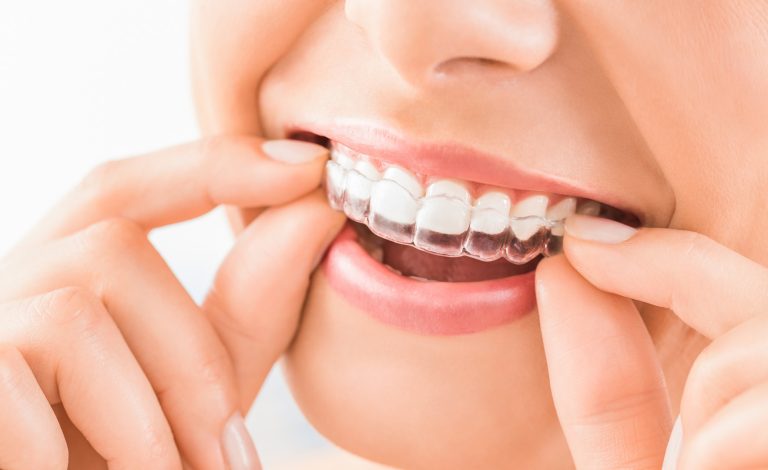
Invisalign is a widely used and highly effective orthodontic treatment that straightens teeth using clear, removable aligners. Many people prefer it over traditional braces because it is discreet and allows for easier oral hygiene. Many patients considering treatment often ask how much is Invisalign before making a decision. Understanding the benefits, cost factors, and financing options can help patients decide if this treatment is right for them.

Benefits of Invisalign

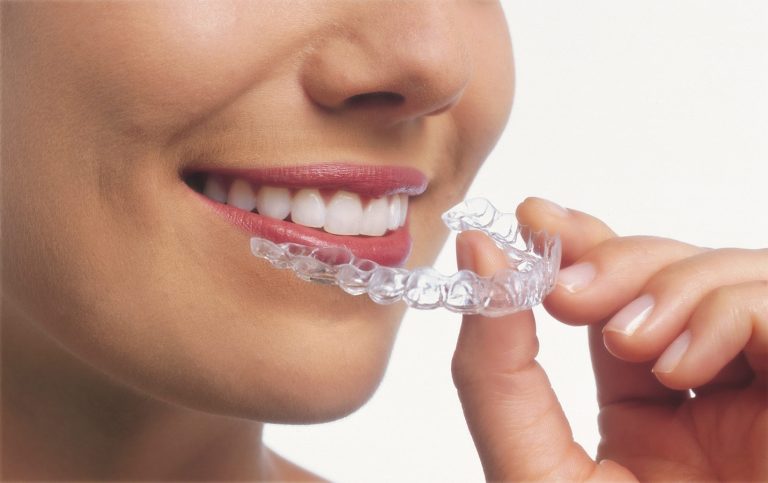
Invisalign offers several advantages. The aligners are clear, making them less noticeable than metal braces. They are also removable, so patients can eat, brush, and floss without restrictions. Invisalign is usually more comfortable than traditional braces, with no wires or brackets that can irritate. Additionally, the treatment is predictable, as patients receive a digital plan showing how their teeth will move over time.

Factors Affecting Cost

The price of Invisalign can vary due to several factors, with the complexity of the dental case being one of the most important. Minor misalignments require fewer aligners and a shorter treatment period, resulting in lower costs. More complex cases, such as severe crowding or bite issues, require longer treatment and more aligners, which increases the overall price.

The location of the dental clinic can also affect cost. Clinics located in major cities or high-demand areas typically charge higher fees than those in smaller towns. The experience of the orthodontist is another important factor. Highly experienced professionals may charge more, but their expertise can lead to better results and a smoother treatment process.

Average Cost in 2024

In 2024, the cost of Invisalign typically ranges between $3,500 and $8,000, depending on the complexity of the treatment and other factors. This price generally includes the initial consultation, all sets of custom-made aligners, and follow-up visits with the orthodontist. While it can be more expensive than traditional braces, many patients consider the convenience, comfort, and appearance worth the investment.

Financing and Payment Options

For patients concerned about the cost, many dental clinics offer flexible monthly payment plans. These plans allow patients to spread the total cost over several months, making treatment more affordable and easier to manage. Some insurance plans may also provide partial coverage for orthodontic treatment, which can help reduce out-of-pocket expenses significantly.

Conclusion

Invisalign can be a highly effective and convenient way to straighten teeth, offering comfort, discretion, and predictable results. While the cost may be higher than traditional braces, many patients find the benefits worthwhile. By considering the complexity of their case, consulting with experienced orthodontists, and exploring financing options, patients can make an informed decision. For those who value comfort and aesthetics, Invisalign can be a worthwhile investment in both dental health and confidence.

Are you fantasizing about an imaginary flawless smile, but shudder at the thought of customary metal braces? Well, say an end to those gawky wires and welcome the future of teeth straightening. Invisalign has grasped the universe by cyclone with its entire invisible aligner method. But have you ever questioned what builds this dental sensation so effectual? Unite with us as we jump deep into the science beyond Invisalign and expose how 

These practically invisible aligners work their wonders to provide you with that shining smile you have always wanted. Be ready to be shocked.

Preface. 

In recent years, Invisalign has appeared to be a highly popular choice for dental treatments. This invisible aligner method has gained fame as a careful and easy replacement for customary metal braces. Many people considering treatment often research Invisalign cost as part of their decision-making process. But how does Invisalign actually work? What is the science behind this creative medication? In this article, we jump into the universe of Invisalign and expose the interesting science that enables this invisible aligner method. From its creation to its mode of measures, we’ll search for all characteristics of how Invisalign works.

Archive of Invisalign. 

Before we enter into the essential details, let’s take a quick look at the archive of Invisalign. This complete medication was created by Zia Chishti and Kelsey Wirth in 1997, with the goal of offering a more careful choice for adjusting misaligned teeth. The idea behind Invisalign was stimulated by customary metal braces but with an advanced twist – utilizing invisible plastic braces instead of metal brackets and wires. The scheme quickly gained acceptance, and at present, over six billion people have changed their smiles utilizing this latest orthodontic technology. 

Outline and the construction process. 

So, how are these customized aligners designed? It all started with your dentist or orthodontist taking online pictures or a scan of your teeth. These pictures are then utilized to outline a 3D model, which will be utilized to schedule your medication. Once your customized medication scheme is finalized, it is sent off to an offshore Invisalign laboratory where a team of expert technicians utilizes particular software and ultra-modern 3D printing technology to design a series of personal aligners for you. Each group of aligners is slightly non-identical, created to slowly move your teeth into their desired position. 

How does Invisalign vary from customary braces?

Invisalign is an advanced teeth straightening method that has become more popular in recent years. Unlike customary braces, which utilize metal brackets and wires to line up the teeth, Invisalign utilizes a bunch of invisible aligners that are customized for each person’s unique smile. 

What is the position of Invisalign?

Utilizing ultra-modern technology such as 3D study and CAD (computer-aided design), orthodontists or dentists designed a customized medication plan for their patients utilizing Invisalign. This includes mapping out the motion of the teeth over time until they hold their desired last position. 

When it comes to addressing hair loss, Dubai has rapidly become a global hotspot for hair transplant procedures. Combining cutting-edge technology, highly skilled surgeons, and world-class clinics, a Dubai hair transplant offers a transformative experience for both men and women. But what exactly does the hair transplant journey in Dubai look like — from the initial consultation to the final results? This comprehensive guide walks you through each step, helping you understand what to expect and how to maximize your investment.

Understanding the Growing Demand for Dubai Hair Transplants

Dubai’s rise as a premier medical tourism destination is no accident. With an influx of international patients seeking advanced cosmetic procedures, the city has invested heavily in healthcare infrastructure. Hair transplants, in particular, are among the most sought-after treatments. Whether driven by genetics, lifestyle, or aging, hair loss affects millions globally. Dubai’s combination of expert surgeons, state-of-the-art clinics, and luxurious facilities provides an ideal environment for patients to regain confidence and restore their hairline.

Step 1: The Initial Consultation — Defining Your Hair Goals

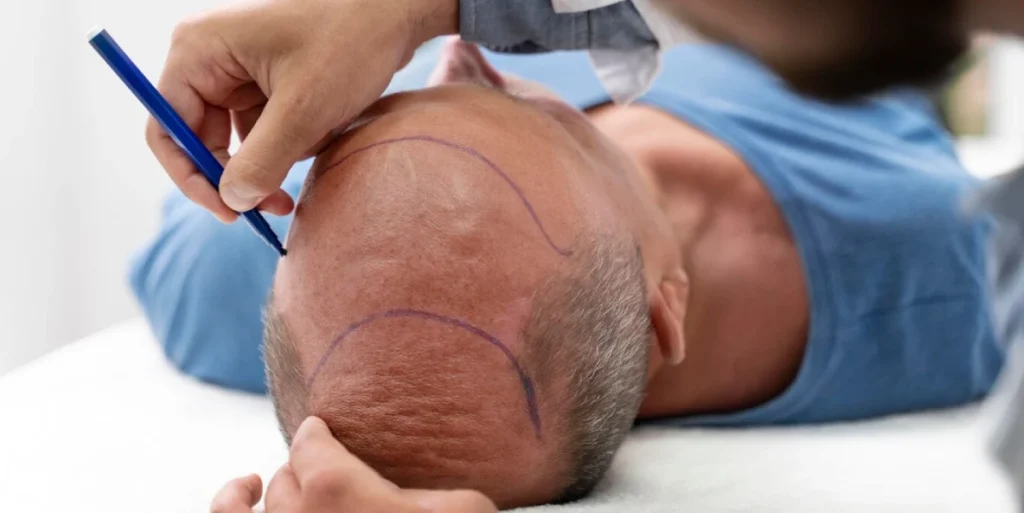
Your journey begins with a professional consultation. This step is critical because a thorough assessment ensures personalized treatment planning tailored to your specific hair loss pattern, scalp condition, and lifestyle.

During this session, your surgeon will:

  • Evaluate the extent of hair loss using standardized scales.

  • Examine the donor area (typically the back of the scalp) for hair density and quality.

  • Discuss your expectations, lifestyle, and medical history.

  • Explain different hair transplant methods suitable for your case, commonly Follicular Unit Extraction (FUE) or Direct Hair Implantation (DHI).

  • Set realistic goals for density and coverage.

This face-to-face interaction builds trust and clarifies the path forward. Clinics in Dubai often provide digital imaging to simulate potential outcomes, giving patients a visual sense of the future.

Step 2: Choosing the Right Technique — FUE or DHI?

Dubai hair transplant clinics typically offer two main techniques:

  • FUE (Follicular Unit Extraction): Involves harvesting individual hair follicles from the donor area and implanting them into balding regions. It is minimally invasive with virtually no linear scarring.

  • DHI (Direct Hair Implantation): A refined version of FUE where extracted follicles are implanted immediately using a specialized tool called a Choi pen. This technique offers precise control over the angle and depth of implantation, potentially improving hair density and naturalness.

Your surgeon will recommend the most suitable approach based on your scalp condition, hair type, and desired outcome.

Step 3: Pre-Procedure Preparation

Proper preparation is essential for an optimal hair transplant in Dubai. Patients are usually advised to:

  • Avoid alcohol, smoking, and blood-thinning medications a few days before surgery.

  • Wash hair thoroughly on the day of the procedure.

  • Arrange for a comfortable recovery period post-procedure, typically avoiding strenuous activities.

Dubai clinics prioritize patient comfort and provide detailed pre-operative guidelines to ensure smooth surgery day logistics.

Step 4: The Hair Transplant Procedure — What Happens on Surgery Day?

On the day of your transplant, the clinic environment is designed to be calm and reassuring. The procedure generally lasts between 6 to 8 hours depending on the graft number.

Key highlights of the procedure include:

  • Local anesthesia to numb the scalp.

  • Extraction of healthy hair follicles from the donor site.

  • Implantation of follicles into the recipient area with meticulous precision.

  • Continuous monitoring to ensure patient comfort.

Dubai clinics often employ cutting-edge equipment and strict sterilization protocols, reflecting the city’s high standards for medical excellence.

Step 5: Post-Procedure Care and Recovery

Post-operative care is pivotal to achieving the best possible results. Patients receive comprehensive instructions on how to care for the scalp, including:

  • Guidelines for washing and moisturizing.

  • Avoiding direct sunlight and strenuous activity.

  • Medication to reduce swelling and prevent infection.

  • Recommendations to avoid touching or scratching the implanted area.

Dubai clinics frequently offer follow-up appointments, either in person or virtually, to monitor progress and address any concerns. This ongoing support underscores the patient-first philosophy typical in the region’s healthcare sector.

Step 6: Seeing the Results — Patience and Progress

One of the most important aspects of any hair transplant journey is understanding the timeline for results. New hair growth typically starts to appear around 3 to 4 months after the procedure, with significant improvements by 6 to 9 months. Full results may take up to 12 months to manifest as transplanted follicles mature and thicken.

Dubai’s advanced surgical techniques and post-care protocols aim to maximize natural-looking density and durability. Regular follow-ups help track growth and, if needed, additional sessions can be planned to enhance coverage.

Why Dubai is the Ideal Destination for Your Hair Transplant Journey

Several factors position Dubai as a top choice for hair restoration:

  • Expertise: Renowned hair transplant surgeons with international training and certifications.

  • Technology: Access to the latest equipment and innovative techniques like robotic-assisted FUE.

  • Facilities: Luxurious clinics blending comfort, hygiene, and privacy.

  • Transparency: Clear pricing structures and comprehensive consultation.

  • Medical Tourism: Integrated services including accommodation and transport make the process seamless for international patients.

Choosing Dubai ensures a holistic experience combining medical precision with unmatched hospitality.

Final Thoughts: Your Hair Transplant Journey Starts Here

The decision to undergo a Dubai hair transplant is both significant and rewarding. From the moment you walk into the clinic for your initial consultation to the time you admire your fuller hair in the mirror months later, each step is carefully orchestrated to deliver excellence.

Dubai has mastered the art and science of hair transplantation, making it a trusted hub for individuals seeking lasting solutions to hair loss. With expert guidance, innovative technology, and a patient-centric approach, your hair transplant journey in Dubai is set to redefine your confidence and appearance.

If you’re ready to take the first step, consult with a reputable Dubai clinic today and embark on the path to renewed hair and self-assurance.

Author Bio:

BM Digital Marketing Agency in Dubai, specializes in lead generation and digital marketing for health clinics. We deliver tailored SEO, PPC, website design, and social media strategies that attract and convert quality patient leads while driving clinic growth and patient engagement.


Millions of people worldwide suffer from neurological and psychiatric conditions that disrupt daily life—from post-stroke motor impairment to debilitating migraines and obsessive-compulsive disorder (OCD). Traditional treatments often come with side effects or invasive risks, leaving patients desperate for safer alternatives. Today, Transcranial Magnetic Stimulation (TMS) emerges as a game-changer, and QIJIA’s weak magnetic non-invasive TMS device redefines accessible, gentle neurotherapy for diverse conditions. TMS therapy for depression treatment

Core Technology & Working Principle: Gentle Magnetic Precision

QIJIA’s TMS device is built on the core principle of electromagnetic induction, a scientifically validated mechanism for non-invasive brain modulation. Unlike high-intensity magnetic stimulation, its weak magnetic design delivers mild, focused magnetic pulses that penetrate the skull without attenuation or tissue damage <superscript>1. These pulses induce tiny electrical currents in targeted cerebral cortex regions, regulating neuronal excitability and rebalancing disrupted neural circuits—all without surgery, needles, or systemic medications.

The key advantage of QIJIA’s weak magnetic technology lies in its dual capability: high-frequency pulses (>1Hz) to activate underperforming brain areas, and low-frequency pulses (≤1Hz) to inhibit overactive regions <superscript>4. This precise modulation promotes neuroplasticity, the brain’s natural ability to reorganize and heal—laying the foundation for effective treatment of various neurological and psychiatric conditions.

Simple & Comfortable Treatment Process

QIJIA’s TMS device is designed for user-friendliness, suitable for clinical settings and home use (under professional guidance). The treatment process is streamlined and painless, typically lasting 20-30 minutes per session:

  1. Pre-Treatment Evaluation: A healthcare provider assesses the patient’s condition, reviews imaging results (e.g., MRI), and determines the target brain region and stimulation parameters <superscript>3.
  2. Precision Targeting: The ergonomic magnetic coil is placed on the scalp, aligned with the targeted area (e.g., motor cortex for stroke recovery, prefrontal cortex for OCD).
  3. Gentle Stimulation: The device delivers controlled weak magnetic pulses. Patients may feel a slight tapping sensation but no pain or discomfort.
  4. Course Planning: A standard course involves 5 sessions per week for 4-6 weeks, with personalized adjustments based on treatment response. No anesthesia or post-treatment recovery time is needed.

Targeted Applications: Who Benefits Most?

QIJIA’s weak magnetic TMS device addresses unmet needs across multiple patient groups, with proven efficacy in key areas:

  • TMS device for stroke recovery: For patients with upper limb hemiparesis or motor function impairment post-stroke, the device targets the contralesional motor cortex to enhance motor evoked potentials and improve manual dexterity <superscript>5. It accelerates rehabilitation by reactivating dormant neural pathways.
  • TMS therapy for OCD: By modulating the overactive prefrontal cortex circuits linked to obsessive thoughts and compulsive behaviors, the therapy reduces symptom severity. It offers a safe alternative for patients unresponsive to medication or cognitive-behavioral therapy.
  • TMS therapy for migraine: Single-pulse stimulation disrupts cortical spreading depression—the underlying mechanism of migraine aura—providing acute relief. Repetitive stimulation also helps prevent recurrent migraines by stabilizing brain excitability<superscript>2.
  • Other Applicable Groups: The device is also suitable for patients with mild cognitive impairment, post-traumatic stress disorder (PTSD), and chronic neuropathic pain, as well as elderly and pediatric patients (with adjusted parameters) due to its gentle non-invasive design.

Why Choose QIJIA Weak Magnetic TMS Device?

QIJIA’s TMS device stands out in neurotherapy with patient-centric advantages:

  • Weak Magnetic & Non-Invasive: Eliminates risks of invasive procedures (e.g., surgery) and side effects of systemic drugs, ensuring long-term treatment safety.
  • Clinically Validated Efficacy: Proven results in TMS therapy for migraine, OCD, and stroke recovery, with consistent neuroregulation outcomes.
  • Portable & Convenient: Lightweight design and rechargeable battery support home-based treatment, reducing hospital visit frequency and improving compliance.
  • User-Friendly Operation: Intuitive digital panel with preset modes for common conditions simplifies parameter adjustment, accessible to both healthcare providers and patients.

Living with neurological or psychiatric conditions shouldn’t mean compromising on quality of life. QIJIA’s weak magnetic Transcranial Magnetic Stimulation device combines advanced neuroregulation technology with gentle non-invasive design, making effective therapy accessible and comfortable. Whether as a TMS device for stroke recovery, a solution for OCD, or a relief for migraine sufferers, it empowers patients to take control of their health and caregivers to provide reliable support.

Discover QIJIA’s innovation in neurotherapy—where gentle magnetic pulses unlock the brain’s natural healing power.

Lap-Band surgery, a type of adjustable gastric banding, has been a widely used choice for its minimally invasive nature and adjustability. While many patients benefit from it, some may face challenges as time goes on. Complications may develop, results may plateau, or the procedure may simply no longer align with a patient’s changing health goals. In such cases, a revision procedure may be recommended to improve outcomes and address underlying issues.

One of the most commonly performed revision weight loss surgeries in Dallas, Mansfield, and Plano is the band to sleeve revision. In this procedure, a portion of the stomach is surgically removed, leaving behind a smaller, tube-shaped stomach that limits food intake and helps reduce hunger. In this blog, we’ll explore the most common reasons why patients with lap bands choose to undergo this revision and what it can mean for their health journey.

1. Lap-Band Slippage or Migration

One of the most common reasons for seeking a revision is when the Lap-Band shifts out of place, a complication known as slippage or migration. This can happen gradually due to pressure changes in the stomach or band over-tightening. When the band moves, it can cause uncomfortable symptoms like nausea, vomiting, or difficulty swallowing. More importantly, it can reduce the band’s ability to restrict food intake, making weight loss harder or even reversing progress. In some cases, slippage may also lead to inflammation or damage to the stomach lining. When these issues arise, the band often needs to be removed, and patients are advised to consider a more reliable long-term solution.

2. Band Erosion

Band erosion refers to a serious complication where the gastric band gradually wears through the stomach wall and enters the gastric lumen, potentially leading to infection, reduced restriction, or even internal bleeding. While early stages may not present symptoms, patients may later develop issues such as abdominal discomfort, loss of satiety, or port-site infections. If you’re facing such concerns or suspect that your band may no longer be functioning as intended, it’s important not to delay medical attention. To discuss the risks and explore whether a band to sleeve revision in Dallas, Mansfield & Plano is the most appropriate solution, consider reaching out to a reputed bariatric surgeon in the area.

3. Poor Long-Term Weight Loss or Weight Regain

While gastric banding can produce initial weight loss, a number of patients struggle to maintain those results over time. Weight regain or inadequate weight loss often stems from physiological or behavioural factors such as pouch enlargement, band slippage, maladaptive eating patterns, or the body adapting to a lower intake by slowing metabolism. As the band’s restrictive effect diminishes, individuals may feel less satiated or begin to rely on high-calorie foods that bypass restriction. These setbacks not only compromise the effectiveness of the original procedure but can also lead to frustration and health concerns. In such cases, many patients are advised to consider a band to sleeve revision surgery to achieve more reliable long-term outcomes.

4. Chronic Gastrointestinal Symptoms and Intolerance

Chronic gastrointestinal discomfort after gastric band surgery often signals underlying complications. These symptoms, such as frequent nausea, vomiting, reflux or difficulty swallowing, can result from band slippage, overtightening or pressure exerted by the band on surrounding tissues. Over time, the body may also develop an intolerance to the band, leading to a persistent inability to consume or tolerate certain foods. When these issues persist despite band adjustments or dietary changes, they can significantly affect nutritional intake and day-to-day wellbeing. In these situations, a band to sleeve revision surgery may become necessary to relieve the anatomical stress and restore more normal digestive function.

5. Patient Dissatisfaction and Lifestyle Incompatibility

Over time, some patients find themselves growing unhappy with their initial weight loss results or the daily limitations that come with living with a gastric band. Even in the absence of medical complications, the procedure may start to feel too restrictive or incompatible with evolving lifestyle needs. Difficulty maintaining the necessary dietary adjustments, frustration around mealtime discomfort, or unmet weight goals can all contribute to ongoing dissatisfaction.

When this disconnect continues to affect daily life, many individuals start seeking alternatives that better align with their long-term goals. For patients in search of improved outcomes and greater lifestyle compatibility, pursuing revision weight loss surgery in Dallas, Mansfield & Plano can be a thoughtful next step. A band to sleeve revision offers not just anatomical changes but a renewed opportunity for comfort, consistency, and better control over one’s weight journey.

6. Surgeon Recommendation Based on Updated Medical Practice

While the lap band remains a suitable option for many individuals, the evolving landscape of bariatric care has provided many new and effective procedures  and techniques to combat the concerns of some patients. When issues such as inadequate weight loss, persistent discomfort, or mechanical complications arise, transitioning to a sleeve gastrectomy may be recommended as a more reliable and simplified solution. Band to sleeve revision surgery can now be performed with robot-assisted techniques, providing improved digestive ease and more sustainable weight management, especially when the original approach no longer meets the patient’s needs. These recommendations are typically made after evaluating factors such as the patient’s overall health, history with the band, lifestyle habits, and long-term weight loss expectations.

The Final Words

Over time, it’s not uncommon for individuals to feel that their lap-band surgery no longer aligns with their needs, whether due to post-procedure complications, limited weight loss, or lifestyle frustrations. If you’ve been facing similar concerns, know that you’re not alone. Many people find that reassessing their surgical path brings clarity and renewed hope.

If you’re considering your next step, speaking to an expert can help you understand whether a revision could offer the improvements you’re seeking. Those considering revision weight loss surgery in Dallas, Mansfield, & Plano should take the time to research and consult a bariatric surgeon with a strong track record in revisional procedures. A thoughtful, personalized discussion can help determine if this approach aligns with your goals, current health profile, and expectations for the future.

Are you taking into account the dental transplant? If so, you may be shocked to know the approach provides four unseen health advantages, apart from an enhanced smile and improved practicality. dental hygiene and dental implants play a major role in every human’s life. The records collected through the investigation showed a higher possibility for cardiac disease in individuals with hemorrhage gums, plus there are many other diseases in the body discovered with poor dental practices, including pneumonia, COPD (chronic obstructive pulmonary disease), infertility, and diabetes. Poor dental hygiene practices may also be linked to mouth cancers. These are cancers (malignant neoplasms) of the tongue, mouth, and lip. Mouth cancers are also discovered in the back of the mouth. This variety of cancers affects the back of the tongue, the back of the oropharynx, the mouth, the faucial tonsils, and the barrier of the upper throat. It is crucial to have a good dental practice before going for a dental transplant. Having a good dental routine reduces half of your oral problems and can help you lead a healthy life.

1. Safeguarding your jawbone is sturdy.

You understand the significance of powerful bones, and your jaw is in no irregularity. Spacing holes left behind by losing teeth can harm the toughness and steadfastness of your jawbone eventually. When your jawbone is not being utilized to hold up natural teeth, it slowly deteriorates – ultimately leading to issues like PBC (Posterior bite collapse), facial collapse, or facial bone loss. The best news is that dental transplants protect and restore natural bone, thus safeguarding against bone loss.

2. Conserving healthy teeth.

If you pick a rooted bridge to fill the space of absent teeth, your dentist must grind away a segment of your healthy teeth on one or both sides of the space. Although dental transplants let your healthy teeth stay whole. A dental transplant goes into the jawbone in the place where your missing tooth source was once and acts as a stopgap, thus conserving the nearby healthy teeth from crown or moving eventually.

3. Enhancing oral practice.

No confusion, you understand it’s crucial to cleanse your teeth in places where your toothbrush can’t go. In contrast to a firm bridge, a separate transplant allows uncomplicated access between your teeth and enhances the whole dental practice.

4. Removing the danger that teeth may detach or fail due to uncommon pressure.

Limited artificial teeth have a grip that hooks onto your adjoining teeth, which carries pressure as the metal structure rocks back and forth. By the time these teeth may slacken and fail due to uncommon pressure. But restoring missing teeth with a transplant hold up tooth caps or bridges removing the danger of uncommon pressure and lets your healthy teeth to remain healthy.