Category

Health

Category

Meniscal tears can cause pain and limit movement. Orthopedic surgeons play a vital role in treating these injuries. With their expertise, they guide patients from diagnosis to recovery. Dr. Patrick S. McNulty, a renowned expert in the field, highlights the importance of precise surgical techniques. This ensures better outcomes and quicker healing. Understanding their role helps one appreciate the value of skilled orthopedic care.

What is a Meniscal Tear?

A meniscal tear is a common knee injury. The knee joint has two menisci, which are C-shaped pieces of cartilage. They provide cushioning and stability. Tears can occur from sudden twists or degeneration over time. Symptoms include pain, swelling, and difficulty straightening the knee.

The Role of Orthopedic Surgeons

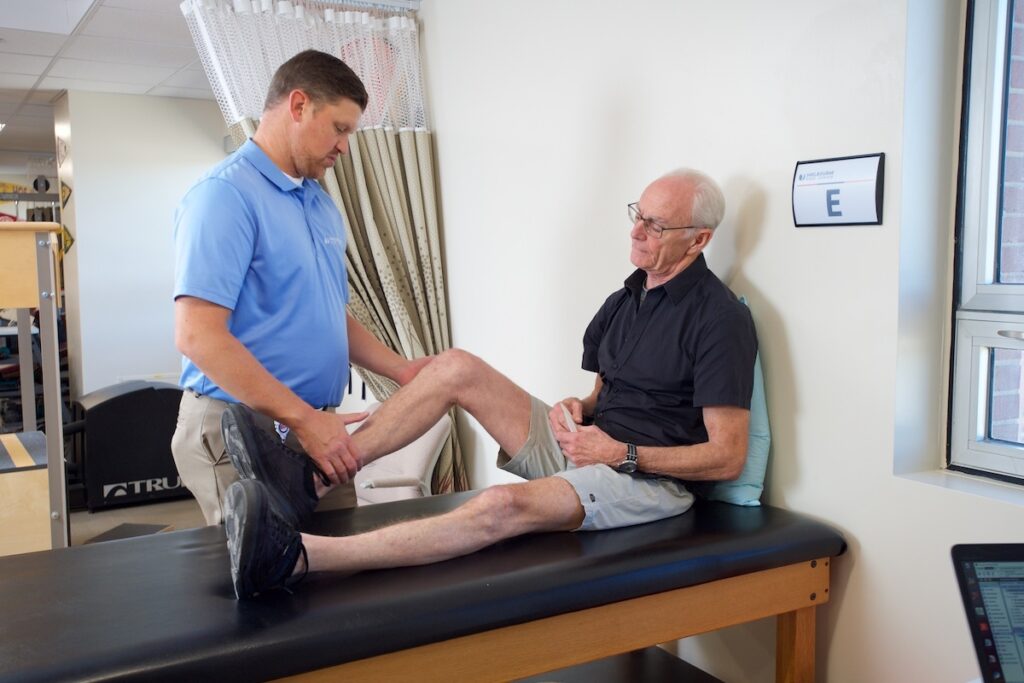
Orthopedic surgeons specialize in the musculoskeletal system. They assess the extent of a meniscal tear and decide on the best course of treatment. Their training allows them to perform precise surgical interventions when necessary, ensuring optimal recovery.

Treatment Options

There are several treatment options available. These depend on the severity and location of the tear. Orthopedic surgeons typically follow a treatment plan that includes:

  • Rest and physical therapy
  • Medications to manage pain
  • Surgical repair for severe tears

Non-Surgical Treatments

For minor meniscal tears, rest, ice, and physical therapy are often effective. Surgeons may recommend exercises to strengthen the muscles around the knee. This supports healing and helps prevent future injuries.

Surgical Treatments

In cases where the tear is severe, or symptoms persist, surgery may be necessary. Orthopedic surgeons use arthroscopy, a minimally invasive technique. Small incisions and specialized tools help repair or remove the damaged tissue.

Comparison of Treatment Options

Non-Surgical Treatment Surgical Treatment
Less invasive Involves surgery
Longer recovery time Quicker recovery
Effective for minor tears Effective for severe tears

Recovery and Rehabilitation

Recovery time varies based on the type of treatment. After surgery, patients often participate in rehabilitation programs. These programs help restore strength and flexibility. The goal is to return to daily activities and prevent future injuries.

The Importance of Follow-Up Care

Routine follow-up care is crucial. It ensures that the knee heals properly and identifies any complications early. Regular check-ups with an orthopedic surgeon are essential for long-term success.

Why Choose an Orthopedic Surgeon?

Orthopedic surgeons have specialized training in treating joint injuries. Their experience with surgical techniques ensures the best possible outcomes. Choosing a qualified surgeon can significantly improve recovery and quality of life.

Final Thoughts

Orthopedic surgeons play an essential role in treating meniscal tears. From diagnosis to recovery, their expertise ensures effective treatment and better outcomes. For more information on meniscal tears and treatments, visit the National Institute of Arthritis and Musculoskeletal and Skin Diseases or the American Academy of Orthopaedic Surgeons. Understanding the options available can help in making informed decisions about knee health.

Healing keloids and scars take time and expertise. Both conditions affect skin appearance and can cause discomfort. Dermatologists play a vital role in managing and treating these skin issues. They offer personalized care and a range of treatments to reduce scar visibility and improve skin health. Like their work in skin cancer treatment live oak, dermatologists use their skills to help heal and restore confidence in skin appearance.

Understanding Keloids and Scars

Keloids are raised overgrowths of scar tissue that develop at the site of a skin injury. They can be itchy or painful. Scars, on the other hand, are marks left after a wound has healed. Both conditions can affect anyone, but keloids are more common in people with darker skin tones.

Scar formation is a natural part of the healing process. After an injury, the body produces collagen fibers to mend the damage. Sometimes, the body makes too much collagen, leading to a raised scar or a keloid. The key is finding the right balance in treatment to minimize these effects.

Treatment Options Provided by Dermatologists

Dermatologists offer several treatment options for keloids and scars. They tailor treatments based on the type, size, and location of the scar. Here are some common methods:

  • Corticosteroid Injections: These help reduce inflammation and flatten keloids.
  • Laser Therapy: Used to reduce redness and improve texture.
  • Surgery: In some cases, dermatologists might recommend surgical removal, often followed by other treatments to prevent recurrence.

Choosing the right treatment depends on individual needs. Dermatologists assess each case carefully to provide effective solutions.

Comparison of Treatment Options

Treatment Effectiveness Recovery Time
Corticosteroid Injections High for reducing size Minimal
Laser Therapy Moderate for improving appearance Minimal
Surgery Varies; risk of recurrence Varies; longer

Each treatment has its pros and cons. Consultation with a dermatologist helps decide the best course of action.

The Dermatologist’s Expertise

Dermatologists undergo extensive training. They are experts in skin health and understand the complexities of skin conditions. Their skills are crucial in handling difficult cases. For example, the National Library of Medicine highlights the importance of professional guidance in managing keloids.

By staying updated with the latest research, dermatologists ensure they provide the best care possible. They use advanced techniques and equipment to achieve optimal outcomes for patients.

Prevention and Routine Care

Prevention is key in managing keloids and scars. Dermatologists stress the importance of avoiding unnecessary skin injury. They may recommend using silicone gel sheets or pressure dressings after surgery or injury.

Routine care is more effective after treatment. Keeping the skin moisturized and protected from the sun can prevent further damage. Dermatologists often emphasize these simple yet effective habits.

The Role of Dermatologists as Healers

Dermatologists not only treat skin conditions but also help restore self-esteem. Scars and keloids can impact self-image. By improving skin appearance, dermatologists help patients feel more confident and comfortable in their skin.

The journey of healing scars and keloids involves patience and collaboration. With the guidance of a dermatologist, individuals can achieve significant improvements and regain confidence in their skin’s appearance.

Plastic surgery trends often mirror the cultural norms of a society. What one culture sees as beauty, another might not. For example, the Scarsdale neck lift has gained popularity in certain regions, driven by local style preferences. These trends can change as cultural ideals shift. Understanding these influences helps us see how society shapes our views of beauty.

Cultural Standards and Their Impact

Cultural standards can heavily influence what is considered attractive. In some cultures, a youthful appearance is highly valued. This has led to an increase in procedures aimed at reducing signs of aging. In other cultures, certain body shapes or facial features might be preferred. This can drive the demand for specific surgeries, such as rhinoplasty or liposuction.

Consider the popularity of double eyelid surgery in East Asia. It’s a procedure many choose to achieve a specific eye shape that aligns with local beauty norms. Meanwhile, in Western countries, fillers and botox are often sought to maintain a youthful look. These examples show how cultural values can drive the demand for particular surgeries.

Global Trends and Local Preferences

While some procedures have global appeal, many trends are localized. Understanding these patterns requires looking at both worldwide and regional data. Here’s a simple comparison:

Region Popular Procedure Driving Factor
East Asia Double Eyelid Surgery Local Beauty Standards
Western Countries Botox and Fillers Youthful Appearance
South America Buttock Augmentation Curvy Body Ideals

This table highlights how local preferences shape the demand for different procedures. Cultural ideals directly influence what people consider enhancing or changing about their appearance.

Changing Norms and Evolving Trends

Trends in plastic surgery are not static. As cultural norms evolve, so do the procedures people choose. For instance, the rise of social media has had a significant impact. Platforms like Instagram and TikTok showcase beauty trends that quickly spread across the globe. This can lead to new standards of beauty and a shift in the types of procedures that become popular.

Moreover, increasing global connectivity means cultural exchange happens faster than ever. As people are exposed to different cultural norms, their perceptions of beauty may change. This can lead to a blend of global and local trends, creating new demands in the plastic surgery field.

Closeup photo of nude latin lady model natural beauty no makeup touch cheek pure soft smooth skin applying anti age cream isolated beige pastel color background

The Role of Technology and Media

Technology and media play a critical role in how cultural norms influence plastic surgery trends. Media representation and the portrayal of beauty in movies and television often set standards that people aspire to. In many cases, the perception of celebrity beauty can drive individuals to seek similar enhancements.

One can look at the impact of social media as studied by the National Institutes of Health. Social platforms can create a constant cycle of comparison, leading to an increased desire for cosmetic procedures. This phenomenon is not limited to one region but is a global occurrence.

Conclusion

Plastic surgery trends are deeply intertwined with cultural norms. These norms shape what is considered beautiful and influence the demand for specific procedures. As cultures change and evolve, so do the trends in plastic surgery. Understanding these dynamics helps us grasp the broader impact of societal values on individual choices. By recognizing these influences, we can better appreciate the diverse standards of beauty around the world.

Unlike CBD gummies, CBN gummies have also been considered an outstanding remedy to treat the lack of sleep problem. The majority of people nowadays are facing the problem of sleeplessness at night. The lack of sleep problem can appear for various reasons. However, after identifying the problem, you need to treat it properly. By purchasing the best and most branded products of CBN gummies from the market, you can naturally improve your sleep quality. The CBN gummies have also been described as a natural aid to solve the problem of sleeplessness.

Regularly taking the CBN gummies can help you to improve your condition, and you can enjoy having enough sleep quality at night. Besides that it is also necessary to buy the best and most branded CBN for sleep products. All of you just need to find the most reputed and trustworthy brand or manufacturer in the market. Next, you can purchase the CBN gummy products from them to see the effective results.

Positive Points Of CBN Gummies

There are many positive points if you are taking CBN gummies regularly. It not only helps you to increase your sleep quality, but at the same time, it can solve other health problems. Problems like chronic pain or joint pain can also be reduced with the help of CBN gummies naturally. If you are unable to find a particular aid to treat your lack of sleep, then go with the CBN gummy products. In a short amount of time, you can find out how amazing CBN gummies are.

CBN Gummies Are The Ultimate Solution For Sleep

There are many ways to treat the problem of lack of sleep. But among all of the solutions, if you are looking for an accurate and natural way, then CBN gummies are the ultimate solution. The gummies are made from cannabinoids. In fact, all of the THC properties that are found in the product are low in percentage.  It not only helps users enjoy deep sleep quality, but it also helps them enjoy refreshments.  Hence, choose the best CBN for sleep for yourself if you want to improve instantly your condition.

In the market, the availability of CBN gummies is huge. But make sure you select only branded products for yourself because they provide the best results. In comparison with other brands, users can also take advantage of all general CBN gummies to find an effective result for the body. Moreover, the product price of CBN gummies is also pocket-friendly.

Keloids and hypertrophic scars can affect anyone. They occur when the skin heals after an injury, but the process goes into overdrive. These scars can become raised, thick, and sometimes itchy or painful. Dermatologists offer effective treatments for these skin concerns. They provide options like corticosteroid injections, laser therapy, and surgery. Treatments such as Fraxel Upper East Side have become popular for improving skin appearance. Understanding these methods helps in choosing the right path for smoother, healthier skin.

Understanding Keloids and Hypertrophic Scars

Keloids are more than just a cosmetic issue. They extend beyond the original injury site. Unlike hypertrophic scars, which stay within the wound’s boundaries, keloids continue to grow. This growth can happen long after the wound has healed.

Common Dermatological Treatments

Dermatologists use several proven techniques to manage these scars:

  • Corticosteroid Injections: These reduce inflammation and shrink the scar. They are often the first line of treatment.
  • Laser Therapy: This helps to flatten and fade scars. It’s particularly effective for hypertrophic scars.
  • Surgery: In some cases, removing the scar tissue is necessary, especially for keloids. This is often combined with other treatments to prevent recurrence.

Advanced Laser Treatments

Laser treatments like Fraxel are gaining attention. They work by targeting scar tissue with precise laser energy. This encourages new skin growth, improving the scar’s texture and color. The National Institute of Arthritis and Musculoskeletal and Skin Diseases provides more insights into these methods.

Comparing Treatment Options

Treatment Ideal For Pros Cons
Corticosteroid Injections Both Keloids and Hypertrophic Scars Reduces size and discomfort Multiple sessions needed
Laser Therapy Hypertrophic Scars Non-invasive, effective Can be costly
Surgery Severe Keloids Removes large keloids Risk of scar recurrence

Prevention and Care

Preventing these scars starts with proper wound care. Keeping a wound clean and moisturized can help. Using silicone sheets or gels during healing may also reduce scar formation. The American Academy of Dermatology suggests these practices as effective ways to manage scarring.

Choosing the Right Treatment

Choosing the best treatment depends on the scar’s type and severity. Dermatologists evaluate each case to suggest the most effective option. Early treatment can make a significant difference in the outcome. Consulting a dermatologist soon after noticing abnormal scar growth is crucial.

Conclusion

Understanding the available treatments for keloids and hypertrophic scars can empower informed decisions. Dermatologists provide essential guidance and treatments tailored to individual needs. With options ranging from injections to laser therapy, achieving healthier skin is within reach. Seeking professional advice ensures the best approach for managing these challenging scars.

Weight loss is a challenging and overwhelming journey. Behind every weight loss success, a team of experts works tirelessly. Bariatricians play a crucial role in this process. These specialists guide, support, and monitor individuals seeking significant weight loss. In places like “sleeve surgery sacramento,” their expertise is vital. They assess each person’s unique needs. They help choose the best treatment options, ensuring safety and effectiveness. Let’s explore why bariatricians are essential in achieving lasting weight loss.

The Role of Bariatricians

Bariatricians are medical doctors specializing in weight management. They focus on treating obesity through medical approaches rather than surgery alone. Their role involves:

  • Creating personalized weight loss plans
  • Monitoring nutritional intake and exercise
  • Providing behavioral support

Bariatricians evaluate each person’s medical history, lifestyle, and weight loss goals. This helps them develop effective strategies tailored to individual needs. The goal is to achieve and maintain a healthy weight over the long term.

Comparing Treatment Options

Bariatricians provide a range of treatment options. These may include lifestyle changes, medications, or surgery. Below is a table comparing some common approaches:

Approach Description Effectiveness
Lifestyle Changes Diet and exercise plans tailored to individual needs. Moderate to high, depending on adherence.
Medications Prescription drugs that aid weight loss. Varies based on individual response.
Surgery Procedures like a gastric sleeve or bypass. High when combined with lifestyle changes.

Choosing the right treatment involves considering the individual’s health status, preferences, and long-term goals. Bariatricians are crucial in guiding these decisions.

Success Stories and Statistics

Many people have achieved significant weight loss with the help of bariatricians. According to the Centers for Disease Control and Prevention (CDC), comprehensive weight management programs can result in sustained weight loss. Participants often see improvements in health conditions like diabetes and hypertension.

A study by the National Institutes of Health (NIH) found that patients who followed a structured program with medical supervision lost more weight than those who did not. These results highlight the importance of professional guidance in successful weight management.

Conclusion

Bariatricians are an essential part of any weight loss journey. Their expertise ensures that individuals receive safe, effective, and personalized care. Whether through lifestyle changes, medications, or surgery, these specialists provide the support needed for lasting success. Understanding the role of bariatricians can empower individuals to make informed decisions about their health and weight loss goals. With their guidance, achieving a healthier weight is not just possible—it’s sustainable.

Early Struggles and Realization

John’s life was once a blur of chaos and confusion, marked by the grip of addiction that seemed unbreakable. Days turned into nights with no sense of time, only a recurring cycle of cravings and regret. The realization of needing change hit him hard one morning, as he found himself isolated from the world, the weight of his choices heavy on his shoulders. It was this moment that sparked a desire to reclaim his life, pushing him to acknowledge that he could not continue down this path.

The Turning Point: Seeking Help

With newfound determination, John decided to seek professional help. Entering a rehabilitation program was not just a decision; it was a lifeline. The structured environment and compassionate support from counselors provided him with the clarity and tools needed to start rebuilding his life. This turning point marked the beginning of his fight against addiction, where every day was a battle but also a step closer to freedom.

Overcoming Challenges and Setbacks

John’s journey was far from easy. He faced numerous setbacks, each one testing his resolve and strength. The road to recovery was fraught with challenges, from battling intense cravings to confronting emotional scars from the past. Yet, with each hurdle, John learned more about himself and the resilience he never knew he had. His story became one of perseverance, a testament to the power of determination and the human spirit.

Achieving Sobriety and New Beginnings

After months of hard work and unwavering dedication, John emerged on the other side, sober and with a renewed sense of purpose. Achieving sobriety was not just about quitting substances; it was about rediscovering life and finding joy in the simple moments. Today, John lives a life filled with hope and connection, a far cry from his days of despair. His transformation is a beacon of hope, showing that with the right support and mindset, recovery is possible. For others who are overcoming years of numbness and emotional pain, John’s story serves as a reminder that liberation from past struggles is within reach.

Sarah’s Path to Recovery: A Story of Resilience

Facing the Darkness: Struggles with Addiction

Sarah’s battle with addiction began quietly, almost unnoticed, until it took a firm grip on her life. She found herself in a place where each day felt like a struggle against an unseen enemy. The weight of her dependency became heavier, leading to moments of despair and isolation. It was during this dark period that Sarah realized she needed to make a change. She reached out for help, understanding that she couldn’t face this battle alone.

Embracing Change: The Decision to Heal

The decision to seek help marked a turning point in Sarah’s life. She enrolled in a rehabilitation program, where she found the structure and support she desperately needed. This was not just about quitting substances; it was about rebuilding her life from the ground up. Therapy sessions and support groups became her new lifeline, offering her insights into her addiction and the tools to fight it. Sarah’s commitment to change was unwavering, and she knew that this journey would require all her strength and determination.

Navigating the Ups and Downs of Recovery

Recovery was not a straight path for Sarah. There were moments of doubt, times when the urge to relapse was strong. But each setback was met with resilience and a renewed commitment to her goals. The support of her family and the community she found in her recovery program played a crucial role. They reminded her that setbacks are part of the journey and that each challenge was an opportunity to grow stronger.

Transformation and Personal Growth

Through perseverance and support, Sarah experienced a profound transformation. She emerged from her recovery not just sober, but with a renewed sense of purpose and identity. Her journey taught her the importance of resilience and emotional intelligence, lessons she now applies in all areas of her life. Sarah’s transformation was not just about overcoming addiction; it was about rediscovering herself and emphasizing resilience in her everyday life. Today, she uses her experience to inspire others, showing that recovery is possible and that life beyond addiction can be fulfilling and meaningful.

Mark’s Redemption: A Testament to Hope and Recovery

Battling Inner Demons: The Struggle with Addiction

Mark’s journey through addiction was a chaotic whirlwind, leaving him grappling with feelings of hopelessness and despair. His life was a constant battle, as he struggled to break free from the chains of substance abuse. It was during these dark times that Mark realized he needed help. He reached out for professional support, knowing it was the only way to reclaim his life.

The Role of Family and Community Support

The unwavering support of his family and community played a crucial role in Mark’s recovery journey. They stood by him, offering encouragement and understanding when he needed it most. Their steadfast presence gave Mark the strength to continue fighting, even when the road seemed impossible. Through their support, Mark found the courage to face his demons and begin the healing process.

Triumph Over Trials: Achieving Sobriety

The path to sobriety was anything but smooth for Mark. He faced countless trials and moments of self-doubt. Yet, each challenge became a stepping stone towards his ultimate goal. Mark’s determination and resilience shone through, and he slowly began to see the light at the end of the tunnel. With every small victory, he grew stronger, eventually achieving the sobriety he had longed for.

Finding Purpose and Inspiring Others

Achieving sobriety was just the beginning for Mark. With his newfound freedom, he discovered a sense of purpose that had been missing from his life for so long. He became a beacon of hope for others, sharing his story to inspire those still struggling. Mark’s journey is a testament to the power of perseverance and the promise that those who endure will be rewarded with the “crown of life” for their efforts. His story serves as a reminder that recovery is possible, and hope is never lost.

Emma’s Resilience: Overcoming Addiction and Discovering Self

Struggles and Denial: The Battle Within

Emma’s journey began in a haze of confusion and denial. She was caught in a cycle of addiction that seemed never-ending. At first, she couldn’t see the problem, or maybe she just didn’t want to. It was easier to pretend everything was fine. But deep down, Emma knew she was losing herself. The facade was starting to crack, and the reality of her situation was becoming impossible to ignore.

Embracing Recovery: Seeking Professional Help

The turning point came when Emma hit rock bottom. She realized she couldn’t do it alone and decided to seek help. She turned to Evoke Wellness, a place where she could get the support she desperately needed. This was a big step. Walking through those doors meant admitting she had a problem, but it also meant she was ready to fight for her life. The therapists and support groups there became her lifeline, guiding her through the murky waters of recovery.

Challenges and Triumphs on the Road to Sobriety

Recovery was anything but smooth. Emma faced setbacks, moments of doubt, and the ever-looming threat of relapse. But each stumble taught her something new. She learned to pick herself up, dust herself off, and keep going. Every challenge became a stepping stone. Her journey was filled with small victories that added up, showing her that change was possible.

Transformation and Empowerment

Over time, Emma began to transform. She wasn’t just getting sober; she was rediscovering herself. The person she had buried under years of addiction was emerging, stronger and more resilient than before. Emma’s story isn’t just one of sobriety; it’s about empowerment. She found a new purpose, a new drive to live life fully. Her journey is a testament to the power of resilience and the incredible strength it takes to reclaim one’s life.

Tom’s Victory Over Cancer: A Journey of Hope and Advocacy

Diagnosis and Initial Struggles

When Tom was diagnosed with stage 4 cancer, it felt like the world stopped spinning. The news was overwhelming, and the initial days were filled with fear and uncertainty. Tom faced a barrage of tests and consultations, each one more daunting than the last. Despite the grim outlook, Tom’s resolve to fight was unwavering. He knew this battle would be long and arduous, but he was determined to face it head-on.

The Fight for Survival: Treatment and Support

Tom’s journey through treatment was nothing short of a rollercoaster. Chemotherapy sessions were brutal, leaving him exhausted and drained. Yet, amidst the physical toll, Tom found strength in the unwavering support of his family and friends. They rallied around him, providing the emotional and moral support he desperately needed. This network of love and encouragement became a lifeline, helping Tom endure the toughest days. Sandstone Addiction Care, although primarily known for addiction treatment, played a surprising role in Tom’s journey by offering holistic therapies that complemented his medical treatment, aiding in his overall well-being.

Achieving Remission and Newfound Purpose

After months of relentless treatment, Tom received the news he had been longing for—remission. It was a moment of pure relief and joy, a testament to his resilience and the power of hope. But Tom’s journey didn’t end there. Surviving cancer gave him a new perspective on life, a desire to give back and help others facing similar battles. He realized that his journey could serve as a beacon of hope for others, and he was determined to make a difference.

Advocacy and Support for Others

Empowered by his experience, Tom became an advocate for cancer research and patient support. He started participating in awareness campaigns and fundraisers, sharing his story to inspire others. His advocacy work extended to Sandstone Addiction Care, where he collaborated on initiatives to integrate holistic care into cancer recovery programs. Through his efforts, Tom has not only contributed to the fight against cancer but has also become a symbol of hope and resilience for many.

Marilyn’s Transformation: From Addiction to Advocacy

The Cycle of Addiction and Incarceration

Marilyn’s journey began in a tough place, caught in a relentless cycle of addiction that led to repeated incarcerations. Her life was a constant struggle, battling not just the substances but also the consequences that came with them. For years, she found herself in and out of prison, each time vowing it would be her last. But addiction is a formidable opponent, and breaking free seemed impossible. It wasn’t until she hit rock bottom, facing the stark reality of losing everything, that she realized something had to change. This moment of clarity was the catalyst for her transformation.

Education and Personal Growth

Determined to turn her life around, Marilyn sought help from The Addiction Rehab Group, where she began to see the power of education as a tool for personal growth. While in rehab, she enrolled in courses that not only filled her time but also sparked a newfound passion for learning. These educational pursuits became a cornerstone of her recovery, providing her with the skills and confidence she needed to rebuild her life. Education opened doors she never thought possible, allowing her to envision a future beyond addiction.

Founding a Non-Profit: Helping Others

With her life back on track, Marilyn channeled her experiences and education into founding a non-profit organization aimed at helping others struggling with addiction. Her non-profit became a beacon of hope for many, offering support and resources to those who felt trapped in the same cycle she once was. Marilyn’s story became a powerful testament to the idea that change is possible, and her organization quickly gained recognition for its impact in the community. Her work not only helped others but also reinforced her own commitment to sobriety and service.

Breaking the Cycle of Recidivism

Through her advocacy, Marilyn has become a fierce advocate for breaking the cycle of recidivism. She works tirelessly to provide former inmates with the support they need to reintegrate into society successfully. Her non-profit offers job training, counseling, and mentorship programs that aim to reduce the chances of reoffending. Marilyn’s efforts have made a significant difference, showing that with the right support, individuals can break free from the chains of addiction and incarceration. Her story is a shining example of how personal transformation can lead to broader social change, inspiring countless others to follow in her footsteps.

Tim’s Story: From Conviction to Community Leader

A Troubled Past: Overcoming Legal Challenges

Tim Arnold’s early life was marked by repeated run-ins with the law. By the time he was 18, he had accumulated 27 convictions and spent six years in prison. It was a time of turbulence and uncertainty, as he grappled with the consequences of his actions. But even in the darkest moments, there was a flicker of hope. At 25, Tim found someone willing to look past his record and give him a full-time job. This opportunity became the catalyst for change, sparking a determination in Tim to turn his life around.

The Turning Point: Finding Employment

Securing employment was more than just a job for Tim; it was a lifeline. He immersed himself in learning, asking questions and absorbing knowledge like a sponge. With a newfound sense of purpose, he attended real estate school and gained insights from professionals in various trades. This period of growth and learning was transformative, laying the groundwork for his future endeavors. Tim’s resilience and willingness to learn became the foundation of his success.

Launching Lawn Life: Empowering Youth

In 2008, Tim launched Lawn Life, a nonprofit organization aimed at providing employment and skill-building opportunities to at-risk youth. The initiative was born out of Tim’s desire to give back and create a pathway for young individuals who, like him, needed a second chance. Lawn Life has since employed over 700 young people across five cities, teaching them valuable work ethics and business skills. Tim’s journey from conviction to community leader is a testament to the power of redemption and the impact of giving back.

Building a Legacy of Hope and Change

Tim’s story is not just about personal transformation; it’s about creating a legacy of hope and change. Through Lawn Life, he has inspired countless young people to overcome their circumstances and strive for a better future. His work has not only transformed his community but also set an example of what is possible with determination and support. Serenity at Summit played a crucial role in Tim’s journey, providing the support and resources needed to maintain his commitment to change. Today, Tim continues to lead by example, empowering others to follow in his footsteps and build a brighter future.

Inspiring Stories of Balance Rehabilitation

Balance isn’t just about standing upright; it’s about maintaining stability through life’s movements. For many, balance issues can disrupt everyday activities, leading to a loss of confidence and independence. At centers like Fyzical Bolingbrook, specialists work tirelessly to restore this vital aspect of life. Their approach is holistic, addressing both the physical and emotional aspects of balance recovery. Regaining balance is not just about physical therapy; it’s about rebuilding lives.

Challenges Faced in Rehabilitation

The journey to balance recovery often begins with overcoming significant hurdles. Patients may face dizziness, fear of falling, or even previous injuries that complicate their path to stability. The process requires determination and patience, as each step forward can sometimes feel like a battle. However, with professional guidance and a supportive environment, these challenges become manageable. The key is personalized care, tailored to meet the unique needs of each individual.

Success Stories from Fyzical Bolingbrook

At Fyzical Bolingbrook, success stories abound, showcasing the transformative power of dedicated rehabilitation. Take Scott Archer’s journey, for example. His recovery highlights the importance of a committed team working together to restore a patient’s independence and confidence. Through perseverance and expert care, Scott, like many others, achieved remarkable progress, turning what once seemed impossible into a new reality.

The Role of Professional Support

Professional support is crucial in the rehabilitation process. Skilled therapists provide not only physical guidance but also emotional encouragement. They help patients set realistic goals, celebrate small victories, and push through setbacks. This support system is essential for fostering a positive outlook and maintaining motivation throughout the recovery journey. With the right team, individuals can reclaim their lives, moving forward with renewed hope and determination.

The Power of Education in Transforming Lives

Education as a Tool for Change

Education is often hailed as a beacon of hope, a tool that can fundamentally alter the course of a person’s life. But what does this transformation look like in practice? For many, education opens doors that were previously thought to be forever closed. It provides the skills and knowledge necessary to pursue new avenues, whether in career or personal development. The impact of education is especially profound for those who have faced significant challenges, such as incarceration or addiction.

Success Stories of Educational Empowerment

Take, for instance, the inspiring story of Sean Pica, who transformed his life through education while serving a prison sentence. Through the Hudson Link program, Sean not only earned his degree but also discovered a passion for learning that reshaped his future. Post-release, he continued his educational journey, ultimately leading the very program that had changed his life. His story is just one of many that highlight how education can empower individuals to rewrite their narratives and contribute positively to society.

Breaking Barriers and Building Futures

Education has a unique ability to break down barriers and build futures. For individuals like Marilyn Barnes, who struggled with addiction and incarceration, education provided a pathway to a new life. By earning her master’s degree and founding a nonprofit, she not only transformed her own life but also became a beacon of hope for others. This ripple effect of education demonstrates its power to create lasting change, not just for individuals but for entire communities.

Inspiring Others Through Knowledge

The stories of individuals like Sean and Marilyn are not just about personal triumph; they are about inspiring others. When people witness the transformative power of education, it ignites a spark of hope and possibility. Programs like Harmony Ridge and others dedicated to educational empowerment continue to inspire and support countless individuals on their journey to a better life. Education, in its many forms, remains a cornerstone of personal and societal transformation.

Urinary incontinence can be a challenging condition. Obstetricians and gynecologists play a key role in managing it. These professionals offer guidance and medical options. They assess each case to find the best approach. In Miami, FL urogynecology experts provide specialized care. Their expertise helps improve the quality of life for many. Understanding their role can be the first step toward relief.

Understanding Urinary Incontinence

Urinary incontinence affects millions. It ranges from slight leaks to the complete inability to control the bladder. The condition can impact everyday life. Many factors contribute, including age, childbirth, and lifestyle.

The Role of Obstetricians and Gynecologists

Obstetricians and gynecologists, or OB/GYNs, have a deep understanding of female anatomy. They are well-equipped to address urinary incontinence. They provide a range of solutions:

  • Diagnosis through medical history and exams.
  • Treatment plans including lifestyle changes, medications, and surgery.
  • Continuous support to adjust treatment as needed.

Diagnosis of Urinary Incontinence

Accurate diagnosis is crucial. OB/GYNs assess symptoms and perform physical exams. They may also request tests like urinalysis or bladder diaries. Understanding the type and cause of incontinence aids in crafting effective treatment.

Treatment Options

Treatment varies based on type and severity. OB/GYNs offer several options:

Treatment Description
Behavioral Therapy Includes bladder training and pelvic floor exercises.
Medications Help to relax the bladder or increase its capacity.
Surgical Options Procedures like sling surgery to support the urethra.

Prevention and Lifestyle Changes

Prevention strategies can make a big difference. OB/GYNs recommend:

  • Maintaining a healthy weight to reduce pressure on the bladder.
  • Avoiding substances that irritate the bladder, like caffeine and alcohol.
  • Practicing regular pelvic floor exercises.

Monitoring and Follow-up

Routine care is more effective after treatment begins. OB/GYNs schedule follow-up visits to monitor progress. They adjust treatments as needed to ensure the best outcomes. This ongoing support is key to managing the condition.

Resources and Support

Many resources exist for those living with urinary incontinence. Organizations like the Office on Women’s Health provide valuable information. They offer guidance on managing symptoms and improving quality of life.

In conclusion, obstetricians and gynecologists are vital in managing urinary incontinence. They offer comprehensive care—from diagnosis to treatment and follow-up. Their expertise helps many regain confidence and control over their lives.

Pain can take over the body and mind. Among the various methods that specialists use to manage pain, TENS therapy stands out. It offers a non-invasive approach to pain relief. For conditions like back pain Edison residents often turn to this therapy. TENS, or Transcutaneous Electrical Nerve Stimulation, involves using a device to send small electrical pulses to the affected area. This stimulates the nerves and reduces pain signals to the brain.

Understanding TENS Therapy

TENS therapy is simple yet effective. It uses a small, battery-operated device that connects to electrodes placed on the skin. These electrodes deliver electrical impulses to the nerves. The pulses interfere with the pain signals and can also trigger the release of endorphins, which are natural painkillers.

Benefits of TENS Therapy

  • Non-invasive and drug-free
  • Portable and easy to use
  • Can be used alongside other treatments

Unlike medications, TENS therapy does not have systemic side effects. This makes it suitable for those who cannot take certain painkillers. It’s also a convenient option since it’s portable and easy to use at home or on the go.

Comparing TENS Therapy with Other Pain Management Techniques

Let’s compare TENS therapy with other common pain management methods:

Method Invasiveness Side Effects Portability
TENS Therapy Non-invasive None High
Medication Non-invasive Possible Moderate
Injections Invasive Possible Low

TENS therapy stands out for its non-invasiveness and lack of side effects. While medications are also non-invasive, they can have side effects. Injections are more invasive, with potential side effects and lower portability.

How Pain Management Specialists Use TENS

Pain management specialists often incorporate TENS therapy as part of a comprehensive treatment plan. They assess the patient’s condition and determine if TENS is suitable. When using TENS, placement of electrodes is crucial. Specialists guide patients on proper placement to ensure effectiveness.

According to Mayo Clinic, TENS therapy may not work for everyone, but it can be a valuable part of a broader pain management program. Specialists can combine TENS with physical therapy, exercises, or other interventions for better outcomes.

Considerations and Precautions

While TENS is safe for most, it’s not suitable for everyone. People with pacemakers or certain heart conditions should avoid it. Pregnant women should consult their doctors before use. Specialists ensure patients understand these precautions to use TENS safely.

Conclusion

TENS therapy is a reliable option in pain management. With the guidance of pain management specialists, it can offer relief without the risks associated with invasive methods or medications. Always consult with a healthcare provider to determine if TENS is the right choice.

Urgent care specialists play a vital role in shaping public health policy. They bridge the gap between emergency services and routine care. At san feliz urgent care, the team navigates this space with skill. Their expertise informs policies that improve access and efficiency. By understanding community needs, urgent care specialists help craft policies that serve everyone better.

Understanding the Impact of Urgent Care

Urgent care centers are essential for communities. They offer quick medical care for non-life-threatening conditions. This helps relieve the burden on emergency rooms, which can then focus on more critical cases. The presence of urgent care centers ensures that more people receive timely medical attention.

Connecting Public Health and Urgent Care

Urgent care specialists have unique insights. They see firsthand the types of cases that frequently appear in their centers. This information is crucial for public health officials. By sharing data, urgent care centers help identify health trends and potential outbreaks. This collaboration leads to more effective health policies.

Policies Shaped by Urgent Care Specialists

Urgent care specialists influence several key areas:

  • Access to Care: They advocate for policies that improve healthcare access for underserved populations.
  • Efficiency Improvements: They identify ways to streamline processes in healthcare delivery.
  • Preventive Measures: They participate in developing guidelines that prevent disease spread.

Case Study: Access to Services

Consider a policy aimed at increasing healthcare access in rural areas. Urgent care centers often serve as the primary healthcare facilities in these regions. Their input can lead to practical solutions that address transportation barriers and staff shortages. According to the Centers for Disease Control and Prevention (CDC), rural healthcare access remains a significant challenge. Urgent care specialists play a part in tackling this issue by offering insights into local needs and feasible solutions.

Data-Driven Decisions

Urgent care specialists provide data that can lead to informed decisions. This data highlights prevalent conditions and peak times for care. By analyzing this information, public health officials can allocate resources more effectively, ensuring that centers are staffed and equipped to handle patient influxes.

Table: Common Conditions Treated in Urgent Care

Condition Percentage of Visits
Respiratory Infections 30%
Sprains and Strains 20%
Minor Lacerations 15%

This table shows common conditions treated at urgent care centers. By understanding these patterns, policies can be better tailored to address specific healthcare needs.

Training and Education

Urgent care specialists also contribute to training programs. They help design curricula that prepare medical professionals for the realities of urgent care settings. This training ensures that the healthcare workforce is ready to meet diverse patient needs. Programs informed by urgent care experts emphasize adaptability and quick decision-making skills.

Emergency Preparedness

Urgent care centers are crucial in emergency preparedness. They often serve as the first point of contact during health crises. Their role in disaster preparedness plans cannot be overstated. As noted by the U.S. Department of Health & Human Services (HHS), community-based healthcare providers are key in emergency response strategies. Urgent care specialists offer their expertise to ensure these plans are effective and comprehensive.

Conclusion

Urgent care specialists contribute significantly to public health policy. They improve access to care and enhance policy efficiency. Their data-driven insights lead to better health outcomes. As public health challenges evolve, the role of urgent care specialists will remain crucial. Their knowledge and experience continue to shape policies that benefit communities nationwide.