
Author

Sarah Weinstock

Browsing

Discovering the Climbing Adventure

Birthdays are special milestones in every child’s life, and finding the perfect venue can transform an ordinary celebration into a cherished memory. For an experience that blends excitement with the benefits of physical activity, a birthday party at Climb VA offers a unique adventure. Climb VA, known for its top-tier climbing facilities, crafts an environment where children can enjoy active fun, face safe challenges, and share big smiles with friends and family.

The Venue: A Climber’s Dream

Located in an easily accessible area, Climb VA boasts state-of-the-art climbing walls designed for climbers of all ages and skill levels. Whether your little adventurer is a first-timer or a budding rock-climbing enthusiast, the diverse range of walls and obstacles cater to everyone’s comfort and interest level. The facility’s friendly and knowledgeable staff is on hand to ensure that every participant is equipped with the necessary gear and briefed on safety protocols, setting the stage for an unforgettable day.

Interactive Experience: Games and Activities

A Climb VA birthday party is not just about climbing; it offers an array of interactive climbing games and activities that keep all attendees engaged and entertained. From timed climbing challenges to team-building exercises, the party is designed to blend fun with a little friendly competition. These activities aim to develop coordination, problem-solving skills, and teamwork, all while ensuring that children have a blast alongside their peers.

Safety First: An Essential Priority

Safety is at the forefront of everything at Climb VA. The facility is equipped with modern harnesses, safety mats, and automatic belaying systems to ensure that every child remains secure while exploring the climbing walls. Instructors are trained to prioritize safety while motivating children to push their limits within a comforting and supportive environment. This seamless blend of safety and fun makes Climb VA a preferred choice for parents seeking a worry-free celebration.

Planning the Perfect Party

Planning a birthday party at Climb VA is a streamlined process, thanks to packages that cater to different group sizes and needs. Parents can choose from various customizable options, whether they want to host a party for a few guests or a larger gathering. The team at Climb VA assists in organizing every detail, from setting up the venue to arranging refreshments and cake time, ensuring that the day is stress-free and enjoyable for both kids and parents alike.

Creating Unforgettable Memories

At Climb VA, the goal is to create unforgettable memories. Every birthday celebration is infused with joy and excitement as children conquer new heights and try something new. The smiles, laughter, and sense of accomplishment captured in countless photos showcase a day well spent. Parents and children alike leave with stories of their climbing journey, sparking conversations long after the party is over.

Why Choose Climb VA?

Choosing Climb VA for a birthday celebration offers an alternative to traditional party venues. By engaging children in an active and challenging environment, parents can encourage healthy habits and confidence-building while their children enjoy an exciting and unique birthday. The seamless blend of safety, customization, and fun ensures that Climb VA remains a leading choice for those looking to host a memorable celebration.

Book Your Adventure

Ready to turn an ordinary birthday into an extraordinary adventure? Visit the Climb VA website for more information on party packages and booking details. Let Climb VA take your child’s birthday to new heights with an experience that promises active fun, safe challenges, and, most importantly, big smiles. Discover why so many families choose this vibrant and exciting venue for their celebrations, and start planning an unforgettable birthday party today.

For more information about their climbing facilities and other events, check out the Climb VA Facilities page. You can also explore more about their expert team and safety measures on the same site.

We can differentiate a few types of hair applications and extension methods. Some hair extensions require the assistance of professionals for applications, especially because they can be semi-permanent and stay on your head for months after application. At the same time, you may choose options that are specifically created for daily use, and you can apply it by yourself.

Hair extensions are commonly known and worn for special occasions such as proms, weddings and other milestones in life. By clicking here, you can learn a few things about hair styling.

In case you have a hairstyle in mind, you may not be able to achieve it with your own hair; you can choose hair extension options by finding a professional stylist who can give you both opinion and conduct the process.

Different Types of Hair Extensions

You probably understand that hair extensions can be both versatile and fun to boost your natural hair’s length, texture and volume. The crucial thing is finding the right match, understanding the type of extensions and determining which one is the best for your specific needs.

We will break down the most popular options and tell you a few things about them, which will help you, determine what works best for your goals.

Real vs. Synthetic Hair Extensions

Before we start talking about different types based on the application method, you should understand a few things about hair extension that may help you with the process. Therefore, you can determine the differences between various options.

Generally, human hair extensions are similarly as they sound like. You will get the real deal, human hair from top to bottom, which is usually collected from a donor. It means that all cuticles, which is outer layer of the hair is intact and it runs in the same direction at the time of collection.

As a result, you will get lack of tangling and ensure everything remains as silky and smooth as possible throughout a specific period. Visit this link: https://www.osha.gov/hair-salons to learn more about hair salons.

On the other hand, synthetic hair comes from blended and synthetic fibers, meaning it comes with no hair at all. These fibers are usually feeling fine, meaning they can imitate real human hair.

When it comes to styles and quality, you can find wide array of colors and options especially if you choose synthetic option. The quality of synthetic fibers can vary, but compared to real ones they can move differently and be stiffer than human hair, which means it is challenging to blend it. They can also be coarse and wiry to the touch.

Of course, real hair looks and feels real, meaning it is more likely to blend with your own hair. You can treat human extensions as the natural hair, meaning you can use curl, straightening tools, colors, blow dryer and apply different products.

When using synthetic hair, you cannot color the hair as most dyes feature bleach or ammonia, which would destroy the plastic fibers.

At the same time, you cannot use styling tools for synthetic attachments because you can damage them. It means straighteners; curling irons and blow dryers are not good idea, because you may severely damage it. Other factors can cause damage as well including harsh hair products, friction and sun, which is vital to remember.

Clip-In Extension

Before you decide to choose Trademark Salon, you should remember that clip-in hair extensions come in a form of a strand of contoured pieces attached at the base with silicone or fabric. The main idea is to check out this address for more info:

Generally, you can attach clips into the base and they are ready to use. Everything you need to do is clip the pieces to your natural hair and you will get the addition. Each clip snaps open and close with ease, meaning you can even do it yourself.

However, they are least permanent because you can quickly remove and put them back on, which is vital to remember. Unlike other forms, you will need approximately five to fifteen minutes to place them based on your hair size and volume.

Tape-In Extensions

They are exactly as they sound like. You will get pre-taped options that you can glue/tape on either side of your own hair. In most cases, a hairdresser would apply tape-ins for you because your goal is to align them with the roots and apply a heated tool that will heat up the glue.

At the same time, you need to remove them with glue remover and reinstall the moment you need them again. Naturally, you can apply heat to your roots and add adhesive products such as glue or tape, but the process may damage your hair. We recommend you to visit professionals to handle the process that can last between thirty minutes and an hour.

If you already understand vaping basics, what matters now is choosing a shop that removes friction. I look at range, consistency, delivery speed, and how clearly a store supports the products it sells. That is how I decide where to point people who want reliable access to popular disposables and nicotine salt liquids in Germany. In this guide, I explain how to think about German vape shops, what to watch for with Elf Bar related products, and why many people choose to order Elfbar through a store like Elfbar and source refill liquids such as Elfliq Nicsalt Liquid from the same place.

My goal is to help you save time and avoid trial and error. You get a clear view of what matters, what to avoid, and how to make a confident choice that fits your habits.

What makes a German vape shop worth your trust

I judge a vape shop by how predictable the experience feels. You want clear product info, stable pricing, and fast handling of orders. German buyers often face limits on selection or slow shipping from international sellers, which adds risk.

A solid German shop should offer:

  • Products from known manufacturers
  • Clear nicotine strength labeling
  • Fast domestic shipping
  • Stock that matches what is listed
  • Support for both disposables and refill systems

When these basics are missing, even a low price can cost you time and frustration.

Why Elfbar products remain popular in Germany

Elf Bar gained attention for a simple reason. The flavors stay consistent, and the devices stay easy to use. Many people start with disposables because there is no setup, no charging, and no learning curve.

If you want something ready to use, Elf Bar disposables fit that need. If you want the same flavor with less waste and more control, refill systems paired with Elfliq make sense.

I advise you to decide first how much control you want. That decision guides everything else.

Understanding Elfliq nicotine salt liquids

Elfliq exists for one purpose. It delivers the same flavor profiles found in Elf Bar disposables, but in refillable form. That matters if you care about consistency.

These liquids use nicotine salts, which means:

  • Smoother intake compared to freebase nicotine
  • Faster nicotine absorption
  • Better fit for mouth to lung pod systems

Common strengths include 10 mg and 20 mg. That range works well for people switching from disposables or cigarettes.

Flavor choice often drives repeat purchases. Fruity blends, cooling notes, and sweeter options all appear in the Elfliq lineup. The key point is that the flavor names match what you expect from disposable versions.

Why many buyers choose Dampf Company

I recommend Dampf Company because they focus on clarity and range rather than pushing one product type. They operate as a German vape and e liquid online shop with more than ten years in the market, which shows in how they structure their catalog.

They stock:

  • Nicotine salt liquids from recognized brands
  • Prefilled pods and disposables
  • Refillable pod systems
  • Accessories and related hardware

That mix matters. You can start with disposables and shift to refill systems without changing shops.

Shipping speed also matters. Fast delivery within Germany reduces the need to overbuy or keep backups. Their free shipping threshold adds value without forcing large orders.

Disposable vapes versus refillable systems

I often tell people to think in phases rather than making a final choice on day one.

Disposable vapes make sense if:

  • You want zero setup
  • You vape occasionally
  • You value portability

Refillable pod systems make sense if:

  • You want lower long term cost
  • You prefer less waste
  • You want control over nicotine strength

Dampf Company supports both paths. They carry disposable models like Elf Bar 800 and Lost Mary 800, along with rechargeable systems such as the Elfa pod system.

The Elfa system offers magnetic pod changes, USB C charging, and a familiar draw. It gives a similar experience to disposables while reducing waste.

How to choose the right Elfliq strength and setup

If you are unsure where to start, I suggest matching your current habit rather than guessing lower.

For light use or lower intake, 10 mg nicotine salt works well.
For heavier use or recent smokers, 20 mg offers closer satisfaction.

Pair Elfliq with refillable pods designed for nicotine salt liquids. Allow the pod to soak before first use. This step prevents dry hits and protects flavor quality.

Storage also matters. Keep bottles in a cool, dark place. Use opened liquids within six months for best results.

Why consistency matters more than novelty

Many shops chase trends. I prefer stores that keep core products in stock. Consistency means you can reorder without worrying about changes in taste or availability.

Dampf Company emphasizes established brands and stable supply. That approach benefits anyone who wants predictability rather than constant rotation.

Their focus on Elfliq as a central offering supports people who want the Elf Bar flavor profile without relying only on disposables.

Final guidance for buying Elfbar and Elfliq in Germany

If you want a straightforward buying experience, focus on German based shops with depth rather than flash. I look for stores that explain products clearly, ship fast, and support both beginners and long term users.

Dampf Company fits that approach. They offer a broad range of Elf Bar related products, strong coverage of Elfliq nicotine salt liquids, and a structure that supports switching between device types over time.

If you value clarity, speed, and consistent flavor, choosing a single reliable shop simplifies everything. That is how I suggest you approach buying Elfbar and Elfliq in Germany.

Understanding the biological and surgical factors that affect long-term breast lift stability

A breast lift can deliver dramatic improvement in shape and position, but not all results age the same way. Some patients enjoy stable outcomes for many years, while others notice a gradual sagging return sooner than expected.

This difference is rarely due to a single factor. It is usually the result of how the breast was supported internally, how the patient’s tissues behave over time, and how lifestyle influences healing and aging.

At The Aesthetics Centers in Newport Beach, board-certified plastic surgeon Dr. Siamak Agha frequently evaluates patients seeking revision after breast lifts that lost support prematurely.

“A breast lift should be built to last, not just to look appealing at six months.”

Skin is not designed to be structural

One of the most common reasons breast lifts lose support is overreliance on skin tightening.

Skin is elastic by nature. It stretches under weight, gravity, and time.

If a lift is achieved primarily by pulling skin tighter without rebuilding the internal framework, the result is temporary by design.

As months and years pass:

  • Skin relaxes
  • Scar tissue softens
  • Gravity continues its effect

The breast gradually descends again.

Inadequate internal tissue reconstruction

Modern breast lift surgery reshapes the breast from the inside outward.

When internal tissue is not properly:

  • Restructured
  • Elevated
  • Anchored
  • Reinforced

The breast lacks a stable foundation.

Without this internal architecture, the skin bears too much mechanical load.

This leads to early stretching and loss of upper fullness.

Heavier breast tissue increases downward force

Breast weight plays a major role in long-term stability.

Patients with:

  • Dense glandular tissue
  • Larger breast volume
  • Implants combined with a lift

If deep sutures and reinforced tissue pillars fail to support that weight, the likelihood of descent increases.

Dr. Agha often incorporates advanced internal support techniques for patients with heavier breasts to counteract this effect.

Poor skin quality accelerates recurrence

Genetics, sun exposure, smoking history, and aging all influence skin elasticity.

Patients with thin or low-elasticity skin experience:

  • Faster stretching
  • Reduced scar strength
  • Weaker long-term support

Even the best surgical technique must account for tissue quality.

This is why surgical planning differs significantly between patients.

Implant-related factors

When implants are involved, the risk of losing support increases.

Implants:

  • Add weight
  • Shift pressure downward
  • Stretch the lower breast pole

Without reinforcement, this can lead to:

  • Bottoming out
  • Nipple elevation relative to the breast mound
  • Loss of upper pole fullness

Structural support becomes essential in these cases.

Lifestyle influences after surgery

Long-term outcomes are also shaped by patient behavior.

Factors that weaken support include:

  • Significant weight fluctuations
  • Pregnancy after surgery
  • Smoking or nicotine exposure
  • Lack of supportive bras during healing
  • Poor nutrition during recovery

These influences gradually weaken internal scar tissue and connective support.

“Surgery creates structure. Healing determines how strong it becomes.”

The role of surgical philosophy

Some breast lift techniques prioritize short-term appearance over durability.

They may:

  • Minimize operative time
  • Avoid deeper dissection
  • Reduce internal suturing

While this can produce attractive early results, it sacrifices long-term stability.

Dr. Agha’s approach emphasizes structural engineering of the breast, not cosmetic tightening alone.

His techniques focus on redistributing weight, reinforcing the lower pole, and anchoring tissue to stronger internal structures.

When revision becomes necessary

Patients may seek revision when they notice:

  • Recurrent sagging
  • Flattened upper breast
  • Breast tissue sliding downward
  • Implants becoming visible or displaced
  • Asymmetry returning

Revision surgery often involves rebuilding internal support rather than simply tightening skin again.

Final thoughts

Breast lifts lose support over time when internal structure is weak, skin bears too much load, or tissue quality is poor.

Durable results require:

A breast lift should function like architecture, not fabric.

If your breast lift results have changed over time or you are considering surgery and want durable outcomes, schedule a consultation with board-certified plastic surgeon Dr. Siamak Agha at The Aesthetics Centers in Newport Beach to discuss long-term support-focused techniques.

Introduction

Even though most of us want to plan routine examinations, life occasionally gets in the way of progress. You should never disregard certain warning indicators, as they may indicate that a tooth issue is more severe than it first seems—especially if you’re considering invisalign or other corrective treatments, which work best when underlying dental issues are addressed first. Ignoring these signals may result in increased discomfort, difficult treatments, or even persistent issues with dental health. By identifying the crucial indicators listed in this article and visiting a dentist right away, you can prevent dental emergencies from occurring. Don’t hesitate to book an appointment if you experience any of these symptoms.

Gum swelling or bleeding

Early indicators of gum recession include bleeding and irritation of the gums. This issue can be increased by cigarettes, poor dental care, and several drugs. Gum inflammation can cause loss of teeth and other medical issues if it is not managed. To prevent the development of gum disease, your dentist might offer an extensive cleaning and suggest suitable options for treatment. 

Ongoing toothache

A persistent toothache may indicate a cavity, a dental infection, or some other underlying issue. Don’t dismiss pain, as it’s your body’s method of alerting you to a problem. Additional issues like infections or missing teeth can be avoided with immediate treatment. Patients who clench their teeth or have tooth sensitivity frequently worry about this. You can identify the source of your discomfort and discover a workable remedy with the help of an oral exam.

Variations in tooth color

You may have cavities or a dental infection if you see that your teeth are becoming gray, brown, or dark yellow. Certain drugs or behaviors, such as cigarettes and dark-colored food and beverages, can cause discoloration. A dental appointment can assist in determining the underlying cause of tooth discolouration and offer remedies, such as tooth-whitening procedures.

Loose teeth

Adult teeth should never be loose or unsteady under any conditions. This could be a sign of damage, severe gum illness, or another fundamental problem. Your dentist can identify the reason behind the loose teeth and suggest a course of action to keep the integrity of your teeth intact. Your dentist can identify and treat such issues before they result in missing teeth, which is another reason why routine examinations are crucial.

Eating or chewing pain

Pain while eating may be a sign of a dental issue, such as cavities, a dental infection, or a jaw disease. Ignoring this sign may result in more difficulties talking and swallowing. To regain your capacity to eat and drink properly, a dental examination can determine the root cause of the issue and offer proper treatment alternatives.

Jaw discomfort

An oral disorder may be indicated by discomfort in the jaw, clicking, or cracking sensations as you open or close your mouth. Pain in the head, soreness, and even trouble moving your mouth might be symptoms of this illness. Your disorder’s intensity can be assessed by a dentist, who can also offer treatment alternatives to reduce discomfort and stop future problems.

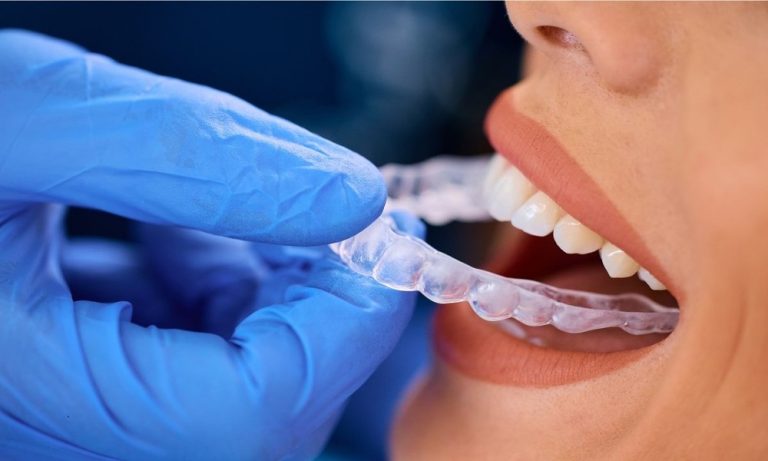
Are you fantasizing about an imaginary flawless smile, but shudder at the thought of customary metal braces? Well, say an end to those gawky wires and welcome the future of teeth straightening. Invisalign has grasped the universe by cyclone with its entire invisible aligner method. But have you ever questioned what builds this dental sensation so effectual? Unite with us as we jump deep into the science beyond Invisalign and expose how 

These practically invisible aligners work their wonders to provide you with that shining smile you have always wanted. Be ready to be shocked.

Preface. 

In recent years, Invisalign has appeared to be a highly popular choice for dental treatments. This invisible aligner method has gained fame as a careful and easy replacement for customary metal braces. Many people considering treatment often research Invisalign cost as part of their decision-making process. But how does Invisalign actually work? What is the science behind this creative medication? In this article, we jump into the universe of Invisalign and expose the interesting science that enables this invisible aligner method. From its creation to its mode of measures, we’ll search for all characteristics of how Invisalign works.

Archive of Invisalign. 

Before we enter into the essential details, let’s take a quick look at the archive of Invisalign. This complete medication was created by Zia Chishti and Kelsey Wirth in 1997, with the goal of offering a more careful choice for adjusting misaligned teeth. The idea behind Invisalign was stimulated by customary metal braces but with an advanced twist – utilizing invisible plastic braces instead of metal brackets and wires. The scheme quickly gained acceptance, and at present, over six billion people have changed their smiles utilizing this latest orthodontic technology. 

Outline and the construction process. 

So, how are these customized aligners designed? It all started with your dentist or orthodontist taking online pictures or a scan of your teeth. These pictures are then utilized to outline a 3D model, which will be utilized to schedule your medication. Once your customized medication scheme is finalized, it is sent off to an offshore Invisalign laboratory where a team of expert technicians utilizes particular software and ultra-modern 3D printing technology to design a series of personal aligners for you. Each group of aligners is slightly non-identical, created to slowly move your teeth into their desired position. 

How does Invisalign vary from customary braces?

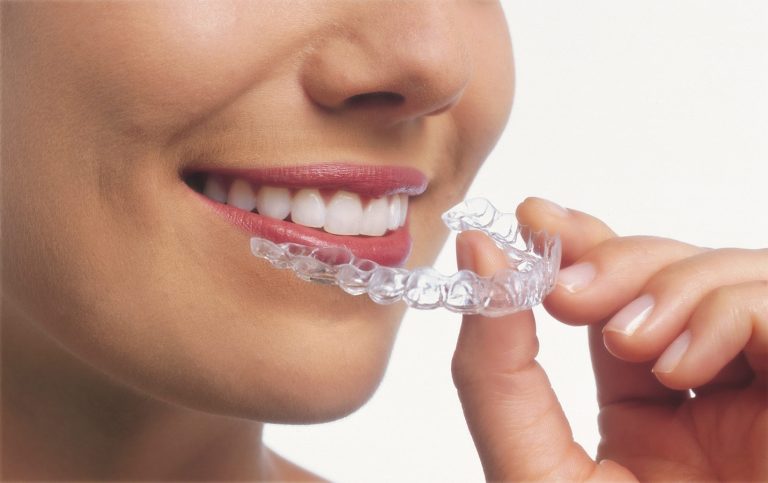
Invisalign is an advanced teeth straightening method that has become more popular in recent years. Unlike customary braces, which utilize metal brackets and wires to line up the teeth, Invisalign utilizes a bunch of invisible aligners that are customized for each person’s unique smile. 

What is the position of Invisalign?

Utilizing ultra-modern technology such as 3D study and CAD (computer-aided design), orthodontists or dentists designed a customized medication plan for their patients utilizing Invisalign. This includes mapping out the motion of the teeth over time until they hold their desired last position. 

Lap-Band surgery, a type of adjustable gastric banding, has been a widely used choice for its minimally invasive nature and adjustability. While many patients benefit from it, some may face challenges as time goes on. Complications may develop, results may plateau, or the procedure may simply no longer align with a patient’s changing health goals. In such cases, a revision procedure may be recommended to improve outcomes and address underlying issues.

One of the most commonly performed revision weight loss surgeries in Dallas, Mansfield, and Plano is the band to sleeve revision. In this procedure, a portion of the stomach is surgically removed, leaving behind a smaller, tube-shaped stomach that limits food intake and helps reduce hunger. In this blog, we’ll explore the most common reasons why patients with lap bands choose to undergo this revision and what it can mean for their health journey.

1. Lap-Band Slippage or Migration

One of the most common reasons for seeking a revision is when the Lap-Band shifts out of place, a complication known as slippage or migration. This can happen gradually due to pressure changes in the stomach or band over-tightening. When the band moves, it can cause uncomfortable symptoms like nausea, vomiting, or difficulty swallowing. More importantly, it can reduce the band’s ability to restrict food intake, making weight loss harder or even reversing progress. In some cases, slippage may also lead to inflammation or damage to the stomach lining. When these issues arise, the band often needs to be removed, and patients are advised to consider a more reliable long-term solution.

2. Band Erosion

Band erosion refers to a serious complication where the gastric band gradually wears through the stomach wall and enters the gastric lumen, potentially leading to infection, reduced restriction, or even internal bleeding. While early stages may not present symptoms, patients may later develop issues such as abdominal discomfort, loss of satiety, or port-site infections. If you’re facing such concerns or suspect that your band may no longer be functioning as intended, it’s important not to delay medical attention. To discuss the risks and explore whether a band to sleeve revision in Dallas, Mansfield & Plano is the most appropriate solution, consider reaching out to a reputed bariatric surgeon in the area.

3. Poor Long-Term Weight Loss or Weight Regain

While gastric banding can produce initial weight loss, a number of patients struggle to maintain those results over time. Weight regain or inadequate weight loss often stems from physiological or behavioural factors such as pouch enlargement, band slippage, maladaptive eating patterns, or the body adapting to a lower intake by slowing metabolism. As the band’s restrictive effect diminishes, individuals may feel less satiated or begin to rely on high-calorie foods that bypass restriction. These setbacks not only compromise the effectiveness of the original procedure but can also lead to frustration and health concerns. In such cases, many patients are advised to consider a band to sleeve revision surgery to achieve more reliable long-term outcomes.

4. Chronic Gastrointestinal Symptoms and Intolerance

Chronic gastrointestinal discomfort after gastric band surgery often signals underlying complications. These symptoms, such as frequent nausea, vomiting, reflux or difficulty swallowing, can result from band slippage, overtightening or pressure exerted by the band on surrounding tissues. Over time, the body may also develop an intolerance to the band, leading to a persistent inability to consume or tolerate certain foods. When these issues persist despite band adjustments or dietary changes, they can significantly affect nutritional intake and day-to-day wellbeing. In these situations, a band to sleeve revision surgery may become necessary to relieve the anatomical stress and restore more normal digestive function.

5. Patient Dissatisfaction and Lifestyle Incompatibility

Over time, some patients find themselves growing unhappy with their initial weight loss results or the daily limitations that come with living with a gastric band. Even in the absence of medical complications, the procedure may start to feel too restrictive or incompatible with evolving lifestyle needs. Difficulty maintaining the necessary dietary adjustments, frustration around mealtime discomfort, or unmet weight goals can all contribute to ongoing dissatisfaction.

When this disconnect continues to affect daily life, many individuals start seeking alternatives that better align with their long-term goals. For patients in search of improved outcomes and greater lifestyle compatibility, pursuing revision weight loss surgery in Dallas, Mansfield & Plano can be a thoughtful next step. A band to sleeve revision offers not just anatomical changes but a renewed opportunity for comfort, consistency, and better control over one’s weight journey.

6. Surgeon Recommendation Based on Updated Medical Practice

While the lap band remains a suitable option for many individuals, the evolving landscape of bariatric care has provided many new and effective procedures  and techniques to combat the concerns of some patients. When issues such as inadequate weight loss, persistent discomfort, or mechanical complications arise, transitioning to a sleeve gastrectomy may be recommended as a more reliable and simplified solution. Band to sleeve revision surgery can now be performed with robot-assisted techniques, providing improved digestive ease and more sustainable weight management, especially when the original approach no longer meets the patient’s needs. These recommendations are typically made after evaluating factors such as the patient’s overall health, history with the band, lifestyle habits, and long-term weight loss expectations.

The Final Words

Over time, it’s not uncommon for individuals to feel that their lap-band surgery no longer aligns with their needs, whether due to post-procedure complications, limited weight loss, or lifestyle frustrations. If you’ve been facing similar concerns, know that you’re not alone. Many people find that reassessing their surgical path brings clarity and renewed hope.

If you’re considering your next step, speaking to an expert can help you understand whether a revision could offer the improvements you’re seeking. Those considering revision weight loss surgery in Dallas, Mansfield, & Plano should take the time to research and consult a bariatric surgeon with a strong track record in revisional procedures. A thoughtful, personalized discussion can help determine if this approach aligns with your goals, current health profile, and expectations for the future.

Are you taking into account the dental transplant? If so, you may be shocked to know the approach provides four unseen health advantages, apart from an enhanced smile and improved practicality. dental hygiene and dental implants play a major role in every human’s life. The records collected through the investigation showed a higher possibility for cardiac disease in individuals with hemorrhage gums, plus there are many other diseases in the body discovered with poor dental practices, including pneumonia, COPD (chronic obstructive pulmonary disease), infertility, and diabetes. Poor dental hygiene practices may also be linked to mouth cancers. These are cancers (malignant neoplasms) of the tongue, mouth, and lip. Mouth cancers are also discovered in the back of the mouth. This variety of cancers affects the back of the tongue, the back of the oropharynx, the mouth, the faucial tonsils, and the barrier of the upper throat. It is crucial to have a good dental practice before going for a dental transplant. Having a good dental routine reduces half of your oral problems and can help you lead a healthy life.

1. Safeguarding your jawbone is sturdy.

You understand the significance of powerful bones, and your jaw is in no irregularity. Spacing holes left behind by losing teeth can harm the toughness and steadfastness of your jawbone eventually. When your jawbone is not being utilized to hold up natural teeth, it slowly deteriorates – ultimately leading to issues like PBC (Posterior bite collapse), facial collapse, or facial bone loss. The best news is that dental transplants protect and restore natural bone, thus safeguarding against bone loss.

2. Conserving healthy teeth.

If you pick a rooted bridge to fill the space of absent teeth, your dentist must grind away a segment of your healthy teeth on one or both sides of the space. Although dental transplants let your healthy teeth stay whole. A dental transplant goes into the jawbone in the place where your missing tooth source was once and acts as a stopgap, thus conserving the nearby healthy teeth from crown or moving eventually.

3. Enhancing oral practice.

No confusion, you understand it’s crucial to cleanse your teeth in places where your toothbrush can’t go. In contrast to a firm bridge, a separate transplant allows uncomplicated access between your teeth and enhances the whole dental practice.

4. Removing the danger that teeth may detach or fail due to uncommon pressure.

Limited artificial teeth have a grip that hooks onto your adjoining teeth, which carries pressure as the metal structure rocks back and forth. By the time these teeth may slacken and fail due to uncommon pressure. But restoring missing teeth with a transplant hold up tooth caps or bridges removing the danger of uncommon pressure and lets your healthy teeth to remain healthy.

Rhinoplasty, often referred to as a nose job, is a popular cosmetic procedure aimed at reshaping the nose. Rhinoplasty in Mumbai can enhance facial appearance or correct medical issues that affect breathing, such as a deviated septum, nasal obstruction, or injuries like a broken nose. Both cosmetic and functional needs are addressed through this procedure, making it one of the most sought-after plastic surgeries worldwide.

Who Can Benefit from Rhinoplasty?

People may choose rhinoplasty for various reasons:

  • Correcting congenital nasal abnormalities present from birth.
  • Improving facial harmony and overall appearance.
  • Opening blocked nasal passages to enhance breathing.
  • Repairing trauma-related injuries, including facial fractures.
  • Restoring nasal function after disease, cancer treatments, or burns.

Ideal candidates are adults who have completed facial growth, are in good physical health, do not smoke, and have realistic expectations. Importantly, patients should pursue surgery for personal reasons rather than external pressure.

Types of Rhinoplasty

Rhinoplasty can take multiple forms:

  • Cosmetic rhinoplasty: Concentrates on improving the appearance of the nose.
  • Functional rhinoplasty: Restores breathing function and corrects structural defects.
  • Nonsurgical rhinoplasty: Uses dermal fillers for temporary reshaping, ideal for small bumps or lifting a drooping nasal tip.
  • Secondary rhinoplasty: Corrects issues from a previous surgery, which can be more complex.

Surgical approaches include:

  • Open rhinoplasty: Involves external incisions, giving the surgeon a clear view for significant reshaping.
  • Closed rhinoplasty: Incisions are made inside the nostrils for less invasive changes.

Rhinoplasty vs. Septoplasty

While rhinoplasty improves the nose’s appearance and overall structure, septoplasty specifically addresses internal issues with the nasal septum to improve breathing. Both procedures can be combined to enhance both function and aesthetics.

The Procedure and Recovery

Before surgery, patients consult with their surgeon to discuss goals, examine facial features, and review surgical options. Rhinoplasty is typically an outpatient procedure, performed under general or local anaesthesia with sedation, lasting 1–3 hours. Surgeons reshape the bone and cartilage, reposition the skin, and use small stitches to secure the new structure.

Post-surgery, a splint may be worn for 1–2 weeks, and swelling or bruising around the nose and eyes is common. Swelling is most noticeable in the first month, decreases over three months, and may persist subtly for up to a year. Mild discomfort is typical and manageable with over-the-counter pain medications. Asymmetrical healing, where one side appears different from the other, is normal during recovery.

Risks and Benefits

Benefits include improved facial symmetry, better breathing, and correction of structural issues. Risks can include infection, scarring, nosebleeds, changes in smell, or unsatisfactory cosmetic results that might require revision surgery.

Long-Term Results

Full recovery can take up to a year, with most functional improvements seen within six weeks. Patients can usually return to work in 1–2 weeks and resume light exercise after 4–6 weeks. Rhinoplasty results are permanent, though some may choose a secondary surgery to refine cosmetic outcomes.

When to Seek Medical Attention

Contact your doctor if you experience severe pain, uncontrolled bleeding, breathing difficulties, signs of infection, or persistent nausea after surgery.

The selection of the appropriate dental provider for your child is a significant decision, and it may affect the comfort, confidence, and future health of the oral cavity of the child. Pediatric dentists and family dentists are useful in the provision of dental care, and consulting a dentist can help you determine which type of care is best suited for your child, although they are different in terms of training, specialisation, setting, and approach towards treating children.

What Is a Pediatric Dentist?

A pediatric dentist is a dental professional who has his/her attention on the mouth of children (infancy-adolescence). Besides receiving a dental degree, pediatric dentists pursue two to three years of special residency training which is specialised in children’s requirements. This is a highly specialised training that involves child psychology, growth and development, behaviour management and special procedures of developing teeth. Pediatric dentists are professionals who make children feel safe and secure when they visit the dentist, making them the best choice in case of a small or frightened patient.

What Is a Family Dentist?

A general dentist or also known as a family dentist checks on patients of all ages i.e. young children, adults and seniors. Family dentists possess the underlying dental education to manage the basic dental care such as cleanings, exams, fillings, and preventive care for the family. They do not go further to take the extra pediatric-specific residency training that pediatric dentists take, but most of them are experienced and comfortable with the combination of children and adults.

Training and Expertise

One of the largest differences between the two is training. Pediatric dentists as well as family dentists graduate from dental school and receive a degree in dentistry. However:

Further training of dental school graduates into pediatric dentists includes child behaviour, dental development stages, dental anatomy of a child under sedation, and developmental concerns.

Family dentists are trained widely in the field of dentistry for all ages but are not necessarily only dealing with the oral health of children. Their education enables them to be able to treat children, but it can be supplemented by specialists in cases of complex children.

Office Physical and Virtual Environment and Experience.

The other difference is the patient experience. Dental facilities that target children are specifically designed to be friendly and appealing to kids. They are usually richly colored, youth-oriented, equipped with small eating utensils, and have some distractions (toys or games) to ensure that the children are easy-going. Pediatric employees are conditioned to deal with the feelings and panic of children.

Family dental offices are professional and caring, but usually they have a wider age range. They might lack the play-based nature, but with most, soft speaking and a smiling demeanor are employed to make children feel free.

Pediatric vs. Family Dental Care Scope.

The preventative services offered by both pediatric and family dentists include cleanings, fluoride therapy, and check-ups. But especially competent are the pediatric dentists.

Family dentists are good at routine lifetime dental services, organisation of adult and older child treatment and handling many children’s common needs. They are also convenient in the sense that the dentist is capable of treating all the family members in a single location.