
Author

Clare Louise

Browsing

Chronic knee pain can make walking, standing, and even sitting uncomfortable. For many people in Modesto, knee pain develops from arthritis, past injuries, or joint wear over time. When pain becomes persistent, it often requires more than rest or medication. Chronic knee pain treatment in Modesto at NorCal Pain Treatment Center helps patients achieve long-term relief and regain mobility.

What Causes Chronic Knee Pain?

Knee pain can come from several conditions, including:

  • Osteoarthritis and joint degeneration
  • Old sports or work injuries
  • Meniscus tears
  • Ligament strain
  • Inflammation from repetitive movement

Over time, untreated knee pain can limit mobility and reduce quality of life.

Personalized Knee Pain Care in Modesto

NorCal Pain Treatment Center takes a patient-focused approach to knee pain. Each patient receives a full evaluation to understand the cause of discomfort, pain patterns, and movement limitations. This allows providers to develop a treatment plan that targets the source of pain rather than masking symptoms.

The goal is to improve joint function, reduce pain, and help patients return to daily activities.

Treatment Options for Chronic Knee Pain

The Modesto clinic offers non-surgical options designed to reduce pain and support knee function.

Knee Joint Injections

Joint injections help reduce inflammation and improve movement for patients with arthritis or joint irritation.

Nerve Blocks

Targeted nerve blocks reduce pain signals from the knee and surrounding area.

Radiofrequency Ablation

This procedure calms specific pain-transmitting nerves and may provide longer-lasting relief for knee pain.

PRP Therapy

Platelet-rich plasma uses your body’s healing factors to support tissue repair and reduce joint inflammation.

Physical Therapy Referrals

In some cases, strengthening and mobility exercises can improve knee stability and reduce stress on the joint.

What to Expect from Treatment

Many patients begin to notice improvements within weeks. Follow-up visits allow your provider to adjust the care plan based on your response. The focus is on helping you move with less pain and return to normal routines.

Why Patients Choose NorCal Pain Treatment Center in Modesto

Patients choose NorCal Pain Treatment Center for chronic knee pain in Modesto because of:

How to Get Started

Most patients begin with a referral from their primary care doctor. Once your referral is received, the clinic contacts you to schedule your first visit.

If you are experiencing chronic knee pain in Modesto, NorCal Pain Treatment Center offers a supportive path to long-term relief and improved mobility.

Wisdom teeth, also called third molars, are the last teeth to emerge, typically between the ages of 17 and 25. While some people experience no immediate issues, many individuals do not have enough space in their mouths to accommodate these extra molars. As a result, dentists often recommend wisdom teeth removal to prevent future oral health complications.

Common Complications Associated With Wisdom Teeth

Wisdom teeth often cause problems because they erupt at a later stage, when jaw growth is typically complete. Since there is usually limited space available, these teeth may not emerge properly, leading to impaction, crowding, discomfort, and other dental complications over time. In cases where wisdom teeth contribute to shifting teeth alignment, some individuals exploring orthodontic options such as Invisalign san diego may benefit from a professional evaluation. Over time, untreated wisdom tooth issues can affect overall oral health and should be monitored by a dental professional.

Common wisdom teeth complications include:

  • Tooth impaction
  • Infection or inflammation
  • Pain and swelling
  • Bleeding or irritated gums
  • Tooth decay
  • Bad breath
  • Crowding of surrounding teeth

Even wisdom teeth that do not cause immediate discomfort can slowly damage nearby teeth and gums, making early evaluation essential.

Types of Impacted Wisdom Teeth

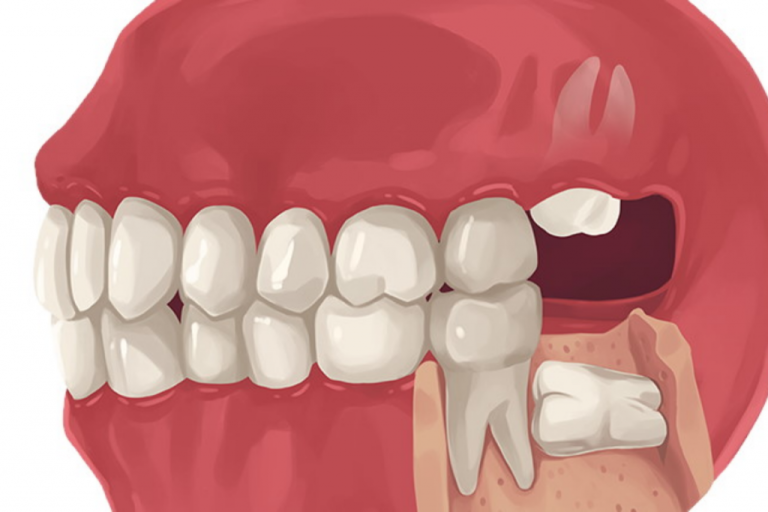
Impacted wisdom teeth are teeth that fail to fully emerge from the gum or jawbone. There are several forms of impaction:

  • Angular impaction: The tooth grows at an angle toward adjacent teeth, potentially causing pressure and damage.
  • Horizontal impaction: The tooth lies sideways within the jaw, often resulting in pain and crowding.
  • Vertical impaction: The tooth erupts upright but lacks space, pressing against nearby molars.

Surgical removal by an oral and maxillofacial surgeon is typically required for impacted wisdom teeth.

Top 6 Reasons to Remove Wisdom Teeth

  1. Dental Shifting

Wisdom teeth can push existing teeth out of alignment, causing crowding and discomfort, even after orthodontic treatment.

  1. Oral Hygiene Challenges

Their position at the back of the mouth makes wisdom teeth difficult to clean, increasing the risk of plaque buildup, gum disease, and cavities.

  1. Jaw Pain and Discomfort

Jaw pain and stiffness may occur when wisdom teeth become impacted, infected, or surrounded by cysts, placing pressure on nearby structures and causing inflammation and discomfort in the jaw area.

  1. Sinus-Related Issues

Upper wisdom teeth can develop near the sinus cavities, leading to pressure, discomfort, sinus pain, or even infections, especially when the teeth are impacted or erupt improperly.

  1. Preventive Oral Health Care

Removing wisdom teeth early helps prevent future dental infections, gum disease, and costly emergency procedures.

  1. Wisdom Teeth Stem Cell Banking

Extracted wisdom teeth contain healthy stem cells that can be preserved for potential future medical use through stem cell banking services.

Do Wisdom Teeth Always Need Removal?

Wisdom teeth do not always need to be removed. When they fully erupt, align correctly, and can be cleaned easily, extraction may not be required. However, ongoing dental monitoring is essential, as wisdom teeth can develop hidden problems over time, even without noticeable symptoms or pain.

Watching a child’s confidence bloom in the water is one of the most rewarding sights for any parent. But how do you ensure that the swimming lessons you choose set your child up for both success and enjoyment? Seasoned swim coaches are increasingly clear about their recommendation: small-group lessons strike an unbeatable balance between individual growth and the energy of learning alongside peers.

What Are Small-Group Swim Lessons and How Do They Work?

Small-group swim lessons are structured to combine the best of both worlds: the focus of individualized instruction and the camaraderie of group activities. Unlike traditional large classes, these typically involve three to five children per instructor. This creates an environment that is focused enough for tailored feedback, yet lively enough for children to feel motivated by the presence of their peers.

Defining Small-Group Versus Private and Semi-Private Lessons

Private swim lessons are one-on-one, offering undivided attention for children who need either more support or want to progress very rapidly. Semi-private lessons usually involve two or three students per coach, often siblings or close friends. Small-group lessons expand just a bit, usually capping at five kids, and are ideal for children who learn best in a social setting without sacrificing quality instruction.

Typical Group Sizes and Instructor-to-Student Ratios

Industry best practices suggest instructor-to-student ratios of 1:3 for semi-private and up to 1:5 for small-group classes. This ensures every child is seen, heard, and guided, avoiding the pitfalls of overcrowded pools where progress can stall.

Structure and Scheduling of Small-Group Sessions

Small-group lessons are typically held weekly, allowing children to build a routine and look forward to seeing familiar faces. Programs like Fitness Factory kids swimming classes offer consistent time slots, so families can plan ahead and kids can develop lasting bonds with their coaches and classmates.

Why Do Expert Swim Coaches Prefer Small-Group Lessons for Kids?

Coaches are quick to point out that swimming is as much about community as it is about technique. In small groups, kids benefit from both the watchful eye of their instructor and the motivating presence of their peers.

Balancing Personalized Attention with Peer Interaction

A smaller group lets coaches zero in on each child’s unique strengths and weaknesses. At the same time, sharing the pool with a handful of others introduces healthy peer modeling. Children often push themselves to keep up or help each other, creating a natural learning momentum.

Enhancing Skill Development Through Group Dynamics

Group lessons naturally introduce friendly competition and encouragement. When one child masters a skill, others are inspired to try harder. Coaches also structure drills that involve coordination and timing as a team, important aspects of swimming that solo lessons can’t always replicate.

Creating a Supportive and Encouraging Learning Environment

A calm, encouraging environment is crucial for young swimmers, especially those who are nervous or just starting out. Small groups foster camaraderie, helping children feel safe, supported, and eager to try new skills without fear of embarrassment.

How Do Small-Group Lessons Boost Confidence and Motivation?

Nothing builds water confidence faster than the realization that you’re not alone in your struggles or triumphs.

The Role of Social Learning and Friendly Competition

Children naturally mimic each other, so seeing a peer float for the first time or master a kick can be the nudge a hesitant swimmer needs. A bit of friendly rivalry can turn apprehension into determination.

Building Comfort in the Water Through Gradual Exposure

Repeated, positive experiences in a familiar group setting ease fears and boost comfort levels. The steady pace and supportive atmosphere gently push children to expand their abilities each week.

Encouragement from Coaches and Peers

Receiving applause from both coach and classmates turns small milestones into big wins. That sense of shared success is powerfully motivating for kids.

What Specific Techniques and Skills Are Best Taught in Small Groups?

Core swimming skills benefit greatly from the group format.

Fundamental strokes and breath control can be taught efficiently as coaches rotate focus among students.

– Coordination and timing are honed through group drills, such as relay races or synchronized kicking.

– Safety awareness and water confidence are reinforced as children watch and learn from each other’s successes and mistakes.

How Are Small-Group Lessons Customized to Fit Different Ages and Skill Levels?

Diversity in skill level is a natural part of small-group lessons, but skilled instructors turn it into an advantage. Coaches assess each child’s needs at the start, then adapt their lesson plans to address both group and individual goals. It’s common for a session to involve variations on the same drill, allowing beginners and more advanced swimmers to challenge themselves at their own pace.

What Are the Practical Benefits for Families Choosing Small-Group Lessons?

Beyond skill development, families appreciate the predictability and value of small-group swim lessons.

– Cost-effectiveness is a clear benefit. Small-group lessons are more affordable per session than private instruction.

– Convenient scheduling is another plus. Regular slots and smaller class sizes mean less time waiting for openings.

– Transparent progress tracking helps parents and children stay motivated, as coaches provide consistent feedback.

How Can Parents and Caregivers Support Their Child’s Success in Small-Group Lessons?

Success isn’t only found in the pool. Parents can help by ensuring regular attendance, celebrating small milestones, and keeping communication lines open with coaches. A quick check-in with the instructor after class or encouragement at home can make a big difference in a child’s enthusiasm.

What Does Research and Real-World Experience Say About Small-Group Swimming Instruction?

Studies suggest that small-group swim lessons lead to better skill retention and higher enjoyment levels. Children are less likely to drop out and more likely to progress at a steady pace. Testimonials from coaches, parents, and the swimmers themselves highlight improvements not just in technique, but in confidence and love for the water. Over time, these benefits translate into lifelong swimming ability and a much stronger awareness of water safety.

For families searching for the right fit, small-group swim lessons offer a thoughtful blend of personal attention, peer support, and practical advantages, a winning formula for raising capable, confident swimmers.

Full, well-defined lips are often seen as a sign of youth and beauty. Over time, however, natural volume loss, thinning, and fine lines can make lips appear less vibrant. Non-surgical lip enhancement using dermal fillers has become one of the most popular cosmetic procedures for restoring symmetry, improving definition, and creating a naturally plump appearance.

Modern lip fillers are highly customizable — allowing patients to achieve subtle refinement or more dramatic volume while maintaining balance with the rest of the face. This guide explains the main types of lip fillers, the techniques professionals use, and what to expect before and after treatment.

1. What Lip Fillers Are and How They Work

Lip fillers are injectable gels made primarily from hyaluronic acid (HA), a naturally occurring substance in the skin that attracts and retains moisture. When strategically injected into the lips, HA fillers:

  • Add volume and definition
  • Smooth out fine lines around the mouth
  • Enhance lip shape and symmetry
  • Improve hydration for a supple, natural look

Unlike older fillers, modern HA-based formulas feel soft, flexible, and move naturally with facial expressions.

2. Common Types of Lip Fillers

Different filler products are designed for specific goals — from subtle hydration to significant plumping.

2.1 Hyaluronic Acid Fillers (Most Common)

Brands like Restylane®, Juvéderm®, and Teosyal® are formulated with HA in varying densities.

  • Soft, low-viscosity gels: Best for smoothing and hydration.
  • Medium-consistency gels: Ideal for shaping and defining the vermilion border.
  • Thicker gels: Used for structural support and enhanced volume.

Hyaluronic acid fillers are temporary and reversible, making them safe and fully adjustable.

2.2 Collagen-Stimulating Fillers

Some newer products include ingredients like calcium hydroxylapatite (CaHA) or poly-L-lactic acid (PLLA) that promote natural collagen production. These are less common for lips due to firmness but may be used around the mouth for deeper lines.

2.3 Hybrid Formulations

Some advanced fillers combine HA with amino acids or antioxidants to improve longevity and hydration, offering a more refined and longer-lasting result.

3. Techniques Used for Lip Augmentation

The art of lip enhancement lies in the injector’s technique. The method chosen depends on your anatomy, aesthetic goals, and desired outcome.

3.1 Linear Threading

Filler is injected along the natural lip line or inside the vermilion border for smooth contour enhancement and definition.

3.2 Tenting Technique

Small vertical injections create lift and structure, particularly useful for defining the Cupid’s bow and central lip area.

3.3 Micro-Droplet (or Micro-Depot) Technique

Tiny amounts of filler are strategically placed for subtle hydration and texture improvement without adding visible bulk.

3.4 Russian Lip Technique

A popular modern approach that lifts the lips vertically for a heart-shaped, defined appearance. It emphasizes height rather than volume and avoids excessive projection.

3.5 Combination Approach

Many experienced injectors use a combination of techniques to balance shape, symmetry, and natural proportion between the upper and lower lips.

4. Customization: Natural Enhancement vs. Volume Boost

A skilled injector tailors every lip filler treatment to individual facial proportions. There’s no one-size-fits-all approach — your lips must complement your face.

  • Subtle enhancement: Focuses on hydration, soft contouring, and definition.
  • Moderate augmentation: Adds structure and volume while preserving a natural look.
  • Full transformation: Ideal for those seeking a more dramatic, defined result.

The best results are not overfilled — they’re balanced, symmetrical, and move naturally when smiling or speaking.

5. What to Expect During the Procedure

A lip filler session typically takes 20 to 30 minutes and includes:

  1. Consultation and assessment of lip shape, balance, and symmetry.
  2. Cleansing and numbing with topical anesthetic for comfort.
  3. Precise injections into key areas of the lips and borders.
  4. Shaping and molding of the filler for smooth, even distribution.

Some mild swelling or bruising may occur, but this usually resolves within a few days.

6. Immediate and Long-Term Results

Right After Treatment

  • Lips appear fuller and more hydrated immediately.
  • Swelling can make the lips look slightly overfilled at first — this subsides within 48–72 hours.

After Two Weeks

  • The filler settles completely, revealing the final shape and texture.
  • The lips feel soft, natural, and move normally with expression.

Longevity

Most lip fillers last 6 to 12 months, depending on metabolism, filler type, and lifestyle. Regular touch-ups help maintain consistent volume and definition.

7. Recovery and Aftercare

After treatment:

  • Avoid touching or massaging your lips for 24 hours.
  • Skip intense exercise and alcohol for 48 hours.
  • Stay hydrated to help the filler integrate smoothly.
  • Avoid heat exposure (saunas, sunbeds) for a few days.

Minor bruising, tenderness, or asymmetry is normal initially and resolves as swelling decreases.

8. Benefits of Modern Lip Fillers

Modern lip filler technology allows for natural, elegant enhancement without the “overdone” look of the past. Key advantages include:

  • Non-surgical and minimally invasive
  • Immediate, adjustable results
  • Little to no downtime
  • Reversible (if HA-based)
  • Improved lip texture and moisture retention

Well-placed lip fillers not only improve volume but also rejuvenate the lips, restoring youthful smoothness and symmetry.

9. The Importance of a Skilled Injector

Technique and anatomical knowledge are critical for achieving safe, beautiful results. Lips are highly vascular and delicate — an experienced injector ensures even placement, symmetry, and natural motion.

Professional medical clinics like Mediluxe lip fillers specialize in advanced lip augmentation tailored to individual facial features. Their experts combine artistic precision with medical expertise, ensuring results that are elegant, balanced, and aligned with each client’s aesthetic goals.

10. Who Makes a Good Candidate?

You may be a good candidate for lip fillers if you:

  • Have naturally thin lips or volume loss due to aging
  • Want to enhance shape or definition
  • Desire subtle, natural-looking results
  • Are in good health with realistic expectations

Your injector will evaluate your lip structure and recommend the best filler type and technique for your desired outcome.

Conclusion

Lip fillers have evolved into a refined, customizable art form. Whether your goal is hydration, symmetry, or added volume, today’s advanced dermal fillers provide natural-looking results that enhance rather than alter your features.

With proper technique, quality materials, and a personalized approach, lip enhancement can rejuvenate your appearance while preserving balance and proportion.

You care deeply about your child’s health. Starting early dental care is key. It sets the foundation for lifelong oral health. Visiting a dentist in Land Park, Sacramento ensures your child gets professional attention from the start. They help prevent issues before they arise. Early visits build comfort and trust with the dentist, reducing anxiety. Regular check-ups catch potential problems early, saving you from costly treatments. You teach your child the importance of dental hygiene, reinforcing healthy habits at home. This approach prevents decay, ensures proper development, and fosters a positive outlook on oral health care. Addressing cavities or alignment issues early leads to better outcomes. Make these visits a priority. Consistent family dentistry helps your child maintain a healthy smile. Prioritize early care. You empower your child with the tools needed for a lifetime of healthy smiles and confidence. Start today by scheduling their first visit.

Benefits of Early Dental Care

Early dental care offers many benefits. First, it prevents tooth decay. Children are prone to cavities due to sugary diets and less effective brushing. Regular check-ups help catch decay early. Second, it ensures proper growth of teeth and jaws. Dentists monitor development and identify potential issues. This proactive approach leads to timely interventions. For adults seeking aesthetic enhancements beyond dental care, South Loop Botox can complement a healthy smile by reducing facial lines and improving overall facial harmony.

Building Healthy Habits

Developing good habits early makes a difference. You establish routines that ensure your child understands oral hygiene. Brushing twice daily and flossing become second nature. Your child learns the importance of maintaining their smile. This habit-building lays the groundwork for a lifetime of good oral health.

Understanding the Importance of Regular Check-ups

Regular check-ups are crucial. They offer more than cleaning. Your dentist evaluates your child’s mouth thoroughly. They look for signs of trouble, like misalignment or decay. Routine visits allow for early detection. This results in less invasive treatments, protecting your child’s well-being.

Comparing Early vs. Late Dental Care

Aspect Early Dental Care Late Dental Care
Issue Detection Early detection of issues like cavities and misalignment Late identification leading to complex treatments
Cost Lower cost due to preventive care Higher cost due to surgeries or complicated procedures
Child’s Comfort Builds trust and reduces fear of the dentist Potential fear and anxiety due to unfamiliarity

Resources for Parents

Parents have many resources to support their child’s oral health. The Centers for Disease Control and Prevention offers guidelines on children’s oral health. The American Academy of Pediatric Dentistry provides tips on early dental care. These resources equip you with reliable information to make informed decisions.

Conclusion

Starting early dental care is not just beneficial. It is essential. You ensure your child develops a healthy smile and positive relationship with dental care. Regular visits to a trusted dentist foster this. Early care prevents serious issues and unnecessary expenses. Creating solid oral hygiene routines at home complements professional care. You support your child’s health by prioritizing early dental visits. Establish these habits and maintain regular check-ups. Doing this helps your child enjoy a bright, healthy future. Make the commitment today. Their smile is worth it.

Family dentists understand and care for all ages. From toddlers to seniors, each stage of life has different dental needs. A Salt Lake City dental practice shows how well-rounded care looks. For toddlers, protection against cavities and teaching good habits are key. Teens need guidance through braces and wisdom teeth. Adults may face gum health and cosmetic choices. Seniors often deal with tooth loss and sensitivity. Family dentists provide customized care for everyone. They know how to keep comfort and health as top priorities. If you’re looking for help, trust a practice that treats each person with kindness and skill. A family dentist can handle a toddler’s first check-up and a grandparent’s denture fitting. This approach builds trust and eases fears. Everyone deserves to feel understood and safe in the dentist’s chair. Trust those who care for your whole family’s smiles.

The Early Years: Fostering Good Habits

Toddlers start their dental journey with simple steps. Early visits prevent cavities and build healthy routines. Dentists focus on making these visits stress-free. They teach brushing, flossing, and diet tips. Using small brushes and fluoride toothpaste helps protect tiny teeth. By age one, experts recommend a first visit. Learn more about dental care for young children from the CDC or schedule an appointment with a dentist in Baton Rouge for gentle and preventive pediatric care.

Growing Up: Adolescent Challenges

Teens experience many changes. Braces and wisdom teeth are common issues. Family dentists offer solutions like aligners or traditional braces. They guide families through the process. Oral hygiene is crucial during this time. A dentist’s advice helps teens maintain healthy smiles despite their busy lives. In addition, regular check-ups catch issues early. This keeps treatment simple and effective.

Adulthood: Maintaining Oral Health

Adults face unique dental concerns. Gum disease and tooth decay require attention. Regular visits help prevent serious problems. Dentists provide cleanings, fillings, and advice on cosmetic procedures. Teeth whitening and veneers are popular choices. Family dentists offer care that fits adult schedules and needs. They ensure long-term health and aesthetics. Feel encouraged by consistent support and expert guidance.

The Golden Years: Senior Care and Comfort

Seniors may confront tooth loss, gum recession, and sensitivity. Dentures, implants, and cleanings help maintain dignity and function. Family dentists adapt care to meet older patients’ requirements. Regular visits prevent complications and support overall health. Understanding and respect are essential. Dentists emphasize patience and gentleness during treatment.

Customized Care: A Family Approach

Family dentists bring comfort and expertise to every stage of life. They know each member deserves individualized care. They create welcoming environments and tailor their methods. This approach builds trust and a lifetime of good habits. Patients of all ages benefit from a cohesive strategy.

Comparing Dental Needs by Age Group

Age Group Common Needs Dental Services
Toddlers Early dental visits, cavity prevention Check-ups, fluoride treatments
Teens Braces, wisdom teeth management Orthodontics, regular check-ups
Adults Gum health, cosmetic options Cleanings, fillings, cosmetic treatments
Seniors Tooth loss, sensitivity Dentures, implants, gentle cleanings

Family dentistry covers every stage of life. It focuses on each person’s unique needs and provides solutions. This comprehensive approach ensures that everyone feels valued and cared for. Choosing the right practice means securing a lifetime of smiles. Discover more about the importance of regular dental care from the National Institute of Dental and Craniofacial Research. Remember, a confident smile begins with understanding and expert care.

Recovery from addiction is not just an event. Instead, it is a process that unfolds over time. Many people believe that quitting substances is just about will, but recovery is about developing certain attitudes, changing behaviors, and adopting new coping skills. It is usually carried out in somewhat recognizable stages, each with its own challenges and milestones. When people understand what usually happens in each stage and with each step, they can better prepare for what’s ahead, have less fear about the unknown, and gain motivation even when their progress seems slow. It is essential to get the right behavioral health services Massachusetts from

Stages of Addiction Recovery

1. Stage 1: Precontemplation & Contemplation

Substance abuse in this phase is usually unrecognized or outright denied. The individuals tend to rationalize their habits, compare themselves to others in similar situations, or think they can quit. However, with mounting consequences such as health-related issues, strained relationships, or legal problems, the person may face a stage of contemplation where the problem is recognized and weighed against the pros and cons of making a change. In this contemplation stage, individuals might go on for a long time, many circles between denial and contemplation, before they feel ready to take action.

2. Stage 2: Preparation

Once a person decides to take action and change, he enters the preparation phase. At this stage, one must seek additional information, select the treatment provider, make specific arrangements regarding insurance, travel, or time off work, and possibly start reducing their use. This period is also designated for in-depth assessments regarding an individual’s physical, psychological, and social parameters to design and develop a treatment plan in many programs.

3. Stage 3: Action / Active Treatment

Starting from the action phase, recovery becomes structured. It usually comprises somewhat overlapping phases:

Detoxification / Stabilization: When physical dependence is present, medically supervised detoxification allows substances to be washed out of the body and assists with withdrawal symptoms. Stabilization prepares one for deeper therapeutic work.

Residential/Inpatient Treatment: Under this treatment modality, people stay at a treatment facility for a determined time, generally between 30 and 90 days. They undergo therapy (group, individual, and family), education on addiction, life-skills training, relapse prevention, and support for co-occurring mental health conditions.

Partial Hospitalization / Intensive Outpatient: As the client becomes more stable, they transition down to either partial hospitalization or an intensive outpatient program. PHPs usually entail full-day programming, while IOPs hold sessions a few days a week. This allows the client to reintegrate into the external world while receiving therapeutic support.

4. Stage 4: Maintenance & Aftercare

Maintenance and aftercare usually follow after the more structured treatment phases are tapered off. This is the long-term phase during which the emphasis is placed on sustaining the gains made during treatment, keeping individuals from relapsing into substance use, and integrating recovery into everyday life.

Participants may participate in support groups (e.g., 12-step, SMART Recovery), ongoing counseling, peer support programs, and, in some instances, sober living facilities. Overall, relapse prevention becomes the key concern, identifying red flags early on and using different prevention strategies such as therapy, medication (if appropriate), and informal or formal ongoing monitoring.

5. Stage 5: Relapse & Re-Entry

Relapse is typical in recovery–with understanding that relapse is never considered a failure; it simply means that the current approach is not sufficient. Generally, a relapse moves the individual back to an earlier stage in the change process, most often contemplation or preparation, and onto treatment or some intensified support. The main goal is to learn from the relapse, modify strategies, and recommit to recovery.

The therapist may want to reassess triggers, increase support, or change their mode of intervention. Many will go through the cycle of relapse and recovery several or even times before the mark of sustained sobriety is considered.

In recovery from addiction and in search of top-tier care in Massachusetts, Brook Recovery Inc., an umbrella of behavioral health organizations, provides a continuum of services designed to meet clients where they are, guide them through each stage, and adjust care as they continue on the journey. The seasoned staff employs therapies supported by research, medical oversight, relapse prevention planning, and linkage to the community, tailored to the recovery stages. These equip recovery members with a stable and enduring platform to embrace a healthier life.

Understanding the connection between general dentistry and cosmetic dental goals can transform your smile. Strong dental health serves as the foundation for any aesthetic improvements you might seek. When teeth and gums are healthy, cosmetic procedures are more effective and long-lasting. General dentists play a crucial role in this process. They address underlying issues like cavities or gum disease, ensuring your mouth is ready for enhancements. Whether it’s teeth whitening or dental implants in Chehalis, WA, general dentistry lays the groundwork. Consider it as preparing a canvas before painting. By maintaining regular check-ups, cleanings, and routine care, you set the stage for successful cosmetic outcomes. The importance of this synergy cannot be overstated. It not only boosts your confidence but also enhances overall oral health. A healthy mouth leads to a beautiful smile, bridging the gap between health and aesthetics. This approach ensures your dental journey is both comprehensive and rewarding.

The Role of General Dentistry

General dentistry is often the first step in achieving cosmetic dental goals. It involves routine care, which includes cleanings, exams, and preventive treatments. These practices help detect early signs of dental problems. Addressing these issues promptly prevents them from becoming major concerns that could hinder cosmetic treatments. For comprehensive care that combines prevention with aesthetics, visiting a dentist in Financial District San Francisco ensures your oral health and cosmetic goals are managed seamlessly.

Conditions like tooth decay and gum disease are common obstacles. A general dentist takes care of these by providing fillings or periodontal treatments. This care ensures that your teeth and gums are in the best shape possible for any cosmetic enhancements you may desire.

Cosmetic Procedures and Their Benefits

Cosmetic dentistry includes procedures like teeth whitening, veneers, and implants. Each of these has a unique benefit:

  • Teeth Whitening: Brightens your smile by removing stains.
  • Veneers: Cover imperfections and change the shape or color of teeth.
  • Implants: Replace missing teeth and restore function.

These procedures not only enhance appearance but also improve dental function and health. For instance, dental implants offer a permanent solution to tooth loss, promoting better oral hygiene and preventing bone loss.

Preparation is Key

Preparation for cosmetic procedures involves a comprehensive dental exam. A general dentist checks for any oral health issues and ensures that the gums and teeth are healthy. This preparation is akin to laying a solid foundation before building a house. Without it, cosmetic procedures may not yield the desired results.

For example, whitening treatments work best on clean, healthy teeth. Similarly, implants require strong bone support, which can only be assessed and ensured by a general dentist.

Comparison of General and Cosmetic Dentistry

Aspect General Dentistry Cosmetic Dentistry
Purpose Maintains oral health Enhances appearance
Treatments Fillings, cleanings, exams Whitening, veneers, implants
Outcome Prevention and health Aesthetic improvements

Long-Term Benefits

General and cosmetic dentistry are mutually beneficial. A healthy mouth ensures that cosmetic treatments last longer and look better. Regular dental visits help maintain a bright and beautiful smile. This combination enhances overall quality of life, boosting self-esteem and confidence.

Research from the National Institute of Dental and Craniofacial Research shows that oral health is integral to overall well-being. Good oral hygiene practices, combined with cosmetic enhancements, can lead to a happier, healthier self.

Conclusion

In conclusion, bridging the gap between general and cosmetic dentistry is essential for achieving your dental goals. By focusing on both health and aesthetics, you can enjoy a smile that is not only beautiful but also healthy. Regular dental care sets the stage for effective cosmetic procedures, ensuring their success and longevity. This holistic approach not only enhances your appearance but also supports your overall health. Remember, a strong foundation leads to the best results.

Welcome to the world of porcelain veneers. It is a common topic in general, family & cosmetic dentistry Houston . I am a general dentist. I want to share my knowledge and bring clarity. I want to help you understand what porcelain veneers are. I want to explain how they change smiles. I want to discuss why they are a popular choice. This blog will provide the essential information. It will uncover the truth about porcelain veneers. It will give you the dentist’s perspective. We will explore the process, benefits, and key considerations. We will keep the language simple, and the facts straight. Together, we will demystify porcelain veneers.

What are Porcelain Veneers?

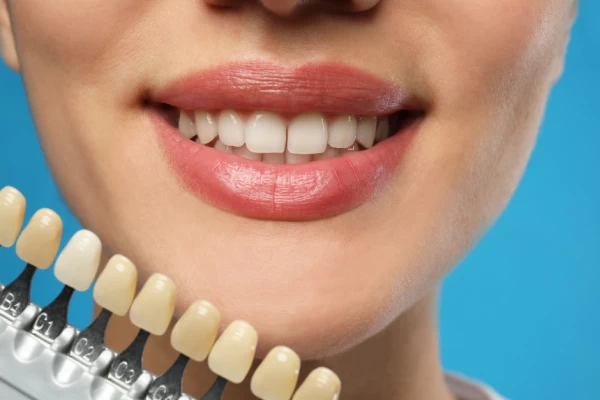
Porcelain veneers are thin shells. They are made of a porcelain material. They are designed to cover the front of your teeth. They can improve your smile. They can hide stains, chips, or gaps.

Process of Getting Porcelain Veneers

The process is simple. It requires two visits to the dentist. During the first visit, an Atlanta dentist will prepare your teeth and take impressions. The second visit involves applying the veneers. The dentist will make sure the veneers fit perfectly and then bond them securely to your teeth.

Benefits of Porcelain Veneers

There are many benefits. They can improve the color, size, and shape of your teeth. They are stain-resistant. They can last for many years. They require minimal tooth preparation.

Porcelain Veneers

Considerations When Getting Porcelain Veneers

There are a few things to consider. They are irreversible. Once they are placed, they cannot be removed. They can be expensive. They may not be covered by dental insurance. It is important to discuss these considerations with your dentist.

Porcelain Veneers vs. Other Cosmetic Dentistry Options

Type Procedure Advantages Disadvantages
Porcelain Veneers Two visits to the dentist Improve color, size, and shape of teeth; stain-resistant; long-lasting Irreversible; can be expensive
Teeth Whitening One visit to the dentist or at-home treatments Improves color of teeth; less expensive Not long-lasting; does not change size or shape of teeth
Dental Bonding One visit to the dentist Can improve color and shape of teeth; less expensive Not as long-lasting; not as stain-resistant

In conclusion, porcelain veneers are a popular choice in cosmetic dentistry. They can dramatically improve your smile. However, they are not the only option. It is important to discuss your options with your dentist. They can help you choose the best treatment for you.

Your smile is powerful. It affects how you feel and how others see you. Cosmetic dentistry offers more than a better appearance. It can also improve your oral health. A skilled dentist in Medford Oregon can guide you through options that strengthen your teeth and gums. This is not just about looks. Procedures can help prevent future issues. You will find treatments that suit your needs. Whether it’s whitening, straightening, or reshaping, each option can lead to a healthier mouth. Concerns about your teeth’s appearance often hide deeper issues. Addressing them leads to better overall health. A dentist gives you the tools to achieve this. Understanding the benefits of cosmetic dentistry means understanding the benefits to your well-being. It is about feeling good from the inside out. Consider taking steps today to transform your smile and health for the better. Your path to a brighter, healthier smile begins now.

Understanding Cosmetic Dentistry

Cosmetic dentistry focuses on improving the look of your smile while also enhancing oral health. You may think it’s purely aesthetic, but many treatments support dental function. Procedures like braces or aligners correct misaligned teeth, reducing wear and tear. When teeth fit together well, it prevents jaw pain and headaches. This is why more people turn to cosmetic dentistry for health benefits.

Benefits Beyond Beauty

Fixing your smile brings more than confidence. Straight teeth are easier to clean. This reduces the risk of cavities and gum disease. Whitening can enhance your smile and lift your spirits. A brighter smile often encourages better hygiene habits. Veneers protect vulnerable teeth and improve appearance. By addressing these issues, cosmetic dentistry boosts both beauty and health.

Common Procedures and Their Advantages

Here are common procedures and their health benefits:

  • Teeth Whitening: Removes stains and improves your smile. It encourages regular cleaning habits.
  • Braces or Aligners: Straighten teeth, improve bite, reduce jaw strain.
  • Veneers: Cover damaged teeth, improve strength, and protect against decay.
  • Bonding: Repairs minor damage, restores dental function.
  • Implants: Replace missing teeth, support jaw health, and improve function.

Choosing the Right Procedure

Each person’s needs are unique. A consultation with a dentist helps find what suits you best. They assess your dental health and recommend fitting treatments. Consider cost, recovery time, and personal goals. You want treatments that address your specific concerns.

Consult a Trusted Professional

Choosing a qualified dentist is crucial. A skilled professional ensures procedures are safe and effective. You should research options. Look for reviews and seek recommendations. A source like the American Dental Association offers guidelines and resources to help you make informed choices. Their insights can lead you to the right expert for your needs.

Comparing Procedures

Procedure Benefits Considerations
Whitening Enhances appearance and boosts confidence May cause sensitivity
Braces/Aligners Corrects alignment and improves bite Requires time and patience
Veneers Strengthens and protects teeth Permanent and costly
Bonding Repairs minor defects May need future touch-ups
Implants Replaces lost teeth and supports jaw Involves surgery

Long-Term Care

After treatment, routine care is essential. Regular check-ups and cleanings keep your smile healthy. Brushing and flossing remain vital. These habits help maintain results and prevent issues.

Building a Brighter Future

Starting cosmetic dentistry involves a commitment to better health. Each step you take towards improving your smile is a step towards enhancing your well-being. Your journey is about more than looks. It’s about feeling comfortable and healthy. You can choose to improve your life one smile at a time. Take this opportunity to benefit from both cosmetic and health improvements. Your smile’s transformation is within reach.