
Author

Anthony

Browsing

Chronic pain and swelling are common symptoms of many conditions, including arthritis, fibromyalgia, and autoimmune disorders. Inflammation is a key factor that contributes to these symptoms, and understanding the role of inflammation in chronic pain and swelling can help us better manage these conditions.

What is inflammation?

Inflammation is a natural process that occurs in response to injury, infection, or irritation. When tissues are damaged or infected, the body’s immune system responds by releasing chemicals that cause blood vessels to dilate, allowing immune cells to reach the affected area. This leads to redness, warmth, swelling, and pain.

While acute inflammation is a necessary part of the healing process, chronic inflammation can cause damage to tissues and organs over time. Chronic inflammation has been linked to a number of diseases, including heart disease, diabetes, and cancer.

The link between inflammation and chronic pain

Chronic pain is often associated with inflammation. Inflammatory chemicals such as cytokines and prostaglandins can sensitize nerve cells, making them more likely to fire in response to stimuli. This can lead to a condition known as hyperalgesia, where even mild stimuli can cause severe pain.

In addition to sensitizing nerve cells, inflammation can also cause structural changes in the nervous system. Chronic inflammation can lead to the formation of new neural pathways that perpetuate pain signals, even in the absence of ongoing tissue damage or inflammation.

The role of inflammation in swelling
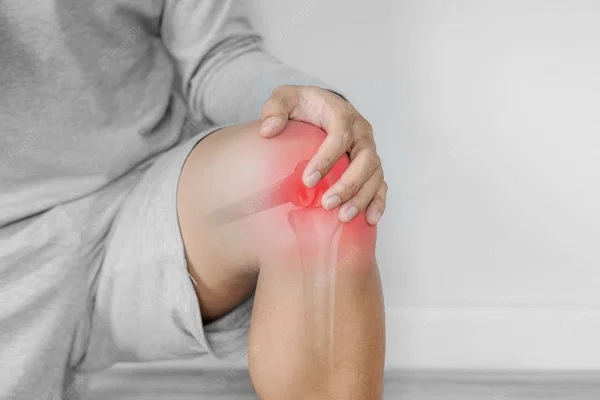
The role of inflammation in swelling

Swelling, or edema, is another common symptom of inflammation. Inflammatory chemicals cause blood vessels to become more permeable, allowing fluid to leak into the surrounding tissues. This can lead to swelling and discomfort.

Chronic inflammation can also cause fibrosis, or the formation of scar tissue, which can interfere with the normal functioning of organs and tissues. This can lead to further swelling and pain.

Managing chronic pain and swelling

There are several strategies for managing chronic pain and swelling associated with inflammation. Nonsteroidal anti-inflammatory drugs (NSAIDs) such as aspirin and ibuprofen can help reduce inflammation and pain, but they may have side effects such as stomach upset and increased risk of bleeding.

Other medications, such as corticosteroids and disease-modifying antirheumatic drugs (DMARDs), can also be effective in managing inflammation and reducing pain and swelling. However, these medications can have significant side effects and should be used under the guidance of a healthcare provider.

Lifestyle changes, such as exercise, weight management, and stress reduction, can also help manage chronic pain and swelling associated with inflammation. Physical therapy and alternative therapies such as acupuncture and massage may also be beneficial in reducing pain and improving function.

Inflammation plays a key role in chronic pain and swelling. Understanding the mechanisms of inflammation and how it contributes to these symptoms can help us develop more effective treatments for managing these conditions. By combining medication, lifestyle changes, and alternative therapies, we can help reduce pain and swelling and improve overall quality of life for those with chronic pain and swelling.
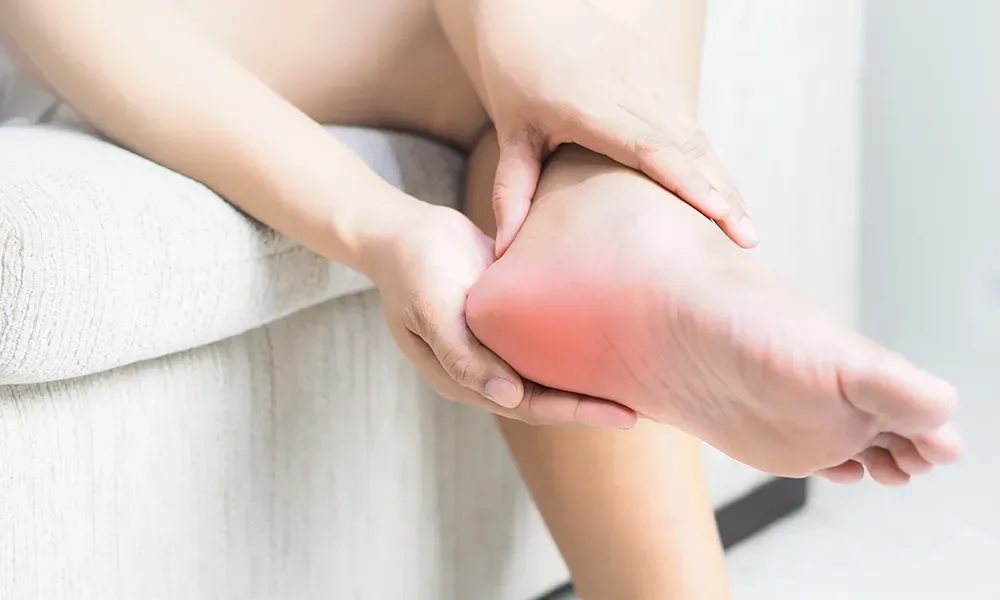
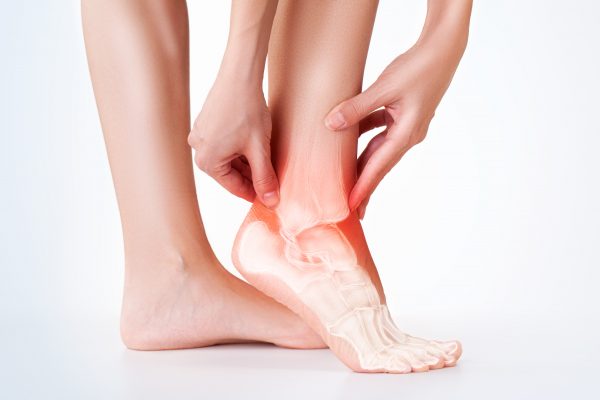
Inflammation is a natural response of the body’s immune system to protect itself from harmful stimuli. However, chronic inflammation is linked to various diseases, such as arthritis, diabetes, heart disease, and cancer. Diet plays a crucial role in regulating inflammation in the body. In this article, we will discuss the connection between diet and inflammation.

What is Inflammation?

Inflammation is the body’s immune system response to harmful stimuli, such as pathogens, damaged cells, or irritants. It is a natural process that helps the body to protect itself from infections and injuries. The symptoms of inflammation include redness, swelling, heat, and pain. Acute inflammation is a short-term response to harmful stimuli, while chronic inflammation is a long-term response that can lead to various diseases.

Role of Diet in Inflammation

Role of Diet in Inflammation

Diet plays a crucial role in regulating inflammation in the body. Certain foods can trigger inflammation, while others can reduce it. A diet rich in processed foods, sugar, and saturated fats can increase inflammation in the body. On the other hand, a diet rich in fruits, vegetables, whole grains, and healthy fats can reduce inflammation.

Foods that Trigger Inflammation

  • Sugar: Sugar is one of the main culprits of inflammation in the body. It can increase the production of inflammatory cytokines, leading to chronic inflammation.
  • Saturated fats: Saturated fats found in red meat, butter, and cheese can trigger inflammation in the body.
  • Processed foods: Processed foods, such as chips, cookies, and fast food, contain high amounts of sugar, salt, and unhealthy fats, which can increase inflammation in the body.
  • Trans fats: Trans fats found in fried foods, margarine, and processed snacks can increase the production of inflammatory cytokines.
  • Alcohol: Excessive alcohol consumption can increase inflammation in the body.

Foods that Reduce Inflammation

  • Fruits and vegetables: Fruits and vegetables are rich in antioxidants and anti-inflammatory compounds, which can reduce inflammation in the body.
  • Whole grains: Whole grains, such as brown rice and quinoa, are rich in fiber, vitamins, and minerals, which can reduce inflammation in the body.
  • Healthy fats: Healthy fats, such as omega-3 fatty acids found in fatty fish, nuts, and seeds, can reduce inflammation in the body.
  • Herbs and spices: Herbs and spices, such as turmeric, ginger, and garlic, have anti-inflammatory properties.
  • Green tea: Green tea is rich in antioxidants and anti-inflammatory compounds, which can reduce inflammation in the body.

Diet plays a crucial role in regulating inflammation in the body. A diet rich in processed foods, sugar, and saturated fats can increase inflammation, while a diet rich in fruits, vegetables, whole grains, and healthy fats can reduce inflammation. By making simple changes to your diet, you can reduce chronic inflammation in the body and improve your overall health.

Introduction

Pain and swelling are common symptoms that can be caused by various factors such as injuries, infections, and chronic conditions. While painkillers and anti-inflammatory drugs are often used to manage these symptoms, natural remedies can also be effective and have fewer side effects. In this article, we will discuss some natural remedies that can help alleviate pain and swelling.

1. Ice

Ice is a simple and effective remedy that can help reduce pain and swelling caused by injuries or inflammation. Applying ice to the affected area can help numb the pain, reduce inflammation, and promote healing. You can wrap ice cubes in a towel and apply it to the affected area for 10-15 minutes at a time, several times a day.

2. Heat

Heat can also be effective in reducing pain and swelling caused by muscle tension or stiffness. Applying heat to the affected area can help increase blood flow, relax muscles, and relieve pain. You can use a heating pad, warm towel, or take a warm bath to provide heat therapy.

3. Turmeric

Turmeric is a spice that has anti-inflammatory properties and can help reduce pain and swelling caused by chronic conditions such as arthritis. You can add turmeric to your food or take supplements to benefit from its anti-inflammatory effects.

4. Ginger

Ginger is another spice that has anti-inflammatory properties and can help reduce pain and swelling. You can add ginger to your food or drink ginger tea to benefit from its anti-inflammatory effects.

5. Epsom Salt

Epsom salt is a natural remedy that can help reduce pain and swelling caused by muscle tension or inflammation. You can add Epsom salt to your bathwater and soak in it for 20-30 minutes to benefit from its muscle-relaxing and anti-inflammatory effects.

6. Massage

Massage can also be effective in reducing pain and swelling caused by muscle tension or injury. You can use your hands or a massage tool to apply pressure to the affected area and promote blood flow, reduce inflammation, and relieve pain.

Pain and swelling can be uncomfortable and affect your quality of life. While painkillers and anti-inflammatory drugs are often used to manage these symptoms, natural remedies can also be effective and have fewer side effects. Ice, heat, turmeric, ginger, Epsom salt, and massage are some natural remedies that can help alleviate pain and swelling. However, if your symptoms persist or worsen, it is important to seek medical attention.

As the world becomes more conscious of the importance of sustainability, the beauty industry is taking notice. Many beauty companies are now adopting environmentally friendly practices and using sustainable products to reduce their impact on the planet. Sustainable beauty is not just a trend, it is a necessity to preserve our planet for future generations. Here are some tips on how to incorporate sustainable beauty practices into your daily routine.

Choose Sustainable Products

Choose Sustainable Products

  • Look for products that use natural, organic and sustainably sourced ingredients.
  • Choose products with biodegradable packaging or packaging made from recycled materials.
  • Choose products that are cruelty-free and have not been tested on animals.
  • Choose products that are made locally to reduce the carbon footprint of transportation.

Reduce Your Water Usage

Water is a precious resource, and it is important to conserve it whenever possible. Here are some tips to reduce your water usage:

  • Turn off the tap while brushing your teeth or washing your face.
  • Take shorter showers and use a water-saving showerhead.
  • Reuse your towels and washcloths instead of using a new one each time.

Reuse and Recycle

Reduce your waste by reusing and recycling your beauty products. Here are some tips:

  • Reuse glass jars to store your homemade beauty products.
  • Recycle your plastic bottles and packaging.
  • Donate products that you no longer use to a women’s shelter or a local charity.

Make Your Own Beauty Products

Making your own beauty products is not only fun, but it also allows you to control the ingredients you use, and reduce your waste. Here are some simple DIY beauty product recipes:

  • DIY Face Scrub: Mix together ½ cup of coconut oil, ¼ cup of brown sugar, and a few drops of essential oil of your choice. Use as a gentle exfoliator for your face.
  • DIY Lip Balm: Mix together 2 tablespoons of coconut oil, 2 tablespoons of beeswax, and a few drops of peppermint essential oil. Melt in a double boiler, pour into small containers and let cool.
  • DIY Body Butter: Melt ½ cup of shea butter, ½ cup of coconut oil, and ¼ cup of jojoba oil in a double boiler. Add a few drops of essential oil of your choice and let cool. Use as a moisturizer for your body.

Sustainable beauty is not just a trend, it is a necessity. By adopting environmentally friendly practices and using sustainable products, we can reduce our impact on the planet and preserve it for future generations. Choosing sustainable beauty products, reducing our water usage, reusing and recycling, and making our own beauty products are all simple ways to incorporate sustainable beauty practices into our daily routine.

When it comes to taking care of our skin and hair, there are a plethora of products available in the market. However, most of them contain synthetic ingredients that may cause more harm than good in the long run. This is where natural oils come in as a savior. Not only are they easily available, but they are also affordable and have numerous benefits for our skin and hair. In this article, we will discuss some of the wonders of natural oils in beauty care.

Moisturizing Properties

Moisturizing Properties

Natural oils are great moisturizers for our skin and hair. They penetrate deep into the skin and hair follicles, providing long-lasting hydration. They are particularly useful for people with dry skin and hair. Some of the best natural oils for moisturizing are coconut oil, olive oil, and jojoba oil.

Anti-Aging Properties

Natural oils are rich in antioxidants, which help fight free radicals that damage our skin and cause premature aging. They also stimulate collagen production, which makes our skin look plumper and more youthful. Some of the best natural oils for anti-aging are rosehip oil, argan oil, and avocado oil.

Acne-Fighting Properties

Natural oils are also effective in fighting acne. They have anti-inflammatory and antimicrobial properties that help reduce redness and inflammation while killing bacteria that cause acne. Tea tree oil, lavender oil, and neem oil are some of the best natural oils for acne-prone skin.

Makeup Remover

Natural oils are excellent makeup removers. They dissolve makeup, dirt, and impurities without stripping the skin of its natural oils. They are gentle and do not irritate the skin. Coconut oil, almond oil, and olive oil are some of the best natural oils for removing makeup.

Hair Care

Natural oils are not only beneficial for our skin but also for our hair. They nourish and condition our hair, making it soft and shiny. They also help repair damaged hair and prevent split ends. Some of the best natural oils for hair care are argan oil, coconut oil, and castor oil.

Natural oils are a simple yet effective way to take care of our skin and hair. They are natural, affordable, and have numerous benefits. Whether you have dry skin, acne-prone skin, or damaged hair, there is a natural oil that can help you. So, next time you are looking for a beauty product, consider using a natural oil instead.

Did you know that the bacteria in our gut can affect our mood and mental health? It may sound strange, but researchers have found that the microbiome, the community of microorganisms that live in our gut, plays a crucial role in regulating our brain function.

What is the microbiome?

The microbiome refers to the trillions of microorganisms, including bacteria, viruses, and fungi, that live inside our gut. These microorganisms perform essential functions, such as aiding in digestion, producing vitamins, and boosting our immune system. The microbiome is so crucial to our well-being that some scientists have called it a “second brain.”

How does the microbiome affect mental health?

How does the microbiome affect mental health

Recent studies have shown that the microbiome can affect our mood, behavior, and mental health. For example, researchers have found that people with depression and anxiety have different microbiome compositions than those without these conditions. This suggests that the microbiome plays a role in regulating our emotional state.

Scientists are still trying to understand how exactly the microbiome affects mental health, but there are a few theories. One is that the microbiome produces neurotransmitters, such as serotonin and dopamine, which are essential for regulating mood. Another is that the microbiome communicates with the brain through the vagus nerve, which runs from the gut to the brainstem and sends signals back and forth.

What can we do to improve our microbiome?

There are several things we can do to improve our microbiome and, in turn, our mental health. One is to eat a healthy and diverse diet that includes plenty of fiber-rich fruits and vegetables, which provide the microbiome with the nutrients it needs to thrive. Another is to avoid antibiotics unless necessary, as they can disrupt the microbiome. Finally, some people choose to take probiotics or eat fermented foods, such as yogurt and kefir, which contain beneficial bacteria that can improve the microbiome.

The gut-brain connection is a fascinating and complex topic that scientists are still trying to understand fully. However, it is clear that the microbiome plays a crucial role in regulating our brain function and emotional state. By taking care of our microbiome through diet and lifestyle choices, we can improve our mental health and overall well-being.

Have you ever heard of Blue Zones? These are regions around the world where people live the longest and healthiest lives. According to research done by Dan Buettner, author of “The Blue Zones: Lessons for Living Longer from the People Who’ve Lived the Longest,” there are five regions around the world that meet the criteria for being a Blue Zone:

  • Ikaria, Greece
  • Okinawa, Japan
  • Sardinia, Italy
  • Nicoya, Costa Rica
  • Loma Linda, California

So what are the secrets to living a long and healthy life in these regions? Let’s take a closer look.

Ikaria, Greece

Ikaria is a small island in Greece where people have an average life expectancy of 90 years. The people of Ikaria follow a Mediterranean diet that is rich in fruits, vegetables, whole grains, and olive oil. They also stay physically active by walking, gardening, and doing other daily tasks. Another interesting aspect of life in Ikaria is their relaxed and social lifestyle. They prioritize spending time with family and friends, taking naps, and enjoying life.

Okinawa, Japan

Okinawa is a Japanese island known for having the longest life expectancy in the world. The people of Okinawa follow a plant-based diet that is low in calories and high in nutrients. They also practice Hara Hachi Bu, which means eating until they are 80% full. This helps them avoid overeating and consuming too many calories. The people of Okinawa also stay active by doing daily tasks such as gardening, walking, and practicing martial arts.

Sardinia, Italy

Sardinia is a region in Italy where people have a high life expectancy and a low risk of chronic diseases. The people of Sardinia follow a traditional Mediterranean diet that is high in fruits, vegetables, whole grains, and olive oil. They also maintain close relationships with family and friends and prioritize socializing. The people of Sardinia also stay physically active by doing daily tasks and engaging in activities such as hiking and dancing.

Nicoya, Costa Rica

Nicoya is a region in Costa Rica where people have an average life expectancy of 90 years. The people of Nicoya follow a traditional Central American diet that is rich in beans, corn, and squash. They also stay physically active by doing daily tasks and engaging in activities such as dancing and playing sports. Another interesting aspect of life in Nicoya is their strong sense of community. They prioritize spending time with family and friends and helping each other out.

Loma Linda, California

Loma Linda is a city in California where a large population of Seventh-day Adventists live. The people of Loma Linda follow a vegetarian diet that is low in fat and high in fruits, vegetables, and whole grains. They also prioritize physical activity and engage in activities such as walking, hiking, and biking. Another interesting aspect of life in Loma Linda is their strong sense of community and faith. They prioritize spending time with family and friends and attending church.

The secrets to living a long and healthy life in Blue Zones are a combination of healthy eating habits, physical activity, socializing, and a strong sense of community. By adopting these habits in our own lives, we can increase our chances of living a long and healthy life.

The world of beauty care has undergone a revolution in recent years, with a growing focus on natural and science-backed products. One of the latest buzzwords in the industry is ‘skin microbiome,’ which refers to the diverse community of microorganisms that reside on our skin. These microorganisms play a crucial role in maintaining the health and beauty of our skin. In this article, we will explore the science of skin microbiome and its role in beauty care.

What is Skin Microbiome?

The skin microbiome refers to the complex ecosystem of microorganisms that live on our skin. These microorganisms include bacteria, fungi, viruses, and mites, among others. They are present on all areas of our skin, including our face, arms, legs, and torso. The skin microbiome is unique to each individual and can vary based on several factors, such as age, gender, diet, and lifestyle habits.

How Does Skin Microbiome Affect Skin Health?

How Does Skin Microbiome Affect Skin Health

The skin microbiome plays a critical role in maintaining the health and beauty of our skin. It helps to protect our skin from harmful environmental factors, such as UV radiation, pollution, and pathogens. The microorganisms on our skin also produce several beneficial compounds, such as antimicrobial peptides and fatty acids, which help to maintain the skin’s pH balance and prevent the growth of harmful bacteria.

However, an imbalance in the skin microbiome can lead to several skin problems, such as acne, eczema, and rosacea. This imbalance can be caused by several factors, such as the use of harsh skincare products, antibiotics, and a poor diet. Therefore, it is essential to maintain a healthy skin microbiome to promote healthy and beautiful skin.

How Can You Maintain a Healthy Skin Microbiome?

There are several ways to maintain a healthy skin microbiome:

  • Use gentle and natural skincare products that do not disrupt the skin’s natural pH balance.
  • Avoid using antibacterial soaps and harsh chemicals on your skin.
  • Eat a healthy and balanced diet that is rich in prebiotics and probiotics, which can promote the growth of beneficial microorganisms on your skin.
  • Avoid over-cleansing your skin, as this can disrupt the skin’s natural oils and lead to an imbalanced microbiome.

The Future of Beauty Care: Skin Microbiome-based Products

The importance of skin microbiome in maintaining skin health has led to the development of several skincare products that are designed to promote a healthy microbiome. These products contain prebiotics and probiotics, which help to nourish and support the growth of beneficial microorganisms on your skin.

Some of the latest skincare products that are based on skin microbiome science include:

  • Probiotic face masks and cleansers
  • Prebiotic serums and moisturizers
  • Bacterial balancing toners and mists

These products are designed to promote a healthy and balanced skin microbiome, which can result in healthy and beautiful skin.

The science of skin microbiome has shed new light on the importance of maintaining a healthy and balanced microbiome for healthy and beautiful skin. By using gentle and natural skincare products, eating a healthy diet, and avoiding harsh chemicals, you can promote a healthy skin microbiome. Additionally, the development of microbiome-based skincare products offers an exciting new avenue for promoting healthy and beautiful skin.

Are you someone who is always on-the-go and finds it difficult to make time for exercise? Do you want to get fit and healthy but are unable to commit to long gym sessions? If yes, then High-Intensity Interval Training (HIIT) is the perfect workout for you.

HIIT workouts are designed to burn fat and improve cardiovascular health through short, intense bursts of exercise. They can be done anywhere, anytime, and require minimum equipment. In this article, we’ll take a closer look at HIIT workouts for busy professionals and how you can incorporate them into your daily routine.

The Benefits of HIIT Workouts for Busy Professionals

Benefits of HIIT Workouts

HIIT workouts offer numerous benefits for busy professionals who want to stay fit and healthy:

  • Save Time: HIIT workouts are short and intense, typically lasting between 20-30 minutes. This means that you can get a full-body workout in a fraction of the time it takes for traditional workouts.
  • Burn Fat: HIIT workouts are designed to maximize calorie burn and fat loss. They involve short bursts of high-intensity exercise followed by periods of rest, which keeps your heart rate elevated and your metabolism firing.
  • Improve Cardiovascular Health: HIIT workouts improve cardiovascular health by increasing your heart rate and oxygen consumption. This leads to improved endurance, stamina, and overall fitness.
  • No Equipment Necessary: HIIT workouts can be done with minimal equipment, making them perfect for busy professionals who don’t have access to a gym or who travel frequently.

How to Incorporate HIIT Workouts into Your Busy Schedule

Now that you know the benefits of HIIT workouts, let’s take a look at how you can incorporate them into your busy schedule:

  • Make a Plan: Decide on the days and times that you will do your HIIT workouts. This will help you stay consistent and make it easier to fit exercise into your schedule.
  • Choose a Location: HIIT workouts can be done anywhere – at home, in a park, or in a hotel room. Choose a location that is convenient for you and make sure you have enough space to move around.
  • Pick Your Workout: There are numerous HIIT workouts available online, ranging from beginner to advanced. Choose a workout that suits your fitness level and goals.
  • Find an Accountability Partner: Having someone to hold you accountable can help you stay motivated and committed to your workouts. Find a friend or family member who is also interested in getting fit and make a plan to exercise together.
  • Track Your Progress: Keeping track of your progress can help you stay motivated and see the results of your hard work. Use a fitness app or journal to track your workouts, weight, and measurements.

Sample HIIT Workout for Busy Professionals

If you’re new to HIIT workouts, here’s a sample workout that you can try:

  • Warm-up: 5 minutes of light cardio, such as jumping jacks or jogging in place.
  • Workout: 20 seconds of high-intensity exercise (such as burpees or mountain climbers), followed by 10 seconds of rest. Repeat for 8 rounds (4 minutes total).
  • Cool-down: 5 minutes of stretching and deep breathing.

Remember to start slow and gradually increase the intensity and duration of your workouts as your fitness level improves.

HIIT workouts are the perfect solution for busy professionals who want to stay fit and healthy. They offer numerous benefits, including saving time, burning fat, and improving cardiovascular health. By making a plan, choosing a location, and finding an accountability partner, you can easily incorporate HIIT workouts into your busy schedule. So, what are you waiting for? Start your HIIT journey today and see the amazing results for yourself!

Stress is a common problem that affects millions of people worldwide. Whether it’s due to work, relationships, or other life events, stress can have a significant impact on our mental and physical health. Fortunately, there are many ways to manage stress, and one of the most effective is through self-hypnosis.

What is Self-Hypnosis?

Self-hypnosis is a technique that involves inducing a state of deep relaxation and focused concentration to achieve a specific goal. It’s a form of meditation that uses suggestions and imagery to help you achieve a desired outcome. Self-hypnosis can be used for a wide range of purposes, including stress relief, anxiety reduction, pain management, and more.

How Does Self-Hypnosis Work?

Self-hypnosis works by accessing the subconscious mind, which is the part of the mind that controls our thoughts, emotions, and behaviors. By using suggestions and imagery, self-hypnosis can help reprogram the subconscious mind to think and act in a more positive way.

The Benefits of Self-Hypnosis for Stress Relief

Benefits of Self-Hypnosis for Stress Relief

Self-hypnosis is a powerful tool for managing stress. Here are some of the benefits of using self-hypnosis for stress relief:

  • Reduces anxiety and tension
  • Improves sleep quality
  • Boosts immune system function
  • Increases feelings of relaxation and well-being
  • Decreases blood pressure and heart rate

How to Practice Self-Hypnosis for Stress Relief

Here’s a step-by-step guide to practicing self-hypnosis for stress relief:

  1. Find a quiet, comfortable place where you won’t be disturbed.
  2. Sit or lie down in a comfortable position.
  3. Close your eyes and take a few deep breaths.
  4. Visualize a peaceful, relaxing scene, such as a beach or a forest.
  5. Repeat a positive affirmation to yourself, such as “I am calm and relaxed.”
  6. Focus on your breathing and allow yourself to enter a state of deep relaxation.
  7. Visualize yourself letting go of any stress or tension you may be feeling.
  8. When you’re ready to end your self-hypnosis session, count backward from five and slowly open your eyes.

Self-hypnosis is a powerful tool for managing stress and improving overall well-being. By following the steps outlined in this comprehensive guide, you can learn to use self-hypnosis to achieve a state of deep relaxation and reduce stress in your life.