Author

Anthony

Browsing

Men dealing with sexual health changes often arrive at a doctor’s office with a self-diagnosis of one or the other, and a surprising number have it partially or entirely wrong. Low testosterone and erectile dysfunction are related conditions that can coexist, overlap, and influence each other, but they are not the same thing and they do not always respond to the same treatment. Getting that distinction right is the foundation of effective care. At Lazare Urology in Brooklyn, the evaluation of men with sexual health concerns begins with a diagnostic process specifically designed to sort out which problem is actually driving the symptoms, because treating the wrong one produces predictably disappointing results.

What Low Testosterone Actually Does to the Body

Testosterone is produced primarily in the Leydig cells of the testes under stimulation from luteinizing hormone (LH), which is released by the pituitary gland in response to gonadotropin-releasing hormone (GnRH) from the hypothalamus. This hypothalamic-pituitary-gonadal axis regulates testosterone levels within a range, and disruption at any point along it can result in hypogonadism.

The symptoms of low testosterone are genuinely broad, which is partly why the condition is both underdiagnosed in men who have it and overdiagnosed in men who seek treatment based on a single complaint. The classic picture involves reduced libido, fatigue that is disproportionate to sleep and activity levels, depressed mood, difficulty concentrating, reduced muscle mass and strength despite consistent training, increased body fat particularly around the abdomen, and reduced morning erections. Bone density loss occurs with prolonged hypogonadism, which has long-term consequences that extend well beyond sexual health.

What low testosterone does not reliably do on its own is cause the inability to achieve or maintain an erection with adequate stimulation. This is the most commonly misunderstood point in the low-T conversation. Testosterone contributes to libido and to the overall responsiveness of erectile tissue, but the vascular and neurological mechanisms that produce an erection can function independently of testosterone levels within a fairly wide range. A man can have significantly low testosterone and still have normal erectile function. He can also have normal testosterone and significant erectile dysfunction. The conditions interact but are not synonymous.

What Erectile Dysfunction Is and Is Not

Erectile dysfunction is defined as the consistent or recurrent inability to achieve or maintain an erection sufficient for satisfactory sexual activity. The key word is consistent. Occasional difficulty related to stress, fatigue, alcohol consumption, or a specific situation is common and does not constitute ED in the clinical sense. The diagnosis applies when the problem is persistent and is causing meaningful distress.

The mechanism of erection depends on the release of nitric oxide in the penile endothelium following sexual stimulation, which triggers smooth muscle relaxation in the corpora cavernosa and allows blood to fill the erectile chambers. Conditions that impair vascular endothelial function, including hypertension, atherosclerosis, diabetes, dyslipidemia, and smoking, are the leading physiological causes of ED in men over 40. Neurological conditions, pelvic surgery, pelvic radiation, and certain medications are additional contributors. Psychological factors including performance anxiety, depression, and relationship stress operate through a different mechanism but produce the same outcome.

The distinction between psychogenic and vasculogenic ED is clinically relevant and can often be inferred from the pattern of symptoms. A man who reports consistent morning erections and the ability to achieve erection with self-stimulation but cannot maintain one with a partner is describing a predominantly psychological picture. A man who has lost morning erections entirely, cannot achieve erection in any context, and has cardiovascular risk factors is describing a vascular picture. These are not rigid categories, and many men fall somewhere in between, but the pattern guides the workup.

The Diagnostic Process: What Testing Actually Tells You

Accurate diagnosis requires blood testing, and blood testing requires knowing what to measure and when. Testosterone levels follow a diurnal pattern, peaking in the early morning and declining through the afternoon. A testosterone level drawn at 2 PM can be meaningfully lower than one drawn at 8 AM from the same man on the same day. For this reason, testing should be done in the morning, ideally before 10 AM, and a low result should be confirmed with a second morning sample before a diagnosis of hypogonadism is made.

Total testosterone is the standard initial measure. The normal range used by most laboratories is approximately 300 to 1,000 nanograms per deciliter, though the threshold for treatment is not a single number and depends on the presence of symptoms. A man with a total testosterone of 280 ng/dL and no symptoms attributable to low T is a different clinical situation from a man with 280 ng/dL and significant fatigue, low libido, and depressed mood.

Free testosterone, the portion not bound to sex hormone-binding globulin (SHBG) or albumin and therefore biologically active, adds useful information when total testosterone is borderline. Men with elevated SHBG, which is common with aging and liver disease, can have low free testosterone despite a total testosterone that appears adequate. Measuring SHBG alongside total testosterone identifies these cases.

LH and FSH levels indicate where in the axis the problem is originating. Elevated LH with low testosterone suggests primary hypogonadism, meaning the testes are not responding adequately to pituitary stimulation. Low or inappropriately normal LH with low testosterone suggests secondary hypogonadism, originating at the pituitary or hypothalamus. That distinction matters for treatment, because secondary hypogonadism in a man who wants to preserve fertility is typically not treated with exogenous testosterone, which suppresses LH and shuts down testicular function.

Prolactin should be measured when secondary hypogonadism is identified, because an elevated prolactin level can indicate a pituitary adenoma, a treatable underlying cause that needs to be addressed regardless of the testosterone level.

Penile Doppler Ultrasound: When Vascular Assessment Changes the Plan

For men whose ED has not responded to oral PDE5 inhibitor therapy, a penile Doppler ultrasound provides a direct assessment of penile arterial inflow and venous outflow. The study is performed after intracavernosal injection of a vasoactive agent to stimulate erection under controlled conditions. Peak systolic velocity in the cavernosal arteries below 25 cm/second indicates significant arterial insufficiency. Elevated end-diastolic velocity suggests venous leak, a condition in which blood exits the corpora cavernosa too quickly to maintain rigidity. Both findings have treatment implications and explain why a man may not respond to medications that depend on adequate vascular function in the first place.

Why Treatment Differs Depending on the Diagnosis

Testosterone replacement therapy, delivered through injections, topical gels, transdermal patches, or long-acting pellets, addresses the hormonal deficiency of hypogonadism. It reliably improves libido, energy, mood, and body composition in men who are genuinely testosterone deficient. Its effect on erectile function is more variable. Some men with low T and ED see significant improvement in erections with testosterone replacement alone. Others see improved libido but minimal improvement in erectile function, because their ED is primarily vascular and testosterone normalization does not repair endothelial dysfunction.

For men who want to preserve fertility, testosterone replacement is not appropriate because exogenous testosterone suppresses the hypothalamic-pituitary-gonadal axis and reduces sperm production, often to zero. Alternatives include clomiphene citrate, a selective estrogen receptor modulator that stimulates endogenous LH secretion, and human chorionic gonadotropin (hCG), which mimics LH and stimulates testicular testosterone production directly. Both approaches maintain or restore testicular function while raising testosterone levels.

ED driven primarily by vascular insufficiency is treated along the stepwise progression outlined in most urological guidelines: lifestyle modification, PDE5 inhibitors as first-line pharmacotherapy, penile self-injection therapy with vasoactive agents as second-line, and penile implant surgery for men who have not achieved adequate results with less invasive options. Testosterone replacement added to this pathway improves outcomes in men who are both testosterone deficient and using PDE5 inhibitors, because adequate testosterone potentiates the response to these medications.

The clinical mistake to avoid is treating a vascular ED diagnosis with testosterone alone, or treating a testosterone deficiency with a PDE5 inhibitor alone, when both conditions are present. A thorough diagnostic evaluation identifies both problems when they coexist and allows a treatment plan that addresses both simultaneously.

Getting the Right Diagnosis at Lazare Urology in Brooklyn

The evaluation for sexual health concerns at Lazare Urology is not a single-visit testosterone check. It is a systematic diagnostic process that assesses the hormonal, vascular, and psychological contributors to whatever a patient is experiencing, with testing calibrated to answer the right questions for that individual’s symptom pattern and health history.

Dr. Jon Lazare works with patients across the full range of presentations: men who are clearly testosterone deficient and need a treatment that preserves fertility, men with vascular ED who have been unsuccessfully self-medicating with over-the-counter supplements, and men with genuinely mixed pictures that require addressing more than one underlying problem. The treatment plan reflects what the evaluation actually shows, not a default protocol.

If you have been experiencing symptoms that might involve low testosterone, erectile dysfunction, or both, and you want a clear diagnostic picture rather than a guess, contact Lazare Urology today to schedule a consultation. The right treatment starts with knowing which problem you are actually treating.


As a loved one gets older, families often begin looking for practical ways to offer support without disrupting daily life more than necessary. Not every senior needs full-time assistance, but many can benefit from regular help a few hours at a time. That is where hourly senior home care can be a strong option.

Hourly care gives families flexibility while helping older adults remain in familiar surroundings. It can provide support with everyday tasks, companionship, reminders, and supervision without requiring a more intensive care arrangement. For families who want reassurance that a parent or relative has help when needed, this type of care can bring meaningful peace of mind. Here are eight benefits of hourly senior home care for families trying to find the right balance.

1. It provides support without changing everything at once

One of the biggest advantages of hourly home care is that it allows families to add help gradually. A senior may not need live-in support or round-the-clock care, but they may still struggle with certain parts of the day. A few hours of care in the morning, afternoon, or evening can make a meaningful difference without forcing a major lifestyle change.

This approach is often less overwhelming for both seniors and their families. It introduces support in a manageable way and can help everyone adjust more comfortably to changing needs.

2. It helps seniors stay in their own homes longer

Many older adults strongly prefer to remain at home rather than move into a new setting. Home is where routines feel familiar, belongings are close by, and daily life feels more comfortable. Hourly care can make that possible for longer by filling in the gaps where support is needed.

Whether the help involves meal preparation, mobility assistance, light housekeeping, or companionship, having someone come into the home on a regular basis can reduce the challenges that make living alone harder. For families searching for at-home care near me, this is often one of the main reasons hourly support feels appealing. It allows seniors to maintain a sense of familiarity and independence while still receiving needed assistance.

3. It offers families reassurance during the day

Worry is one of the biggest burdens families carry when an older loved one is living alone. Adult children may spend the workday wondering whether a parent ate lunch, remembered medication, got up safely, or is feeling isolated. Even when a senior seems mostly independent, those concerns can linger in the background.

Hourly care can reduce that stress by creating regular check-ins and dependable support windows. Knowing someone is there to help with meals, safety, or daily routines can make families feel less like they have to monitor every detail on their own.

4. It can be tailored to the senior’s actual routine

Another major benefit is flexibility. Hourly care can often be arranged around the times of day when help is most useful. Some seniors need support getting ready in the morning. Others may need meal help in the afternoon, transportation to appointments, or evening companionship.

This makes hourly care different from a one-size-fits-all arrangement. Families can focus support where it has the greatest impact rather than paying for more care than is currently necessary. That customized structure often makes it easier to respond to real needs in a practical and sustainable way.

5. It supports both physical and emotional well-being

People often think of home care only in terms of physical tasks, but emotional support matters too. A senior who spends long stretches alone may begin to feel isolated, less motivated, or less engaged in daily life. Even when physical needs are relatively light, companionship can still be incredibly valuable.

Hourly care can provide social interaction, conversation, encouragement, and a more predictable rhythm to the day. That human connection can help improve mood and create a greater sense of comfort, especially for seniors who do not get frequent visits from friends or relatives.

6. It can reduce the pressure on family caregivers

Many families do their best to help a loved one on their own, but even a modest care routine can become difficult to sustain. A son or daughter may be balancing work, parenting, errands, and constant calls or visits to check on an aging parent. Over time, this can become exhausting.

Hourly home care can ease some of that pressure by sharing the load. Families do not have to do everything themselves, and they do not have to wait until burnout sets in before accepting help. Even a few hours of weekly support can create more breathing room and make caregiving feel more manageable.

7. It can help identify when needs are changing

Care needs are not always static. A senior who only needs light assistance today may need more help a few months from now. One useful aspect of hourly care is that it can make those shifts easier to notice.

As regular support becomes part of the routine, families often gain a clearer sense of what is working and where new concerns may be developing. Maybe mobility is becoming more difficult. Maybe meal preparation is no longer enough and medication reminders are now needed too. Starting with hourly care can make it easier to adjust gradually instead of reacting only after a major issue arises.

8. It creates peace of mind without overcommitting

For many families, hourly home care feels like the right middle ground. It offers meaningful support, regular presence, and practical help without moving too quickly into a more intensive arrangement. That balance is often what creates the greatest peace of mind.

Families can know their loved one is getting help with important daily tasks, while seniors can continue living with a strong sense of normalcy. This can make hourly care especially appealing for households that want support now but are not yet at the stage where full-time care is needed.

Hourly senior home care can be a valuable option for families who want more peace of mind without making a drastic change too soon. It supports older adults where they are, helps families worry less, and creates a more manageable rhythm for everyday life. When the goal is to provide thoughtful support while preserving comfort and independence, hourly care is often a practical place to start.

Vision plays a vital role in how the body moves, reacts, and performs during physical activity. While strength and endurance are often the focus of fitness, eyesight quietly guides balance, coordination, and control. Clear vision helps the brain process movement, judge distance, and respond to changes in the environment.

When vision is compromised, workouts can feel harder and less effective. Poor eyesight can affect posture, reaction time, and confidence during exercise. Understanding the link between vision and physical performance helps people train more safely and achieve better results over time.

Vision and Balance During Movement

Vision and balance work together to keep the body stable. The eyes send constant information to the brain about position, speed, and direction. This information helps the body stay upright during walking, running, or lifting weights.

When vision is unclear, balance can suffer. Small errors in depth perception or focus may lead to instability, especially during dynamic movements. This increases the risk of falls or improper form. Clear vision supports smoother motion and better body awareness during exercise.

Strong visual input allows athletes and active individuals to move with confidence and precision. Balance improves when the eyes and body work in sync.

Eyesight and Coordination in Workouts

Eyesight and coordination are essential for controlled movement. Exercises that involve timing, accuracy, or quick direction changes depend heavily on visual input. Activities like circuit training, sports drills, or group fitness classes require fast visual processing.

Poor eyesight can delay reaction time and disrupt rhythm. This may lead to missed steps, incorrect positioning, or reduced performance. Clear vision allows the brain to coordinate muscles more efficiently, improving fluidity and control.

Many active individuals explore vision correction for active lifestyles to maintain sharp eyesight during training. Improved clarity supports better coordination and enhances overall workout quality.

Fitness Performance Vision and Focus

Fitness performance vision is about more than seeing clearly. It involves tracking movement, maintaining focus, and responding to visual cues. Clear eyesight helps individuals stay engaged during workouts and adjust form as needed.

Visual clarity supports motivation and confidence. When exercises feel stable and controlled, people are more likely to push themselves safely. This leads to better consistency and long-term progress.

Clear vision also reduces mental strain. When the eyes do not struggle to focus, the brain can concentrate on breathing, technique, and endurance instead of compensating for visual issues.

Laser Eye Surgery Benefits for Active People

Laser eye surgery benefits many people who lead active lives. Glasses and contact lenses can limit movement or cause discomfort during workouts. Vision correction procedures offer greater freedom and reliability.

With improved eyesight, individuals experience better depth perception and faster reaction times. This supports safer training and improved performance across many types of exercise.

Some people choose advanced laser eye surgery to achieve long-term visual clarity. Professional evaluation ensures the procedure matches fitness goals and lifestyle needs.

Visual Awareness and Injury Prevention

Clear vision plays a key role in injury prevention. Being able to see obstacles, equipment, and body position reduces the risk of accidents. This is especially important in busy gyms or outdoor environments.

Visual awareness helps individuals maintain proper form and avoid sudden missteps. It also improves awareness of surroundings during group workouts or sports. Clear eyesight supports safe training habits and long-term physical health.

Maintaining strong vision allows people to train confidently without unnecessary risk.

Daily Habits That Support Visual Performance

Daily habits support vision and physical performance together. Adequate sleep helps the eyes recover from strain. Proper hydration maintains tear balance and reduces dryness.

Limiting excessive screen time and using proper lighting reduce fatigue. Wearing protective eyewear outdoors prevents UV-related damage. Balanced nutrition provides nutrients that support eye health and focus.

These habits complement professional care and help preserve visual clarity for both daily life and workouts.

Long-Term Impact of Clear Vision on Fitness

Clear vision supports long-term fitness goals. It improves confidence, consistency, and safety during training. Individuals with strong eyesight are more likely to stay active and enjoy a wide range of physical activities.

Maintaining visual health also supports aging well. As balance and coordination naturally change over time, clear vision helps offset these changes. Strong eyesight allows people to remain active and independent longer.

Vision care is an important part of a sustainable fitness routine.

Conclusion

Vision has a direct impact on balance, coordination, and workout performance. Clear eyesight supports stable movement, accurate coordination, and stronger focus during exercise. It also reduces injury risk and improves confidence.

Options such as vision correction for active lifestyles and advanced laser eye surgery help individuals maintain visual clarity and freedom during physical activity.

By prioritizing eye health alongside fitness training, people can move better, train smarter, and achieve long-term performance goals with greater safety and confidence.

A sore throat can come out of nowhere—one minute it’s a scratchy feeling, the next it’s painful to swallow, talk, or even rest. When symptoms hit hard and fast, waiting days for answers isn’t just inconvenient—it’s stressful. That’s why NovaHealth Urgent Care offers same-day Strep Throat Testing with on-site lab results, so you can get clarity and care without the long wait.

Strep throat is caused by a bacterial infection and often comes with symptoms like throat pain, fever, swollen lymph nodes, and white patches on the tonsils. Because these symptoms can overlap with viral illnesses, accurate testing is essential. At NovaHealth Urgent Care, our Strep Throat Testing is performed right at the clinic, allowing our medical team to confirm a diagnosis quickly and begin treatment the same day if needed.

What makes on-site lab testing so valuable is speed. Instead of sending samples to an outside lab and waiting for results, NovaHealth’s in-house process helps reduce uncertainty and get patients back on the road to recovery faster. For parents with sick children, busy professionals, or anyone feeling miserable from throat pain, that peace of mind matters.

Beyond fast results, NovaHealth Urgent Care focuses on compassionate, patient-centered care. Our providers take the time to listen, explain results clearly, and recommend the right treatment plan—whether that includes antibiotics, symptom relief, or follow-up guidance.

If you or a family member are dealing with sudden throat pain and suspect strep, don’t delay care. Same-day Strep Throat Testing at NovaHealth Urgent Care helps you get answers, treatment, and relief—all in one visit.

This post was written by a professional at NovaHealth Urgent Care of Southfield. At NovaHealth Urgent Care of Southfield, our mission is to make patients feel valued and well cared for. We provide convenient, quality, and care for non-life-threatening illnesses and injuries. Our certified providers offer best-in-class Medical clinic Southfield MI in clean, modern facilities. Located at W 10 Mile Rd. & Beech Rd., we are open 365 days a year: Monday – Friday, 8:00 am – 12:00 am, and Saturday, 8:00 am – 6:00 pm. NovaHealth proudly serves Southfield City, Southfield, Farmington Hills, Franklin, Beverly Hills, Farmington, Detroit, and more. Whether you need treatment for a minor injury, illness, or routine health service, we are here to help. Connect with us today!

Ever wake up feeling puffy and bloated, even though you ate clean the day before? Or notice that your weight loss efforts seem to stall no matter how disciplined you are during the day?

Here’s something most people don’t realize: what you do at night matters just as much as your daytime routine when it comes to metabolism and body composition. Your body doesn’t shut down when you sleep-it’s actually doing some of its most important metabolic work.

Let’s talk about building a nighttime routine that supports your metabolism while you rest, so you wake up feeling leaner and more energized.

Why Nighttime Metabolism Matters

Your body burns calories 24/7, even while you’re sleeping. In fact, your basal metabolic rate (the calories you burn just existing) accounts for about 60-75% of your total daily energy expenditure.

What happens at night:

  • Your body repairs muscle tissue from the day’s activities
  • Growth hormone peaks during deep sleep, supporting fat metabolism
  • Cortisol (stress hormone) should naturally drop, allowing fat burning to occur
  • Your digestive system processes the day’s food intake
  • Cellular repair and detoxification processes ramp up

The problem? Late-night eating, poor sleep quality, elevated cortisol, and nutrient deficiencies can all sabotage these natural processes. That’s where a strategic nighttime routine comes in.

The Late-Night Craving Problem

Let’s be honest-those 9 PM cravings are real. You’ve been good all day, and suddenly you’re standing in front of the fridge looking for something (anything) to satisfy that urge.

Why this happens:

  • Blood sugar crashes from inadequate daytime nutrition
  • Stress eating as a way to decompress from the day
  • Habit patterns (snacking while watching TV)
  • Genuine hunger from undereating during the day
  • Hormonal imbalances affecting appetite regulation

Breaking this cycle is crucial because late-night eating, especially carbs and sugar, spikes insulin right when your body should be burning fat. This is where targeted nighttime support can make a real difference.

Night Burn Extreme combines six ingredients including Melatonin and Ashwagandha to help manage cravings while supporting your body’s natural nighttime metabolic processes-an approach that can complement a smarter body recomposition plan (see what you need to know about gaining muscle while losing fat).

Building Your Night Burn Routine

Here’s a practical approach to optimizing your nighttime metabolism without complicated protocols or restrictive rules.

2-3 Hours Before Bed:

  • Finish your last meal (protein + vegetables work best)
  • Avoid heavy carbs that spike blood sugar before sleep
  • Stay hydrated but don’t overdo it (you don’t want to wake up for bathroom trips)
  • Consider a light walk to aid digestion

1 Hour Before Bed:

  • Take your nighttime metabolism support supplement
  • Dim the lights to support natural melatonin production
  • Avoid screens (blue light disrupts sleep hormones)
  • Do some light stretching or gentle movement

Bedtime:

  • Keep your room cool (65-68°F is ideal for fat burning)
  • Ensure complete darkness (even small light sources affect sleep quality)
  • Stick to a consistent sleep schedule
  • Aim for 7-9 hours of quality sleep

Key Ingredients That Support Nighttime Metabolism

Not all nighttime supplements are created equal. Here’s what actually works based on research:

Melatonin:

  • Regulates your sleep-wake cycle for deeper, more restorative sleep
  • Better sleep = better hormone balance = better fat metabolism
  • Helps reduce cortisol levels that can interfere with fat burning

Ashwagandha:

  • Adaptogenic herb that helps manage stress and cortisol
  • Lower nighttime cortisol supports fat burning during sleep
  • May help reduce stress-related cravings and emotional eating

Metabolism-Supporting Compounds:

  • Green tea extract for gentle thermogenic support
  • CLA (Conjugated Linoleic Acid) to support fat metabolism
  • L-Carnitine to help transport fatty acids for energy

What to Expect Week by Week

Setting realistic expectations helps you stay consistent. Here’s the typical progression:

Week 1:

  • Better sleep quality (falling asleep faster, fewer wake-ups)
  • Reduced late-night cravings
  • Less morning puffiness
  • More stable energy upon waking

Week 2-3:

  • Noticeably leaner feeling in the morning
  • Clothes fitting slightly better
  • More consistent energy throughout the day
  • Reduced stress eating patterns

Week 4+:

  • Visible changes in body composition
  • Sustained improvements in sleep quality
  • Better appetite regulation during the day
  • Overall feeling of metabolic efficiency

Remember: supplements work best when combined with proper nutrition and exercise. There’s no magic pill that compensates for consistently overeating or completely sedentary lifestyle.

Common Mistakes That Sabotage Nighttime Metabolism

Even with the right supplements, these habits can undermine your progress:

Eating too close to bedtime:

  • Your body should be burning fat, not digesting food
  • Late meals spike insulin when it should be low
  • Disrupts sleep quality and hormone balance

Inconsistent sleep schedule:

  • Going to bed at different times confuses your circadian rhythm
  • Irregular sleep patterns disrupt metabolic hormones
  • Weekend “catch-up sleep” doesn’t fully compensate

Alcohol before bed:

  • Disrupts deep sleep stages where growth hormone peaks
  • Impairs fat metabolism throughout the night
  • Causes dehydration and morning bloating

Stress and screen time:

  • Blue light suppresses melatonin production
  • Stress keeps cortisol elevated (anti-fat burning)
  • Mental stimulation makes it harder to fall asleep

Supporting Your Results During the Day

Your nighttime routine works better when supported by smart daytime habits:

Nutrition basics:

  • Eat adequate protein throughout the day (prevents nighttime hunger)
  • Don’t severely restrict calories (leads to evening binges)
  • Stay hydrated (often thirst is mistaken for hunger)

Movement matters:

  • Get 7,000-10,000 steps daily
  • Include resistance training (builds metabolic muscle)
  • Don’t overdo cardio (can increase cortisol)
  • Stay active but don’t exhaust yourself

Stress management:

  • Practice stress-reduction techniques
  • Take breaks during the day
  • Don’t rely on food for stress relief
  • Address underlying anxiety or emotional eating patterns

The Bottom Line

Your nighttime routine is an untapped opportunity for metabolic support. While you sleep, your body should be burning fat, repairing tissue, and balancing hormones-but only if you create the right environment.

A strategic approach combining quality sleep, targeted supplementation, and smart evening habits can help you wake up feeling leaner, more energized, and ready to tackle the day. It’s not about perfection-it’s about consistency and giving your body what it needs to do its natural metabolic work.

Ready to optimize your nighttime metabolism? Start with the basics: better sleep, managed stress, and strategic support. When you explore balanced living strategies that work with your body’s natural rhythms, you’re setting yourself up for sustainable results that go beyond just the number on the scale.

Meta Learn how breasts are created using your own tissue through autologous reconstruction, including the procedure, benefits, recovery, and candidacy.

How Is a Breast Created Using Your Own Tissue?

A detailed look at autologous breast creation and how natural reconstruction is performed

Breast reconstruction does not always require implants. For many patients, it is possible to create a breast using their own living tissue, producing results that look, feel, and move more naturally over time.

This approach, known as autologous breast reconstruction, uses skin, fat, and sometimes muscle from another part of the body to rebuild the breast after mastectomy or trauma.

At The Aesthetics Centers in Newport Beach, board-certified plastic surgeon Dr. Siamak Agha specializes in advanced microsurgical breast reconstruction techniques, including complex autologous procedures designed to restore both form and confidence.

“Using a patient’s own tissue allows us to rebuild the breast as a living structure, not just a shaped implant.”

What “autologous” breast creation means

Autologous reconstruction simply means the breast is formed using the patient’s own tissue rather than a synthetic implant.

Most commonly, tissue is taken from the abdomen, but it may also come from:

  • The thighs
  • The buttocks
  • The lower back

This transferred tissue becomes permanently integrated into the chest, developing its own blood supply and behaving like natural breast tissue.

Where the tissue usually comes from

The abdomen is the most frequent donor site because it provides soft fat similar in texture to the natural breast.

Common abdominal techniques include:

  • DIEP flap (skin and fat only)
  • TRAM flap (includes muscle in select cases)

Dr. Agha frequently performs muscle-sparing microsurgical techniques that preserve abdominal strength while achieving natural breast shape.

Step-by-step overview of the procedure

While each case is individualized, the general process includes:

1. Tissue harvesting

Skin and fat are carefully removed from the donor area while preserving blood vessels.

2. Microsurgical transfer

The tissue is moved to the chest, and tiny blood vessels are connected to chest vessels using high-magnification surgical techniques.

3. Breast shaping

The tissue is sculpted to match the patient’s anatomy and desired size.

4. Chest integration

Once blood flow is restored, the tissue becomes living breast tissue.

This surgery is technically complex and requires specialized training and experience.

Why patients choose autologous reconstruction

Patients often select this method because:

  • The breast feels soft and natural
  • No implant maintenance is required
  • There is no risk of implant rupture
  • The breast changes naturally with weight fluctuations
  • Long-term durability is high

For many women, this option provides emotional reassurance along with physical restoration.

Recovery and healing considerations

Recovery is longer than with implant reconstruction because two surgical areas are involved.

Most patients can expect:

  • Hospital stay of several days
  • Gradual return to normal activity over weeks
  • Temporary swelling and bruising
  • Progressive softening of the reconstructed breast

Dr. Agha carefully monitors blood flow and healing during the early postoperative period to ensure optimal results.

Who is a good candidate

Autologous breast creation may be ideal for patients who:

  • Prefer natural reconstruction
  • Have adequate donor tissue
  • Want to avoid implants
  • Have had radiation therapy
  • Desire long-term stability

A thorough consultation is essential to determine medical suitability and surgical planning.

The importance of surgical expertise

Microsurgical breast reconstruction is among the most technically demanding procedures in plastic surgery.

Dr. Siamak Agha is internationally recognized for his work in advanced breast reconstruction and revision surgery, combining aesthetic precision with structural reliability to achieve long-lasting outcomes.

His Newport Beach practice regularly treats patients seeking both primary reconstruction and correction of previous failed procedures.

Final thoughts

Creating a breast using your own tissue offers a natural, durable, and deeply personal reconstruction option.

For the right candidate, autologous breast creation restores more than shape. It restores comfort, confidence, and a sense of normalcy after breast loss.

If you are exploring breast reconstruction and want to understand whether autologous breast creation is right for you, schedule a consultation with board-certified plastic surgeon Dr. Siamak Agha at The Aesthetics Centers in Newport Beach for a comprehensive evaluation.

Losing weight is not just about cutting calories or following the latest trend—it is about creating sustainable habits that support long-term health. At Revo Weight Loss St Petersburg FL, clinic-based Weight Loss Management focuses on personalized care, medical oversight, and real-life solutions that help patients achieve lasting success.

Unlike generic diet plans, clinic-based programs begin with a comprehensive evaluation of your body, lifestyle, and health goals. This allows medical professionals to design a plan that works with your metabolism, not against it. At Revo Weight Loss, patients receive expert guidance, progress monitoring, and evidence-based treatments that adapt as their body changes.

One of the key advantages of professional Weight Loss Management is accountability. Regular check-ins, body composition tracking, and expert feedback help patients stay motivated and confident throughout their journey. When challenges arise—plateaus, stress eating, or time constraints—clinical support ensures adjustments are made safely and effectively.

Revo Weight Loss St Petersburg FL also emphasizes education and empowerment. Patients learn how nutrition, hormones, and lifestyle choices affect weight, making it easier to maintain results even after reaching their goal. This holistic approach reduces the risk of weight regain and promotes overall wellness.

Most importantly, clinic-based weight loss prioritizes safety. Medical supervision ensures treatments are appropriate for each individual, especially those managing underlying health conditions. This level of care simply cannot be matched by one-size-fits-all programs.

If you are ready to move beyond temporary fixes and commit to real, lasting change, professional Weight Loss Management at Revo Weight Loss St Petersburg FL offers a supportive, results-driven path toward a healthier, more confident you.

This post was written by a professional at Revo Weight Loss St Petersburg FL. Discover REVO, your trusted weight loss clinic St. Petersburg, FL, where science meets total-body wellness. We deliver the best weight loss programs near you! with Semaglutide at the center of our results-driven approach. Our expert team designs personalized plans that may also include hormone replacement therapy, HGH, IV nutrient therapy, advanced skincare treatments, semaglutide St Pete, and precision permanent makeup. Every service is crafted to help you shed unwanted weight, restore energy, and enhance natural beauty. At REVO, we’re committed to helping you feel confident, healthy, and revitalized—inside and out.

I talk to people about long-term results all the time. In my world, it’s food. A great meal once is nice. A great experience that stays consistent is what builds loyalty. Body sculpting is not so different. The first round of Emsculpt Neo delivers impressive results, but what really matters is how you maintain them.

If you want visible, lasting change, you need a thoughtful maintenance schedule. That is where most people either succeed or slowly lose ground.

Why Maintenance Matters After the First Series

The initial Emsculpt Neo treatments build muscle and reduce fat at the same time. You feel stronger. Clothes fit better. Confidence rises. Then life happens. Stress, travel, missed workouts, late nights. Without maintenance, the body slowly drifts back toward baseline.

Maintenance is not about starting over. It is about protecting what you already built.

The people who enjoy the best long term results treat their maintenance plan like routine care, not damage control.

Monthly Pulses: For the Highly Committed

Some guests want to stay in peak condition year-round. For them, monthly pulses work beautifully.

One maintenance session every month helps:

  • Reinforce muscle tone

  • Stabilize fat reduction

  • Prevent visible regression

  • Support workout routines

Monthly pulses feel like tuning an instrument. You do not wait for it to sound bad. You keep it in tune.

This approach is popular with people preparing for events, athletes, and those who love seeing consistent progress.

Every 6 to 8 Weeks: The Balanced Plan

For most people, the sweet spot sits at every 6 to 8 weeks. This rhythm fits real life.

This maintenance schedule:

  • Preserves muscle density

  • Keeps metabolism elevated

  • Maintains visible tone

  • Requires minimal disruption

Guests following this pattern usually tell me their results feel “locked in.” Their body does not fluctuate the way it used to. Clothes fit the same month after month. Confidence stays steady.

Quarterly Blocks: The Low-Maintenance Strategy

Some people prefer a lighter commitment. Quarterly blocks are ideal if your lifestyle is stable and your fitness habits are solid.

This approach uses a short cluster of touch up sessions every three months. The goal is reinforcement, not rebuilding.

Quarterly maintenance works well for people who:

  • Already exercise regularly

  • Maintain consistent nutrition

  • Experience minimal weight fluctuation

  • Want subtle but reliable upkeep

How to Choose the Right Maintenance Schedule

There is no universal plan. Your schedule depends on:

  • How aggressively you want to maintain results

  • How consistent your workouts are

  • How much stress your body carries

  • Your natural muscle retention

The common mistake is waiting until results fade before scheduling touch up sessions. By then, you are rebuilding instead of maintaining.

Maintenance should feel preventative, not reactive.

What Long Term Results Really Look Like

When people follow a proper maintenance plan, their body composition stays noticeably improved for 6 to 12 months and beyond. The muscle tone remains. The fat reduction holds. The overall shape feels stable.

More importantly, the process becomes easy. It stops feeling like a “program” and starts feeling like normal self-care.

That is the real success of long term results.

Final Thoughts From Experience

In my restaurant, consistency builds trust. In body sculpting, consistency builds results.

Emsculpt Neo delivers powerful changes up front. The maintenance schedule is what keeps those changes working quietly in the background, month after month.

Whether you choose monthly pulses, every 6 to 8 weeks, or quarterly blocks, the key is staying ahead of regression and treating your results like something worth protecting.

This post was written by a licensed professional at Vive Aesthetics, a trusted medical spa offering the Non-Surgical Fat Reduction Lakewood Ranch, FL to enhance your natural beauty and overall wellness. Guided by a thoughtful “less is more” philosophy, our team delivers subtle, balanced results through personalized care so you look refreshed, feel confident, and stay authentically you every single day.

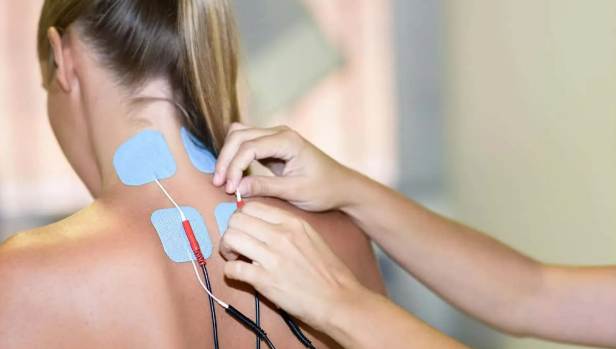
Chronic pain can be exhausting, both physically and emotionally. For many patients, traditional treatments like medications or physical therapy may not provide the relief they need. That’s where Peripheral Nerve Stimulation (PNS) comes in. Florida Medical Pain Management has helped countless patients understand how this innovative approach can significantly reduce pain.

So, how does Peripheral Nerve Stimulation work? Essentially, a small device is placed near specific peripheral nerves responsible for the pain signals. This device sends mild electrical impulses to the nerves, interrupting the pain signals before they reach the brain. Patients often describe the sensation as a gentle tingling rather than discomfort, making it a minimally invasive option compared to surgery.

The beauty of Peripheral Nerve Stimulation is its adaptability. It can be used to treat a variety of pain conditions, including neuropathy, joint pain, and post-surgical discomfort. The procedure is typically outpatient, meaning you can return home the same day and gradually notice improvement in your pain levels over time. Florida Medical Pain Management emphasizes a personalized approach—every patient’s pain is unique, and the stimulation is carefully adjusted for optimal results.

Beyond physical relief, patients often report improved mobility and a better quality of life. Pain can affect sleep, mood, and everyday activities, and by targeting the source directly, Peripheral Nerve Stimulation can help restore normal routines.

If you’ve struggled with persistent pain and are seeking a modern, effective solution, learning how Peripheral Nerve Stimulation works could be the key. Florida Medical Pain Management is here to guide you every step of the way, ensuring you understand your options and feel confident in your pain management plan.

A medical professional wrote this article at Florida Medical Pain Management. Florida Medical Pain Management is proud to offer comprehensive pain management services to a diverse group of patients. Patients at Florida Medical Pain Management can get help managing hip, knee, leg, and neck pain. The practice also offers comprehensive arthritis management, along with treatments for auto accidents, sports, and work injuries, as well as Peripheral Nerve Stimulation in St Petersburg, FL.

Why a child’s first visits to the dentist influence confidence, trust, and lifelong habits

A child’s earliest encounters with dental care often become the foundation for how they view oral health for the rest of their life. These experiences form emotional associations long before a child can fully understand cavities, cleanings, or preventive care. Fear, discomfort, or confusion during childhood appointments often triggers adult avoidance of the dentist today.

At Soft Breeze Children’s Dentistry, early dental visits are approached not as routine medical procedures but as developmental moments that shape trust, emotional security, and long-term health behavior.

“Children do not remember clinical details. They remember how they felt.”

Emotional memory develops before logic.

Young children process experiences primarily through emotion rather than reasoning. A loud sound, a rushed explanation, or unfamiliar equipment can feel overwhelming, even when no pain is involved. If a child associates dental visits with fear or loss of control, avoidance can become an ingrained response that persists into adulthood.

Conversely, when early visits are calm, patient, and predictable, children learn that dental care is safe and manageable. This emotional neutrality, or even positivity, becomes part of how they define self-care.

Soft Breeze emphasizes slow introductions, gentle pacing, and age-appropriate communication so children can build familiarity without pressure.

Trust Becomes the Gateway to Cooperation

Children are highly sensitive to tone, facial expressions, and body language. A provider who kneels to speak at eye level, explains tools in simple language, and allows small choices helps a child feel respected rather than controlled.

When trust is established early, children become active participants instead of passive subjects. They are more likely to sit comfortably, follow instructions, and express discomfort before fear escalates. This cooperation reduces stress for both the child and the provider, making each visit progressively easier.

Trust, once broken, is difficult to rebuild. That is why early experiences carry such disproportionate influence.

Habits Are Formed Through Repetition, Not Instruction

Children do not develop healthy dental routines through lectures. They develop them by observing patterns and experiencing consistency.

When dental visits are routine and calm, brushing, flossing, and preventive care become normalized. Oral hygiene shifts from being something imposed to something familiar.

At Soft Breeze, education is woven into conversation rather than delivered as correction. Children are guided, not scolded, when learning how to care for their teeth. This approach reinforces responsibility without shame.

Reducing Fear Protects Long-Term Health

Dental anxiety is not merely emotional. It directly affects physical health outcomes. Adults who avoid care often present with advanced decay, gum disease, and systemic complications that could have been prevented.

By creating early experiences that feel safe and predictable, pediatric dentistry becomes a form of preventive mental health care as well. Children who feel comfortable seeking care are more likely to continue regular checkups in adolescence and adulthood.

The Role of Parents in Shaping Perception

Children often mirror their parents’ attitudes. When adults speak negatively about dentistry or express their own fears, children internalize those emotions.

Soft Breeze encourages families to frame dental visits as normal and positive, avoiding language that implies danger or pain. When parents and providers communicate consistently, children receive a unified message of reassurance.

Conclusion

Early dental experiences do more than protect baby teeth. They influence confidence, emotional regulation, and lifelong health decisions.

When children learn that dental care is safe, respectful, and predictable, they carry that belief into adulthood.

Families seeking a supportive and child-centered environment are encouraged to explore care at Soft Breeze Children’s Dentistry, where comfort is treated as an essential part of clinical excellence.