
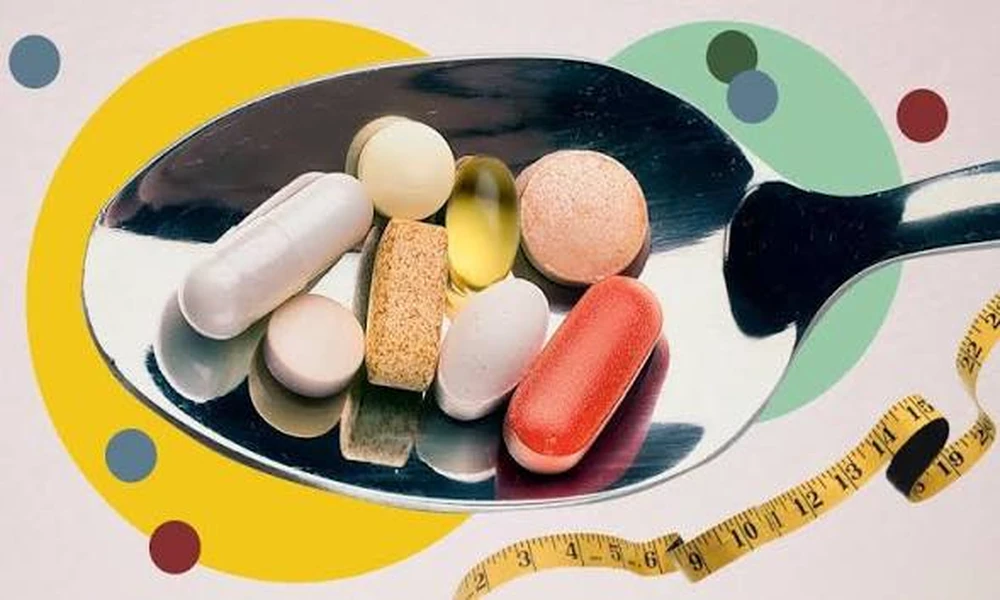
Weight loss supplements are one of the most purchased and most misunderstood categories in sports nutrition. The marketing overpromises, the expectations are often unrealistic, and the fundamentals that actually drive fat loss get lost in the noise.
Used correctly and within a structured programme, supplements for weight loss can support your results in meaningful ways. The key word is support. No supplement produces fat loss independently of a calorie deficit, consistent training, and adequate sleep.
What Weight Loss Supplements Actually Do
Weight loss supplements work across a small number of mechanisms. Understanding which mechanism each product targets makes it easier to assess whether it’s relevant to your situation and worth including in your programme.
Metabolic rate support: Some compounds raise your resting metabolic rate modestly, meaning you burn slightly more calories at rest and during activity than you would without them. Caffeine is the most studied and reliable example. The effect is real but not dramatic, typically a few percent above baseline.
Fat oxidation: Certain ingredients support the body’s ability to use fat as a fuel source during exercise. Green tea extract and L-carnitine both have evidence in this area, though the magnitude of effect varies between individuals.
Appetite regulation: High protein intake is the most evidence-backed appetite management strategy available. Some supplements also include fibre or specific compounds that slow gastric emptying and extend satiety between meals.
Training performance: Supplements that improve training intensity indirectly support fat loss by enabling harder, more calorie-intensive sessions. Pre workouts and thermogenic formulas both contribute here.
None of these mechanisms replaces a calorie deficit. They make the deficit easier to sustain and slightly more effective at the margins.
Thermogenic Fat Burners: How They Work
Thermogenic fat burners target metabolic rate and fat oxidation simultaneously, typically through a combination of stimulant and non-stimulant ingredients working across complementary pathways.
Thermogenic fat burners are most effective when used as part of a structured fat loss phase with a defined calorie target and consistent training. Outside of that context, the marginal increase in metabolic rate they produce is unlikely to move the needle against a disorganised diet.
The ingredients that drive the effect
Caffeine: The primary thermogenic compound in most fat burner formulas. It raises metabolic rate, improves fat oxidation during exercise, reduces perceived effort, and suppresses appetite in the short term. The dose matters. Effective thermogenic formulas disclose their caffeine content clearly.
Green tea extract (EGCG): Catechins in green tea support fat oxidation and work synergistically with caffeine. The evidence is consistent if modest in magnitude.
Capsaicin: The active compound in chillies. It activates thermogenesis through a specific receptor pathway, raising core temperature and increasing calorie expenditure. Short-term appetite suppression is also documented.
L-Carnitine: Supports the transport of fatty acids into the mitochondria for oxidation. Most useful for people with low baseline carnitine levels, which is more common in vegetarians and vegans.
B vitamins: Support energy metabolism and are included in most thermogenic formulas to underpin the metabolic processes the other ingredients are targeting.
What to Look for Before Buying
The weight loss supplement category has more low-quality products than almost any other. A few checks cut through most of the noise.
Disclosed ingredient doses are non-negotiable. Every compound and its amount should be listed individually. Any product hiding behind a proprietary blend total without breaking down individual ingredients makes it impossible to assess whether anything is present at a useful dose.
Independent batch testing by an accredited third-party laboratory confirms that the product contains what the label claims. In a category where margin pressure often leads to shortcuts, this is the most reliable quality verification available.
Reasonable claims on the packaging are also a useful signal. Products promising dramatic results without referencing diet or exercise are telling you something about their credibility before you’ve even looked at the label.
Building a Weight Loss Supplement Stack
A sensible weight loss supplement stack addresses different parts of the fat loss equation without redundancy.
Protein powder is the foundation. Adequate protein intake during a calorie deficit preserves lean muscle mass, which protects metabolic rate and improves body composition outcomes over the cutting phase. This matters more than any thermogenic.
A thermogenic fat burner sits on top of that foundation. Used before training, it supports energy output, fat oxidation, and training intensity during the period when you most need those things.
Fibre supplementation addresses the satiety gap that most people experience during calorie restriction. It slows digestion, extends fullness, and stabilises blood glucose without contributing meaningfully to calorie intake.
Creatine monohydrate is worth retaining during a fat loss phase despite its association with bulking. It supports training performance and muscle retention during calorie restriction, both of which protect long-term body composition.
FAQs
Do thermogenic fat burners work?
Yes, within realistic expectations. They raise metabolic rate modestly, support fat oxidation, and can improve training energy during a calorie deficit. They do not produce fat loss independently of a calorie deficit and consistent training.
Are weight loss supplements safe?
For healthy adults without cardiovascular conditions, yes at recommended doses. Stimulant-containing thermogenics are not appropriate for people with heart conditions, high blood pressure, or anxiety disorders. Starting with half a serve to assess tolerance is sensible regardless of experience level.
How long should I use a thermogenic fat burner?
Thermogenics are most appropriate during a structured fat loss phase with a defined start and end point. Continuous long-term use builds stimulant tolerance, which reduces effectiveness over time. Cycling off for one to two weeks every couple of months maintains sensitivity.
Can I take a thermogenic and a pre workout on the same day?
Only if you account for the combined stimulant load. Both products typically contain caffeine. Taking both simultaneously can push total caffeine intake above a comfortable threshold. Check the caffeine content of each and consider whether the combined dose is appropriate for your tolerance level.
Will I regain weight when I stop taking fat burners?
Any weight regained after stopping a fat burner is a function of diet and training reverting, not of the supplement itself. If the calorie deficit and training habits that produced the fat loss are maintained, stopping the supplement doesn’t reverse the results.

Comments are closed.