
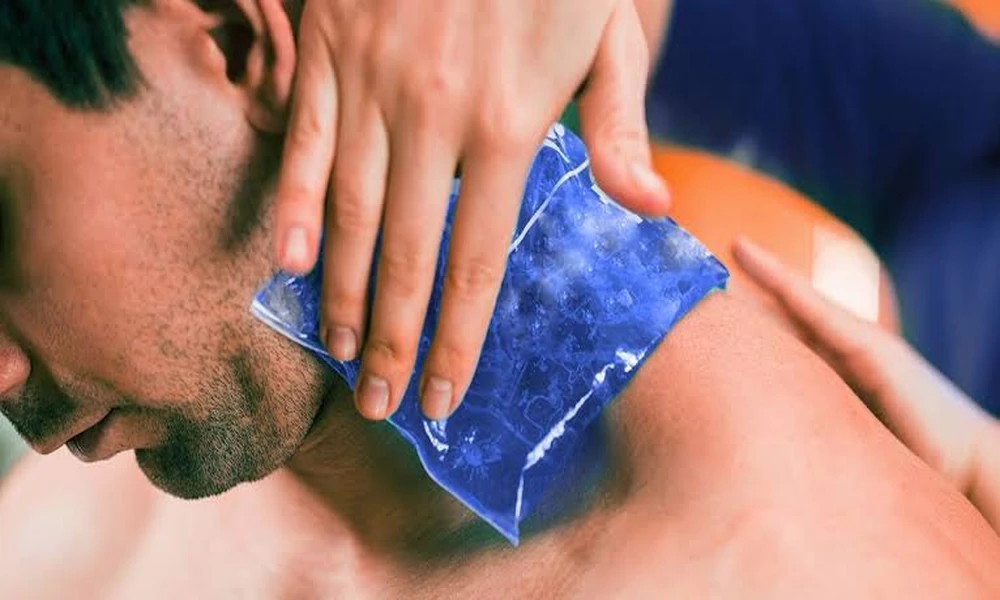
Panic attacks can feel overwhelming, bringing on a sudden wave of intense fear along with physical symptoms such as a racing heart, rapid breathing, dizziness, trembling, chest tightness, and muscle tension. Although panic attacks are not usually dangerous, they can feel frightening and may leave a person worried about when the next episode will occur. Learning techniques that encourage relaxation and support the body’s natural calming response can make these moments easier to manage.
One area that has received growing attention is the vagus nerve. As a major part of the parasympathetic nervous system, the vagus nerve plays an important role in regulating heart rate, breathing, digestion, and the body’s recovery after stressful experiences. While vagus nerve techniques are not a cure for panic attacks, they may help reduce physical tension and support a calmer state when used alongside healthy coping strategies and, when needed, professional care.
Understanding the Vagus Nerve
The vagus nerve is one of the longest nerves in the human body. It connects the brain with several major organs, including the heart, lungs, and digestive system. It helps regulate many automatic bodily functions while supporting the body’s “rest and digest” response.
During periods of intense fear or panic, the body’s “fight or flight” response becomes highly active. Heart rate increases, muscles tighten, breathing becomes shallow, and stress hormones are released. Activating the parasympathetic nervous system through gentle vagus nerve stimulation may help the body gradually return toward a calmer state.
Recognizing Physical Tension
Many people notice physical warning signs before panic symptoms become more intense. Learning to recognize these signals allows earlier intervention.
Common signs include:
- Tight shoulders
- Clenched jaw
- Rapid heartbeat
- Fast breathing
- Sweaty palms
- Trembling hands
- Stomach discomfort
- Neck stiffness
- Muscle tightness
Recognizing these sensations without judging them can reduce the tendency to become even more alarmed by physical symptoms.
Practice Slow, Controlled Breathing
Breathing exercises are among the simplest ways to encourage relaxation.
Try inhaling slowly through the nose for four seconds, allowing the abdomen to expand naturally. Exhale gently through the mouth for six seconds. Longer, comfortable exhalations may help stimulate the body’s calming response.
The goal is not to force deep breaths but to establish a slow, steady rhythm that feels comfortable.
Release Muscle Tension
Physical tension often builds during moments of fear. Progressive muscle relaxation involves gently tightening and then relaxing different muscle groups throughout the body.
Begin with the feet and gradually move upward through the legs, abdomen, hands, shoulders, neck, and face. This practice helps increase awareness of tension while encouraging muscles to soften.
Gentle Humming and Vocal Sounds
The muscles involved in humming and gentle vocalization are connected to structures influenced by the vagus nerve. Soft humming for several minutes may promote relaxation while naturally slowing breathing.
This simple activity can be practiced almost anywhere without special equipment.
Splash Cool Water on Your Face
Some individuals find that briefly splashing cool water on the face or placing a cool cloth across the cheeks provides a calming sensation. This may activate natural reflexes associated with slowing the heart rate in some people.
The water should be cool rather than extremely cold to remain comfortable.
Ground Yourself in the Present
Panic often creates a strong sense of danger even when no immediate threat exists.
Grounding techniques help redirect attention toward the present environment.
One popular method involves identifying:
- Five things you can see
- Four things you can touch
- Three things you can hear
- Two things you can smell
- One thing you can taste
This exercise gently shifts attention away from racing thoughts.
Build Healthy Habits to Reduce Anxiety
Although panic attacks can occur unexpectedly, daily lifestyle habits often influence how the body responds to stress over time. Reducing overall Anxiety may improve resilience and make it easier to manage challenging situations.
Helpful habits include:
- Getting adequate sleep each night
- Staying physically active
- Eating balanced meals
- Drinking enough water
- Limiting excessive caffeine if it worsens symptoms
- Maintaining regular daily routines
- Practicing mindfulness or meditation
- Spending time outdoors
Consistency matters more than perfection. Even small daily habits can support long-term emotional well-being.
Improve Posture and Body Awareness
Body posture can influence breathing patterns and muscle tension. Sitting upright with relaxed shoulders allows easier breathing and reduces unnecessary strain.
Gentle stretching throughout the day also helps reduce accumulated tension in the neck, shoulders, and back.
Prioritize Rest and Recovery
Recovery is an essential part of emotional health. Scheduling time for enjoyable activities, hobbies, social connection, and adequate sleep supports both physical and mental well-being.
Regular recovery periods help the nervous system adapt more effectively to everyday challenges.
Take Time to Manage Stress
Daily responsibilities, work demands, financial concerns, and personal obligations can all contribute to increased Stress. While these pressures cannot always be eliminated, healthy coping strategies can reduce their impact on the body and mind.
Simple practices such as taking short breaks, enjoying gentle physical activity, spending time in nature, journaling, practicing relaxation exercises, or connecting with supportive friends and family can help restore emotional balance. Building these habits into everyday life supports long-term resilience and complements techniques used during moments of heightened panic.
Conclusion
Managing panic attacks often involves addressing both the mind and body. Vagus nerve techniques, controlled breathing, muscle relaxation, grounding exercises, healthy daily habits, and regular recovery can all contribute to a greater sense of calm. While these strategies may help reduce physical tension and make panic symptoms easier to cope with, persistent or severe panic attacks should be discussed with a qualified healthcare professional, who can recommend appropriate evaluation and treatment. Consistent self-care, patience, and support are important parts of long-term emotional well-being.
Frequently Asked Questions
1. What is the vagus nerve?
The vagus nerve is a major nerve that connects the brain with several organs and helps regulate heart rate, breathing, digestion, and the body’s relaxation response.
2. Can vagus nerve exercises cure panic attacks?
No. Vagus nerve exercises are not a cure, but they may help reduce physical tension and promote calm as part of a broader approach to managing panic attacks.
3. Which breathing technique is helpful during a panic attack?
Many people find slow, controlled breathing with a longer, comfortable exhalation helpful for reducing physical tension and supporting relaxation.
4. How can I reduce muscle tension naturally?
Gentle stretching, progressive muscle relaxation, regular physical activity, adequate sleep, and mindful breathing can all help reduce muscle tension.
5. When should I seek professional help for panic attacks?
If panic attacks are frequent, severe, interfere with daily life, or cause ongoing distress, it’s important to consult a qualified healthcare professional for assessment and appropriate treatment.

Comments are closed.