
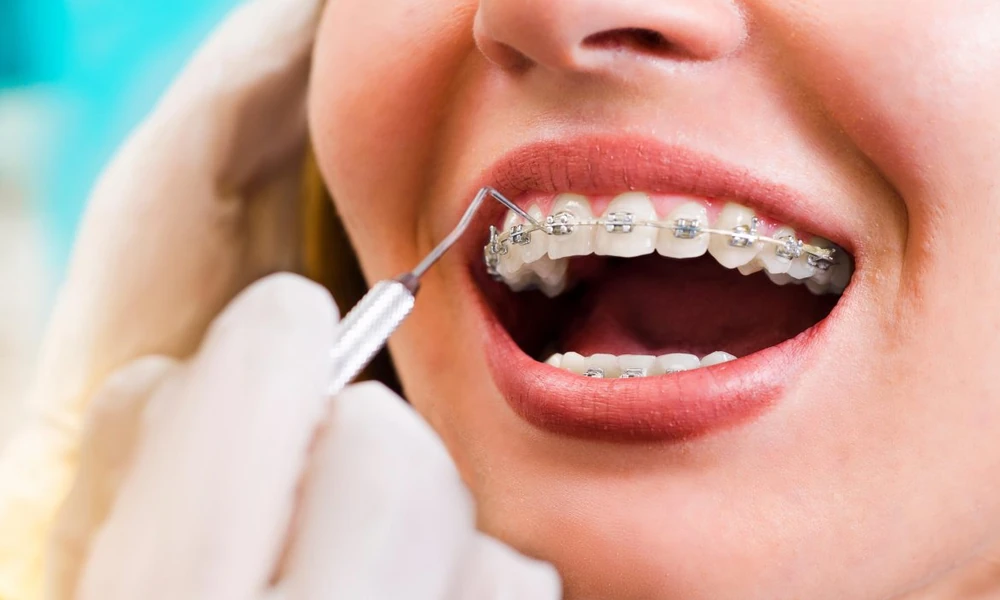
You might have noticed something small at first- maybe your child’s teeth seem crowded, or their bite looks a little off in photos, or they still breathe through their mouth long after a cold has passed. Then that small concern starts to grow. You wonder if it is just a phase, or if waiting could make things harder later. That uncertainty can sit in the back of your mind every time they smile. Talking with a pediatric dentist in Greenbelt, MD can help you understand what is normal, what may need attention, and what steps to take next.
If that sounds familiar, you are not overreacting. Parents often spot early changes before anyone else does, and when it comes to your child’s developing bite, those early clues can matter. The short version is this. Certain signs, like crowding, trouble biting or chewing, and habits or jaw patterns that affect growth, can point to a need for early orthodontic care. A trusted pediatric dentist can help you sort out what is normal, what should be watched, and what may need treatment sooner rather than later.
When should you worry about early orthodontic treatment for kids?
It helps to know that early evaluation does not always mean early braces. In many cases, it simply means getting a clear look at how your child’s teeth and jaws are developing. According to the American Academy of Pediatric Dentistry guidance on developing dentition and occlusion, monitoring growth at the right time can help identify problems before they become harder to correct.
So, what are the signs that deserve a closer look?
1. Teeth look crowded, blocked, or come in out of place. If adult teeth are erupting behind baby teeth, twisting as they come in, or there just does not seem to be enough room, that can be an early sign of crowding. Sometimes parents hear, “They will straighten out on their own,” and sometimes that is partly true. But when the jaw does not have enough space, waiting too long may narrow the options later.
2. Your child has trouble biting, chewing, or closing their mouth comfortably. A bite that looks uneven, front teeth that do not meet, or a jaw that shifts when they close can signal a developing alignment issue. You may notice your child chewing on one side, avoiding certain foods, or complaining that their teeth “feel funny.” Those details matter more than many parents realize.
3. Mouth breathing, thumb sucking, or jaw growth concerns continue past the early years. Some habits fade without causing harm, but persistent thumb sucking, tongue thrust, or long-term mouth breathing can affect how the upper and lower jaws grow. MedlinePlus explains that some malocclusion causes and symptoms are tied to jaw shape, tooth position, and oral habits. If you have been noticing one of these patterns for a while, it is worth asking questions now.
Why can waiting feel easier, but sometimes create bigger problems?
Many parents hesitate for understandable reasons. You may not want to put your child through treatment they do not need. You may worry about cost, timing, or whether you are making too much of something minor. That caution makes sense.
Because of this tension, you might wonder if it is better to just wait until all the adult teeth are in. Sometimes it is. But not always. Some bite problems become more fixed as the jaw matures. Crossbites, severe crowding, and certain jaw growth issues can be easier to guide earlier, when your child is still growing. Early care can sometimes reduce the length or intensity of later treatment, though every child is different.
Think of it this way. If a tree starts growing at an angle, it is often easier to guide it while it is still young. Once it is fully set, correction can take more effort. That same idea often applies to early orthodontic intervention.
What signs point to early orthodontic care, and what should you watch at home?
You do not need to diagnose anything on your own. Still, knowing what to watch for can help you feel more grounded before a dental visit. Here are a few common clues that deserve attention.
| What You Notice | What It Might Mean | Why an Early Check Helps |
|---|---|---|
| Crowded, overlapping, or blocked teeth | Not enough space for incoming adult teeth | Can help track jaw growth and space needs before crowding worsens |
| Upper and lower teeth do not line up | Possible overbite, underbite, open bite, or crossbite | Some bite issues respond better while the jaw is still developing |
| Thumb sucking or mouth breathing that continues | Habit or airway pattern affecting bite and jaw development | Can help identify whether habit changes or treatment are needed |
| Jaw shifting, clicking, or trouble chewing | Bite interference or uneven jaw function | Can prevent wear, discomfort, or more complicated correction later |
If you want a plain language overview of braces and bite correction, MedlinePlus offers a helpful page on orthodontia and how it works. It can give you a better sense of what treatment may involve, without making assumptions about what your child will need.
What can you do right now if you see these early braces warning signs?
1. Start tracking what you notice.
Take a few clear photos of your child’s smile from the front and side. Write down any habits, such as thumb sucking, mouth breathing, or chewing difficulties. If your child says their teeth feel crowded or they avoid certain foods, note that too. Patterns are easier to spot when you can see them over time.
2. Ask for an orthodontic screening during a dental visit.
You do not need to wait until something looks severe. A children’s orthodontic evaluation can help determine whether your child needs treatment now, later, or just routine monitoring. In many cases, peace of mind is the biggest benefit of that visit.
3. Focus on timing, not fear.
Try not to think in extremes. This is not about rushing into braces, and it is not about ignoring your instincts either. It is about catching growth patterns at the right time. If treatment is recommended, ask why now matters, what happens if you wait, and whether there are simple steps to take first.
Where does that leave you if you are still unsure?
It leaves you in a reasonable place. You noticed something, you care, and you want to make a thoughtful decision. That is exactly how many parents find their way to the right next step. Not every child with crooked teeth needs early treatment, but some do benefit when problems are identified before they become more complex.
If you have been seeing possible signs your child might need orthodontic intervention early, trust that instinct enough to ask. A pediatric dentist can help you understand whether your child’s bite is developing normally or whether early guidance could make things easier down the road.
You do not have to figure it out alone. Scheduling an evaluation is often the clearest, calmest next move.

Comments are closed.