
Archive

2024

Browsing

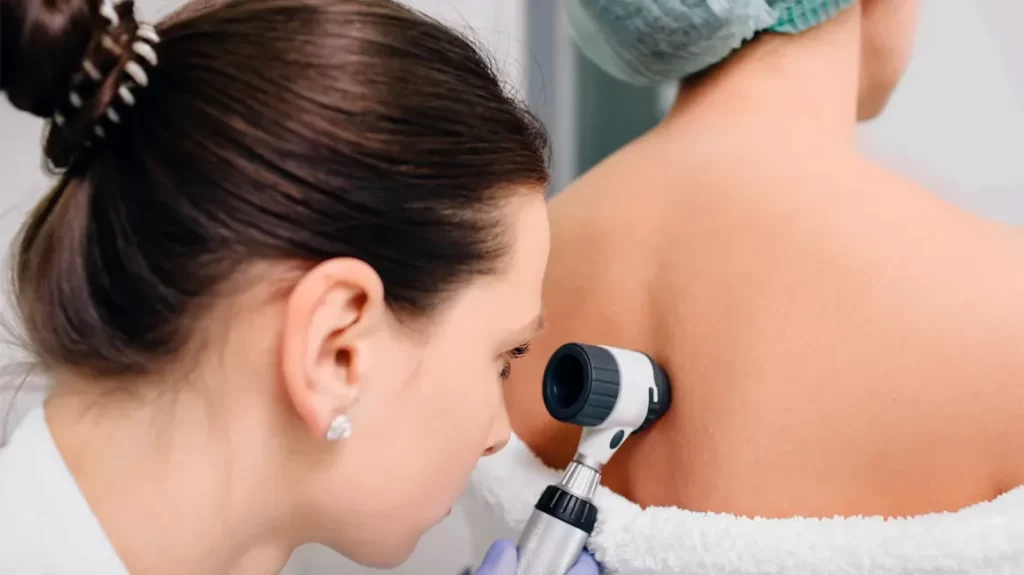
Cancer screening is one of the most effective tools in modern healthcare, designed to detect cancer at its earliest stages when treatment is most effective. The process involves various non-invasive and minimally invasive methods tailored to identify potential abnormalities before they develop into more severe conditions. Regular cancer screening in Singapore plays a pivotal role in promoting early detection, empowering individuals to take charge of their health, and ultimately saving lives.

Understanding Cancer Screening: What It Involves

Cancer screening refers to medical tests and examinations designed to detect cancer in individuals who may not yet show symptoms. These tests are carefully crafted to identify changes in the body that might indicate the presence of cancer or pre-cancerous conditions. Some commonly used cancer screening methods include mammograms for breast cancer, Pap smears for cervical cancer, and colonoscopies for colorectal cancer.

Each type of screening targets a specific form of cancer and uses advanced technologies to provide accurate results. For instance, imaging tests such as low-dose CT scans are used to screen for lung cancer in high-risk individuals, while blood tests may detect prostate-specific antigens (PSA) to screen for prostate cancer.

How Cancer Screening Works

Cancer screening procedures vary depending on the type of cancer being screened. Most screenings involve non-invasive or minimally invasive tests that are quick and cause minimal discomfort. For example:

  • Mammograms: X-ray imaging of the breasts to detect early signs of breast cancer.
  • Pap Smears: Collection of cervical cells to check for abnormalities or HPV infection.
  • Colonoscopy: Examination of the colon using a thin, flexible tube with a camera to detect polyps or cancer.
  • Blood Tests: Analysis of markers like PSA levels or specific genetic indicators that suggest cancer risk.

Screenings often follow established guidelines based on age, gender, family history, and lifestyle factors. Early detection through these methods can catch cancer before it spreads, improving the chances of successful treatment.

Cancer screening procedures

The Importance of Cancer Screening in Singapore

Cancer screening in Singapore is a critical component of preventive healthcare. With an increasing focus on wellness and early intervention, regular screenings are emphasized across healthcare institutions. Singapore has implemented national screening programs like Screen for Life, which offers subsidized screening services for residents.

Detecting cancer in its early stages can significantly improve survival rates. For example, breast cancer detected during a routine mammogram may be treated effectively before it progresses. Similarly, colorectal cancer caught during a colonoscopy often allows for polyp removal before they turn malignant. Such timely interventions underscore why cancer screening in Singapore should not be overlooked.

Key Benefits of Cancer Screening

Cancer screening provides several tangible benefits that contribute to better health outcomes:

  1. Early Detection

    Early detection allows healthcare providers to manage cancer before symptoms develop. This increases the likelihood of successful treatments and better outcomes.

  2. Lower Mortality Rates

    By catching cancer early, screening reduces the mortality rates associated with advanced-stage cancer. Early-stage cancers are typically easier and less costly to treat.

  3. Improved Quality of Life

    Early treatment often leads to less invasive procedures and faster recovery, minimizing the impact on an individual’s quality of life.

  4. Empowered Health Management

    Screening empowers individuals with valuable information about their health, enabling informed decisions about lifestyle changes or further medical care.

  5. Cost-Effective Preventive Care

    Regular screening is far more affordable than managing advanced cancer. By preventing late-stage complications, it reduces the financial burden on families and the healthcare system.

What to Remember About Cancer Screening in Singapore

When considering cancer screening in Singapore, there are a few essential points to keep in mind:

  • Follow Recommended Guidelines

    Different cancers have specific screening recommendations based on age, gender, and risk factors. Adhering to these guidelines ensures optimal outcomes.

  • Discuss Your Risks with a Doctor

    A healthcare professional can assess your personal and family medical history to recommend appropriate screening tests.

  • Regular Screening Matters

    Many cancers develop over time without noticeable symptoms. Regular screening is vital to catching these conditions early.

  • Choose Accredited Clinics

    Select reputable healthcare providers or clinics for screening. Accredited centers offer state-of-the-art equipment and skilled professionals for accurate results.

  • Be Prepared for Follow-Up

    An abnormal screening result doesn’t always mean cancer is present. Follow-up tests or additional procedures are often needed to confirm a diagnosis.

How Cancer Screening Saves Lives

Cancer screening is not just a medical procedure; it’s a life-saving practice that can prevent devastating consequences. Early detection leads to earlier intervention, often stopping cancer from spreading or worsening. Studies consistently show that regular screenings lower cancer-related mortality rates and improve long-term survival.

For instance, routine Pap smears have drastically reduced cervical cancer cases worldwide. Similarly, colorectal cancer deaths have dropped significantly due to increased colonoscopy use. These statistics highlight the profound impact of proactive health measures.

Final Thoughts

Cancer screening in Singapore is more than just a recommendation; it’s a vital step toward ensuring a healthier future. With advanced medical technologies and comprehensive healthcare systems, residents have access to effective screening options that can detect cancer in its earliest stages. By prioritizing routine screenings, individuals can significantly reduce their risk of late-stage cancer, improve their quality of life, and save themselves and their loved ones from unnecessary suffering.
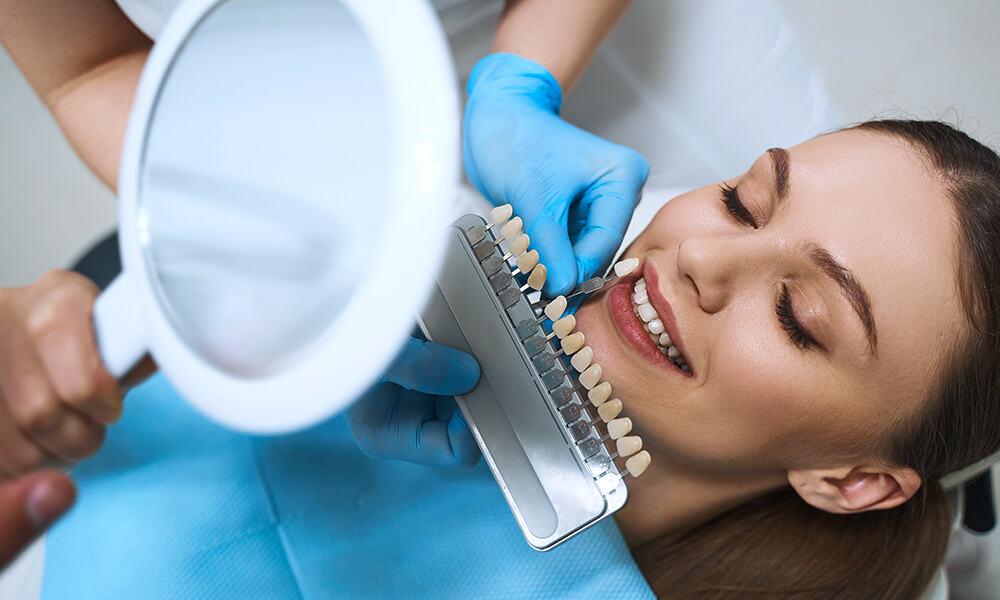
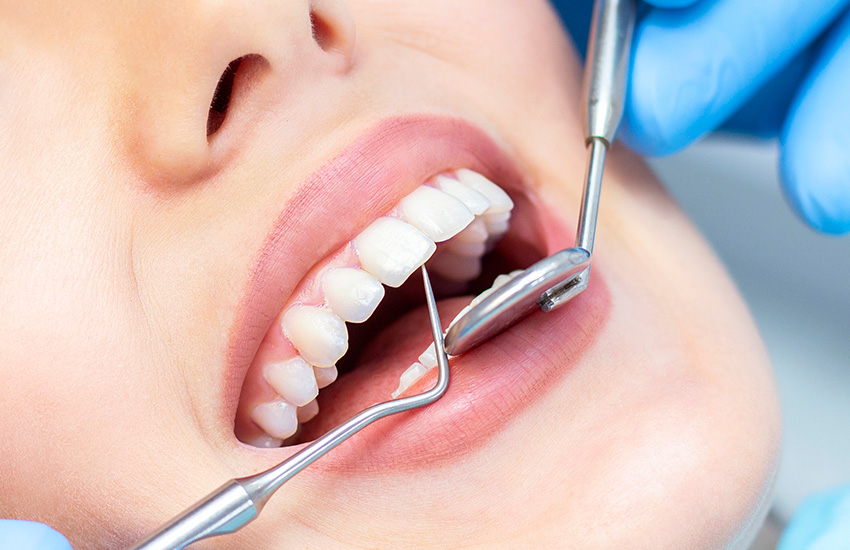
Cosmetic dentistry has come a long way, offering solutions to enhance smiles, boost confidence, and even improve oral health. Yet, despite its growing popularity, many misconceptions persist about these procedures. These myths can discourage people from exploring life-enhancing treatments. It’s time to set the record straight! Only a cosmetic dentist in La Verne, CA, will be able to differentiate between the truths and myths.

Below, we debunk six of the most common myths about cosmetic dentistry.

Myth 1: Cosmetic Dentistry is Only for the Wealthy

Many believe that cosmetic dentistry is a luxury reserved for the rich and famous. On the contrary, advancements in technology and a variety of treatment options have made these procedures more accessible than ever.

From teeth whitening and veneers to bonding and crowns, dentists now offer services at varying price points to suit different budgets. Additionally, many dental practices provide payment plans or financing options, making it easier for everyone to achieve the smile they deserve.

Myth 2: Cosmetic Dentistry is Purely Aesthetic

It’s easy to assume that cosmetic dentistry is only about looks, but it often plays a critical role in improving oral health. For instance:

  • Misaligned teeth corrected with clear aligners or braces can improve your bite, making it easier to chew and avoid jaw pain.
  • Fixing cracked or chipped teeth with bonding or crowns can protect vulnerable areas from further damage or decay.
  • Replacing missing teeth with implants or bridges can prevent neighboring teeth from shifting out of place.

In fact, cosmetic dentistry combines function and beauty, ensuring your smile is not only stunning but strong and healthy, too.

Myth 3: Cosmetic Procedures Damage Your Natural Teeth

This is one of the most pervasive myths, but it’s far from true. Cosmetic dental treatments are performed with the utmost care to enhance and protect your natural teeth. It’s crucial to work with a qualified dentist who prioritizes your oral health, using procedures tailored to your unique needs.

Myth 4: Cosmetic Dentistry is Painful

Thanks to advances in dental technology and anesthetic techniques, most cosmetic procedures today are virtually pain-free. Post-treatment discomfort is usually minimal and manageable. Your dentist will provide tips to relieve any sensitivity, making the experience smoother than many expect.

Myth 5: Cosmetic Dentistry Results Always Look Fake

When many people hear “cosmetic dentistry,” they picture overly white, unnaturally perfect teeth. While that may have been a concern in the past, modern dental technology allows for incredibly natural results.

Cosmetic dentists use techniques and materials designed to mimic the color, shape, and translucence of real teeth. Whether you’re getting veneers, bonding, or crowns, the goal is to create an enhanced smile that looks authentic and blends seamlessly with your natural features.

Myth 6: Anyone Can Perform Cosmetic Dentistry

Some people mistakenly think that any dentist can carry out cosmetic dental procedures. However, cosmetic dentistry requires specialized training, experience, and artistic skill to deliver top-notch results.

Qualified cosmetic dentists undergo additional education and focus on both function and aesthetics to ensure the highest standard of care. Always research your dentist’s credentials and view before-and-after cases to ensure they are skilled in the specific procedure you’re considering.

Conclusion

Cosmetic dentistry isn’t out of reach, harmful, or superficial, it’s a vital tool in restoring confidence and oral health. If you’ve been hesitant about exploring cosmetic dental treatments because of these myths, now is the time to revisit your options. Speak with a qualified cosmetic dentist to learn how they can help you achieve a healthier, happier smile. After all, your smile is one of the first things people notice, and you deserve to feel proud of it!

Cosmetic dentistry has come a long way, offering solutions to enhance smiles, boost confidence, and even improve oral health. Yet, despite its growing popularity, many misconceptions persist about these procedures. These myths can discourage people from exploring life-enhancing treatments. It’s time to set the record straight! Only a cosmetic dentist in La Verne, CA, will be able to differentiate between the truths and myths.

Below, we debunk six of the most common myths about cosmetic dentistry.

Myth 1: Cosmetic Dentistry is Only for the Wealthy

Many believe that cosmetic dentistry is a luxury reserved for the rich and famous. On the contrary, advancements in technology and a variety of treatment options have made these procedures more accessible than ever.

From teeth whitening and veneers to bonding and crowns, dentists now offer services at varying price points to suit different budgets. Additionally, many dental practices provide payment plans or financing options, making it easier for everyone to achieve the smile they deserve.

Myth 2: Cosmetic Dentistry is Purely Aesthetic

It’s easy to assume that cosmetic dentistry is only about looks, but it often plays a critical role in improving oral health. For instance:

  • Misaligned teeth corrected with clear aligners or braces can improve your bite, making it easier to chew and avoid jaw pain.
  • Fixing cracked or chipped teeth with bonding or crowns can protect vulnerable areas from further damage or decay.
  • Replacing missing teeth with implants or bridges can prevent neighboring teeth from shifting out of place.

In fact, cosmetic dentistry combines function and beauty, ensuring your smile is not only stunning but strong and healthy, too.

Myth 3: Cosmetic Procedures Damage Your Natural Teeth

This is one of the most pervasive myths, but it’s far from true. Cosmetic dental treatments are performed with the utmost care to enhance and protect your natural teeth. It’s crucial to work with a qualified dentist who prioritizes your oral health, using procedures tailored to your unique needs.

Myth 4: Cosmetic Dentistry is Painful

Thanks to advances in dental technology and anesthetic techniques, most cosmetic procedures today are virtually pain-free. Post-treatment discomfort is usually minimal and manageable. Your dentist will provide tips to relieve any sensitivity, making the experience smoother than many expect.

Myth 5: Cosmetic Dentistry Results Always Look Fake

When many people hear “cosmetic dentistry,” they picture overly white, unnaturally perfect teeth. While that may have been a concern in the past, modern dental technology allows for incredibly natural results.

Cosmetic dentists use techniques and materials designed to mimic the color, shape, and translucence of real teeth. Whether you’re getting veneers, bonding, or crowns, the goal is to create an enhanced smile that looks authentic and blends seamlessly with your natural features.

Myth 6: Anyone Can Perform Cosmetic Dentistry

Some people mistakenly think that any dentist can carry out cosmetic dental procedures. However, cosmetic dentistry requires specialized training, experience, and artistic skill to deliver top-notch results.

Qualified cosmetic dentists undergo additional education and focus on both function and aesthetics to ensure the highest standard of care. Always research your dentist’s credentials and view before-and-after cases to ensure they are skilled in the specific procedure you’re considering.

Conclusion

Cosmetic dentistry isn’t out of reach, harmful, or superficial, it’s a vital tool in restoring confidence and oral health. If you’ve been hesitant about exploring cosmetic dental treatments because of these myths, now is the time to revisit your options. Speak with a qualified cosmetic dentist to learn how they can help you achieve a healthier, happier smile. After all, your smile is one of the first things people notice, and you deserve to feel proud of it!

Family medicine specialists offer a comprehensive approach to healthcare. They focus on the whole person, providing care that spans across all ages and conditions. This method addresses a range of health issues—from managing chronic diseases to treating acute conditions like a schaumburg headache. Family doctors play a vital role in preventive care, ensuring that routine care is effective after treatment. By fostering long-term relationships, they understand the unique needs of each patient, promoting better health outcomes.

Understanding Comprehensive Care

Comprehensive care involves treating both the physical and emotional aspects of health. This approach means looking beyond symptoms to identify underlying causes. It emphasizes continuous and coordinated care. Family doctors take the time to know their patients, which helps in tailoring treatments that fit each person’s lifestyle and preferences.

The Role of Preventive Care

Preventive care is a cornerstone of family medicine. It includes regular check-ups, immunizations, and screening tests. These measures help catch potential issues before they become serious. The Centers for Disease Control and Prevention highlights the importance of regular screenings in maintaining health. For more information, visit the CDC’s guide on prevention.

Continuity of Care

Family medicine specialists provide ongoing care throughout a person’s life. This continuity builds trust between doctor and patient. It also ensures that care is consistent and comprehensive. When a patient moves from childhood to adulthood, their family doctor remains a constant source of support and guidance.

Comparison of Family Medicine and Specialized Care

Aspect Family Medicine Specialized Care
Scope Broad – covers all ages and conditions Narrow – focuses on specific conditions or body systems
Relationship Long-term, continuous care Short-term, focused care
Preventive Focus High emphasis on prevention and health maintenance Less emphasis, more on treatment

Chronic Disease Management

Managing chronic diseases like diabetes or hypertension requires a team effort. Family doctors coordinate various aspects of care, ensuring patients receive the necessary support. They work closely with other healthcare providers, like dietitians and specialists. This teamwork is vital in managing complex conditions effectively.

Emotional and Mental Health Care

Family medicine also addresses mental health needs. Doctors are trained to recognize signs of depression, anxiety, and other mental health issues. They provide initial support and, when needed, refer patients to mental health specialists. The National Institute of Mental Health offers resources on understanding mental health. For further reading, visit the NIMH’s mental health topics.

The Importance of Personalized Care

Every patient is unique, and family medicine recognizes this complexity. Treatments are personalized, taking into account family history, lifestyle, and individual preferences. This personalization results in better adherence to treatment plans and improved health outcomes.

Conclusion

The comprehensive care approach of family medicine specialists offers many benefits. By focusing on the whole person, they provide care that is thorough and compassionate. From preventive care to managing complex conditions, family doctors are essential in guiding patients toward healthier lives. This approach not only addresses immediate health concerns but also fosters long-term wellness.

Vascular malformations need expert care. Vascular surgeons are vital in treating these conditions. They bring precision and experience to each case. Although wesley chapel heart disease might grab more headlines, vascular malformations are equally important. Understanding the role of vascular surgeons in these treatments is crucial. Let’s explore their contributions to managing these complex issues.

Understanding Vascular Malformations

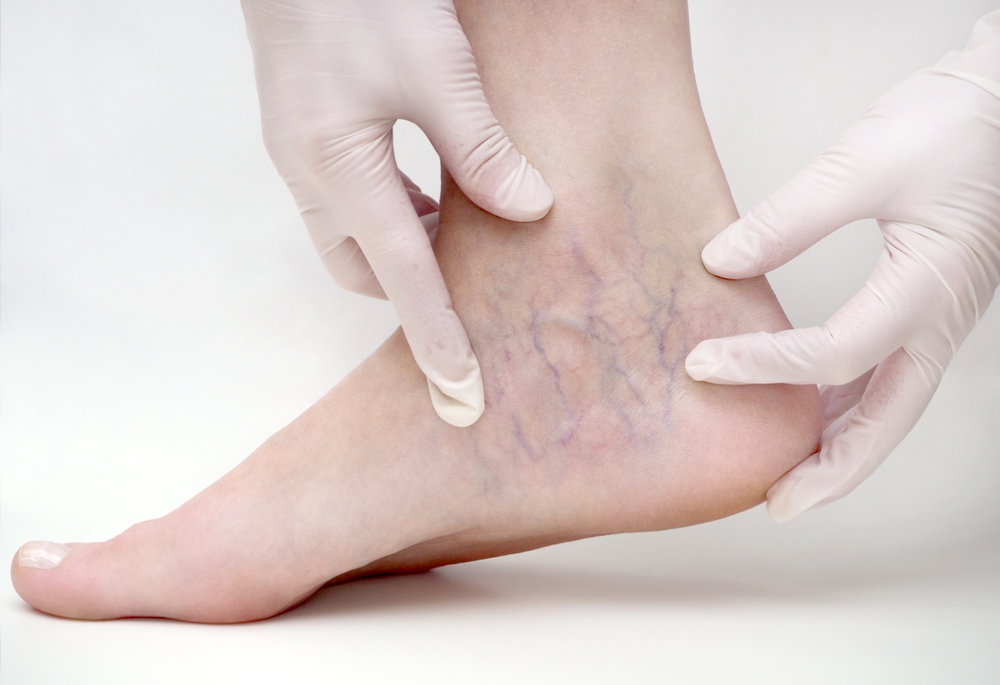
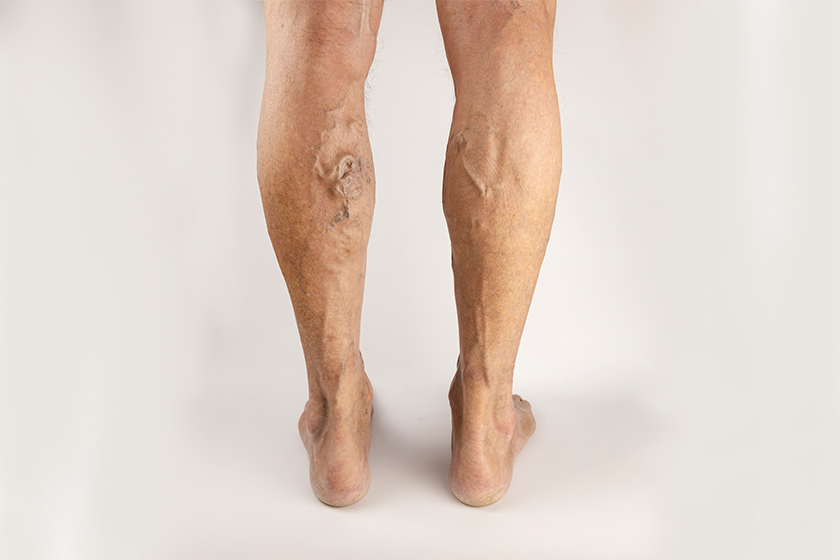
Vascular malformations are abnormal clusters of blood vessels. They can occur anywhere in the body. These malformations may vary in size and severity. Common types include arteriovenous malformations, capillary malformations, and venous malformations. Each type requires a unique approach.

Vascular malformations can lead to complications. These include pain, swelling, and even bleeding. In some cases, they may affect organs and lead to severe health issues. Vascular surgeons play a crucial role in diagnosing and treating these malformations effectively.

The Role of Vascular Surgeons

Vascular surgeons are trained to address complex issues involving blood vessels. They conduct thorough evaluations to understand each case. Their skills ensure precise and effective treatment plans.

  • Diagnosis: Vascular surgeons use various imaging techniques. These help in identifying the type and extent of the malformation.
  • Treatment Planning: They decide the best course of action. This may include surgery, medication, or other interventions.
  • Long-term Care: Post-treatment, surgeons provide ongoing care. This ensures optimal recovery and management.

Their expertise means that patients receive specialized care tailored to their needs. For more detailed information about vascular malformations, visit the National Heart, Lung, and Blood Institute.

Comparing Treatment Approaches

Vascular surgeons use different treatment methods. The choice depends on the malformation type and location. Here is a simple comparison of common treatment options:

Treatment Method Description When Used
Surgery Removing or repairing the malformation surgically When malformation causes significant symptoms or risks
Embolization Blocking blood flow to the malformation For reducing blood flow and size of the malformation
Laser Therapy Using laser to shrink or close malformations Effective for superficial or skin-level malformations

This table highlights the versatility of vascular surgeons. They select the method that best suits the patient’s needs.

Challenges in Treatment

Treating vascular malformations can be challenging. Each case is unique. Surgeons must consider factors like the patient’s age, overall health, and specific malformation characteristics.

Another challenge is ensuring minimal risk during treatment. Vascular surgeons must balance effective treatment with patient safety. Continuous research and advances in medical technology aid in overcoming these challenges. For more on current research, explore resources from the National Institute of Diabetes and Digestive and Kidney Diseases.

The Future of Vascular Surgery

The future holds promise for vascular malformation treatment. Advancements in technology and techniques continue to improve outcomes. Minimally invasive procedures are becoming more common, reducing recovery time and increasing precision.

Vascular surgeons remain at the forefront of these developments. Their dedication ensures better care and recovery for patients. As understanding of vascular malformations grows, so does the potential for improved treatment strategies.

In summary, vascular surgeons play an essential role in treating vascular malformations. Their expertise and innovation make them indispensable in managing these complex conditions. By understanding their role, we can better appreciate the value they bring to healthcare.

Meniscal tears can cause pain and limit movement. Orthopedic surgeons play a vital role in treating these injuries. With their expertise, they guide patients from diagnosis to recovery. Dr. Patrick S. McNulty, a renowned expert in the field, highlights the importance of precise surgical techniques. This ensures better outcomes and quicker healing. Understanding their role helps one appreciate the value of skilled orthopedic care.

What is a Meniscal Tear?

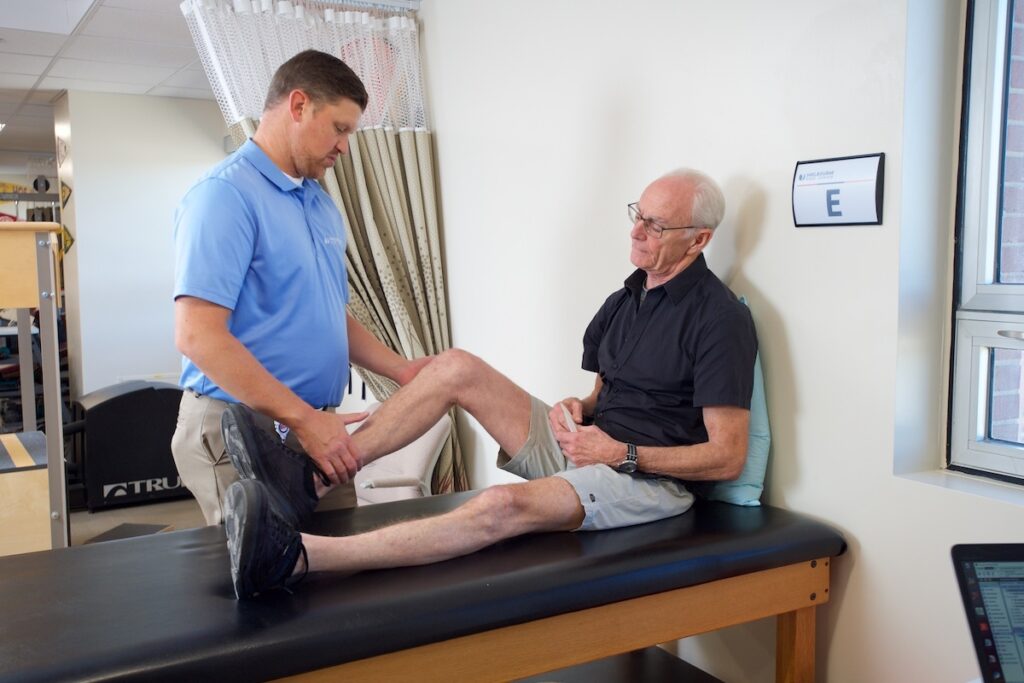
A meniscal tear is a common knee injury. The knee joint has two menisci, which are C-shaped pieces of cartilage. They provide cushioning and stability. Tears can occur from sudden twists or degeneration over time. Symptoms include pain, swelling, and difficulty straightening the knee.

The Role of Orthopedic Surgeons

Orthopedic surgeons specialize in the musculoskeletal system. They assess the extent of a meniscal tear and decide on the best course of treatment. Their training allows them to perform precise surgical interventions when necessary, ensuring optimal recovery.

Treatment Options

There are several treatment options available. These depend on the severity and location of the tear. Orthopedic surgeons typically follow a treatment plan that includes:

  • Rest and physical therapy
  • Medications to manage pain
  • Surgical repair for severe tears

Non-Surgical Treatments

For minor meniscal tears, rest, ice, and physical therapy are often effective. Surgeons may recommend exercises to strengthen the muscles around the knee. This supports healing and helps prevent future injuries.

Surgical Treatments

In cases where the tear is severe, or symptoms persist, surgery may be necessary. Orthopedic surgeons use arthroscopy, a minimally invasive technique. Small incisions and specialized tools help repair or remove the damaged tissue.

Comparison of Treatment Options

Non-Surgical Treatment Surgical Treatment
Less invasive Involves surgery
Longer recovery time Quicker recovery
Effective for minor tears Effective for severe tears

Recovery and Rehabilitation

Recovery time varies based on the type of treatment. After surgery, patients often participate in rehabilitation programs. These programs help restore strength and flexibility. The goal is to return to daily activities and prevent future injuries.

The Importance of Follow-Up Care

Routine follow-up care is crucial. It ensures that the knee heals properly and identifies any complications early. Regular check-ups with an orthopedic surgeon are essential for long-term success.

Why Choose an Orthopedic Surgeon?

Orthopedic surgeons have specialized training in treating joint injuries. Their experience with surgical techniques ensures the best possible outcomes. Choosing a qualified surgeon can significantly improve recovery and quality of life.

Final Thoughts

Orthopedic surgeons play an essential role in treating meniscal tears. From diagnosis to recovery, their expertise ensures effective treatment and better outcomes. For more information on meniscal tears and treatments, visit the National Institute of Arthritis and Musculoskeletal and Skin Diseases or the American Academy of Orthopaedic Surgeons. Understanding the options available can help in making informed decisions about knee health.

No-equipment exercises are a useful and effective approach to staying in shape. They simply use your body weight to increase endurance, flexibility, and strength. These workouts are ideal for use at home, outdoors, or on the go because they do not require any equipment or weights. Using the right technique is essential to avoiding injuries and getting the greatest outcomes. Maintaining consistency and introducing variation are critical for long-term success. Exercises that do not require any equipment, such as bodyweight exercises, stretching, and aerobic motions, offer a flexible and convenient option to maintain an active and healthy lifestyle.

Let us explore five ways to do no-equipment workouts the right way for optimal benefits.

Focus on proper form

Form is the foundation of any effective workout. Without equipment, your body becomes the tool, and using it correctly ensures safety and results. For example, in push-ups, keep your back straight, engage your core, and lower your chest close to the ground. Similarly, squats require you to maintain a straight back and ensure your knees do not extend past your toes. Always focus on quality rather than number. Do fewer repetitions with flawless form as opposed to many with subpar technique.

Warm up and cool down

Never skip a warm-up before starting your workout. A proper warm-up increases blood flow prepares your muscles, and reduces the risk of injury. Simple moves like jumping jacks, high knees, or arm circles are great for getting started. Equally important is cooling down after the session. Stretching your muscles after exercising improves flexibility and aids recovery, helping you avoid stiffness or soreness.

Incorporate variety

No-equipment workouts don’t have to be repetitive. To keep things interesting and target all muscle groups, mix up your routine. Combine strength exercises like planks and lunges with cardio moves like burpees and mountain climbers. Adding yoga or Pilates-inspired exercises can also improve balance and core strength. Variety not only prevents boredom but also ensures a well-rounded fitness routine.

Adjust intensity levels

One of the biggest advantages of no-equipment workouts is their scalability. Beginners can start with basic moves like knee push-ups, while advanced users can increase the intensity by adding explosive movements like jump squats or clap push-ups. You can also adjust intensity by slowing down movements or holding positions, such as in an extended plank. Advance gradually to push your body without running the danger of harm.

Stay consistent

Consistency is key to achieving fitness goals. Create a workout schedule that fits your lifestyle and stick to it. Even 20-30 minutes of daily exercise can make a significant difference over time. To stay motivated, set achievable goals, track your progress, and celebrate milestones. Remember that steady effort yields lasting results.

To sum up

No-equipment workouts are accessible, versatile, and effective for all fitness levels. By focusing on proper form, warming up, adding variety, adjusting intensity, and staying consistent, you can make the most of your workout routine. With dedication and the right approach, you can achieve your fitness goals anytime, anywhere, without the need for equipment.

Healing keloids and scars take time and expertise. Both conditions affect skin appearance and can cause discomfort. Dermatologists play a vital role in managing and treating these skin issues. They offer personalized care and a range of treatments to reduce scar visibility and improve skin health. Like their work in skin cancer treatment live oak, dermatologists use their skills to help heal and restore confidence in skin appearance.

Understanding Keloids and Scars

Keloids are raised overgrowths of scar tissue that develop at the site of a skin injury. They can be itchy or painful. Scars, on the other hand, are marks left after a wound has healed. Both conditions can affect anyone, but keloids are more common in people with darker skin tones.

Scar formation is a natural part of the healing process. After an injury, the body produces collagen fibers to mend the damage. Sometimes, the body makes too much collagen, leading to a raised scar or a keloid. The key is finding the right balance in treatment to minimize these effects.

Treatment Options Provided by Dermatologists

Dermatologists offer several treatment options for keloids and scars. They tailor treatments based on the type, size, and location of the scar. Here are some common methods:

  • Corticosteroid Injections: These help reduce inflammation and flatten keloids.
  • Laser Therapy: Used to reduce redness and improve texture.
  • Surgery: In some cases, dermatologists might recommend surgical removal, often followed by other treatments to prevent recurrence.

Choosing the right treatment depends on individual needs. Dermatologists assess each case carefully to provide effective solutions.

Comparison of Treatment Options

Treatment Effectiveness Recovery Time
Corticosteroid Injections High for reducing size Minimal
Laser Therapy Moderate for improving appearance Minimal
Surgery Varies; risk of recurrence Varies; longer

Each treatment has its pros and cons. Consultation with a dermatologist helps decide the best course of action.

The Dermatologist’s Expertise

Dermatologists undergo extensive training. They are experts in skin health and understand the complexities of skin conditions. Their skills are crucial in handling difficult cases. For example, the National Library of Medicine highlights the importance of professional guidance in managing keloids.

By staying updated with the latest research, dermatologists ensure they provide the best care possible. They use advanced techniques and equipment to achieve optimal outcomes for patients.

Prevention and Routine Care

Prevention is key in managing keloids and scars. Dermatologists stress the importance of avoiding unnecessary skin injury. They may recommend using silicone gel sheets or pressure dressings after surgery or injury.

Routine care is more effective after treatment. Keeping the skin moisturized and protected from the sun can prevent further damage. Dermatologists often emphasize these simple yet effective habits.

The Role of Dermatologists as Healers

Dermatologists not only treat skin conditions but also help restore self-esteem. Scars and keloids can impact self-image. By improving skin appearance, dermatologists help patients feel more confident and comfortable in their skin.

The journey of healing scars and keloids involves patience and collaboration. With the guidance of a dermatologist, individuals can achieve significant improvements and regain confidence in their skin’s appearance.

Plastic surgery trends often mirror the cultural norms of a society. What one culture sees as beauty, another might not. For example, the Scarsdale neck lift has gained popularity in certain regions, driven by local style preferences. These trends can change as cultural ideals shift. Understanding these influences helps us see how society shapes our views of beauty.

Cultural Standards and Their Impact

Cultural standards can heavily influence what is considered attractive. In some cultures, a youthful appearance is highly valued. This has led to an increase in procedures aimed at reducing signs of aging. In other cultures, certain body shapes or facial features might be preferred. This can drive the demand for specific surgeries, such as rhinoplasty or liposuction.

Consider the popularity of double eyelid surgery in East Asia. It’s a procedure many choose to achieve a specific eye shape that aligns with local beauty norms. Meanwhile, in Western countries, fillers and botox are often sought to maintain a youthful look. These examples show how cultural values can drive the demand for particular surgeries.

Global Trends and Local Preferences

While some procedures have global appeal, many trends are localized. Understanding these patterns requires looking at both worldwide and regional data. Here’s a simple comparison:

Region Popular Procedure Driving Factor
East Asia Double Eyelid Surgery Local Beauty Standards
Western Countries Botox and Fillers Youthful Appearance
South America Buttock Augmentation Curvy Body Ideals

This table highlights how local preferences shape the demand for different procedures. Cultural ideals directly influence what people consider enhancing or changing about their appearance.

Changing Norms and Evolving Trends

Trends in plastic surgery are not static. As cultural norms evolve, so do the procedures people choose. For instance, the rise of social media has had a significant impact. Platforms like Instagram and TikTok showcase beauty trends that quickly spread across the globe. This can lead to new standards of beauty and a shift in the types of procedures that become popular.

Moreover, increasing global connectivity means cultural exchange happens faster than ever. As people are exposed to different cultural norms, their perceptions of beauty may change. This can lead to a blend of global and local trends, creating new demands in the plastic surgery field.

Closeup photo of nude latin lady model natural beauty no makeup touch cheek pure soft smooth skin applying anti age cream isolated beige pastel color background

The Role of Technology and Media

Technology and media play a critical role in how cultural norms influence plastic surgery trends. Media representation and the portrayal of beauty in movies and television often set standards that people aspire to. In many cases, the perception of celebrity beauty can drive individuals to seek similar enhancements.

One can look at the impact of social media as studied by the National Institutes of Health. Social platforms can create a constant cycle of comparison, leading to an increased desire for cosmetic procedures. This phenomenon is not limited to one region but is a global occurrence.

Conclusion

Plastic surgery trends are deeply intertwined with cultural norms. These norms shape what is considered beautiful and influence the demand for specific procedures. As cultures change and evolve, so do the trends in plastic surgery. Understanding these dynamics helps us grasp the broader impact of societal values on individual choices. By recognizing these influences, we can better appreciate the diverse standards of beauty around the world.

Unlike CBD gummies, CBN gummies have also been considered an outstanding remedy to treat the lack of sleep problem. The majority of people nowadays are facing the problem of sleeplessness at night. The lack of sleep problem can appear for various reasons. However, after identifying the problem, you need to treat it properly. By purchasing the best and most branded products of CBN gummies from the market, you can naturally improve your sleep quality. The CBN gummies have also been described as a natural aid to solve the problem of sleeplessness.

Regularly taking the CBN gummies can help you to improve your condition, and you can enjoy having enough sleep quality at night. Besides that it is also necessary to buy the best and most branded CBN for sleep products. All of you just need to find the most reputed and trustworthy brand or manufacturer in the market. Next, you can purchase the CBN gummy products from them to see the effective results.

Positive Points Of CBN Gummies

There are many positive points if you are taking CBN gummies regularly. It not only helps you to increase your sleep quality, but at the same time, it can solve other health problems. Problems like chronic pain or joint pain can also be reduced with the help of CBN gummies naturally. If you are unable to find a particular aid to treat your lack of sleep, then go with the CBN gummy products. In a short amount of time, you can find out how amazing CBN gummies are.

CBN Gummies Are The Ultimate Solution For Sleep

There are many ways to treat the problem of lack of sleep. But among all of the solutions, if you are looking for an accurate and natural way, then CBN gummies are the ultimate solution. The gummies are made from cannabinoids. In fact, all of the THC properties that are found in the product are low in percentage.  It not only helps users enjoy deep sleep quality, but it also helps them enjoy refreshments.  Hence, choose the best CBN for sleep for yourself if you want to improve instantly your condition.

In the market, the availability of CBN gummies is huge. But make sure you select only branded products for yourself because they provide the best results. In comparison with other brands, users can also take advantage of all general CBN gummies to find an effective result for the body. Moreover, the product price of CBN gummies is also pocket-friendly.

Keloids and hypertrophic scars can affect anyone. They occur when the skin heals after an injury, but the process goes into overdrive. These scars can become raised, thick, and sometimes itchy or painful. Dermatologists offer effective treatments for these skin concerns. They provide options like corticosteroid injections, laser therapy, and surgery. Treatments such as Fraxel Upper East Side have become popular for improving skin appearance. Understanding these methods helps in choosing the right path for smoother, healthier skin.

Understanding Keloids and Hypertrophic Scars

Keloids are more than just a cosmetic issue. They extend beyond the original injury site. Unlike hypertrophic scars, which stay within the wound’s boundaries, keloids continue to grow. This growth can happen long after the wound has healed.

Common Dermatological Treatments

Dermatologists use several proven techniques to manage these scars:

  • Corticosteroid Injections: These reduce inflammation and shrink the scar. They are often the first line of treatment.
  • Laser Therapy: This helps to flatten and fade scars. It’s particularly effective for hypertrophic scars.
  • Surgery: In some cases, removing the scar tissue is necessary, especially for keloids. This is often combined with other treatments to prevent recurrence.

Advanced Laser Treatments

Laser treatments like Fraxel are gaining attention. They work by targeting scar tissue with precise laser energy. This encourages new skin growth, improving the scar’s texture and color. The National Institute of Arthritis and Musculoskeletal and Skin Diseases provides more insights into these methods.

Comparing Treatment Options

Treatment Ideal For Pros Cons
Corticosteroid Injections Both Keloids and Hypertrophic Scars Reduces size and discomfort Multiple sessions needed
Laser Therapy Hypertrophic Scars Non-invasive, effective Can be costly
Surgery Severe Keloids Removes large keloids Risk of scar recurrence

Prevention and Care

Preventing these scars starts with proper wound care. Keeping a wound clean and moisturized can help. Using silicone sheets or gels during healing may also reduce scar formation. The American Academy of Dermatology suggests these practices as effective ways to manage scarring.

Choosing the Right Treatment

Choosing the best treatment depends on the scar’s type and severity. Dermatologists evaluate each case to suggest the most effective option. Early treatment can make a significant difference in the outcome. Consulting a dermatologist soon after noticing abnormal scar growth is crucial.

Conclusion

Understanding the available treatments for keloids and hypertrophic scars can empower informed decisions. Dermatologists provide essential guidance and treatments tailored to individual needs. With options ranging from injections to laser therapy, achieving healthier skin is within reach. Seeking professional advice ensures the best approach for managing these challenging scars.